REVIEW · NAALEHU HAWAII
From the Big Island: Hawaii Volcanoes National Park Tour
Book on GetYourGuide →Operated by Aloha Sunshine Tours LLC · Bookable on GetYourGuide
Kilauea makes geology feel personal. This Hawaii Volcanoes National Park tour connects Kona’s everyday life to the forces that built the Hawaiian island chain, with an up-close look at the active volcano area and the Thurston lava tube. It’s a long day, but it’s one of the most direct ways to understand what you’re seeing across the island.
I especially like the way the tour ties together multiple themes: Kona and the Kona coffee belt, Punalu’u sweet bread, and then straight into volcanic features at the park. I also like the small-group setup (limited to 14), because the guide can actually explain what matters instead of rushing past everything.
One consideration: this is not an easy, minimal-walking day, and it’s not suitable for people with back problems, mobility impairments, heart problems, pregnant travelers, or wheelchair users. If any of that applies, you’ll want to look for a different format.
In This Review
- Key things worth knowing
- Kona to volcano country: how a long day actually feels
- Kona and the coffee belt: more than a quick photo stop
- Punalu’u black sand beach and steam vents: where the island breathes
- Hawaii Volcanoes National Park: make the island timeline click
- Thurston lava tube: seeing cooled lava from the inside
- The guide can make or break your day
- Weather, timing, and what to bring so you’re comfortable
- Price and value: what $205 really covers
- Who should book (and who should skip)
- Should you book this Hawaii Volcanoes National Park tour?
- FAQ
- How long is the Hawaii Volcanoes National Park Tour from Kona?
- Do I get pick-up and drop-off in the Kona area?
- What’s included in the tour price?
- Are meals included?
- Is there a group size limit?
- Are parking fees included?
- Is this tour suitable for wheelchair users or people with mobility impairments?
Key things worth knowing
- Small group (up to 14) keeps the day feeling personal and easier for questions
- Kona coffee belt + Punalu’u stops add real local flavor before you hit the volcanic scenery
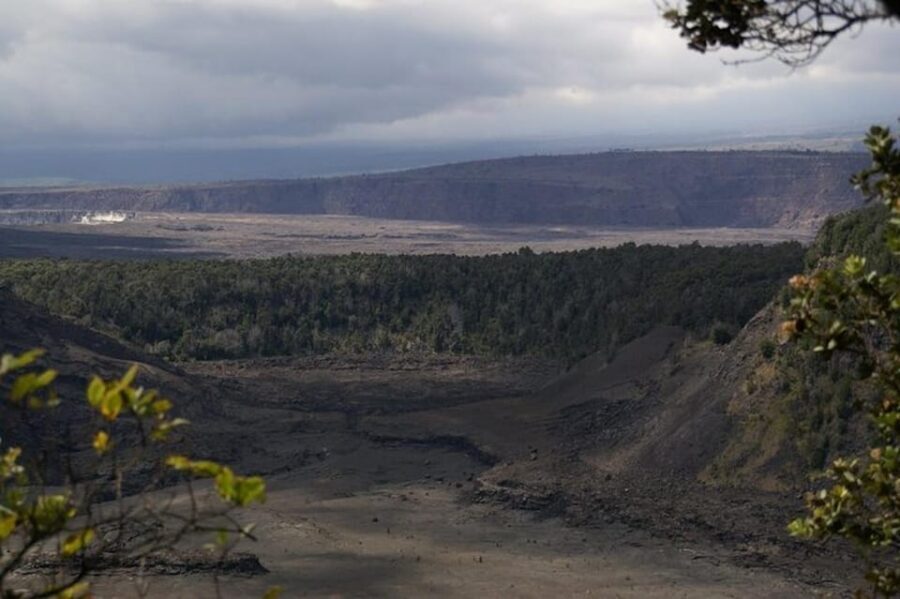
- Kilauea visitor center gives you the timeline so the park makes sense
- Thurston lava tube lets you experience cooled lava from the inside
- Eruption timing isn’t guaranteed even though Kilauea is active
- No meals included, so plan your snack and lunch strategy ahead
Kona to volcano country: how a long day actually feels
This is a full-day outing scheduled for about 12 hours, with pickup and drop-off in the Kailua-Kona area. That long block of time matters because you’re not just doing one scenic stop—you’re touring the island’s story from the coffee belt and Kona town to the youngest landscape on Earth (as Hawaii Island is often described).
In practice, the day can run a bit shorter than the full 12 hours depending on conditions, but I’d still plan your whole schedule around a full day. You’ll be in the vehicle for plenty of the route, then on foot for short stretches at each stop.
Because meals aren’t included, I recommend you treat the day like a hike day: bring snacks and enough water for your comfort. The tour includes cash-friendly stops like Punalu’u bakery, where it’s smart to have small bills if you want something from the counter.
Also, the tour is built around a live English guide and a limited group size. That’s important on a geology-focused day, because the value isn’t only what you see—it’s how someone explains it while you’re looking.
Kona and the coffee belt: more than a quick photo stop
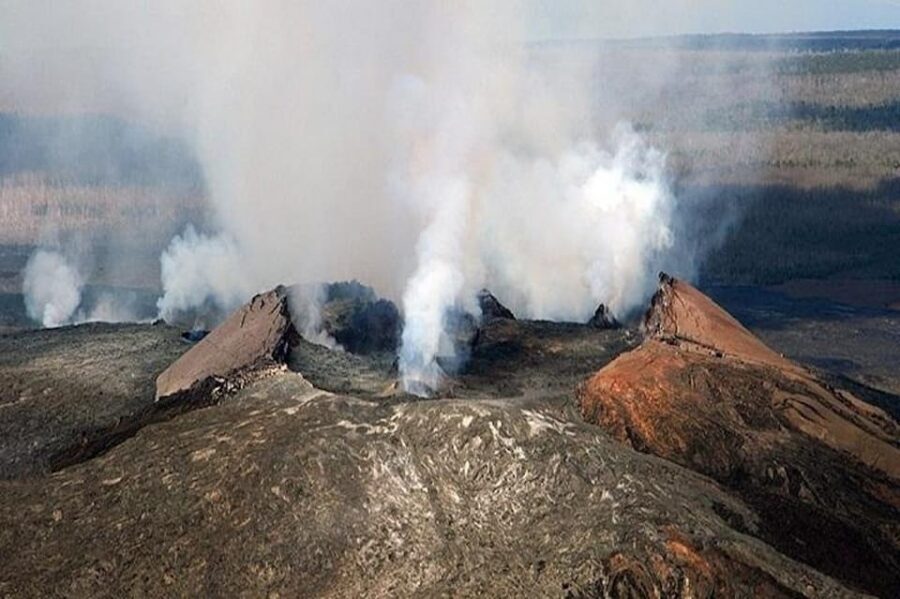
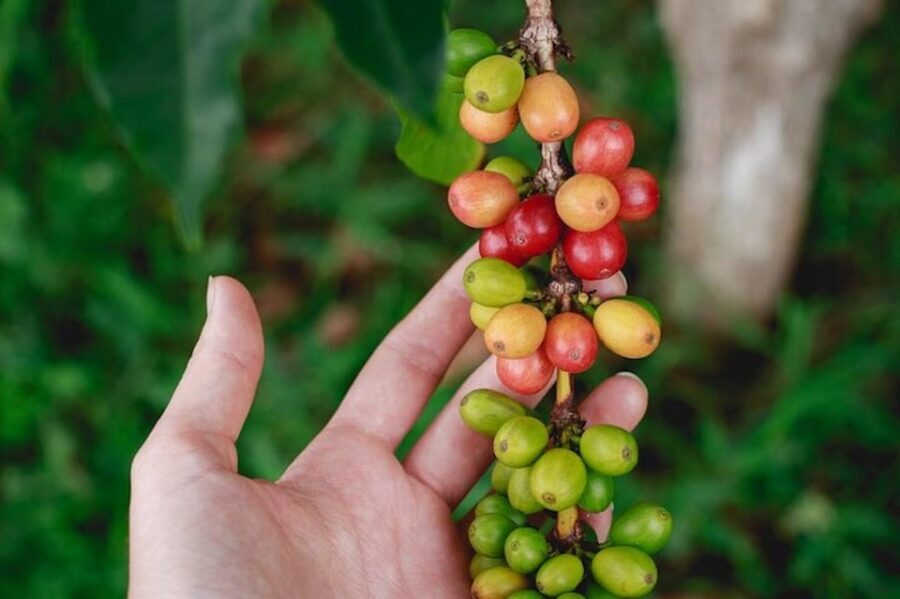
The tour begins with Kona, then shifts into the Kona coffee belt. This is one of those parts that’s easy to underestimate if you’re only thinking about volcanoes. But it helps you understand why this island is so varied: elevation, rainfall, wind, and soil all affect what grows here—and those same big geological forces shape the land below your feet.
You’ll also get a hands-on coffee belt experience, which is far more useful than just driving past farms and hoping you can connect the dots yourself. It’s a great moment to ask basic questions like how coffee does or doesn’t grow in different areas, because later the guide’s geology talk will make more sense when you’ve already seen how people farm this terrain.
Then the day turns toward Punalu’u sweet bread with a visit to the famous Punalu’u sweet bread bakery. Even if you’re not a pastry person, this stop is a nice cultural anchor. It breaks up the road time, gives you something local to taste, and helps the day feel like a real Big Island experience rather than a single attraction checklist.
Practical tip: wear comfortable clothes and comfortable shoes. You’ll likely spend time waiting, walking across small areas, and moving between photo-friendly spots.
Punalu’u black sand beach and steam vents: where the island breathes
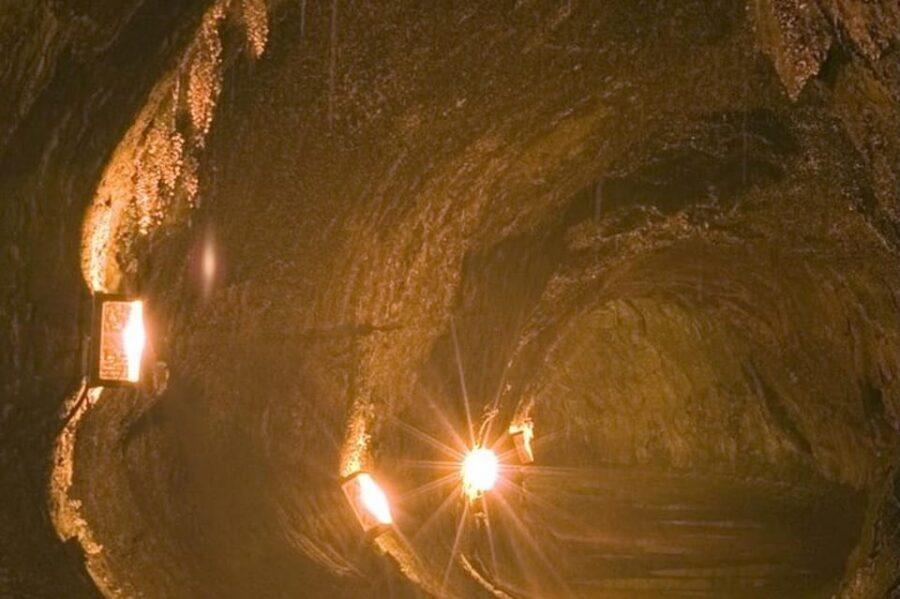
Next up are Punalu’u’s black sand beach area and the steam vents exploration. This is the moment when the tour really starts to feel like a front-row seat to Hawaii’s power.
The Punalu’u black sand experience is visually striking, but the bigger value is what it represents. Black sand on this island ties right back to volcanic activity and how older and newer materials get redistributed over time. You don’t need a geology degree to appreciate it—you just need someone pointing out what you’re looking at, and that’s where the guide matters.
Then you move to active steam vents. These vents give you a direct sense that the planet underneath is still working. Even when the day is not centered on dramatic explosions, steam is a clear reminder: Kilauea’s activity isn’t only fireworks. It’s heat, pressure, and continuous change.
Expect this segment to be a sensory one. You may smell sulfur, notice the ground feels different near vents, and feel the temperature shift compared with the road. Bring sunglasses and sunscreen too—sun can hit hard in Hawaii, and the vent area can be bright and exposed.
One small reality check: if you’re hoping for constant visible eruption, set your expectations accordingly. Kilauea is active, but eruptions aren’t guaranteed on any particular tour day.
Hawaii Volcanoes National Park: make the island timeline click
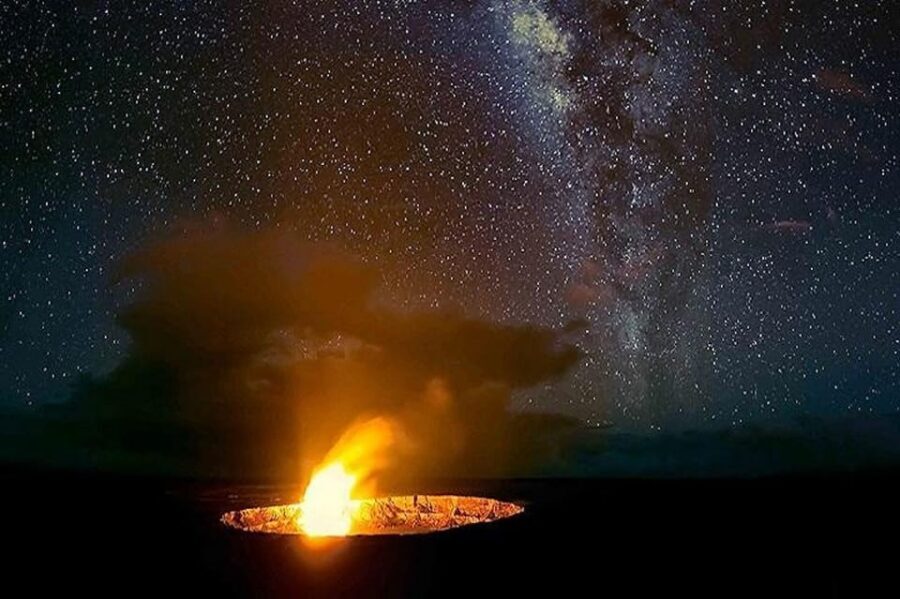
Once you’re at Hawaii Volcanoes National Park, the goal shifts from seeing volcanic features to understanding them. That’s why the tour includes the Kilauea visitor center.
I love visitor centers on geology trips because they give you the chronological framework. You’ll learn about how the island chain formed and how volcano activity changes through time. Instead of just watching scenery, you start thinking in sequences: older landscapes, newer landscapes, and the reasons behind the patterns.
The park visit also includes seeing more than one volcanic highlight, including the idea that Hawaii Island includes the youngest volcanic activity alongside older volcanoes. The tour is designed to show you the power behind Kilauea and also connect it to the other volcanic features on the island.
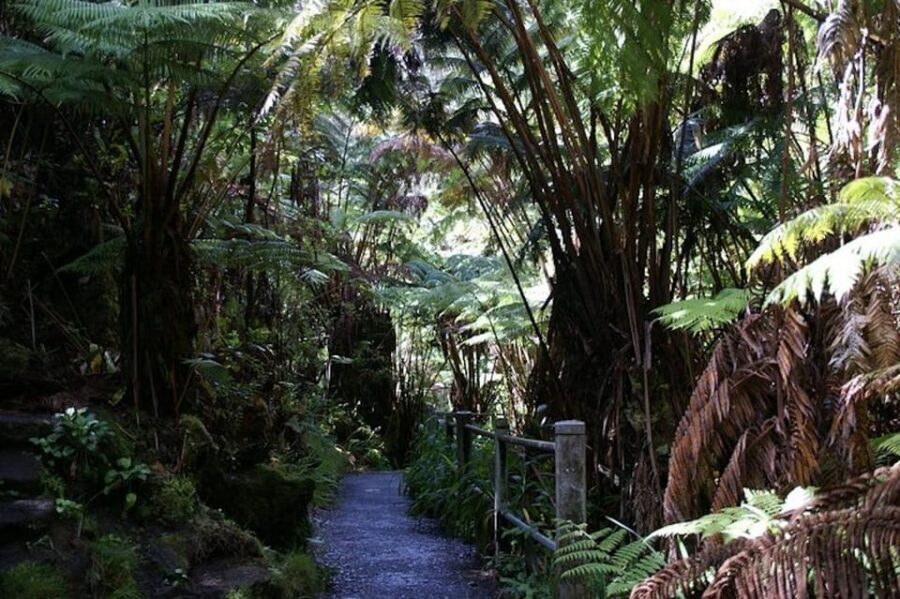
Here’s what to watch for: not every day will look the same. Some routes and viewpoints can be under maintenance or updated in real time, and conditions can shape what’s accessible or what you notice most. If you came hoping for thick rainforest-style visuals, you might find the day focuses much more on volcanic formations than lush jungle.
Still, the park is the right place to learn the big story, because it’s built for exactly this kind of observation—moving from signposts and exhibits to physical formations you can stand near.
Thurston lava tube: seeing cooled lava from the inside
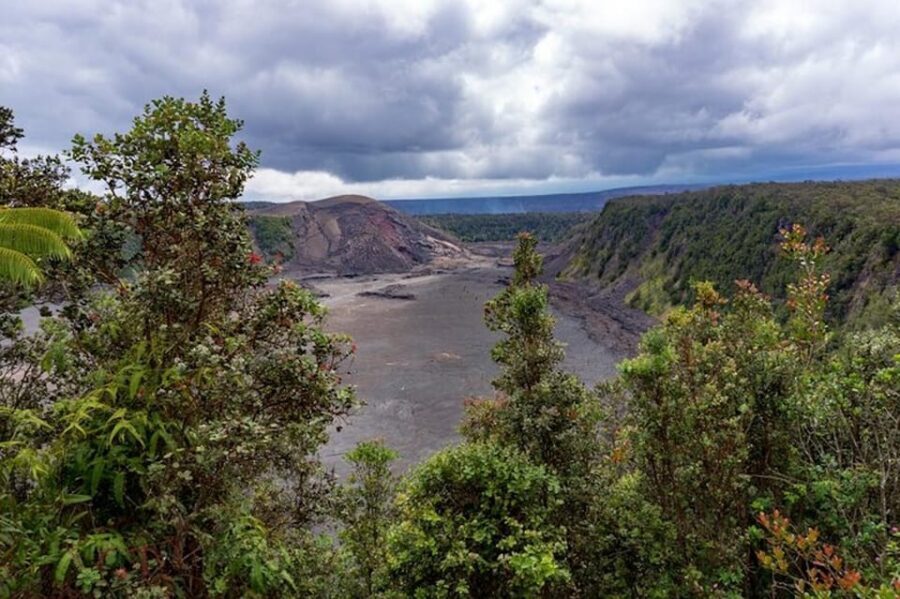
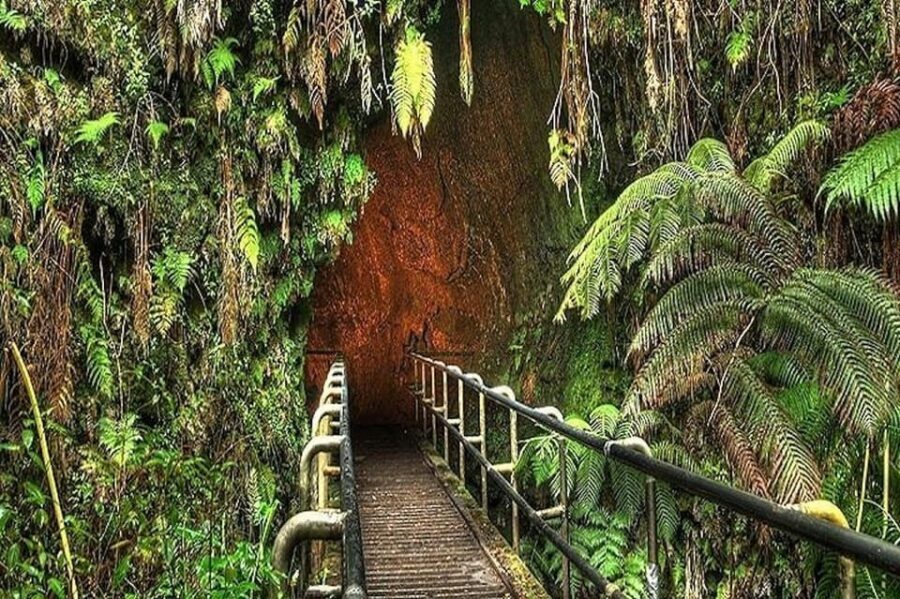
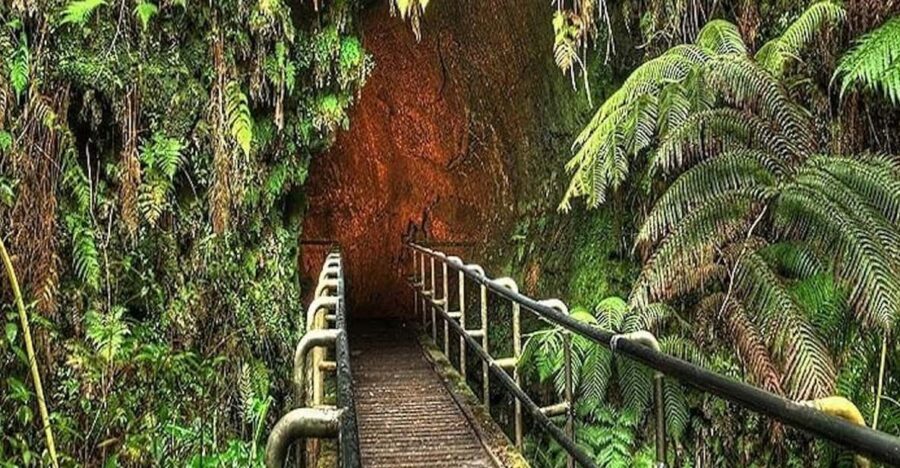
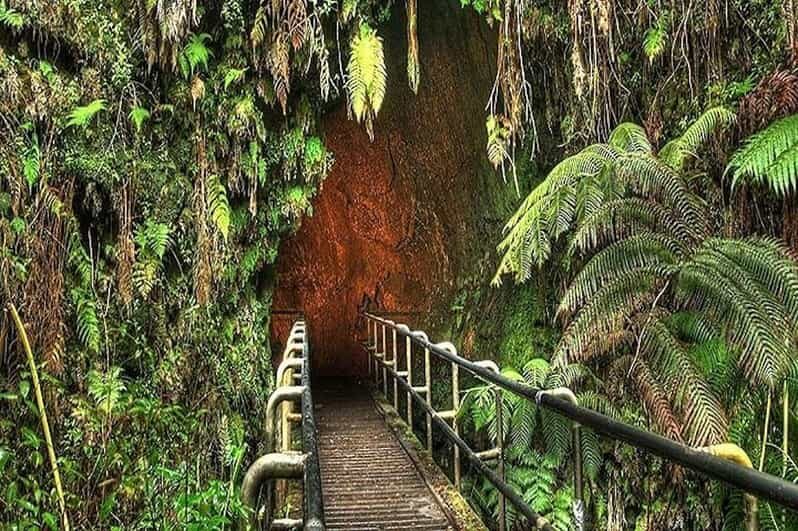
The highlight that many people remember most is the Thurston lava tube visit. This is one of those experiences where scale and reality hit fast, because you’re not only looking at lava—you’re walking through something lava created.
A lava tube forms when molten rock flows and the outer surface cools while the interior remains hot and continues moving. Later, the liquid drains away, leaving a hollow channel. Standing inside one makes that process easier to picture than any photo.
Practical guidance: wear shoes with solid grip. Lava tube areas can be uneven and you’ll want to move carefully. Bring your camera, but also take moments without it—this is the kind of place where the atmosphere changes as you go farther in.
The tube experience also helps the rest of the park make more sense. After you’ve seen how lava can leave a structure behind, other volcanic features start to connect logically.
The guide can make or break your day
This tour lives or dies by the guide, and the strongest praise here goes to guides who can translate what you’re seeing into clear, practical explanations.
Some guides you may encounter include Henry, Mel, and Mia, and there’s clear evidence they’re engaging and good at turning the drive into learning time. One guide, Henry, was praised for being local and even having prior ranger experience, which is the kind of background that usually leads to better explanations about what’s happening in the park.
What I like about this style of guiding is that it’s not only facts on a screen. It’s explanations tied to actual viewpoints as you go. You’ll also hear personal touches, which can make the day feel less like a lecture and more like someone showing you what they care about.
One more note: the park details and any additional spots can vary. That’s normal on a live guided tour, and it’s another reason a good guide matters. They can respond to conditions and still keep the geology story on track.
Weather, timing, and what to bring so you’re comfortable
You’re on Hawaii’s Big Island for a full stretch of the day, and you’ll likely move between bright outdoor sun and cooler indoor stops like the visitor center. Pack for comfort and practicality.
Bring:
- Comfortable shoes
- Sunglasses and a hat
- Sunscreen
- Camera
- Snacks (meals aren’t included)
- Weather-appropriate clothing
- Cash (useful for optional purchases)
- Sunscreen and water habits you like
Not allowed in the vehicle:
- Drones
- Smoking
- Coolers
- Alcoholic drinks
- Bare feet
- Unaccompanied minors
- Scooters
If you’re traveling with a smaller bag, you’ll be happier. You’ll want hands free for photos and safe footing at volcanic areas.
Price and value: what $205 really covers
At $205 per person, this isn’t the cheapest way to see Big Island volcano highlights—but it also isn’t a bare-bones transfer. The price includes:
- Pick-up and drop-off in the Kailua-Kona area
- Kona town and the Kona coffee belt
- Punalu’u bakery and Punalu’u black sand beach visit
- Active steam vents exploration
- Hawaii Volcanoes National Park admission
- Thurston lava tube
- Kilauea visitor center time with a live English guide
What’s not included:
- Meals
- Parking fees
So the value mostly comes from two things: transportation + expert interpretation. If you try to DIY this route, you can spend hours planning, driving, and trying to match viewpoints to the right explanations. Here, the guide handles the connections and you get a structured day with the key components included.
Also, small group size matters for value. Up to 14 participants means less waiting and more opportunity to ask questions when something clicks—or when something doesn’t.
Who should book (and who should skip)
This tour is a strong fit if you want:
- A guided, geology-focused day that still includes local culture (coffee and bakery)
- Easy logistics with Kona pickup and drop-off
- A small group setting rather than a crowded bus day
- The chance to see both active volcano context and a specific formation like the lava tube
It’s not for you if:
- You’re pregnant, have back problems, mobility impairments, heart problems, or you’re a wheelchair user
- You need fully accessible touring options for safety and comfort
If those restrictions apply, you’ll be happier choosing a different tour format that can better match your needs.
Should you book this Hawaii Volcanoes National Park tour?
I’d book it if you want the most sense-making day possible on the Big Island. The combination of Kona, the Kona coffee belt, Punalu’u food and black sand, and then the jump into Hawaii Volcanoes National Park creates a full island story instead of a scattered day.
I’d also go if the idea of standing inside the Thurston lava tube is on your bucket list. That one stop has a way of turning abstract lava talk into something you can feel under your feet.
The main reason not to book is if you need a lighter day or if health and mobility restrictions make a long, guided excursion risky. And if your fantasy is nonstop eruption visuals, don’t count on that. You’re visiting an active area, not a timed fireworks show.
If you want Kilauea and the island chain explained clearly, in a schedule that actually flows, this is a solid choice.
FAQ
How long is the Hawaii Volcanoes National Park Tour from Kona?
The tour duration is listed as 12 hours.
Do I get pick-up and drop-off in the Kona area?
Yes. Pick-up and drop-off service is included in the Kailua-Kona area. If you fly into Kona International Airport, you meet at the lot behind Alaska baggage claim B-2.
What’s included in the tour price?
Included items are Kona, the Kona coffee belt tour, Punalu’u sweet bread bakery visit, Punalu’u black sand beach visit, active steam vents exploration, Hawaii Volcanoes National Park admission, Thurston lava tube visit, and the Kilauea visitor center, plus pick-up and drop-off.
Are meals included?
No. Meals are not included, so plan for lunch or snacks on your own.
Is there a group size limit?
Yes. This is a small group limited to 14 participants.
Are parking fees included?
No. Parking fees are not included.
Is this tour suitable for wheelchair users or people with mobility impairments?
No. It’s listed as not suitable for wheelchair users and people with mobility impairments.