REVIEW · MAUNA KEA
MaunaKea Summit SUNSET and Star Tour with Photo
Book on GetYourGuide →Operated by Hawaiian Eyes Tours · Bookable on GetYourGuide
Starry skies start with a cold mountain. This Mauna Kea sunset and star tour pairs a 4×4 summit ride with free DSLR photos you get at the end. You’ll also get real stargazing time with a telescope and guide-led star talk, right after you come back down from elevation. The main drawback to plan around is that the altitude is no joke, so this one is not for everyone.
What I like most is the way the tour builds in comfort and timing. You start with an easy pickup, then you acclimate at the visitor area before the big push upward. Another highlight is how your guides handle photos for you, so you’re not stuck juggling a camera while the sky does its thing.
There is also a weather reality check. Sunset and star visibility are not guaranteed, and moon phase can make the sky look less dramatic than you hoped.
In This Review
- Key things I’d prioritize before you book
- How the 8-hour Mauna Kea sunset day really works
- Pickup, visitor-center acclimation, and getting properly dressed
- The 4×4 summit road: what it means at 13,800 feet
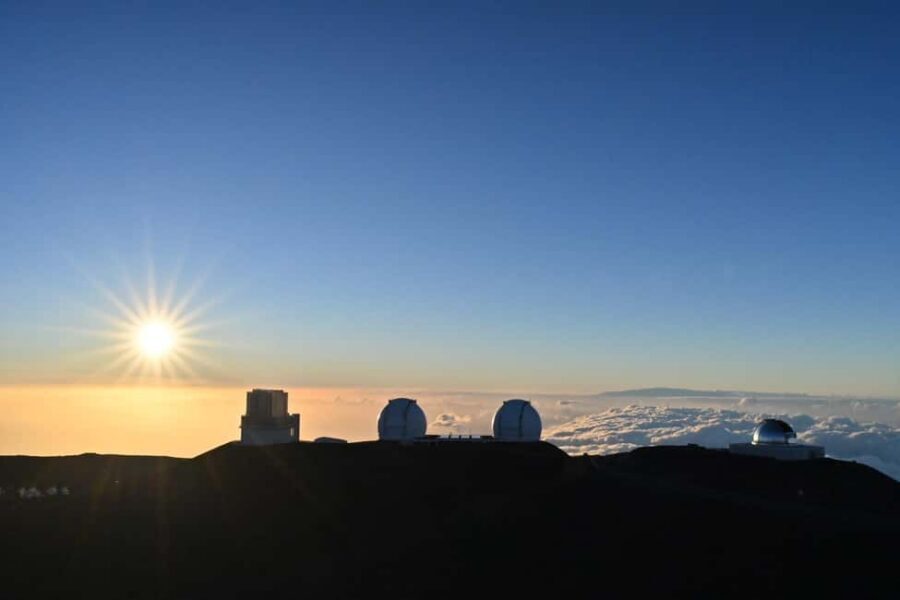
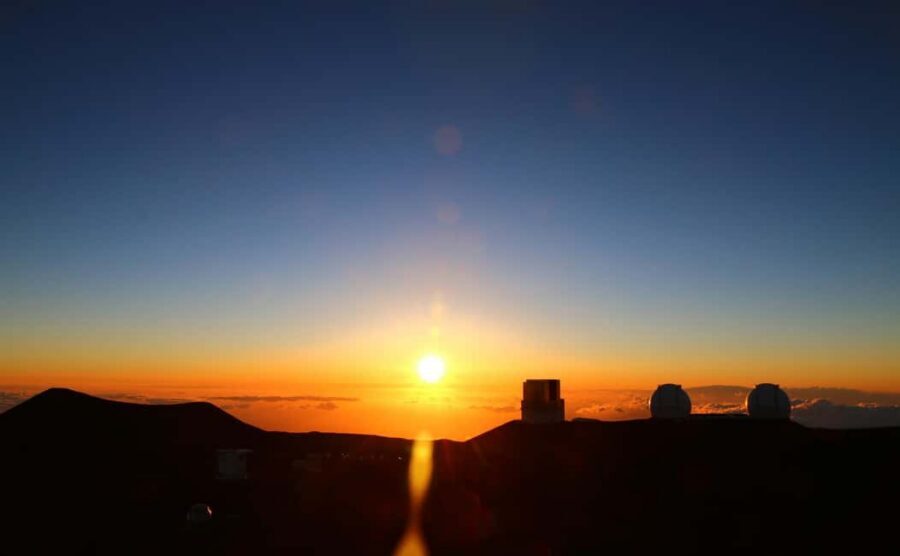
- Sunset at the summit: photos, posing, and the timing payoff
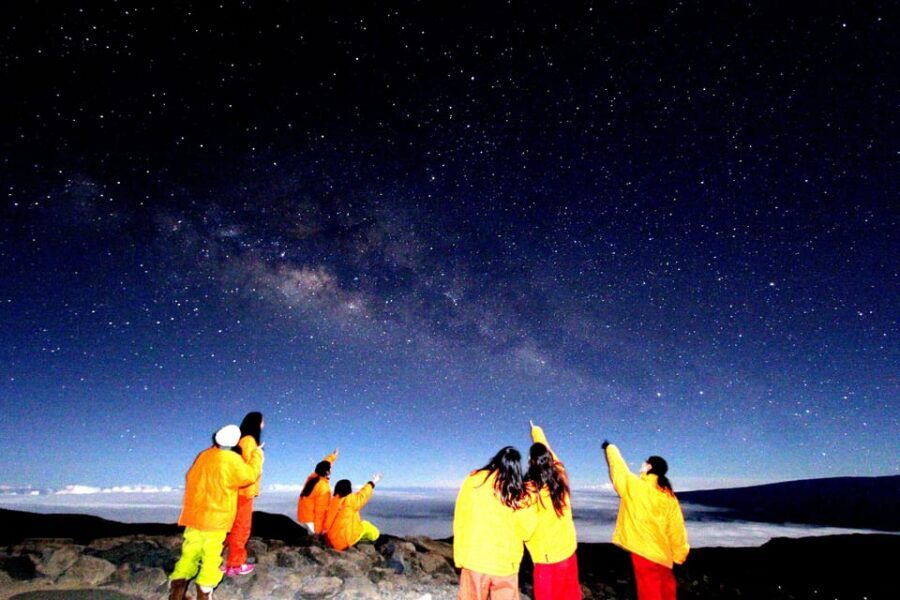
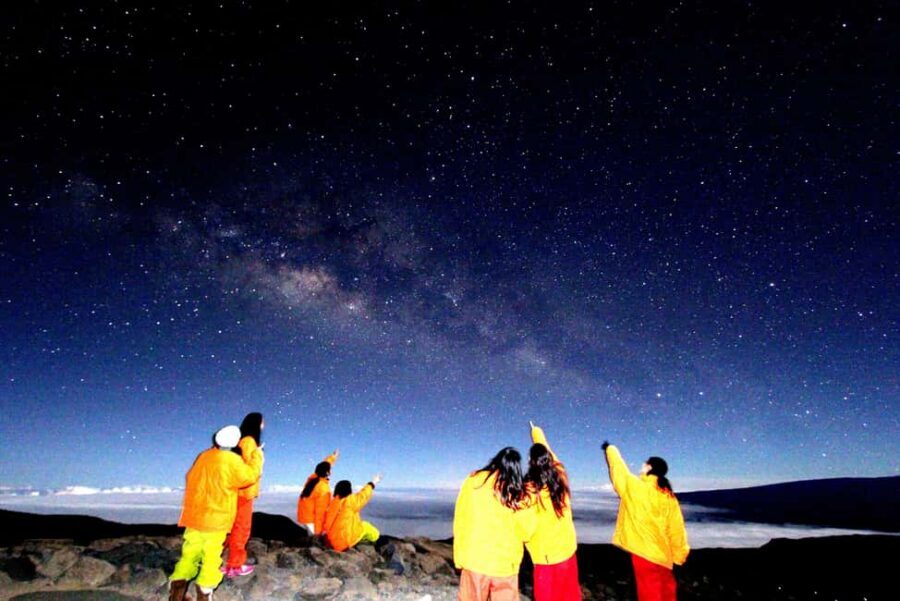
- Stargazing from around 12,000 feet: telescope time and planet spotting
- Value and the real reason this costs $260
- Which guides make the day feel easy (and why you’ll care)
- Who should skip this tour (altitude and body limits)
- Should you book the Mauna Kea sunset and star tour with photo?
Key things I’d prioritize before you book
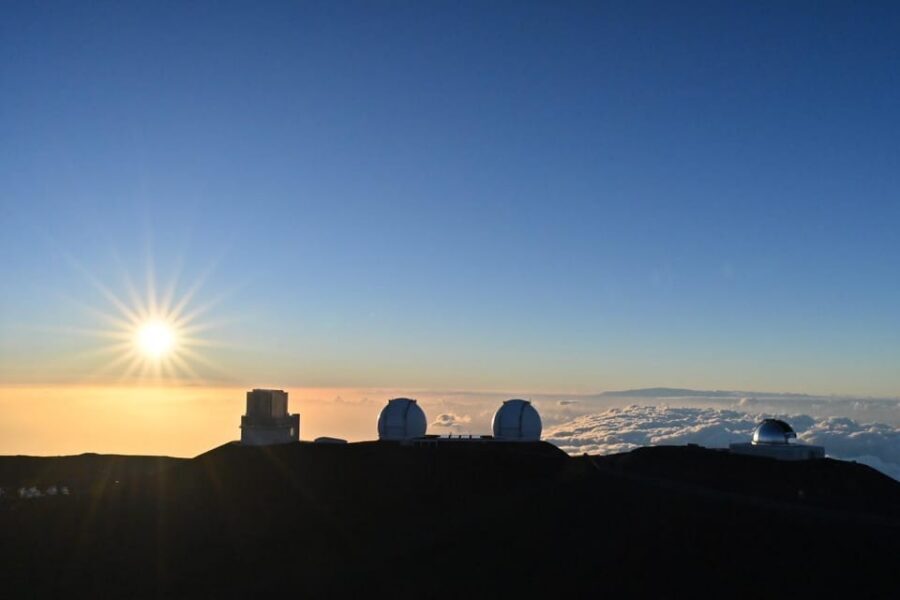
- Summit timing: You reach the top about an hour before sunset, which helps you avoid the scramble.
- Warm gear included: Snow parkas, ski pants, and gloves are provided, so you can travel lighter.
- DSLR photo package built in: Your guides take professional shots of you at both sunset and night.
- Telescope + laser pointer: You’re shown what to look for, including planets when conditions allow.
- Acclimatization time: You stop at the visitor information station to adjust before going higher.
- Safety gear on board: The tour includes an oxygen tank for emergencies.
How the 8-hour Mauna Kea sunset day really works
This tour is designed around one simple idea: you don’t just visit Mauna Kea, you go at the moment when light and night merge into a show. The total time is about 8 hours, and the schedule centers on reaching the summit right before sunset. That means less waiting, more time for photos, and enough darkness left for a solid astronomy session.
You’ll also notice the tour is run like a “mission with comfort,” not a long, informal hike. The ride up is via 4×4 van, you get cold-weather clothing, and you’re guided through posing and timing so the experience stays smooth even when temperatures drop.
If you’re expecting a casual sunset picnic, this is not that. It’s a planned drive, planned photo stops, and planned star time. The upside is you’re not left guessing what to do once you’re at 13,000+ feet.
Pickup, visitor-center acclimation, and getting properly dressed
Your day starts with a meetup at one of the common Big Island convenience spots: Target in Kailua Kona or Queen’s Marketplace in Waikoloa (with specific pickup points including Island Gourmet Markets at the Queen’s Marketplace area, and McDonald’s as an alternate listed option). Either way, you’ll meet your guide and get briefed before heading toward the mountain.
Right after you arrive near Mauna Kea, you change into the provided cold gear. Think snow parkas, ski pants, and gloves. You do still need to bring closed-toe shoes, but you don’t have to pack layers meant for winter conditions you’ve never practiced in. This matters because the climb is not only about height, it’s about cold. Even if you’re used to Hawai‘i beaches, the top of Mauna Kea can feel like you walked into a different planet.
Before going higher, you spend time at the Mauna Kea Visitor Information Station to acclimate. It’s not just waiting around. You get a break, some free time, and access to the gift shop if you want a souvenir or quick snack items. You also stop for a light BLT sandwich (with a vegan option if you need a dietary alternative) either during acclimation or around the summit period, depending on how the timing lines up.
A practical tip: use the time for what it’s for. If you want the best night sky later, treat this stop like a reset for your breathing and energy.
The 4×4 summit road: what it means at 13,800 feet
The main climb is done by 4×4 van up toward the summit area around 13,800 feet. The tour aims to get you there around 60 minutes before sunset. That buffer is key. It gives you time to settle, take in the views, and do the posing your guides will help with using a DSLR camera.
At this elevation, the drive and the cold together can make you feel more sensitive than you expect. You might feel wind-chill more than you’re used to, and you may notice breathiness just from being higher than your body is comfortable with.
One practical note from the vibe of the experience: the van ride can feel tight, especially with a full group and backpacks. If you’re bringing a lot of gear, keep it compact so you’re not wrestling your stuff while you’re trying to stay comfortable.
This is also where the tour’s safety-minded design shows. The included oxygen tank for emergency is part of the package, which is the kind of detail you appreciate when altitude is part of the plan.
Sunset at the summit: photos, posing, and the timing payoff
Once you’re at the summit road area, the tour becomes a photo-and-view moment. You’ll have time for scenic views on the way, then a summit photo stop where sunset viewing happens.
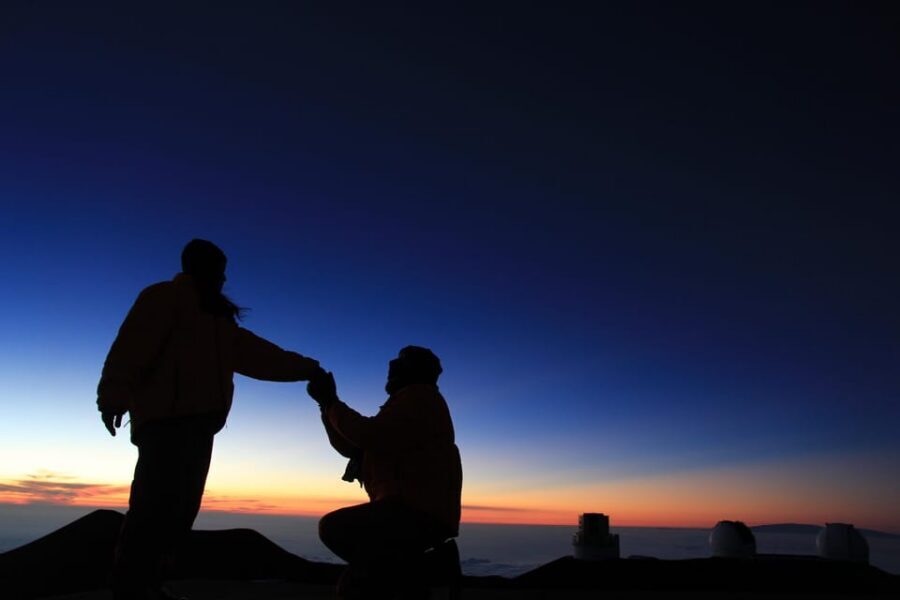
Your guides take professional images during the golden hour using their DSLR camera. You should be ready to pose when asked. That can feel awkward for some people, but it’s also what makes the photo results feel worth it. You’re not relying on shaky phone timing while the sun drops fast.
The tour also includes free photos delivered to you at the end of the day on your smartphone. That part matters for value. You’re paying for a guided experience that includes the hard-to-plan memory part, not just a ticket to a view.
Who tends to love this part: couples celebrating, families wanting a memorable “we were there” shot, and anyone who wants sunset photos without learning camera settings at 13,000 feet.
One consideration: the tour can’t control the sky. Weather can change plans, and moon phase affects what you’ll see later at night. If the day is cloudy or visibility drops, the sunset still gives you something, but stargazing intensity may be reduced.
Stargazing from around 12,000 feet: telescope time and planet spotting
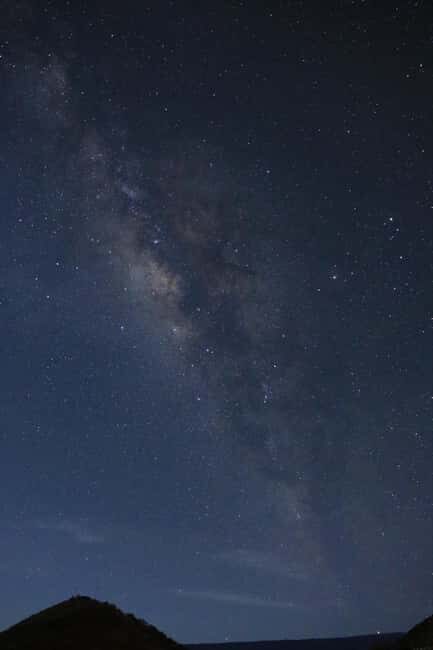
After sunset, you head back down to about 12,000 feet for stargazing. Expect roughly an hour for the night-sky session. This is where the tour shifts from scenic to scientific.
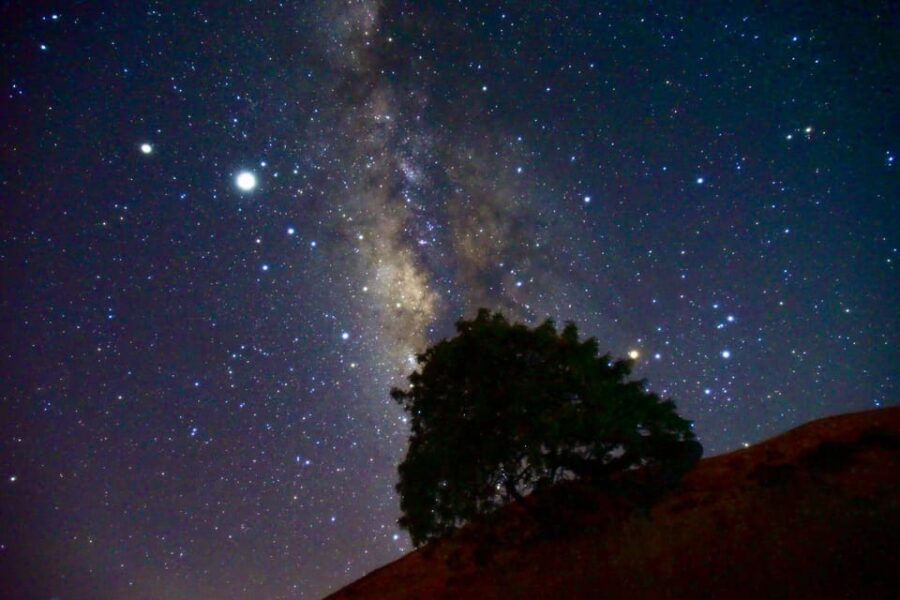
You’ll use a refractor telescope during the session, plus your guide uses a laser pointer to point out what you’re looking at. That combination is a big deal. Telescopes are cool, but without guidance, you can end up staring at the same bright point wondering what you were supposed to see. With the laser guidance, the sky turns into a map instead of a mystery.
On good nights, you may get views of striking objects and planets. In the experience, guides highlight features like Saturn’s moons and help you understand what you’re seeing. Even if you’re not a star chart person, the guide talk makes it easier to connect the view to the names in your head.
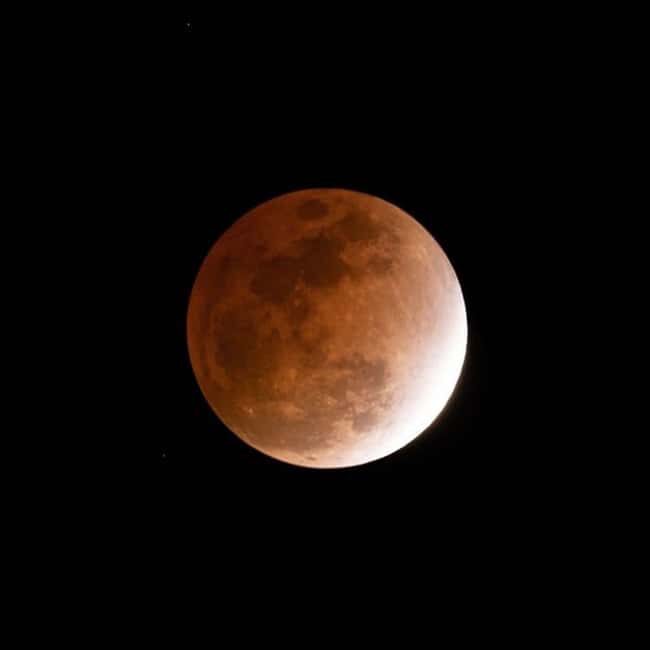
Weather and moon phase again matter. The tour is clear that star visibility is not 100% guaranteed, and the moon’s brightness can wash out some details. Still, when conditions cooperate, this is the part you’ll remember most.
You’ll also have a hot drink during stargazing, which helps with the cold and keeps the session comfortable enough to actually enjoy the sky instead of just enduring it.
Value and the real reason this costs $260
At $260 per person, this tour isn’t cheap. But it also stacks multiple things into one package that you’d otherwise pay for or figure out yourself.
Here’s what’s included that adds up fast:
- Mauna Kea admission fee
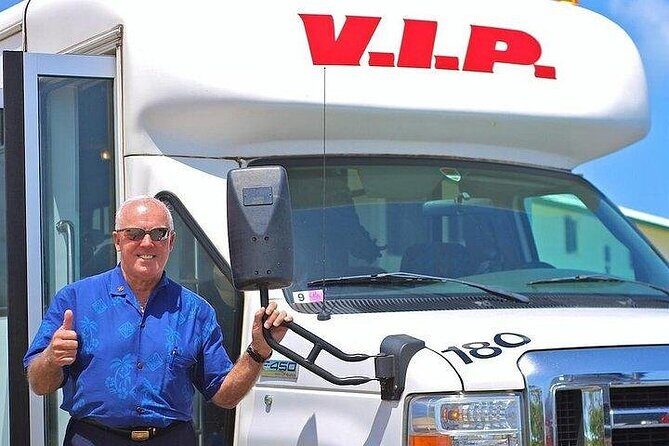
- 4×4 passenger van to the summit area
- Warm weather gear: snow parkas, ski pants, gloves
- BLT or vegan sandwich, plus bottled water
- Hot drink during stargazing
- Telescope use and guide-led astronomy time
- Oxygen tank for emergency situations
- Free DSLR photos at sunset and night, delivered to your smartphone
In other words, you’re not just paying for access to a viewpoint. You’re paying for cold-weather readiness, transportation to a high-altitude site, and an astronomy session that’s guided and photo-supported.
Could the meal be more filling? Some guests have suggested the food could be more satisfying for the price. It’s still a light meal, not a full dinner. If you’re a big eater, plan a proper meal before or after, and treat the BLT as fuel, not a feast.
There are also small comfort ideas that could improve things. Some people have wanted warmer gloves, and a few mentioned the telescope experience could be more modern for sharper planet views. Those are “nice to have” points, not dealbreakers.
Which guides make the day feel easy (and why you’ll care)
The experience quality often comes down to the guide, because you’re dealing with altitude, timing, and the cold. Names that show up in the experience include James, Koki, Wes, and Francis.
What these guides tend to do well:
- Keep you on schedule without rushing you
- Make photo time feel organized, not chaotic
- Explain what you’re seeing in a way that helps you connect the sky to names
- Check in on comfort and safety, especially with altitude
- Help mixed-language groups when needed (for example, English plus Japanese has happened on a mixed group)
A small but useful detail: the tour includes instructions about what to bring and what not to bring, like closed-toe shoes and no smoking or alcohol/drugs. That helps the day stay calm so you can focus on the sky.
Who should skip this tour (altitude and body limits)
This tour has clear limits, and you should treat them seriously. It’s not suitable for:
- Children under 16
- People over 70
- Pregnant women
- People with back problems
- People with claustrophobia
- Wheelchair users
- People with respiratory issues
- People with recent surgeries
- People over 300 lbs (136 kg)
- People who dived within the prior 24 hours
Why so strict? Because the experience involves high elevation (summit area around 13,800 feet) and cold conditions, plus time in a vehicle. If you have any altitude sensitivity or medical restrictions, you should be cautious and consult your doctor before booking.
This is also why I’d recommend the tour mainly to travelers who can handle basic cold-weather clothing changes and don’t mind a structured, somewhat tight ride.
Should you book the Mauna Kea sunset and star tour with photo?
Book it if you want a high-impact Mauna Kea experience with real guided stargazing, summit timing, and photos handled for you. The combination of included warm gear, telescope time, and free DSLR photos delivered to your phone is a strong value proposition for many people. Guides like James and Wes especially seem to make the day feel smooth and thoughtful, with clear explanations and lots of attention to comfort.
Pass on it if you’re worried about altitude, feel uncomfortable with compact van rides, or you’re aiming for a flexible, unstructured schedule. Also skip it if you’re not prepared for the weather uncertainty. Moon phase can change the stars you see, and cloud cover can limit the night show.
If you’re able and eligible, this is one of those Big Island activities that feels designed to give you a story you can actually take home: summit sunset photos, plus a guided night sky you can name instead of just admire.