REVIEW · BIG ISLAND OF HAWAII
Manta Ray Night Snorkel at Kona, Big Island
Book on Viator →Operated by Dolphin Discoveries · Bookable on Viator
Dark water. Giant wings. Real magic.
This Kona night snorkeling trip is built around seeing manta rays feeding after dark in Keauhou Bay, with guides helping you stay calm and positioned for close views. I especially like the quick, efficient outing (about 2 hours total) and the fact that the crew gives hands-on support in the water, even for first-time snorkelers. One drawback to plan for: the ocean is open and at night, and seasickness can hit some people hard.
A good call if you’re comfortable in deep water and can follow safety directions in English. The experience is also a wild-animal encounter, so you can’t guarantee manta sightings on every night, even though the tour is designed specifically for them. And yes, you’ll need to climb back aboard using a metal ladder after your swim.
In This Review
- Key things to know before you go
- Why Keauhou Bay at Night Feels Different
- Price and Value: What $44 Buys You in Real Life
- Check-in to Splash-down: The Real Schedule to Plan Around
- What Equipment You Get (and Why No Fins Matters)
- In-Water Experience: What Seeing Mantas Close Up Actually Means
- The Ocean Reality Check: Safety, Fitness, and Seasickness
- Ride-Alongs: A Smart Option If You’re Nervous in Dark Water
- Group Size and Night Vibes: How It Feels With Up to 28 People
- Who This Kona Manta Ray Night Snorkel Fits Best
- What to Bring and How to Prepare for a Night Swim
- The Bottom Line: Should You Book This Manta Ray Night Snorkel?
- FAQ
- What’s included with the manta ray night snorkel?
- Are fins provided, or can I bring my own fins?
- How long is the tour and how much time is spent in the water?
- Where do I check in, and where does the tour end?
- Do I need swim skills before booking?
- What age and weight limits apply?
- Do I need a passport or English for the tour?
Key things to know before you go
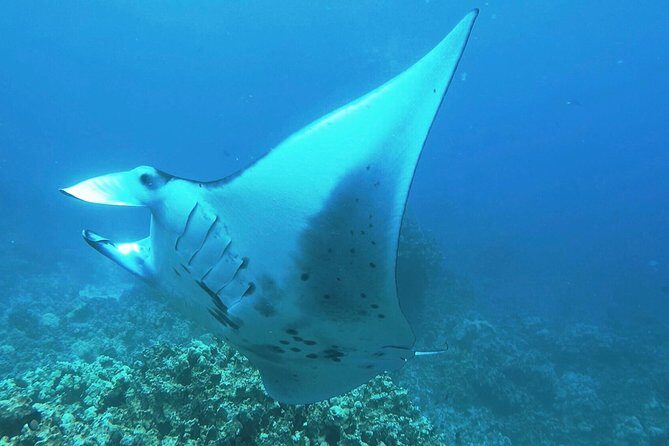
- Keauhou Bay after dark manta feeding means you’re watching behavior, not just swimming near animals
- About 30 minutes in the water focused on viewing time, not a long lesson
- Short-sleeve wetsuit top, mask, snorkel provided (no fins allowed) keeps it simple
- Open-ocean, dark, deep water requires real comfort and solid swimming skills
- Ride-along option exists if you’d rather stay on the boat
- Max 28 people per booking helps keep the group manageable at night
Why Keauhou Bay at Night Feels Different
Kona’s ocean view at dusk is one thing. Kona’s ocean view under night lights with manta rays gliding through your swim space is something else entirely. The whole point of this tour is timing: after dark is when the mantas come in to feed, and you get to watch them behave like they own the place.
What I like most is how the experience is designed around the rays, not around a long activity schedule. You don’t spend the night dragging through multiple stops. You check in, get geared up, and then you’re out there for a concentrated window.
A nice bonus from real-world guide energy: groups have specifically praised how staff keep people calm and organized once it gets dark. You’ll hear safety instructions more than once, and the crew is in the water with you guiding positioning and timing.
Other Manta Ray night snorkel tours in Big Island of Hawaii
Price and Value: What $44 Buys You in Real Life
At $44 per person, this isn’t just a sightseeing ticket. You’re paying for access to the right time and place in the water, plus equipment and live guidance.
Here’s what’s included:
- Manta Ray Night Snorkel or Ride Along (depending on your option)
- Snorkeling equipment: short-sleeve wetsuit top, mask, snorkel
- Snorkel vest support for kids 12 and under (and snorkel vest rental for others)
And here’s what you’re not getting:
- Towels
- Hotel pickup/drop-off or private transportation
- A private tour
That matters for value. This tour keeps costs down by not running a full transportation network, but it does give you the gear and the guided viewing window. If you already have your own mask or wetsuit, you still may find it easier to let them outfit you for the night conditions.
It’s also a short outing. With 2 hours total and about 30 minutes in-water, the time-to-manta-rhythm is fast, which is great after a long day on the Big Island.
Check-in to Splash-down: The Real Schedule to Plan Around
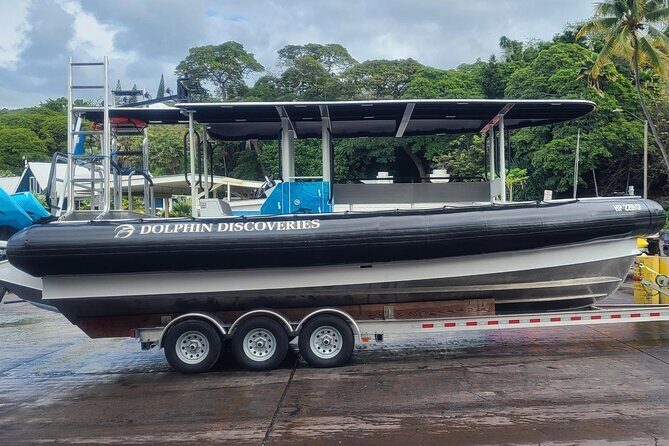
This tour is full of details that can trip you up if you show up casually. Here’s the key point: the tour time you see is check-in time, not departure time. Departure happens 1 hour later.
Even more important: the departure location is about 1.4 miles from the check-in spot. So you’re not just walking out the door and jumping on a boat. You’ll drive or transfer yourself between those points.
From the on-the-ground experience, expect a sequence like this:
- Check in at Dolphin Discoveries at Boutique78 (on Ali‘i Dr, Suite F-146, Kailua-Kona)
- Sign an electronic waiver (required)
- Get fitted for your snorkeling gear and wetsuit top
- Receive a safety and timing briefing
- Move to the departure point and board
- Swim/snorkel during the viewing window
- Return back to the meeting point area
Also note the timing rule: don’t arrive early to check-in. You also must be at the departure location 20 minutes prior to departure. At night, those minutes feel like a lot, so I recommend building in buffer time for parking and walking.
What Equipment You Get (and Why No Fins Matters)
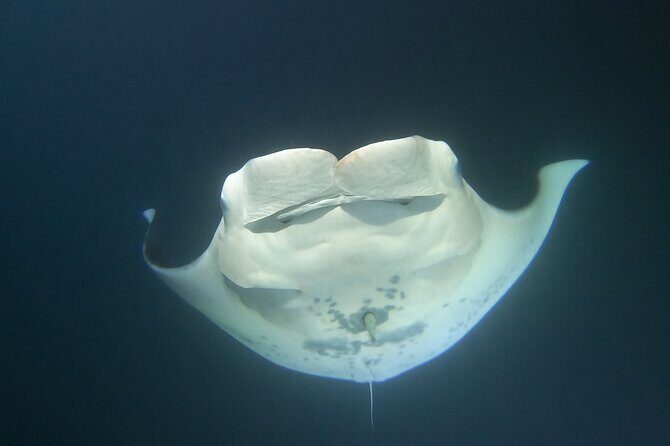
You’ll get a short-sleeve wetsuit top, a mask, and a snorkel. That’s designed for comfort in water that’s cool enough to need something, but not so cold that you’re wearing a full suit.
One rule changes how you think about swimming: no fins allowed. The staff provide the rest of what you need, but you’re moving with your body and your arms, and you’ll be using a lighted float/board system while you’re in the water.
That float system is part of what makes first-time snorkelers feel supported. But it also means you should be ready for some arm work. Several people mention that you do need upper-arm strength to hold onto the board comfortably.
If you’re the type who always chooses the easiest path in water, this is still doable. But if you’re expecting a leisurely fin-kick drift, you might be surprised by the physical feel.
In-Water Experience: What Seeing Mantas Close Up Actually Means
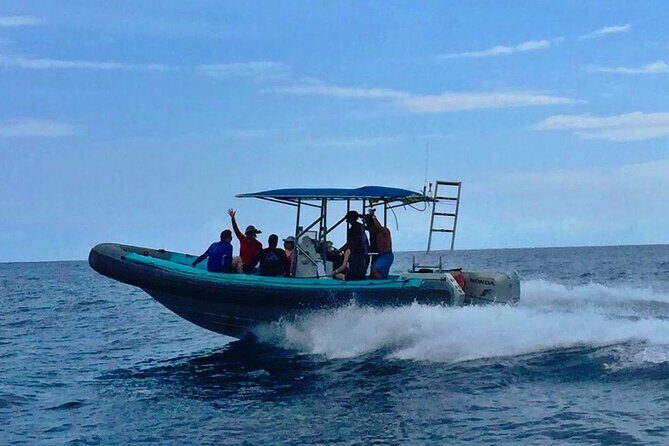
The manta-ray viewing happens in Keauhou Bay, where the rays feed after dark. Your job in the water is to hold your position, breathe steadily, and watch for movement patterns coming toward the light area.
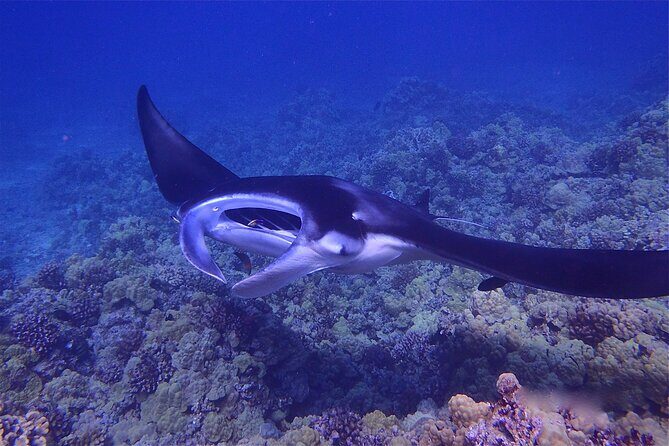
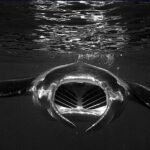
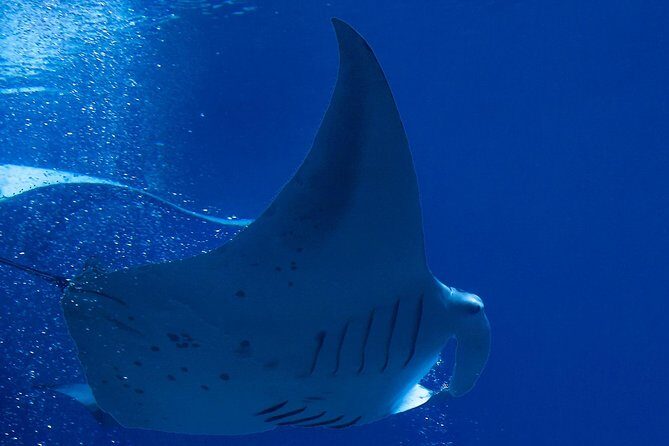
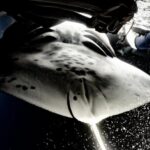
This is where the tour earns its high scores. People describe the mantas as much bigger and closer than expected. Some accounts mention the rays coming in with inches-level proximity at times, and watching them glide and barrel roll through the lit water feels almost unreal.
You should also expect a guided viewing flow. Guides help reposition you during the swim window. Several people specifically praised guide support and reassurance, especially when the water is dark and the animals are large.
Guide names that have shown up in successful experiences include Vinny, Brianna, Bryce, and a guide whose name was heard as something like Ko‘i (spelling can vary). Different nights, different people, same goal: you leave feeling safe and amazed.
Other evening experiences in Big Island of Hawaii

The Ocean Reality Check: Safety, Fitness, and Seasickness
This is open-ocean snorkeling at night. That’s not a small detail. The tour requires swimming comfort and the ability to tread water. You also need to be comfortable in deep, dark water and able to listen and obey safety instructions.
There are also health filters. This tour is not for people with neck or back problems, major medical conditions, or heart conditions. If you have anything that affects your ability to swim steadily or follow instructions quickly, you should think twice.
Then there’s the issue that shows up in a few accounts: seasickness. One report described getting extremely nauseated both on the boat and while in the water, with other people vomiting off the side. That doesn’t happen to everyone, but it’s common enough that you should plan.
My practical advice:
- If you’re motion-sensitive, bring a seasickness plan with you.
- Keep expectations realistic. Ocean conditions can make the experience feel more strenuous than the description suggests.
- If you start feeling unwell, tell the crew early. You can go back aboard rather than pushing through.
Finally, boarding logistics are part of the experience. You must be able to climb up a metal ladder resting on a pontoon to get back into the boat. The tour also has a weight limit of 285 lbs.
No restroom is available on the boat either, so take care before you board.
Ride-Alongs: A Smart Option If You’re Nervous in Dark Water
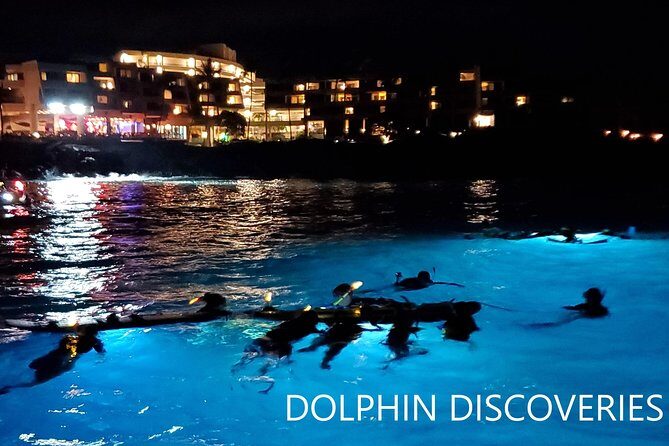
If you don’t want to snorkel, there’s a Ride Along option. Ride-along passengers stay on the boat and may or may not see manta rays.
This option matters for two types of situations:
- If you’re nervous about deep, dark water
- If you want to keep things simple and reduce the chance of panic in the ocean at night
It’s also a way to avoid the swim requirement entirely, since snorkeling experience is required for the snorkel option. Some people even choose ride-along as a backup in case conditions don’t feel right once they’re out there.
One more note: ride-along is described as a paid ticket that’s essentially a reserved seat at a discounted rate, so it’s not just a casual extra. If you want the boat option, select it upfront.
Group Size and Night Vibes: How It Feels With Up to 28 People
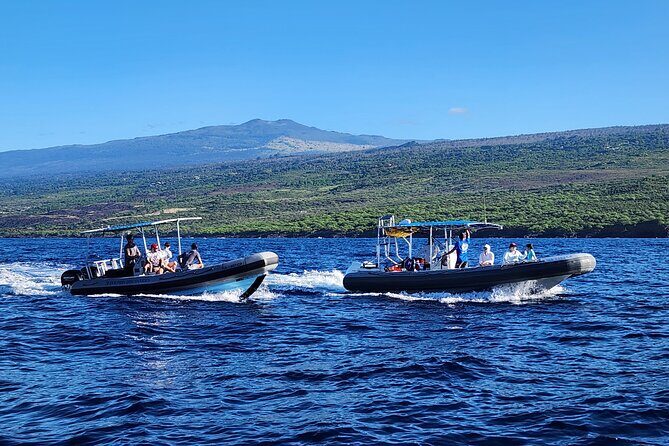
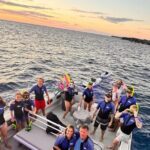
You’re in the water with a group, and the experience is capped at 28 people per booking. That helps keep communication manageable and means you’re not fighting for attention in the dark.
Still, the real-world vibe depends on who else is on the water. A couple of accounts mention communication challenges for people who didn’t understand English well enough to follow instructions quickly. Another account praised the crew for calming fears for kids and first-timers.
So here’s my suggestion: if English isn’t your strong suit, don’t assume you’ll catch every instruction by context. Go in knowing you’ll need to watch the guide’s movements closely and be ready to ask for clarity before you enter the water.
Who This Kona Manta Ray Night Snorkel Fits Best
This trip is a strong match for animal lovers who want a close-up encounter with real behavior. It’s also a good fit if you enjoy nighttime activities and you can handle open-ocean conditions.
You’ll likely enjoy it most if you:
- Know how to swim and can tread water
- Are comfortable in deep, dark water
- Like guided experiences where safety is taken seriously
- Want a short, high-impact excursion rather than an all-day plan
It may not be a good match if you:
- Are afraid of the dark or large animals
- Have heart issues or significant medical conditions
- Have neck/back problems
- Get very seasick in boats
Kids can go, with a minimum age of 6 and maximum age limit up to 70. Children under 12 get a snorkel vest. But night snorkeling can scare kids, and crying children are escorted back aboard with a guardian.
If you’re traveling with mixed comfort levels, the ride-along option can balance the group while still letting everyone participate in the evening.
What to Bring and How to Prepare for a Night Swim
You won’t be outfitted with towels, so plan for drying off and changing after you’re back on shore. A change of clothes is a smart move, especially since you’ll come out wet and it’s dark.
Also plan for a walk and movement between parking, check-in, and boat ramp areas. One account mentioned walking from side-street parking to the boat ramp and then a short stretch to the meeting point. Even if your route is slightly different, you should assume you’ll move on foot at night.
You’ll want to arrive no later than your check-in time and be ready for a briefing. This tour explicitly warns against showing up early to check-in, so follow their timing, not your instincts.
The Bottom Line: Should You Book This Manta Ray Night Snorkel?
Book it if you want the kind of experience that makes you feel close to wildlife in a short, well-run window. People consistently describe the mantas as bigger and closer than expected, and they praise the crew for safety and calm guidance. The $44 price makes sense when you factor in equipment and that concentrated in-water time.
Skip it or choose the ride-along option if you’re not comfortable with dark, deep water, or if you know you get very seasick on boats. This isn’t a risk-free activity. It’s wild ocean time, and the company is clear that manta sightings aren’t guaranteed every night.
If you’re a capable swimmer and can handle night ocean conditions, this is one of the most direct ways to experience Kona’s manta magic at the source, around Keauhou Bay.
FAQ
What’s included with the manta ray night snorkel?
You get snorkeling equipment including a short-sleeve wetsuit top, mask, and snorkel. Snorkel vest support is provided for children 12 and under, and snorkel vests can be rented for others.
Are fins provided, or can I bring my own fins?
No fins are allowed. The tour provides the snorkeling gear listed, but you should not plan on using fins.
How long is the tour and how much time is spent in the water?
The tour is about 2 hours total. You should expect approximately 30 minutes of in-water time.
Where do I check in, and where does the tour end?
Check in is at Dolphin Discoveries at Boutique78-6831 Ali‘i Dr Suite F-146, Kailua-Kona, HI 96740. The activity ends back at the meeting point.
Do I need swim skills before booking?
Yes. Swimming and snorkeling experience are required. You must be able to swim and tread water, and the activity takes place in deep and dark open water at night.
What age and weight limits apply?
The minimum age is 6 and the maximum age is 70. Participants must be under 285 lbs.
Do I need a passport or English for the tour?
International travelers must be able to speak and understand English. The tour is offered in English, and you must also sign an electronic waiver before joining.