REVIEW · BIG ISLAND OF HAWAII
Glow of the Deep: Night Snorkeling with Manta Rays
Book on Viator →Operated by Bite Me Sportfishing · Bookable on Viator
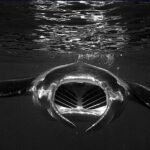
Manta rays at night feel unreal. This Kona activity turns the water into a glowing feeding zone, where guides use a light board to help you watch giant manta rays sweep through their nighttime habitat while you enjoy a Kona sunset from the boat first. The whole thing has a calm, respectful rhythm: you float, watch, and follow your guides as the rays rise and loop like they’re choreographed.
I also like the practical setup. You’ll get wetsuit and snorkel gear plus flotation, and there’s a clear option to stay on the boat if you’d rather not enter the water. If the mantas don’t show up, the tour includes a guaranteed manta sighting or a voucher for an extra tour.
One real consideration: it can get cold, especially in the winter, and you must know how to swim to join the water part. If you’re prone to sea sickness or motion sickness, plan ahead, because waiting for your stomach to settle while you’re floating at night is not how you want to spend your time.
In This Review
- Key things that make this manta night special
- Getting to Honokohau Harbor and getting geared up fast
- The Kona sunset boat ride: where the mood sets in
- Stop 1: Ocean Encounters and the rhythm of the manta habitat
- The light board setup: how you actually get close at night
- Swimming for 45 minutes at 30 to 35 feet: what that feels like
- Meet the crew: the human factor that makes it work
- Cold water, sea sickness, and crowding: the things to plan for
- Cold water
- Sea sickness
- Crowding and pace
- Value check: is $80 worth it?
- Who should book this manta ray night (and who should choose differently)
- Should you book Glow of the Deep: Night Snorkeling with Manta Rays?
- FAQ
- How much does Glow of the Deep: Night Snorkeling with Manta Rays cost?
- How long is the tour?
- Where does the tour start?
- Do they provide snorkeling gear and a wetsuit?
- Do I need to know how to swim?
- Can I stay on the boat instead of entering the water?
- How deep is the water where you snorkel?
- Is a manta ray sighting guaranteed?
- Is hotel pick-up included?
- What happens if the tour is canceled due to weather or other reasons?
- What is the cancellation window for a full refund?
- What should families know about children?
Key things that make this manta night special
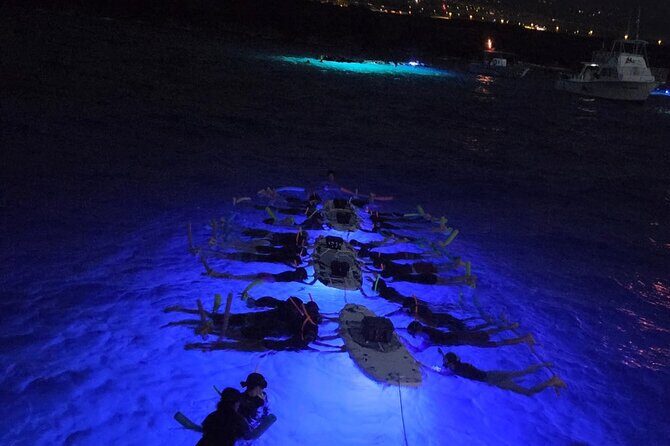
- A custom light board puts the mantas’ feeding behavior in clear view for close, slow watching
- Swim or ride along so you’re not forced into the water if you’re nervous
- About 45 minutes in the water at 30 to 35 feet deep, with guides supervising
- Winter cold is real, but wetsuit gear and wetsuit jackets help you stay in it
- Max 30 travelers, so it’s not a tiny private deal, but it’s capped
Getting to Honokohau Harbor and getting geared up fast
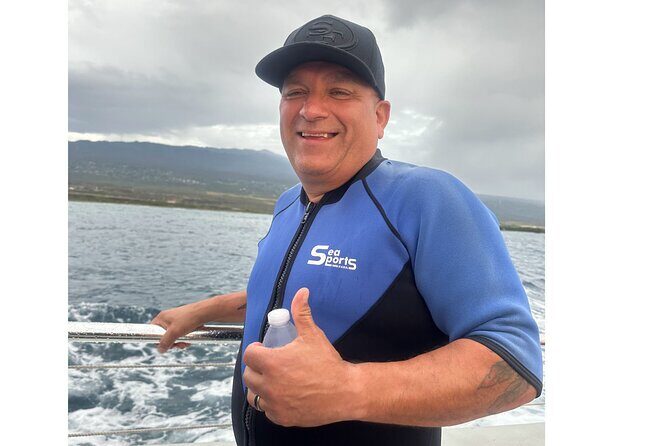
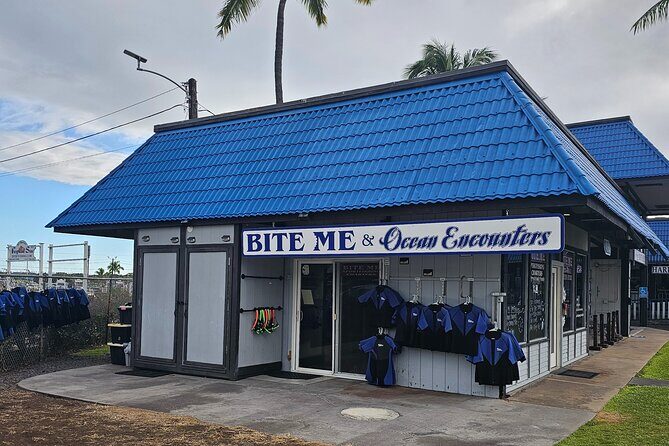
Most people start at Bite Me Sport Fishing near Kealakehe Pkwy in Kailua-Kona, and the tour itself is run out of the Honokohau Harbor area. The flow is simple: you check in, get fitted for snorkeling gear, then you head out to sea. You’ll also get a mobile ticket, so have your confirmation ready on your phone.
The helpful part for your comfort is the gear plan. You’re provided with wetsuit material plus snorkel equipment and flotation support (including a swimming noodle). That matters because night snorkeling is already a little awkward. You don’t want to be wrestling with a fit, fogging a mask, or second-guessing how you’ll hold your position while the water is moving.
The tour asks that you can swim, which is fair. It’s not just a scenic boat ride; you’ll be in open water with floating gear, and guides need to be able to work safely with you. If you’re not a confident swimmer, the bright side is that there is a ride-along option so you can still join the experience from the boat.
If you’re bringing kids, plan for close supervision and the right safety gear. Children must be accompanied by an adult, and children under 5 must provide their own life vests.
Other Manta Ray night snorkel tours in Big Island of Hawaii
The Kona sunset boat ride: where the mood sets in
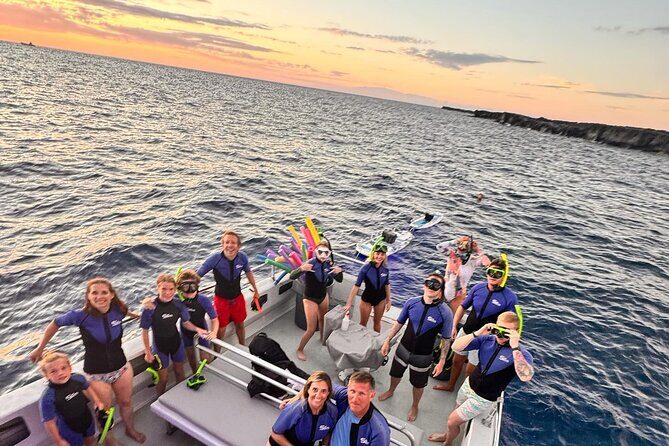
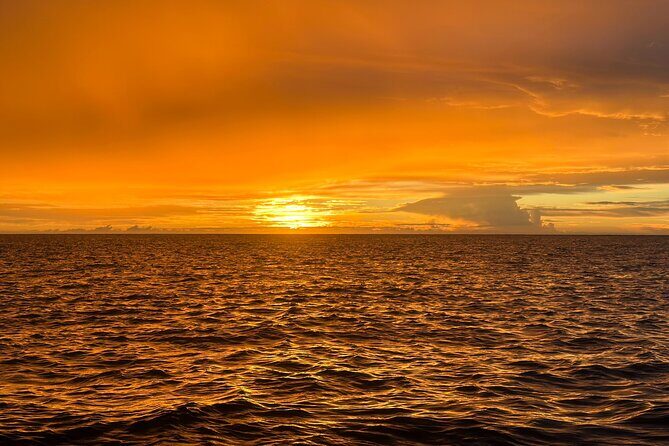
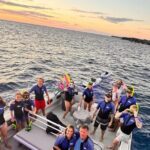
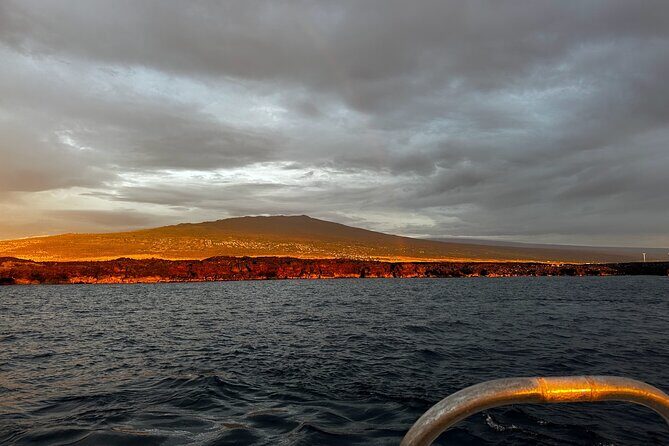
You don’t jump straight into the water. You’ll load onto a spacious vessel that includes a top observation deck, a large cabin, and an onboard bathroom. That deck is where the Kona sunset happens, so you get a payoff even before the manta moment.
The timing shifts with the season, because departure is based on sunset. You’ll typically see start times like 5:30 PM or 8:30 PM in Jan to Mar, 6 PM or 9 PM in Apr to Sep, and 5 PM or 8 PM in Oct to Dec. If timing matters for your day plan, call ahead about 24 hours before you go to confirm your exact departure window.
One small practical note: you might be out a bit from shore. A guest mentioned the boat drive was about 20 minutes from land. So treat this like a real night ocean outing, not a quick hop on and off.
Stop 1: Ocean Encounters and the rhythm of the manta habitat
This outing centers on one main ocean experience, and the sequence usually goes like this: offshore travel, sunset viewing, gear setup, then the snorkeling session.
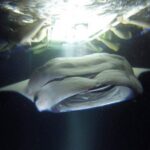
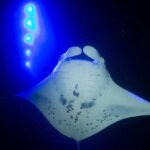
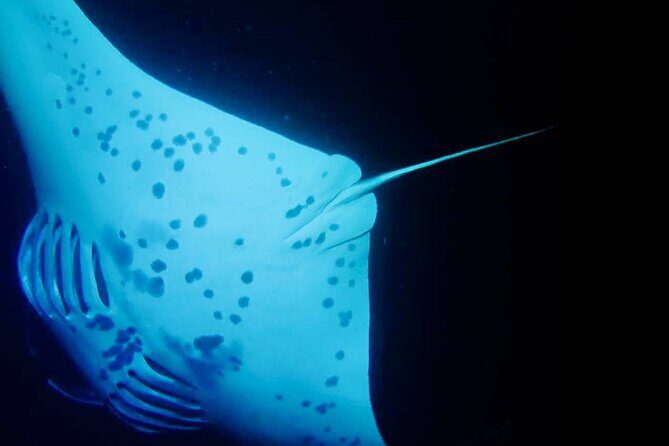
Once you reach the manta area, you’ll get ready in your wetsuit, put on snorkel gear, and clip into the flotation setup. The guides set up a lighting system that attracts and helps reveal the rays. You’ll float and watch as mantas feed on plankton, with the goal being passive, respectful interaction rather than touching or chasing.
There’s a strong safety and supervision component built into the format. You’ll snorkel at about 30 to 35 feet (roughly 9 to 10 meters), and you’ll be in sight of the shoreline. You’re supervised by an experienced guide, and the crew organizes the action so mantas can come in naturally.
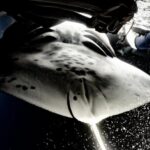
Also worth knowing for your confidence: manta rays don’t have barbs or teeth. They’re big, but the way you interact is controlled and non-contact. Their wingspans can range from about 4 to 12 feet, and their weight can be hundreds of pounds, but the viewing setup is designed for calm floating rather than wrestling with anything.
The light board setup: how you actually get close at night
The “magic” here is not just that it’s dark. It’s that the guides use bright lights in a structured way so you can see what’s happening beneath you.
You’ll snorkel with the help of a customized light board, described as using one of the brightest lights in the water. That light becomes a visual anchor. As plankton gathers and the mantas move through the feeding zone, your guides lead you around the habitat so you get different angles without constantly changing your position.
From a viewer’s perspective, the best part is what people repeatedly highlight: close sightings that feel unreal. Many guests describe mantas coming so near that the experience feels face-to-face, and some mention behavior like flipping or looping passes. It’s also why the guides emphasize gentle behavior—when the group is calm and the water stays clean, mantas tend to keep using the surface feeding area.
If you’re someone who likes to understand the “why,” here’s the key: you’re not trying to attract mantas with noise or swimming hard. You’re letting the light guide you to where they already choose to feed.
Swimming for 45 minutes at 30 to 35 feet: what that feels like
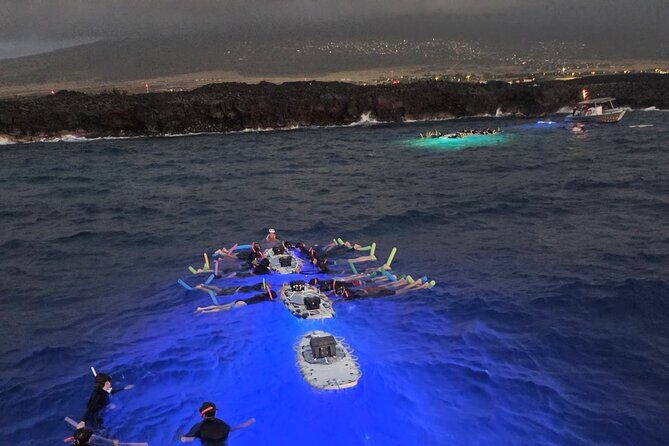
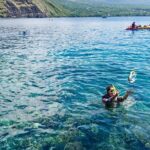
The water time is about 45 minutes, and that’s a realistic chunk of time at night. You’re in roughly 30 to 35 feet deep water, supervised by a guide, and expected to swim well enough to handle yourself with flotation.
So what should you expect in your body?
- You’ll likely feel cold, especially in January and nearby winter months. Even if you’re wearing a wetsuit, floating still cools you down. Guests often call this out directly and recommend warm clothing for after.
- Night snorkeling can feel slow and long. The good part is that slow is what lets you notice manta behavior instead of racing to see something.
A practical tip if you’re planning to film: one guest suggested using a waterproof case for your phone so you can capture video safely. If you do this, think about how you’ll control your hands while you’re floating and how you’ll manage your gear in low light.
Other evening experiences in Big Island of Hawaii
Meet the crew: the human factor that makes it work
This kind of tour lives or dies on crew energy and clarity. The best experiences often come down to patience—especially for nervous swimmers and families.
In feedback, names pop up often enough to give you a sense of who you might run into. Captain Lena and deckhand Mattie are mentioned with warmth for helpful guidance. Other staff names called out include Allie, Rory, Justice, and Laura. Many notes focus on guides who stay friendly in the water, keep an eye on safety, and explain the mantas in a way that sticks.
For families, you’ll also want to know the practical support. There are helpful mentions of crew members making kids feel comfortable and ensuring safe movement on and off the boat. If you’re worried about a child’s comfort, bring extra items that can keep them warm and dry after they’ve been in the water.
Cold water, sea sickness, and crowding: the things to plan for
Now for the part you should not ignore: conditions and group dynamics.
Cold water
Even with provided gear, winter water can feel bone-chilling, especially for anyone who runs cold easily. You’ll likely want warm clothes ready for right after snorkeling—something easy to pull on fast. Wetsuit jackets are provided, and there’s encouragement to bring a sweatshirt, jacket, or a snuggle towel for the ride back.
Sea sickness
If you’re prone to motion sickness, take prevention seriously. One guest specifically advised taking medication before boarding. Also, the operator offers choices like Dramamine for adults and kids, motion sickness patches, and pressure point wrist bands you can purchase at their location. If you know you’re sensitive, don’t wait to see how you feel once you’re already offshore.
Crowding and pace
The group is capped at 30 travelers, and that helps, but it’s still not a private boat. Some negative feedback complains about being rushed or feeling chaotic, and about minimal instructions during the setup. I’d treat that as a reminder: go with a calm mindset, pay attention at the light setup, and ask the crew to explain how you’re meant to hold position and where you’re expected to float.
If you’re picky about your gear fit, consider bringing your own snorkel setup. One unhappy review recommended it after feeling the provided gear handling wasn’t handled in the way they expected. Even if most guests report smooth experiences, your comfort is still your responsibility.
Value check: is $80 worth it?
For $80 per person, the value is strong if what you want is a structured, guided night manta encounter.
Here’s what’s built into the price:
- About 2 hours 30 minutes total time
- Snorkel equipment, wetsuit gear, and flotation support
- Snacks and bottled water
- A professional guide in and around the manta area
- Manta sighting guarantee with a voucher if you don’t see mantas
What’s not included:
- Hotel pick-up or drop-off, so you’ll need to get yourself to the meeting point
The big reason this can be worth it is the access. You’re not just watching from shore; you’re getting into the feeding zone under guided supervision with a lighting setup that helps the rays show their behavior. Add the manta guarantee, and it becomes less of a gamble.
Who should book this manta ray night (and who should choose differently)
This tour fits best if you:
- Can swim confidently enough to snorkel with flotation in open water
- Want close-up manta behavior in a controlled, respectful way
- Enjoy nature guides who teach you what you’re seeing
- Are okay with cold water and night conditions
It can still work for people who don’t want to swim. If you can’t enter the water, the ride-along option lets you enjoy the boat deck viewing and the action from above.
You might think twice if:
- You have severe motion sickness and haven’t used prevention before
- You dislike cold and don’t have warm layers ready for the ride back
- You’re hoping for a slow, low-group, super-instruction-heavy experience every time
One more practical angle: if you’re traveling as a family, tell the crew your comfort level early. The best outcomes come when you communicate needs at check-in and again during gear fitting.
Should you book Glow of the Deep: Night Snorkeling with Manta Rays?
Yes, you should book this if your priority is a guided Kona night manta encounter with real viewing time in the water. The combination of a bright light setup, close manta sightings, and crew supervision is exactly what makes these nights so memorable.
If cold or motion sickness is your weak spot, plan smart before you go: bring warm dry layers for after, use motion-sickness prevention if you need it, and be ready for the water to feel colder than you expect. And if you’re a nervous swimmer, consider the ride-along option first, or go into the water only if you feel steady with the flotation setup and guidance.
If those points line up with you, this is a bucket-list kind of night with a very real chance of seeing manta rays glide right past like they own the dark.
FAQ
How much does Glow of the Deep: Night Snorkeling with Manta Rays cost?
It costs $80.00 per person.
How long is the tour?
The duration is about 2 hours 30 minutes.
Where does the tour start?
The activity starts at Bite Me Sport Fishing at 74-425 Kealakehe Pkwy #1, Kailua-Kona, HI 96740, and it ends back at the meeting point.
Do they provide snorkeling gear and a wetsuit?
Yes. Wetsuit, snorkel gear, and flotation devices are provided.
Do I need to know how to swim?
Yes. You must know how to swim to participate.
Can I stay on the boat instead of entering the water?
Yes. There is an option to enjoy the ride without entering the water.
How deep is the water where you snorkel?
You’ll be snorkeling in about 30 to 35 feet of water (roughly 9 to 10 meters).
Is a manta ray sighting guaranteed?
Yes. Manta sightings are guaranteed, or you’ll receive a voucher for an additional tour.
Is hotel pick-up included?
No. Hotel pick-up and drop off are not included.
What happens if the tour is canceled due to weather or other reasons?
The experience requires good weather and minimum traveler numbers. If it’s canceled due to poor weather or not enough passengers, you’ll be offered a different date or a full refund.
What is the cancellation window for a full refund?
You can cancel up to 24 hours in advance for a full refund. If you cancel less than 24 hours before the start time, the amount you paid will not be refunded.
What should families know about children?
Children must be accompanied by an adult. Children under age 5 must provide their own life vests.