REVIEW · BIG ISLAND OF HAWAII
Hands-On Hawaiian Imu Cooking and Cultural Dining Experience
Book on Viator →Operated by Imu Mea 'Ai Food Tour Hawaii · Bookable on Viator
Underground cooking turns lunch into a lesson. In Pāhoa on the Big Island, you build an imu from scratch with local knowledge, then share the results over a backyard-style meal. It’s one of those experiences where food is the main character, but culture does the talking too.
I love that it’s genuinely hands-on. You’re not just standing back with a plate. Another big win is the menu payoff: kalua pork, kalua chicken, underground-steamed vegetables, and kulolo for dessert.
The only real drawback is the weather factor. This is an outdoor experience that depends on good conditions, so you’ll want flexibility in your day.
In This Review
- Key highlights to know before you go
- Hawaiian Imu Cooking in Pāhoa: why this method still matters
- Your 10:00 am start in Pāhoa: what the day looks like
- The hands-on part: building an underground oven from scratch
- Uncovering the imu and the cultural moment
- The backyard-style feast: kalua pork, chicken, and vegetables
- What the hosts teach: ohana, words, and food as community
- Group size and vibe: what $150 feels like in real life
- Weather matters more than you think
- Who should book this imu cooking experience
- Should you book Imu Mea ‘Ai Food Tour Hawaii?
- FAQ
- How long is the Imu cooking and cultural dining experience?
- What time does the tour start and where is the meeting point?
- What’s included with the $150 per person price?
- What food will I eat during the feast?
- Is the tour offered in English?
- How big is the group?
- Do I need good weather for this experience?
- What is the cancellation policy?
Key highlights to know before you go
- Build an imu yourself: help create the underground oven and learn the tradition behind it
- Uncover and feast together: slow-cooked food comes out ready for sharing
- A full island menu: kalua pork, kalua chicken, kalua-style vegetables, and kulolo
- Cultural education beyond food: you’ll hear meaning, history, and family-focused ideas tied to the meal
- A host group that feels welcoming: the tone is inclusive, with time for different languages when needed
- Small-group feel within a limit of 50: capped at 50 travelers, so the day should feel more personal than a big show
Hawaiian Imu Cooking in Pāhoa: why this method still matters
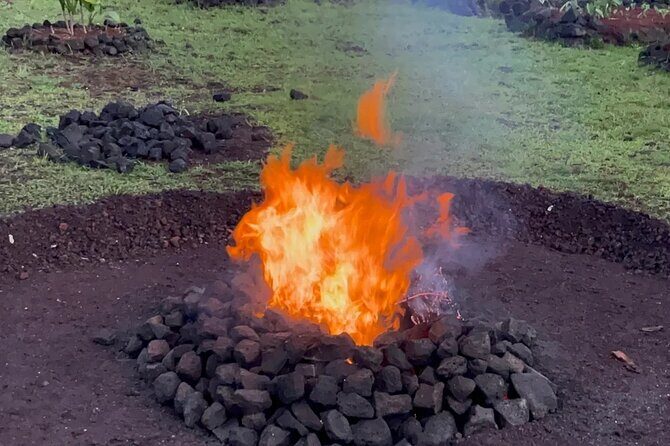
An imu is an underground oven. In plain terms, it’s Earth-powered cooking that uses heat trapped below the surface to slow-cook food until it becomes tender, flavorful, and almost melt-off-the-fork good.
What makes this experience special is that it isn’t treated like a stunt. You’re taught the art and tradition of indigenous Hawaiian food preparation by people whose families have cooked this way for generations. That matters because an imu isn’t only about texture and taste. It’s also about patience, respect for place, and the idea that food and community are linked.
On the Big Island, you’ll see the landscape change fast as you move through different towns. In Pāhoa, this kind of cultural food experience feels grounded and practical, not staged. You’re learning a working tradition, not collecting a souvenir.
Other cooking classes in Big Island of Hawaii
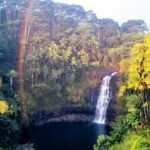
Your 10:00 am start in Pāhoa: what the day looks like
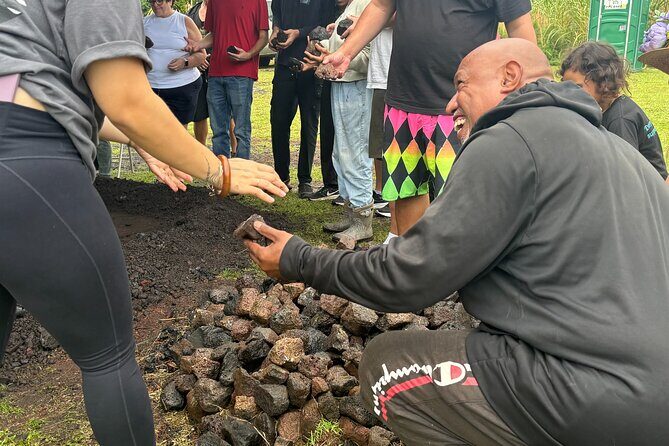
This tour runs about 4 hours, starting at 10:00 am. The meeting point is 15-1380 Auina St, Pāhoa, HI 96778, and the activity ends back at the same location.
You’ll get a mobile ticket, and the experience is offered in English. Lunch is included, along with bottled water and an activity guide. There’s also a maximum group size of 50 travelers, which helps keep it more interactive than a large-scale event.
If you’re planning your day, treat it like a real block of time, not a quick bite. You’ll be outside for portions of the experience, and you’ll be participating in the cooking process. That means comfy clothing and shoes matter more than you might think.
The hands-on part: building an underground oven from scratch
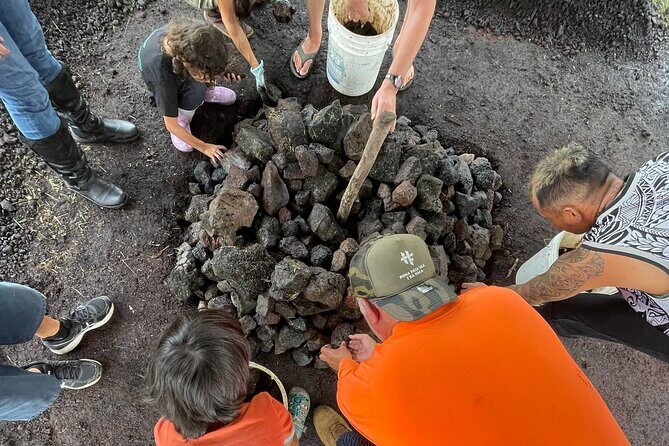
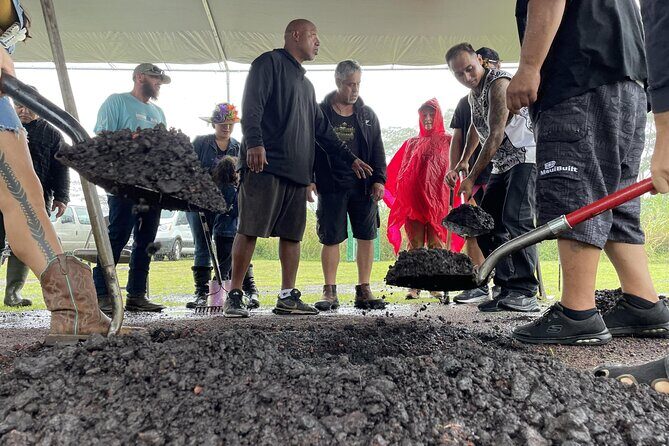
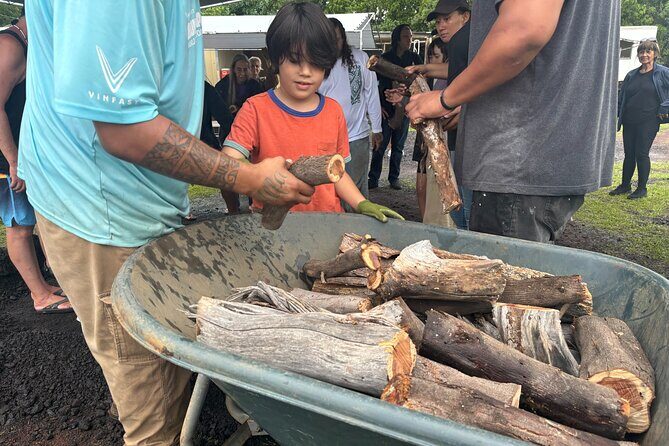
The heart of this experience is the imu build. The tour is designed so you participate, guided by local hosts who explain what’s happening and why.
You’ll start by working through the steps of creating the oven, using traditional methods tied to the land. Even if you’ve never cooked this way before, the structure is there. You’re not thrown into the deep end with no instruction. The tone is respectful and practical, which is exactly what you want when the subject is cultural tradition.
Here’s what I like about doing this in a guided group: it turns questions you already have into answers you can feel. You’ll understand the basics of how an imu works, how it’s prepared, and why it’s built with intention rather than randomness. The goal is not to turn you into a chef overnight. The goal is to help you appreciate the method and the care behind it.
Uncovering the imu and the cultural moment
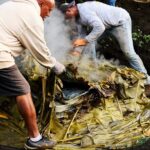
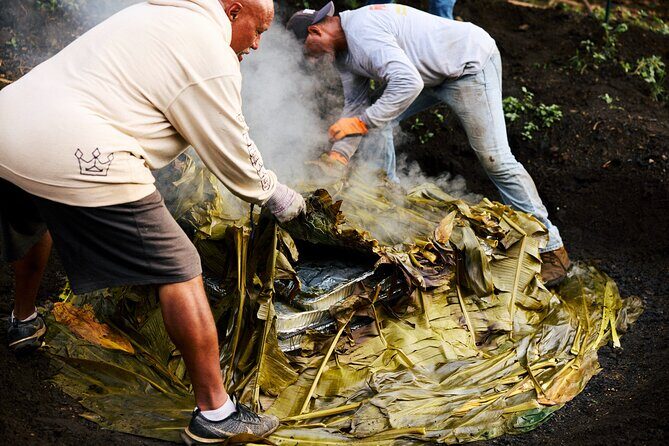
After the oven cooking time, the imu is uncovered. That’s when the day shifts from work mode to gathering mode.
This is also where the cultural side gets real. The experience includes chanting and exchanged words that frame the meal as more than food. You’re not just being fed. You’re being brought into the moment with context for the tradition—especially the role of family and community.
I also love how inclusive the experience can be. In real-world terms, language barriers happen. The day includes time for translation when needed, so you’re more likely to understand what the hosts are teaching instead of just catching a few keywords.
One more practical note: since food is cooked outdoors, this part of the schedule can be affected by conditions. If it’s a rain day or too intense, the provider may shift plans. That’s not a deal-breaker, just be ready for Hawaii weather to do Hawaii things.
The backyard-style feast: kalua pork, chicken, and vegetables
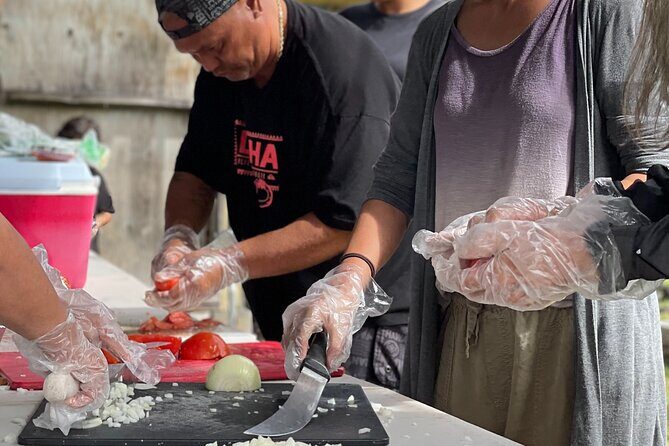
Once the imu is ready, you sit down for a backyard-style feast. The included menu is straightforward and classic:
- Kalua Pork: pork steamed in an underground oven
- Kalua Chicken: chicken steamed in an underground oven
- Kalua Vegetables: vegetables including local sweet potato, kalo (taro), carrots, celery, and more
- Kulolo (dessert): a Hawaiian dessert made with kalo (taro), coconut milk, and honey
This is the value moment. Slow cooking in an underground oven changes the texture and flavor in a way you can’t replicate with a quick roast. You’re tasting the difference that comes from patience and low, steady heat.
The menu also gives you variety that feels island-specific. You’re not just eating meat. You get kalo and other vegetables that show how the imu meal works as a full plate, not a one-note event.
Dessert is a smart way to close the loop. Kulolo ties back to kalo (taro), coconut milk, and honey, so you taste the ingredients that also matter in the rest of the meal. It’s cohesive, and it helps you remember the day by more than one flavor.
A few more Big Island of Hawaii tours and experiences worth a look

What the hosts teach: ohana, words, and food as community
A big part of this experience is the meaning behind it. You’ll hear explanations of words, history, and why gathering matters so much in Hawaiian culture.
The idea of ohana, family, comes up as more than a feel-good word. It’s presented as a value that shows up in how food is shared and how the community gathers. You’ll understand why a meal like this works: it’s designed to bring people together around something created with care.
Another thing I appreciate is the way the hosts make room for participants. The process isn’t treated like a one-way lecture. You learn by doing, then you sit down and share the meal like it’s part of someone’s home tradition.
If you’re on the Big Island for the first time, this is a strong orientation experience. It helps you see Hawaiian food as something living—still practiced, still taught, still rooted in community.
Group size and vibe: what $150 feels like in real life
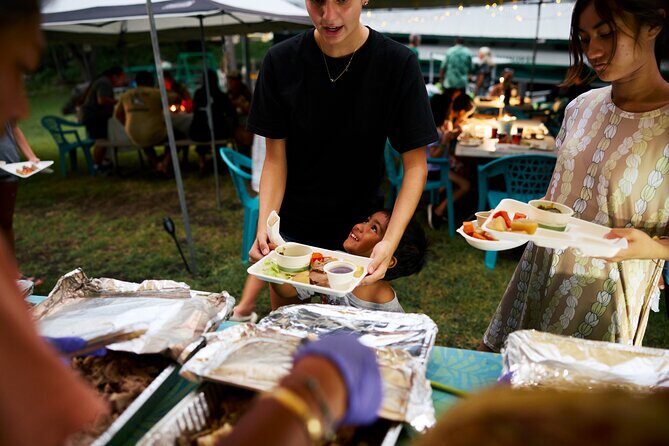
This tour costs $150 per person and runs about 4 hours. That includes lunch, bottled water, and an activity guide, plus the hands-on imu experience.
At first glance, it’s not cheap. But look at what you’re actually paying for: guided cultural instruction, participation in building an underground oven, and a full backyard meal cooked using the imu method. You’re also buying access to a smaller, capped group setting (maximum 50 travelers), which helps the day feel less like a performance and more like a shared event.
In other words, this isn’t a “just try local food” event. It’s a cultural dining experience built around a method. That makes the price easier to justify.
If your travel style is hands-on, food-focused, and culture-first, you’ll likely feel good about the cost. If you want something purely passive, you might feel the time is better spent elsewhere.
Weather matters more than you think
This experience requires good weather. Because the cooking is outdoors and the schedule depends on using the oven method properly, rain or poor conditions can lead to a different date offer or a full refund.
Plan to keep your day flexible. If you’re the type who books back-to-back tours with no margin, give yourself breathing room around the 10:00 am start. Hawaii weather shifts quickly, and this tour respects that reality.
Who should book this imu cooking experience
This is a great fit if you want:
- Hands-on cultural learning with local hosts
- A real food experience built around an underground oven method
- A classic Big Island-style meal that goes beyond tourist shortcuts
- A short day (about 4 hours) with a meaningful payoff
It’s also a solid choice for couples and families because it’s centered on a shared meal and shared work. If you’re traveling with teens or grandparents, the “together” feel is a plus. The hosts aim for an inclusive atmosphere, and the cultural explanation helps everyone connect even if they’re not from Hawaii.
If you have mobility limits or you strongly prefer sitting rather than participating, you might find the hands-on portion less comfortable. The information provided doesn’t outline accessibility details, so it’s worth checking directly with the provider if that’s a concern for you.
Should you book Imu Mea ‘Ai Food Tour Hawaii?
If you’re choosing between a generic food tour and something that actually explains the “how” and “why” of Hawaiian cooking, book this. The imu build, the cultural framing, and the full menu make the day feel like a genuine experience, not a quick stop.
Also, the track record is strong. The experience holds a rating of 5 with 95 reviews, and it’s recommended by 100% of reviewers in the provided summary. That kind of consistency usually means the hosts deliver the core promise: thoughtful teaching and delicious food.
My bottom-line advice: if your schedule can flex a little for weather and you’re up for hands-on learning, this is a high-value way to experience the Big Island through food and culture.
FAQ
How long is the Imu cooking and cultural dining experience?
It runs for about 4 hours.
What time does the tour start and where is the meeting point?
It starts at 10:00 am. You’ll meet at 15-1380 Auina St, Pāhoa, HI 96778, and the tour ends back at the same meeting point.
What’s included with the $150 per person price?
Lunch is included, along with bottled water and an activity guide.
What food will I eat during the feast?
The sample menu includes kalua pork, kalua chicken, kalua vegetables, and dessert called kulolo made with kalo (taro), coconut milk, and honey.
Is the tour offered in English?
Yes, the experience is offered in English.
How big is the group?
The maximum number of travelers is 50.
Do I need good weather for this experience?
Yes. The experience requires good weather, and if it’s canceled due to poor weather, you’ll be offered a different date or a full refund.
What is the cancellation policy?
Free cancellation is available up to 24 hours in advance for a full refund. If you cancel less than 24 hours before the start time, the amount paid will not be refunded.