REVIEW · HILO
Volcano Adventure: Hilo Sightseeing w/ Optional Helicopter Tour
Book on Viator →Operated by Polynesian Adventure Tours · Bookable on Viator
Kilauea comes with a side of waterfalls. This Hilo day trip pairs Hawaii Volcanoes National Park time with easy rainforest walking in the Nahuku–Thurston Lava Tube, plus stops around Hilo’s coast like Akaka Falls and Rainbow Falls. I like the mix because it teaches you what you’re seeing while keeping the pace doable for most people—but you should know it’s a packed day with shorter time blocks, so active lava sightings are never guaranteed.
The tour works well if you want structure. You get pickup in Hilo, a narrated route, air-conditioned comfort, and admissions handled for you, so you’re not juggling maps and ticket lines. The chance to hear real-world volcanic context (not just signboard facts) makes the park feel more meaningful, especially around Kilauea’s summit area and the steam vents.
One caution: conditions can change fast on Big Island, and the volcano portion can run chilly or smoky. If you have asthma or other breathing issues, you’ll want to take the fumes warning seriously, and if the crater road is closed or visibility drops, the schedule and viewpoints can shift.
In This Review
- Key things to know before you go
- Why this Hilo volcano day feels bigger than it is
- Getting picked up in Hilo and getting oriented fast
- Hawaii Volcanoes National Park time: why road access drives your day
- Kilauea and the steam vents: what to look for
- The Nahuku–Thurston Lava Tube walk: the part you remember
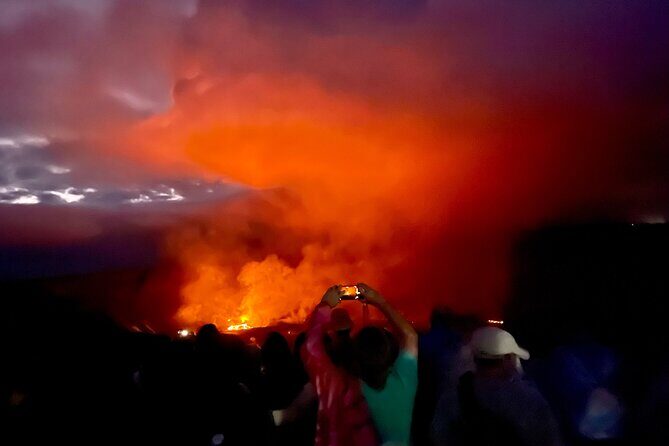
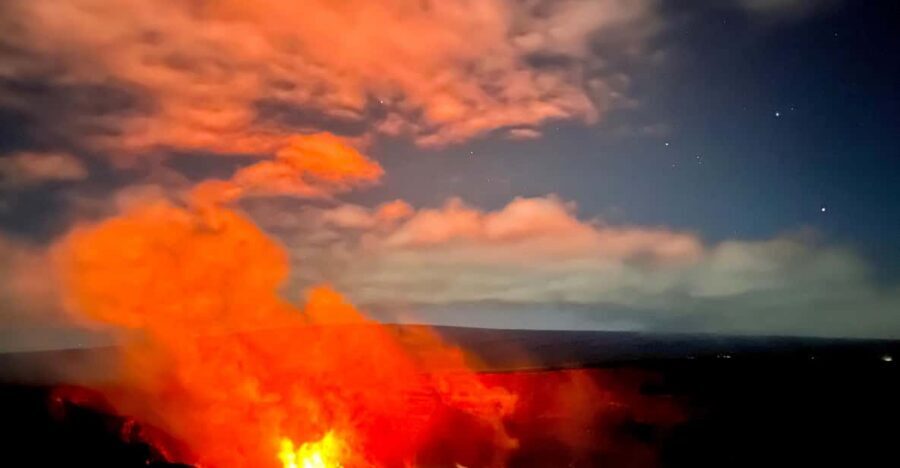
- Haleʻumaʻumaʻu crater views and the lava-sighting gamble
- Akaka Falls and Rainbow Falls: the “you made it” moments
- Hilo’s rebuild story: why this town hits differently after Kilauea
- Lunch, small-group comfort, and why the day feels manageable
- Optional helicopter tour: when it makes sense and when it complicates things
- Price and value: what you’re really paying for
- Who should book this tour (and who should skip it)
- Should you book this volcano day from Hilo?
- FAQ
- What’s the tour length?
- Where does the tour start and is pickup included?
- Does the price include park admission and lunch?
- Is the helicopter tour included?
- Will I definitely see lava?
- How much time do I get inside Hawaii Volcanoes National Park?
- What stops are included besides the volcano sites?
- Do I need special clothing or footwear?
- Who should avoid this tour due to breathing concerns?
- Is there free cancellation, and what triggers a cancellation?
Key things to know before you go
- Guides matter here: Many people highlight a guide named Dexter for making the day fun and clear, with lots of on-the-spot explanations.
- You’re walking lava, not just looking: The Thurston Lava Tube is a real, low-effort way to experience magma history up close.
- Time at the volcano can be flexible: Road closures and day-to-day safety rules can change how long you stay near specific spots.
- Steam vents are a must-stop: They’re one of the most direct ways to feel volcanic power without needing to be near active flows.
- Expect a cool, damp park day: Bring a light sweater and wear sturdy shoes.
- Add-on helicopter changes the timing: If you do the helicopter option, it can affect when (and how long) you’re on the ground.
Why this Hilo volcano day feels bigger than it is
This tour earns its keep by stacking three kinds of Big Island experiences into one long day: a proper volcano park visit, easy rainforest walking, and Hawaii’s classic waterfall-and-coast stops. You’re not only seeing places—you’re getting the natural “why” behind what shaped them.
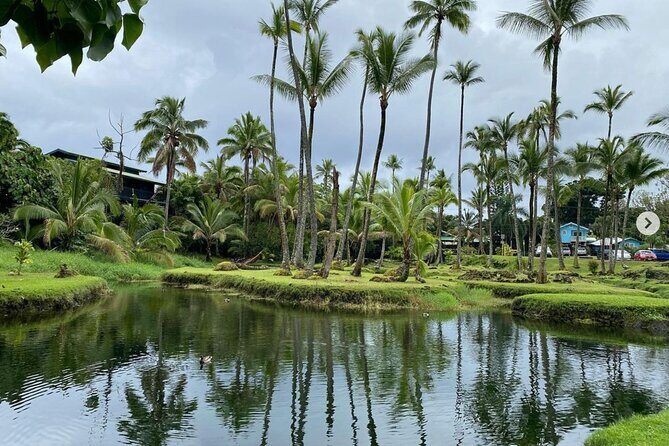
I also like how it starts in Hilo rather than dropping you straight into the most remote spots. The drive through town and along Banyan tree-lined streets helps you get your bearings fast, so the scenery later feels connected instead of random.
The trade-off is that “full day” here means lots of short stops. If your main goal is maximum time at the volcano rim, you may feel a bit rushed when the schedule compresses.
Other Volcanoes National Park tours in Hilo

Getting picked up in Hilo and getting oriented fast

The day begins in downtown Hilo around Banyan Drive, often described as Hilo’s coastal “Walk of Fame” style stretch. It’s a good warm-up: you ease into the island vibe before you head into the park.
Before you reach the national park, there’s typically a stop at either a macadamia nut farm or a tropical orchid farm. Think of it as a quick culture-and-agriculture primer, not a long excursion. It’s useful if you’re new to the island’s crops and landscape—plus it breaks up the drive so you don’t feel like you’ve been in the van forever.
Pickup and drop-off are part of the package, and you’ll be traveling in an air-conditioned vehicle. That matters on a day with lots of in-and-out moments and changing weather.
Hawaii Volcanoes National Park time: why road access drives your day

Once you enter the park, you get about two hours on the main stage, with admission included. That might sound short, but it’s paired with additional targeted stops, so you’re not spending the day only “walking around.”
A key part of the park routing involves Chain of Craters Road, a winding stretch that runs about 19 miles through the East Rift area and coastal zone. Some sections can be inaccessible, so your final viewpoints depend on what’s open and safe that day.
This is where you’ll feel the reality of volcano travel: you can plan as much as you want, but the mountain gets the final vote. The operator’s approach is to take you as close as possible to the action within safety limits, so the day is designed around flexibility.
Kilauea and the steam vents: what to look for
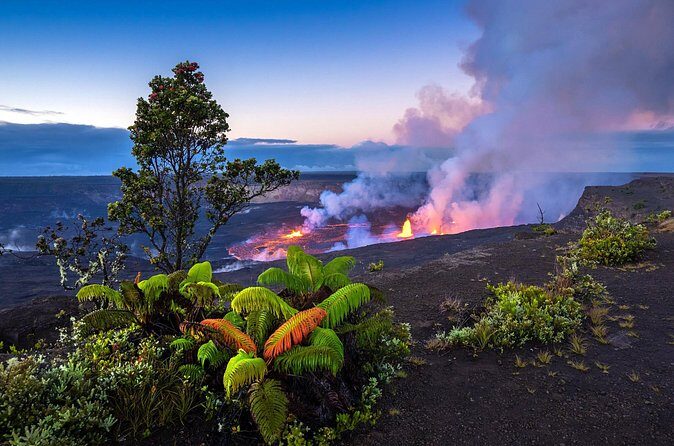
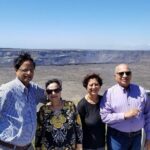
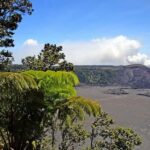
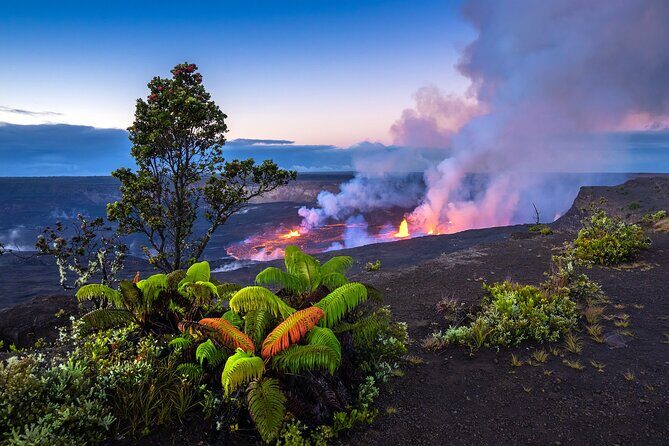
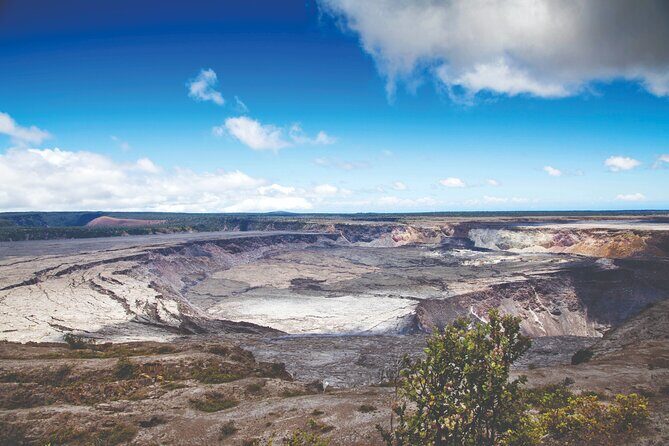
You’ll reach Kilauea at a stop designed to show the active shield volcano context, including Halemaʻumaʻu as the summit pit crater. The information you get here helps you connect the dots between vents, caldera features, and what “active” means on this part of the island.
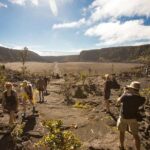
The schedule gives you around 20 minutes for Kilauea itself, which is enough time to take in the key views and listen without turning it into a long endurance test. If the day’s conditions are clear, this is also where the story clicks: you’re looking at a system, not a single photo moment.
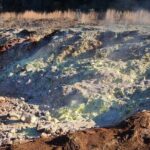
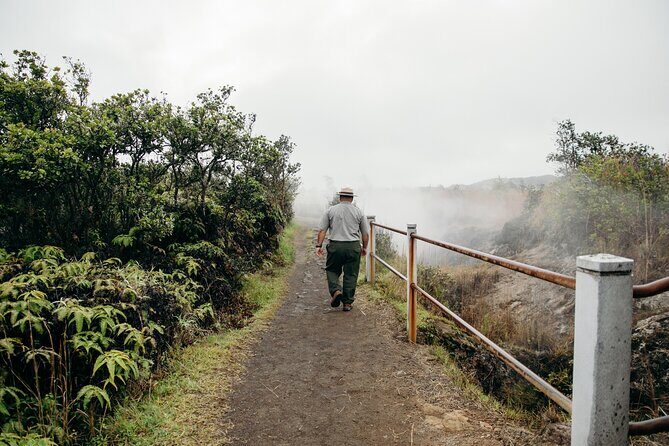
Then comes Steam Vents, another roughly 20-minute stop with admission included. This is one of my favorite “high payoff, low effort” moments. Instead of chasing distant activity, you see and feel how water interacts with hot volcanic rock—steam that reminds you the ground is still working.
If you’re sensitive to smells or smoke, this is the stop that deserves extra caution. The tour notes that people with asthma or respiratory issues should choose other options to avoid fumes.
The Nahuku–Thurston Lava Tube walk: the part you remember
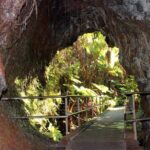
This is the stop that tends to stick in people’s heads because it’s physical. The Nahuku–Thurston Lava Tube is a long subterranean cave formed by ancient lava flow, and it’s well-lit enough to walk without feeling claustrophobic.
You’ll have about 20 minutes here, which is usually just right for short legs, camera stops, and listening. The surface world above can look green and alive, while underground you’re walking where magma once moved. That contrast is the whole point.
Practical note: wear shoes with real grip. You’re in a forest setting and moving between steps and cave paths, and the ground can be damp.
Other Hilo shore excursions in Hilo

Haleʻumaʻumaʻu crater views and the lava-sighting gamble
Near the summit caldera area, you’ll learn about Haleʻumaʻumaʻu and how lava lake behavior and vents relate to the ongoing changes at Kilauea. The tour description also highlights sulfurous steam rising from the pit and lava far down below.
Most important: lava sightings are not guaranteed. The tour tries to get you as close as safety allows, but the best volcano travel rule is simple—don’t build your day around one perfect outcome.
This uncertainty is why the guide narration matters. If you’re lucky with clear conditions, you’ll get more. If it’s foggy or roads are closed, you’ll still walk away understanding what you could see and why you couldn’t.
Akaka Falls and Rainbow Falls: the “you made it” moments
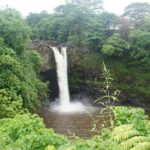
After the volcano portion, the day swings back toward the coast with classic Big Island sights. Akaka Falls State Park gets about 20 minutes and admission is included. It’s set up for easy viewing from a lookout, with rainforest around you doing its own soundtrack.
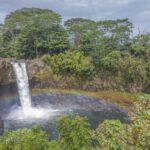
Then you’ll also hit Rainbow Falls for another short 20-minute stop. Mist conditions are what make the rainbows possible here, so it’s more of a “watch the weather and be ready” moment than a guaranteed rainbow show.
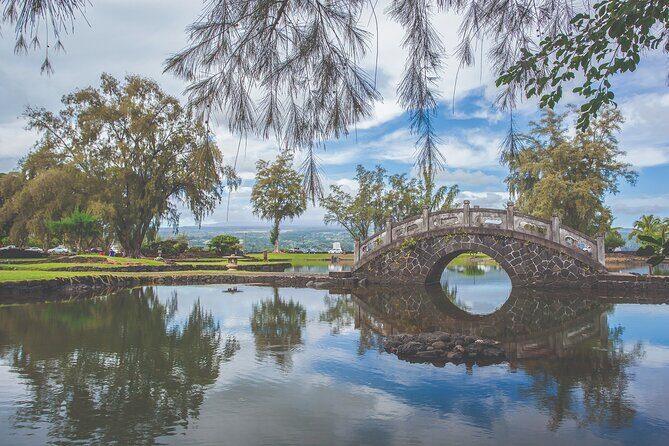
And between these, there’s time for a stop at Japanese gardens. Even if you don’t linger long, it gives your senses a break after steam and lava rock. It also shows another side of Hilo’s culture and landscape.
Hilo’s rebuild story: why this town hits differently after Kilauea
The driving route through Hilo isn’t just scenic. It includes the human story behind how the town responded to major tsunamis, including devastating events in 1946 and 1960 that forced reconstruction further inland.
That context can make your waterfall and coast views land differently. You’re not only watching nature—you’re seeing how people lived with it and adapted.
This is one reason I think this tour works well for first-timers. You start with the volcano system, then you see where the water and weather consequences show up in daily life.
Lunch, small-group comfort, and why the day feels manageable
The tour includes lunch and admits you to the main sites, plus water and a boxed-style meal is commonly mentioned by people who’ve done it. One described lunch was a chicken wrap with chips and a cookie, which sounds simple, but on a day with lots of walking and stop-and-go driving, it’s exactly what you want.
You’re also in an air-conditioned vehicle, and the maximum group size is 46 travelers. That number helps, because you’re not stuck in the kind of huge cattle-car situation where you lose all flexibility.
One more tip from the real-world experience of this tour: plan to bring cash for tips. People say there are no nearby ATMs during the day and guides appreciate cash.
Also, expect “hop on, hop off” timing. Short stops mean you should keep your layers ready and your camera accessible.
Optional helicopter tour: when it makes sense and when it complicates things
The tour includes an optional helicopter add-on, and if you choose it, you’re buying a very different perspective. People describe helicopter flights that can run close to an hour, with aerial views of craters and waterfalls that you simply can’t get from the ground.
The big trade-off is schedule friction. When helicopter timing or airport drop-offs are in the mix, some travelers found the volcano time felt compressed. So if you really want slow, lingering volcano rim time, consider whether the helicopter is pulling you away from the part you care most about.
If you do the helicopter, I’d treat it as the “hero experience” and accept the rest of the day as a structured overview.
Price and value: what you’re really paying for
At $202.76 per person, this isn’t a cheap “sit on a bench” sightseeing deal. The value comes from bundling several costs and headaches:
- Admissions are included for the park and key stops.
- Pickup and drop-off in Hilo reduce stress and time.
- A professional driver/guide narration turns the stops into something you can understand.
- Lunch is included, so you’re not forced into pricey quick meals mid-drive.
If you rent a car, you’ll still be paying for gas, parking, and admission fees, and you’ll have to figure out the safest routing when volcanic activity shifts access. The tour price is basically paying for decision-making and timing—plus the interpretation you’d otherwise need a guide for.
So I’d view this as best value for travelers who want a full day on the east side without building a complex self-drive plan.
Who should book this tour (and who should skip it)
This tour is a strong fit if:
- You’re seeing the Big Island for the first time and want a one-day hit list with explanations.
- You want to walk in a lava tube without technical gear.
- You care about the “how this volcano works” story as much as the scenery.
- You prefer a guided pace over DIY driving.
It may not fit as well if:
- You need lots of time at one volcano viewpoint. The day is built on multiple short stops.
- You have asthma or respiratory issues. Steam and volcanic fumes are part of the experience, and the tour specifically flags this concern.
- You’re the type who gets stressed by shifting access due to road closures and safety rules.
Should you book this volcano day from Hilo?
I’d book it if you want one organized day that covers Kilauea context, the Thurston Lava Tube walk, and Hilo’s signature waterfalls—with admissions and lunch handled. The tour also gives you the best chance to get close to activity within safety limits, even though lava sightings are never promised.
Skip or choose another format if your #1 goal is a long, slow volcano hike with zero schedule compression. This one is built for breadth and narration, not for hanging out at a single spot all afternoon.
If you do book: bring that light sweater, wear grippy shoes, and keep your expectations flexible about lava. That way, even if Mother Nature changes the plan, you’ll still leave with a day that feels full—and make sense of what the mountain was doing.
FAQ
What’s the tour length?
It runs about 10 hours 30 minutes (approx.) for the full day experience.
Where does the tour start and is pickup included?
The tour starts in downtown Hilo, and pickup and drop-off at specific Hilo hotels are included.
Does the price include park admission and lunch?
Yes. Admission fees and lunch are included, along with tour narration, air-conditioned transportation, and mobile ticket entry.
Is the helicopter tour included?
The helicopter is optional. This experience can include it, but you’d confirm the exact add-on details when booking.
Will I definitely see lava?
No. Lava sightings are not guaranteed because volcanic activity and safety conditions vary daily.
How much time do I get inside Hawaii Volcanoes National Park?
You get about two hours at the park, plus additional shorter stops tied to Kilauea, steam vents, and the lava tube.
What stops are included besides the volcano sites?
You’ll also visit places such as Akaka Falls State Park, Rainbow Falls, and a stop for Japanese gardens, plus driving through Hilo including Banyan Drive.
Do I need special clothing or footwear?
A light sweater may be needed at the volcano area, and sturdy walking shoes are required.
Who should avoid this tour due to breathing concerns?
The tour notes that passengers with asthma and other respiratory problems should consider other offerings to avoid potential health problems from fumes.
Is there free cancellation, and what triggers a cancellation?
Free cancellation is available up to 24 hours in advance for a full refund. If it’s canceled due to poor weather, you’ll be offered a different date or a full refund.