REVIEW · HILO
Hawaii’s GOAT Experience: Mauna Kea Summit, Sunset & Stars
Book on GetYourGuide →Operated by hawaii island holidays · Bookable on GetYourGuide
Mauna Kea turns the night into a show. From the summit, you watch the sunset from Hawaii’s highest point and then shift into serious stargazing, with hot drinks, snacks, and guide-led astronomy. It is the kind of Big Island experience that makes the words star party feel accurate.
I love the summit sunset for how it changes the whole mood of Hawaii, from warm ocean vibes to mountain-dark sky. I also love the telescope time plus the free photos taken for you, so you can enjoy the sky instead of wrestling with a camera in the cold.
The main consideration is weather and access. Conditions can change quickly, and the summit road can close without warning, so the itinerary’s best views are not something anyone can truly guarantee.
In This Review
- Key highlights at a glance
- Mauna Kea night sky: why this tour feels like a real astronomy event
- Riding up from Hilo: pickup that gets you into position early
- Stop at the summit: parkas, gloves, and a sunset above the clouds
- The telescope stops: Keck observatories and the first black hole image
- Your guided star show: how you get more from the sky
- Staring at stars without freezing: what to wear and what to plan
- Free night photos you actually want: how the camera helps
- Price and value: is $289 worth it?
- Who should book this Mauna Kea summit sunset and stars tour
- Weather, freezing temps, and uneven ground: the real-world limits
- Should you book Mauna Kea Summit, Sunset & Stars?
- FAQ
- How long is the Mauna Kea summit sunset and stars experience?
- How much does it cost per person?
- What is included in the tour price?
- Are there telescope views during the tour?
- Will I get photos taken for me?
- Where do you pick up and drop off?
- What should I bring for the tour?
- What is not allowed on the tour?
- Is the summit always guaranteed?
- Is dinner included?
- Who should not book this experience?
Key highlights at a glance
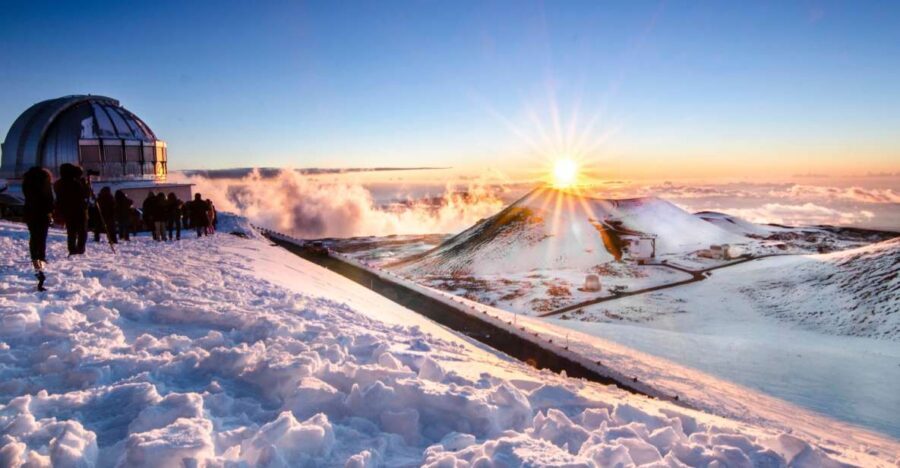
- Summit sunset from the highest point in the Pacific with parkas, gloves, and hot drinks
- Research telescope area with a look at the observatories tied to the first black hole image
- Two of eight telescopes connected to the black hole photo, plus learning what that means
- Your own telescope viewing session when weather allows
- Free night photos emailed afterward, taken by your guide so you do not miss the moment
Mauna Kea night sky: why this tour feels like a real astronomy event
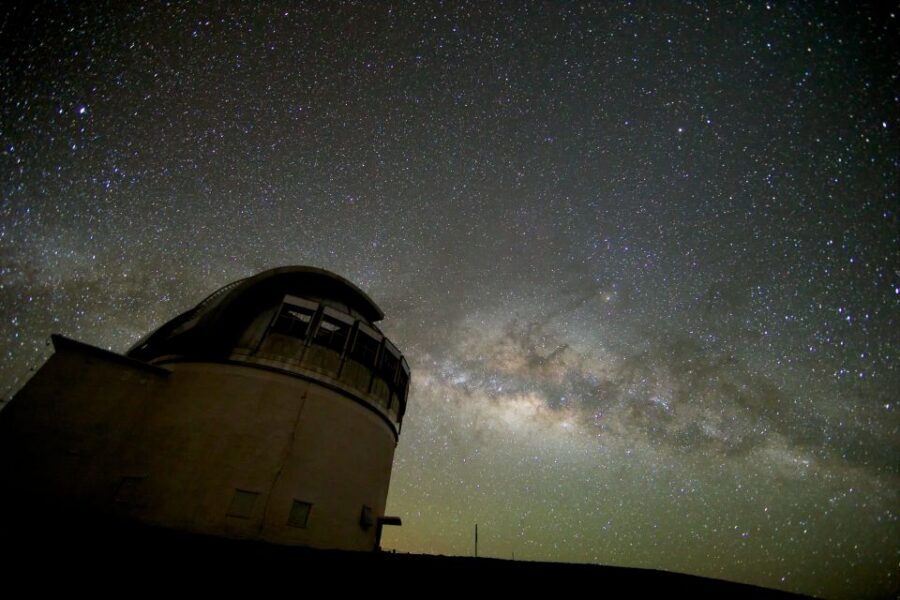
On Hawaii’s Big Island, you can always find a scenic view. This experience is different because you go high enough that the air turns sharp, the sky turns dark fast, and the stars show up like they mean it.
The whole evening is built around that change. You start with a sunset at the summit of Mauna Kea, then you pivot into stargazing with a guide who points out what you are actually seeing, not just what you hope to see. That matters, because clouds and moonlight can make casual stargazing frustrating.
Other Mauna Kea stargazing and summit tours in Hilo
Riding up from Hilo: pickup that gets you into position early
You get picked up from a few Hilo-area spots, including Starbucks, Grand Naniloa Hotel Hilo (a DoubleTree by Hilton), and the Bank of Hawaii. Starting in town is a practical move: it cuts the stress of timing and helps you arrive with fewer delays while the light is still useful.
The drive is part of the payoff. Expect stories about Hawaii and the Big Island as you head toward the summit. Even if you have read a little about Mauna Kea, the best tours help you connect the astronomy to place, volcano geology, and local perspective.
One more reason pickup is worth it: the summit access road can be tricky at night, and the tour format is designed to get you there safely. In other words, you are paying for more than the view. You are paying for the right plan at the right time.
Stop at the summit: parkas, gloves, and a sunset above the clouds
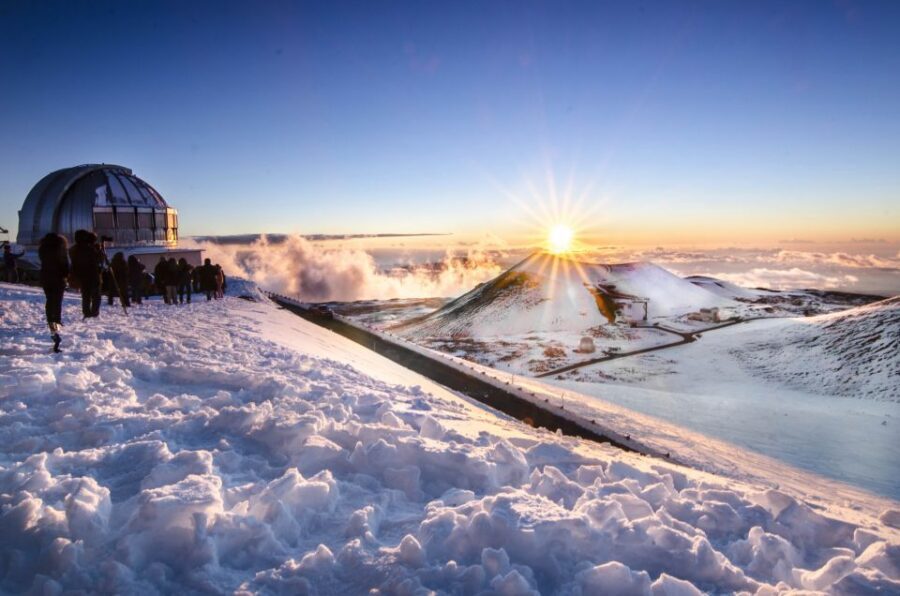
When you arrive at Mauna Kea, you step into a completely different temperature. The tour provides parkas and gloves, and you will need them. The cold can dip to freezing at this elevation, even when Hilo feels warm and humid.
The sunset is the first big moment. You are high enough that you can often feel like you are looking down on the cloud layer while the sky does its color shift. That is why this tour is timed for sunset: you want the peak views when the sky is still transitioning, before true night takes over.
What I like about this setup is that it is not just a quick photo stop. You get time to settle in, warm up with hot drinks, and let the guide build context before the stars take over. That turns it from a drive-by scenic moment into an evening you remember.
The telescope stops: Keck observatories and the first black hole image
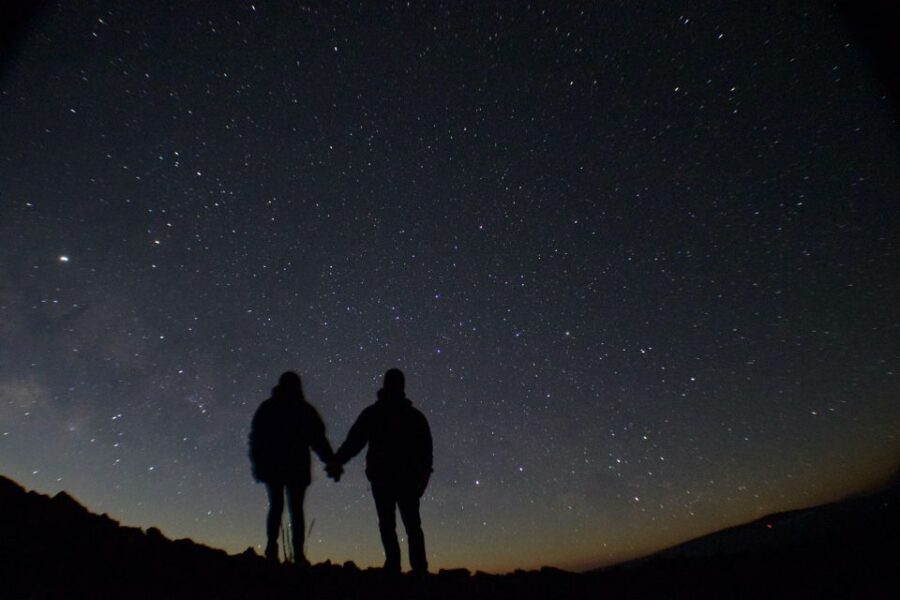
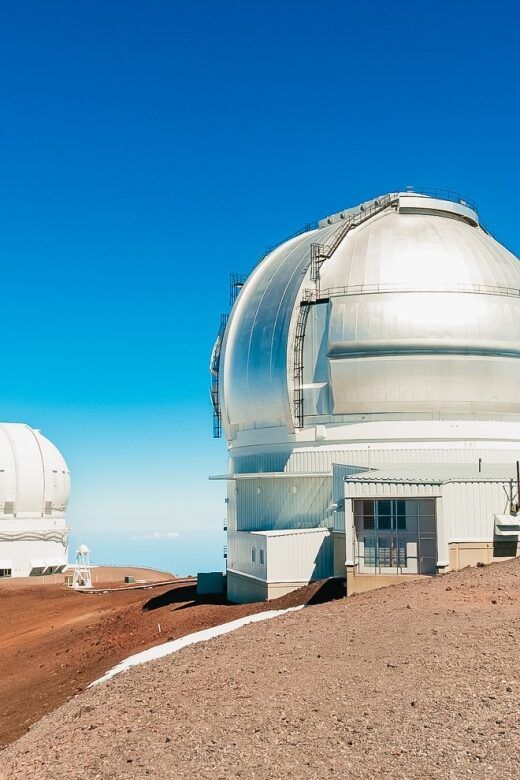
After sunset, the tour goes from pretty to profound. Mauna Kea is home to the world’s largest collection of research telescopes, and this night show takes advantage of that.
You also get a specific, fascinating angle on modern astronomy: you will learn where the first black hole photo was taken. The tour notes that two of the eight telescopes used for that first image are on Mauna Kea. That is one of those details that makes the place feel current, not just historic.
Then comes the part you actually came for: up-close telescope viewing. The tour includes using their professional telescope for a personal star show, weather permitting. When it works, it turns the sky into something you can study, not just admire.
And yes, you are not only stuck on deep-sky objects. People often see bright planets during the early part of night. One highlight from the field: Jupiter can show up as the sun is dropping, before the sky fully darkens.
Your guided star show: how you get more from the sky
Stargazing on your own can be hit-or-miss. You might find constellations, but you miss the structure and the “what am I looking at?” factor. The value of a guided setup is that the guide does the pointing and the explaining so you can stay present.
Your guide is also part of the pacing. You get hot chocolate and snacks during the transition from sunset to stars. That is not just comfort; it helps you stay out long enough to see the sky change, including darker views as the night deepens.
You can think of it as two experiences in one:
- First, the sky as a changing landscape of light
- Second, the sky as a map, with objects you can identify and understand
If you are the type who likes learning what you are seeing while you are seeing it, this format clicks fast.
Other Big Island day trips and highlights tours
Staring at stars without freezing: what to wear and what to plan
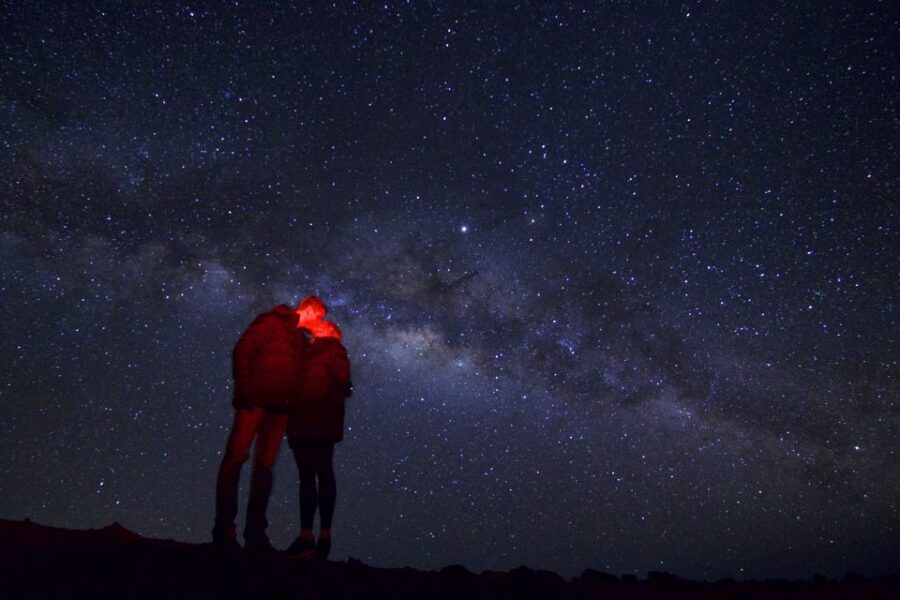
This tour is serious about cold weather because the summit can be brutally chilly. Even with parkas and gloves provided, you should dress smart.
You should bring:
- Comfortable shoes
- Long pants
Here is what I would add to that, based on real-world cold-weather stargazing logic. Bring extra layers under the provided outer gear. A warm hat or beanie can help even when you have gloves. If you get cold easily, consider warmer socks too, since shoes and socks are the first to lose heat.
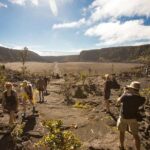
Also plan for footing. The tour is not described as a smooth boardwalk experience. Guests should be able to walk on uneven or rocky terrain, and conditions can turn cool, wet, or muddy. That means traction and steady steps matter.
Finally, think about stamina. The full event runs about 6.5 to 7.5 hours, and you are outside for most of it.
Free night photos you actually want: how the camera helps
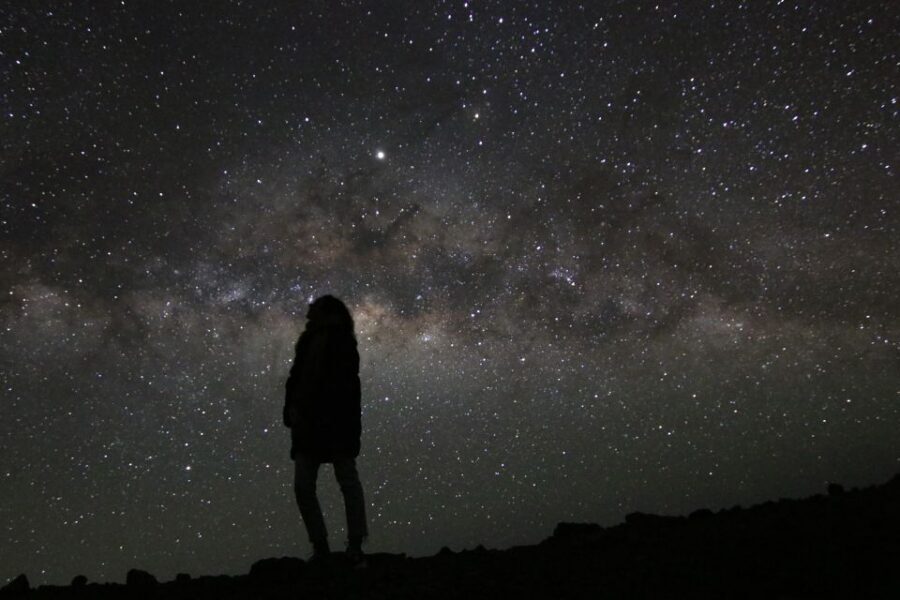
One of the smartest things here is that you do not need to rely on your own camera skills. The tour includes free photos taken during the sunset and stargazing, and the photos are emailed after the experience.
This is a big deal in cold, low-visibility conditions. You can keep your hands warm, stay focused on the sky, and still get images that look like what you felt in the moment.
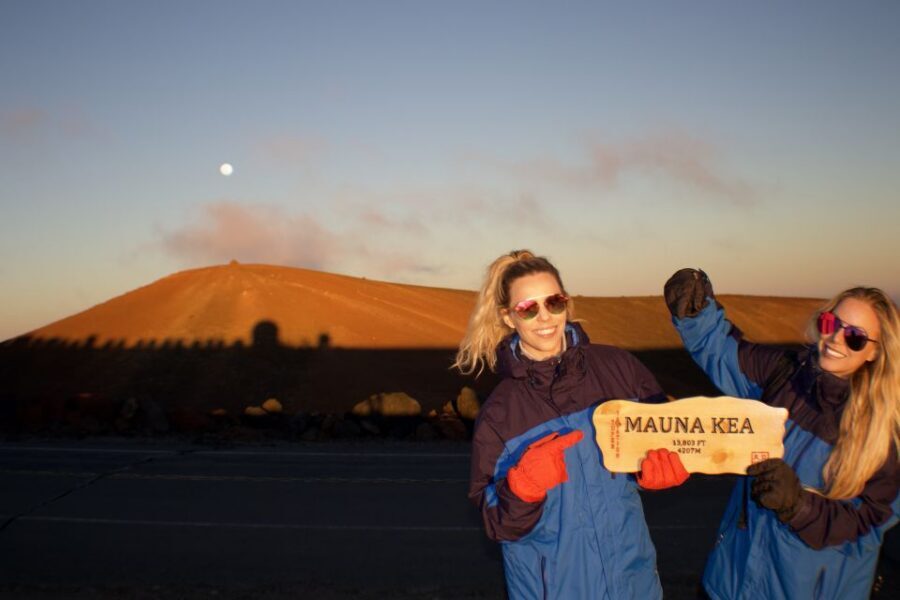
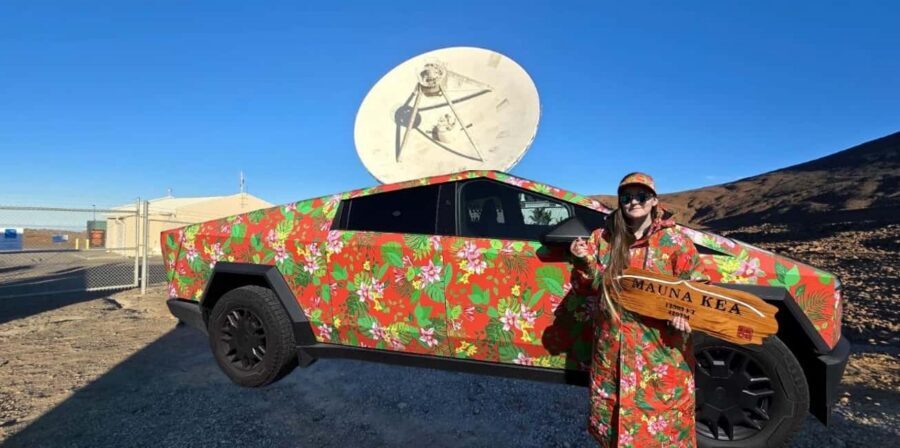
You will also get the chance for fun visual moments in the provided parkas and gloves. Those warm layers are practical, but they also make for a memorable photo look that matches the setting.
Price and value: is $289 worth it?
At $289 per person, you are paying for a lot more than a scenic viewpoint. Here is where the money goes, and why it adds up:
- Round-trip pickup and drop-off from select locations, so you are not handling logistics at night
- Guide-led interpretation of what you see, plus context about Hawaii and astronomy
- Warm gear (parkas and gloves) plus snacks and hot chocolate
- Free night photos, emailed after the tour
- Access to the summit at the right time, paired with a professional telescope viewing session when weather allows
The biggest value factor for me is the combination: summit access + timing + cold-weather management + guided astronomy. You could theoretically try to DIY it, but doing it right means planning for road access, darkness, gear, and the kind of patience required when the sky does not cooperate.
In short, if you want a night that runs smoothly and gives you more than basic star spotting, this price is easier to justify.
Who should book this Mauna Kea summit sunset and stars tour
This tour is best for adults and for people who want guided astronomy at elevation. It is explicitly not suitable for children under 13, and it is also not recommended for people who are pregnant, have altitude sickness concerns, or have mobility issues.
It is also not suitable for:
- Back problems
- People with heart problems
- People with respiratory issues
- People with certain mobility limitations
- Anyone who has had issues related to altitude
Why so many limits? Because the summit conditions include cold, uneven terrain, and high elevation. Even with parkas and gloves, you are still on a mountain.
Who it fits well:
- You want a guided “what you are seeing” night sky session
- You care about Mauna Kea’s science story, including the first black hole photo context
- You want photos taken for you so you can actually enjoy the experience
Weather, freezing temps, and uneven ground: the real-world limits
You should go in with realistic expectations. The tour notes that weather changes can happen quickly, and the access road to the summit can close without warning. That means favorable summit conditions cannot be guaranteed.
You should also be ready for the physical reality of this elevation. Temperature can drop below freezing. Terrain can be uneven or rocky, and sometimes cool, wet, or muddy conditions happen.
This matters for your enjoyment. If you know you get stressed when plans change due to weather, this might feel uncertain. If you are flexible and prepared to bundle up and walk carefully, you will likely have a much better time.
Should you book Mauna Kea Summit, Sunset & Stars?
If your dream is a summit sunset followed by real stargazing with telescope viewing and guided astronomy, I think you should strongly consider booking. The included warm gear, snacks, and hot chocolate make a difference, and the free emailed photos remove a common headache.
Book it especially if you want someone else handling the timing, the mountain logistics, and the pointing out of what is in the sky. In that situation, the $289 starts to look like paying for confidence plus an organized astronomy night, not just paying for a view.
If you have altitude concerns, mobility limits, or you dislike cold-weather challenges, this is probably not the right fit. Mauna Kea is spectacular, but it is also demanding.
FAQ
How long is the Mauna Kea summit sunset and stars experience?
The duration is listed as 6.5 to 7.5 hours, depending on the starting time.
How much does it cost per person?
The price is listed as $289 per person.
What is included in the tour price?
Pickup and drop-off (select locations), snacks and hot chocolate, a guide, parkas, gloves, and free night photos that are emailed after the experience are included.
Are there telescope views during the tour?
Yes. The tour includes using their telescope for up-close viewing of the sky when weather permits.
Will I get photos taken for me?
Yes. Your guide takes photos during the sunset and stargazing, and you receive them by email afterward.
Where do you pick up and drop off?
Pickup and drop-off are available at select locations, including Starbucks, Grand Naniloa Hotel Hilo (a DoubleTree by Hilton), and Bank of Hawaii.
What should I bring for the tour?
You should wear or bring comfortable shoes and long pants.
What is not allowed on the tour?
Non-folding wheelchairs, alcohol, and drugs are not allowed.
Is the summit always guaranteed?
No. Weather can change quickly and the access road to the summit can close without warning, so access to the summit or favorable conditions cannot be guaranteed.
Is dinner included?
No, dinner is not included.
Who should not book this experience?
It is not suitable for children under 13, pregnant women, people with back problems, people with mobility impairments, people with heart problems, and people with respiratory issues, among other listed limits.