REVIEW · HILO
Hilo: Hawaii Volcanoes National Park Flight
Book on GetYourGuide →Operated by Safari Helicopters · Bookable on GetYourGuide
Clouds part, and the volcanoes steal the show. This Hilo helicopter ride over Hawaii Volcanoes National Park turns the island’s raw fire-and-water power into something you can actually see. I love the high-up views of the Kilauea caldera and the way the flight can show waterfall drops into jungle when conditions cooperate.
Another thing I really like is the human touch: the ride is short, so every minute in the air matters, and the pilot’s decisions can make the difference between good photos and great ones. I’ve seen pilots like Sam shift the route when weather improves, and that kind of flexibility shows up in the view quality.
One consideration: this is weather dependent, so the exact route and whether you get certain sights (especially waterfalls) can change.
In This Review
- Key Takeaways Before You Fly
- Entering The Air: What This 1-Hour Helicopter Flight Really Delivers
- Start in Hilo: Meeting at Safari Helicopters
- Stop-by-Stop: How the Flight Points Line Up With What You See
- Stop: Hawaii Volcanoes National Park
- Stop: Kilauea and the Caldera Feel
- Stop: Pu‘u ‘Ō‘ō Volcanic Cone from the Sky
- Stop: Lava Fields, Black Sand, and Where Water Finds a Way
- Stop: Mauna Kea (Distant, Huge, and Different)
- Stop: Mauna Loa
- Weather Is Not a Technicality Here
- Seats, Weight, and Comfort: The Rules That Shape Your Flight
- Price and Value: What $379 Buys You in the Real World
- Who This Tour Fits Best (and Who Might Skip It)
- Should You Book the Hilo Volcano Helicopter Flight?
- FAQ
- How long is the helicopter tour?
- Where do I meet and where does the tour end?
- What stops will we fly over during the tour?
- Is the tour suitable for kids?
- Are there weight requirements for passengers?
- What should I bring to check in?
Key Takeaways Before You Fly
- Kilauea caldera from above: you get scale fast, without hiking or waiting for a lucky angle.
- Pu‘u‘ō‘ō cone sightings: the volcanic features look different from the sky, in a good way.
- Mauna Kea and Mauna Loa in one loop: distant giants show up as a linked system rather than separate peaks.
- Waterfalls and deep jungle pools (weather permitting): the classic Hawaii contrast of power and greenery.
- A small group (up to 6): easier for the guide and pilot to keep things smooth.
- Strict weight and comfort rules: helicopter reality means you’ll want to fit the seat and posture requirements.
Entering The Air: What This 1-Hour Helicopter Flight Really Delivers
This tour is billed as a 1-hour helicopter flight from Hilo, with time spent in the air focused on specific aerial viewpoints inside Hawaii Volcanoes National Park. Think of it less like a long sightseeing day and more like a concentrated “see it from the sky” experience. For many people, that’s the whole point: helicopters compress what you’d otherwise try to piece together from roads and overlooks.
You’re paying for the vantage point. From ground-level viewing areas, you can miss how volcanic terrain changes over time—new lava fields versus older flows, or how the shape of a volcanic system affects water paths. From the air, you can spot patterns quickly: where lava once ran toward the sea, where it hardened, and where vegetation has reclaimed the edges.
The big theme here is contrast: dark volcanic surfaces, sudden color shifts, and the bright, organized look of rivers and falls cutting through heavy green. When the weather cooperates, the waterfall sections can be the wow factor. When it doesn’t, you still get volcanic scale and aerial clarity—just with fewer “big cinematic” moments.
Other Volcanoes National Park tours in Hilo

Start in Hilo: Meeting at Safari Helicopters
You meet at Safari Helicopters at 2220 Kekuanaoa St. The tour ends back at the same place, so you don’t have to build a complicated day around transfers. Also, the meeting setup is straightforward: you’re there for check-in, then you’re in the helicopter and moving.
This matters because helicopter tours are time-and-weather sensitive. If you’re lingering, you’ll feel it in the air schedule. When you show up ready—ID/passport in hand, credit card available—you reduce stress and help the operation run clean.
On timing: the tour duration is 1 hour, but starting times can vary. You’ll want to line it up with a day when you’re not relying on tight connections later.
Stop-by-Stop: How the Flight Points Line Up With What You See
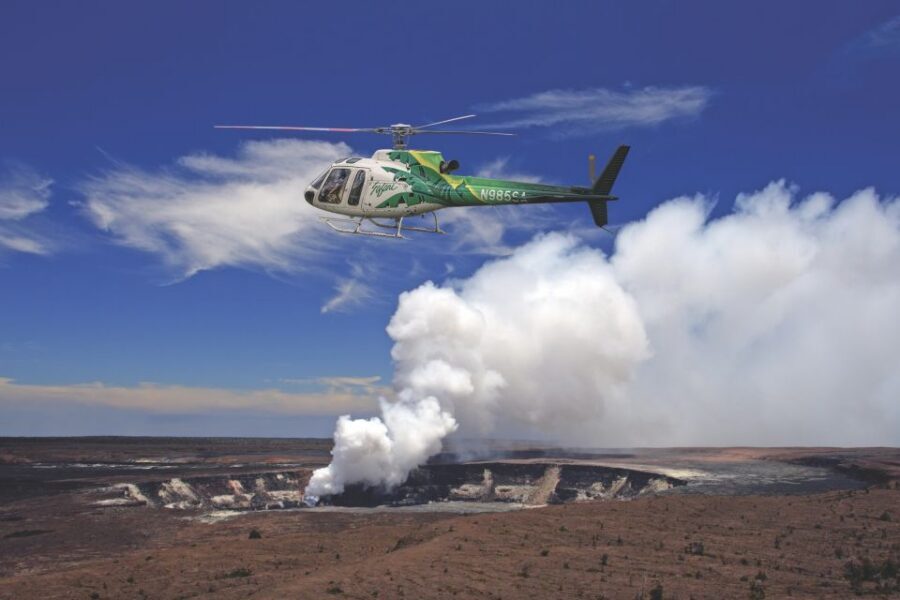
This ride doesn’t read like a road-trip itinerary. Instead, each “stop” is a planned aerial viewpoint as you move through the park region. Here’s what those named areas typically mean for what you’ll notice from above.
Stop: Hawaii Volcanoes National Park
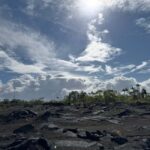
You’ll fly directly into the park area after departing Hilo. This is where the scenery flips from town and coastline context into something strict and volcanic. Even if you’re not a geology nerd, you’ll spot the “why people come here” quickly: lava textures, black sand areas (from the coast), and the stark contrast between barren ground and vegetation zones.
A plus: the helicopter lets you connect the dots between features that are far apart by road. A drawback: if cloud cover rolls in, you may lose some sight lines. That’s why the weather note isn’t fluff—plan around it.
Stop: Kilauea and the Caldera Feel
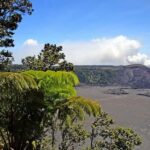
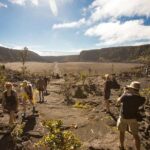
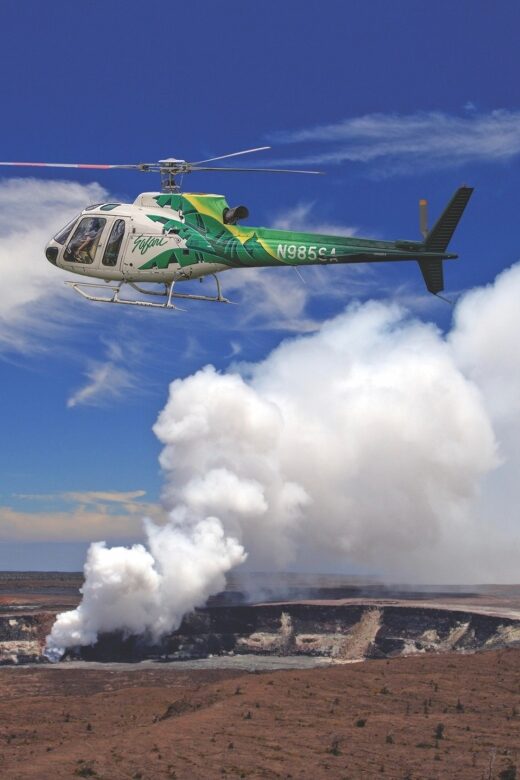
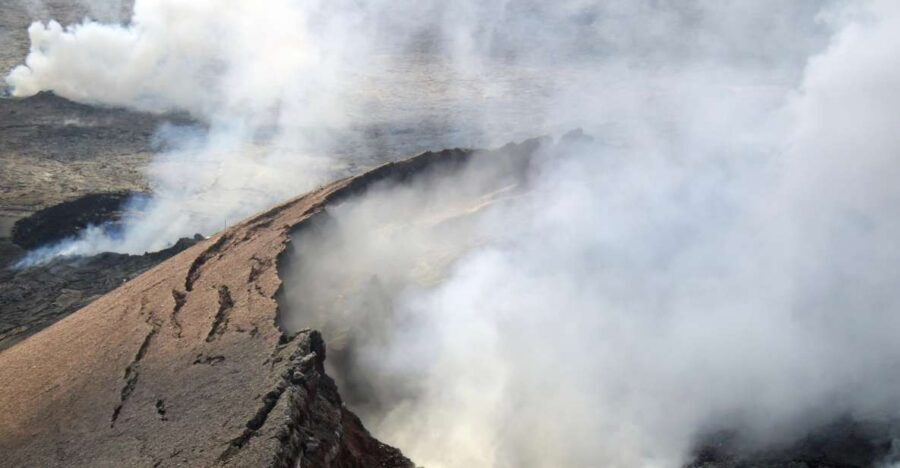
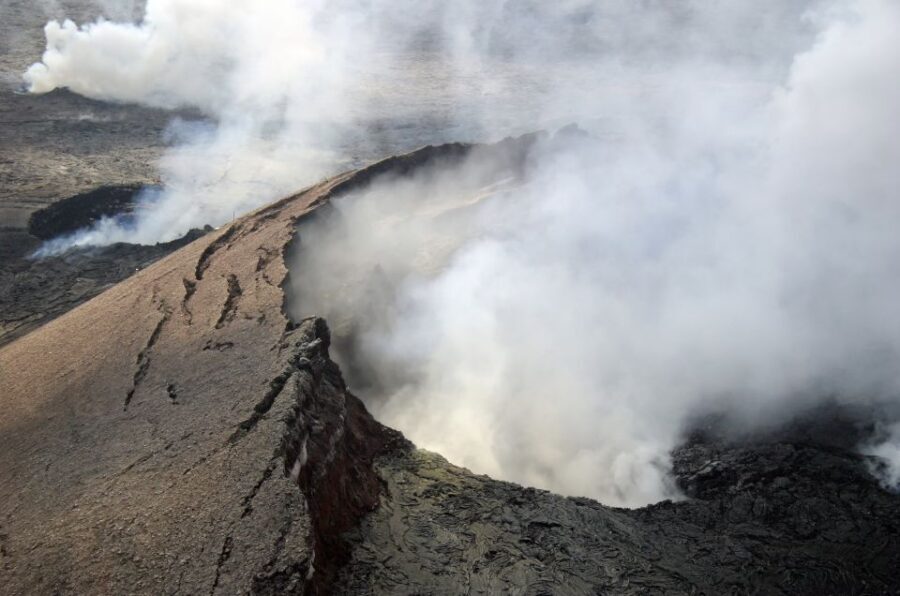
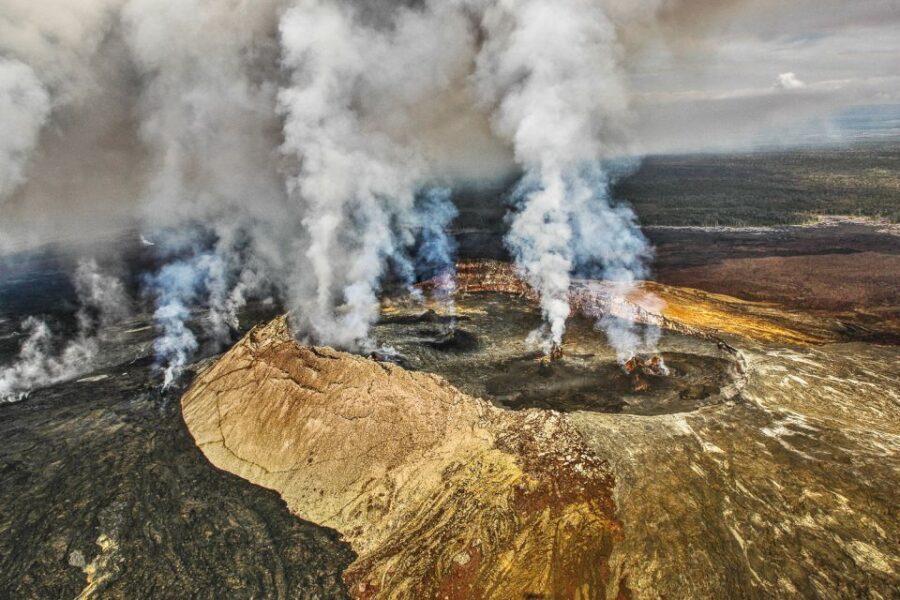
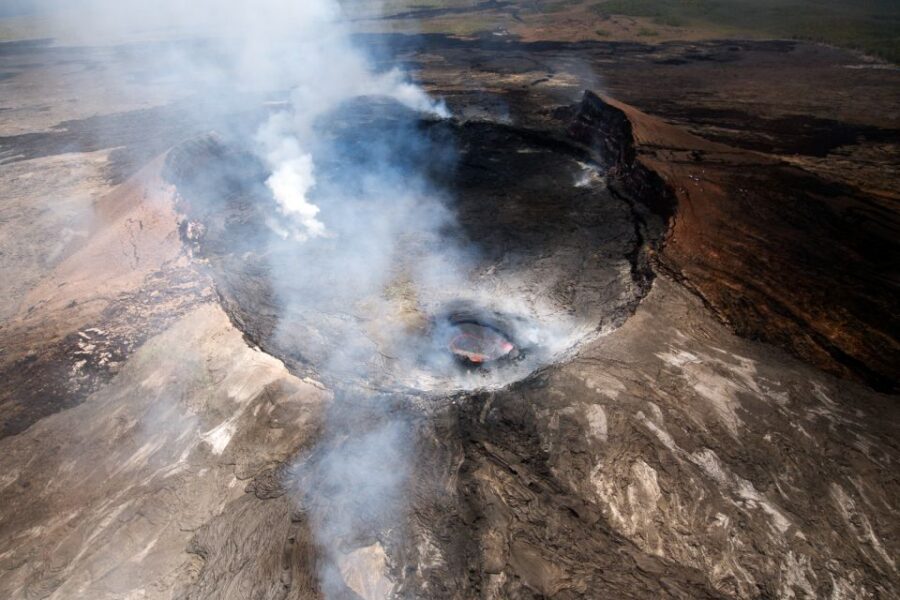
The Kilauea caldera is one of the main reasons to book. From above, the caldera stops being an idea and becomes a shape—almost like a bowl in the earth. You can often see how the terrain funnels activity and how the surrounding high points frame the interior.
This is also the section where you’re most likely to feel the scale. Even a short look at the caldera makes the park’s volcanic story feel real. If you’re excited to see active forces, this is where that “bucket list” energy tends to land.
One practical tip: bring your camera strap-ready. You’ll want both hands free quickly when the pilot points out the best angles. (And yes, this is where asking the pilot about the best side view can pay off.)
Other helicopter tours in Hilo
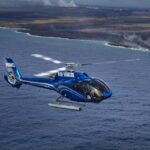
Stop: Pu‘u ‘Ō‘ō Volcanic Cone from the Sky
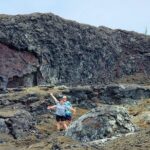
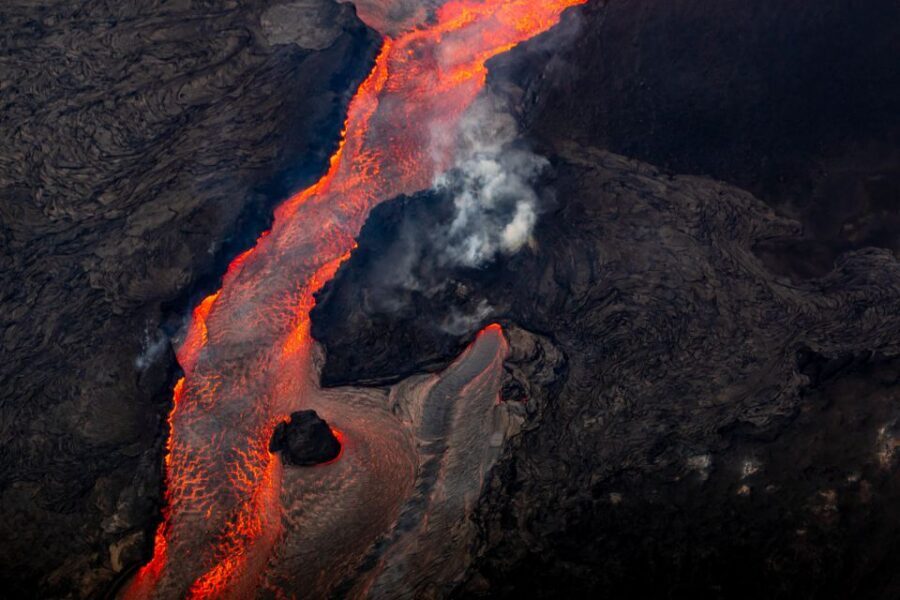
Next comes Pu‘u ‘Ō‘ō, the volcanic cone area. A cone can look “simple” from a distance, but from the air you’ll usually notice how the slopes and surrounding terrain interact. You may also get a better sense of how lava fields spread outward over time—especially where newer flows sit next to older hardened sections.
This part is about transformation. The flight profile is designed so you’re not just seeing one moment; you’re seeing a sequence of land change.
Stop: Lava Fields, Black Sand, and Where Water Finds a Way
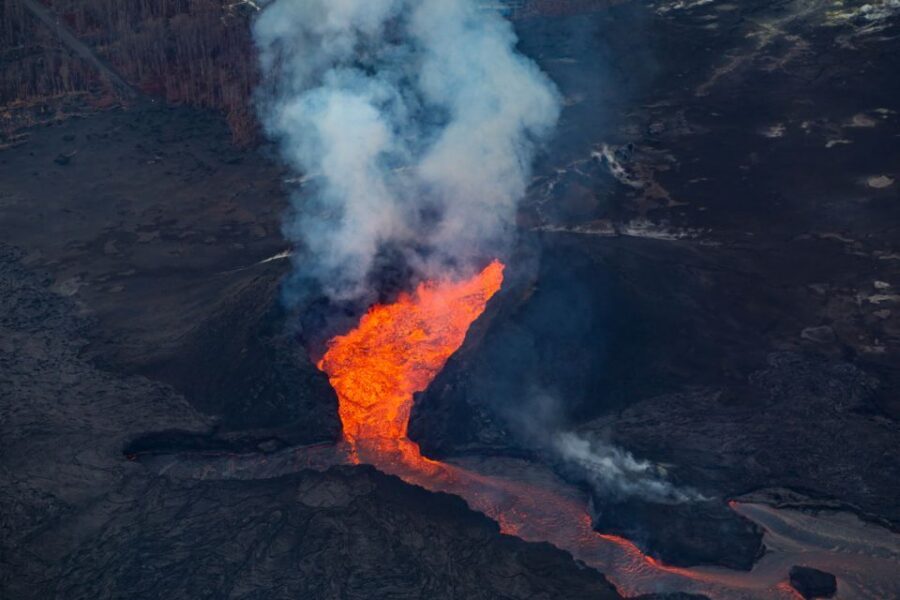
Even when the itinerary mentions specific names, you’ll likely spot the broader processes between them. The tour description references black sand beaches where lava once flowed into the sea, and it also calls out new lava fields forming alongside older lava fields.
From above, those details aren’t just trivia. They help you understand why Hawaii’s environment is always in motion. Land isn’t frozen here. It grows, hardens, and then gets reclaimed. Even when you can’t read dates or maps from the helicopter, you can still see the evidence of change.
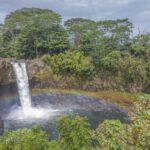
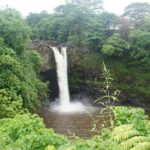
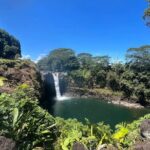
Then there’s water. The route includes sections where waterfalls plunge into dense jungle greenery, forming deep blue pools. That blue isn’t guaranteed—weather and visibility matter. But when you do see it, the contrast is striking: heat and gravity work together here, and the result is both powerful and beautiful.
Stop: Mauna Kea (Distant, Huge, and Different)
You’ll take in Mauna Kea from the air as you move through the views. Expect it to read as distance and shape rather than a close “walk-up” mountain. The flight’s value is that you can see Mauna Kea as part of the same volcanic system as the lower, closer activity zones.
This is also a good place to slow down mentally. Helicopters move quickly, but Mauna Kea and Mauna Loa help you step back and notice the island as a whole.
Stop: Mauna Loa
Finally, you’ll get Mauna Loa in the distance. Like Mauna Kea, it’s often the kind of view that makes you realize why people talk about Hawaii’s scale instead of just its beauty. From the air, Mauna Loa feels like a giant presence even when you’re not staring directly at it.
If your main goal is awe, this is where it tends to land. If your main goal is photos, it’s a good moment to be ready with a wide lens or phone camera settings that handle bright light and contrast.
Weather Is Not a Technicality Here
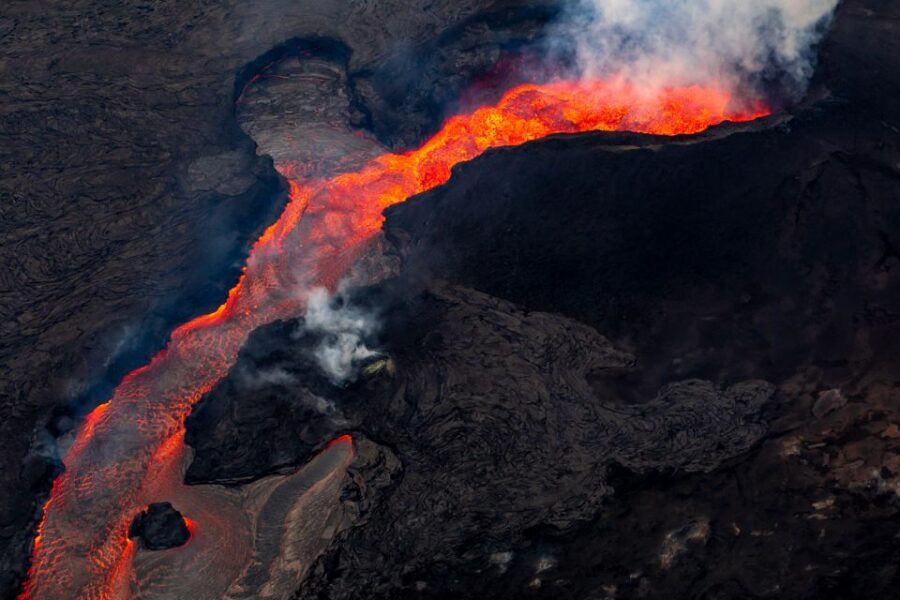
The tour is explicitly weather dependent, and that affects what you can see—especially for waterfall views and the sharpness of the terrain below. A pilot’s job is to keep things safe and maximize visibility, and you may notice that plans shift as conditions change.
In the experience stories, pilots like Sam have adjusted the planned route when better weather opened up higher on the mountain. That’s exactly the kind of thing you want on a helicopter tour: not a rigid script, but a smart adaptation that turns a “maybe” into a “yes.”
So how should you prepare? Keep expectations flexible. If you arrive on a marginal day, remember you’re still paying for aerial volcanic views, not a guaranteed waterfall show. The view might be calmer, cloudier, or less dramatic—yet it can still be fascinating.
Seats, Weight, and Comfort: The Rules That Shape Your Flight
Helicopters are small. That’s part of the charm and part of the strictness. This tour is limited to 6 participants, which means fewer people and more attention per passenger, but it also means weight and seating requirements are enforced.
Bring the right basics: you’ll want passport or ID, plus a credit card. Then check weight before you go. The weight balance and safety rules are clear:
- If an individual guest is 250 pounds or more, you may be required to purchase an additional seat.
- If two guests individually don’t exceed 250 pounds, but together weigh 420 pounds or more, you may need an additional seat.
- People unable to sit upright won’t be permitted.
- The tour is also marked not suitable for claustrophobia, afraid of heights, vertigo, motion sickness, pregnancy, people with a cold, and children under 2.
If you’re on the fence about fear of heights or motion sickness, take the listing seriously. This isn’t a bumpy amusement ride; it’s a real aircraft in real conditions.
A small practical move: when you check in, ask about the best viewing side for the route that day. Reviews highlight that seat placement can matter, and it’s smart to advocate early.
Price and Value: What $379 Buys You in the Real World
At $379 per person, this isn’t the cheapest way to see Volcanoes National Park. What makes it feel like value is the time-and-sight combo.
You’re getting:
- Aerial views of the Kilauea caldera
- Pu‘u ‘Ō‘ō cone viewpoints
- Distant framing of Mauna Kea and Mauna Loa
- Potential waterfall views and deep pool glimpses (again, weather dependent)
If you’ve tried to “do” the park from the ground, you know how much time gets spent driving between viewpoints. This flight skips that. It trades road time for direct visual access to features that can be hard to connect or photograph in one clean line.
In other words: you’re paying for reduction. Less driving. Less searching for angles. More “here’s the whole picture from above.”
That said, don’t book this expecting guaranteed waterfall spectacle on every day. Weather is the wildcard, and you’ll want your day to be flexible enough to accept it.
Who This Tour Fits Best (and Who Might Skip It)
You’ll probably love this tour if you:
- Want maximum volcano views in minimal time.
- Prefer seeing the big shape of the island system from above.
- Are comfortable with aircraft noise, enclosed seating, and short, focused flights.
You might want to skip—or seriously reconsider—if you:
- Have vertigo, motion sickness, or strong anxiety about heights.
- Are pregnant or dealing with medical issues that affect mobility or breathing.
- Don’t feel you can sit upright in a fixed seat for the duration.
For families: the tour is marked not suitable for children under 2, so plan accordingly. The rest is mostly about your comfort with helicopter travel, not about physical walking.
Should You Book the Hilo Volcano Helicopter Flight?
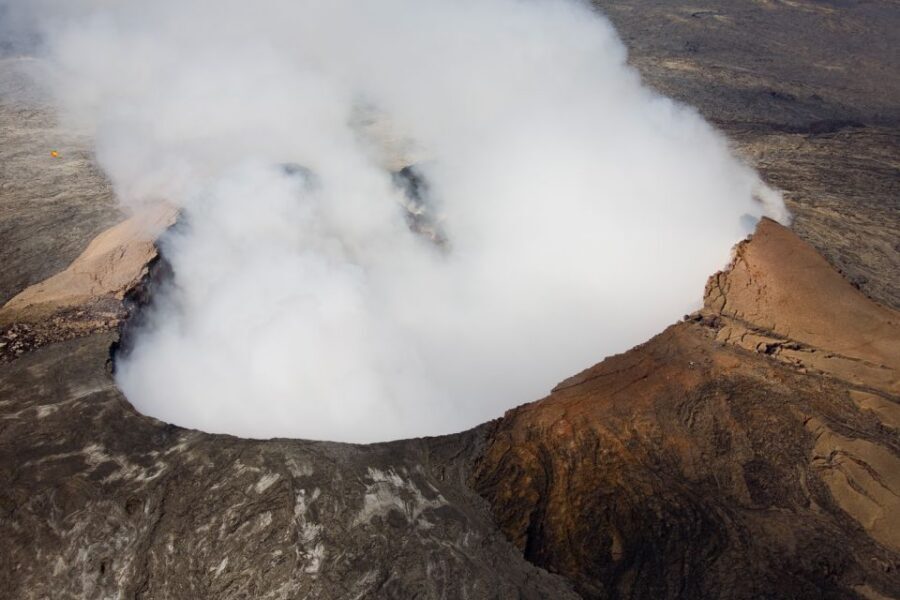
If your top priority is a fast hit of volcano scale—caldera, cone, and twin-mountain views—this is a strong pick. The small group size helps, and the pilot flexibility can make a real difference when weather shifts.
Book it if you can handle:
- Being at the mercy of weather dependent viewing
- Helicopter comfort realities (noise, posture, and fixed seating)
- The strict weight guidance
Skip it if you’re likely to struggle with heights, motion sensitivity, or enclosed-space stress. In those cases, no amount of volcanic scenery is worth it.
If you get a clear day, this flight is the kind of experience that makes Volcanoes National Park feel less like a place you visit and more like a process you can see.
FAQ
How long is the helicopter tour?
The tour duration is 1 hour. Starting times can vary, so you’ll need to check availability for the schedule.
Where do I meet and where does the tour end?
You meet at Safari Helicopters at 2220 Kekuanaoa St. The tour ends back at the same meeting point.
What stops will we fly over during the tour?
The route includes aerial viewpoints over Hawaii Volcanoes National Park, Kilauea, Pu‘u ‘Ō‘ō, Mauna Kea, and Mauna Loa.
Is the tour suitable for kids?
The activity is marked not suitable for children under 2 years old.
Are there weight requirements for passengers?
Yes. Weight balance rules are strict. If you weigh 250 pounds or more, you may be required to purchase an additional seat. If two guests together weigh 420 pounds or more (while each is under 250 pounds), additional seating may also be required.
What should I bring to check in?
Bring a passport or ID card and a credit card. The tour is also listed in English with a live tour guide.