REVIEW · BIG ISLAND OF HAWAII
Sunset Manta Ray Tour in Kailua-Kona
Book on Viator →Operated by Hawaii Marine Life Charters · Bookable on Viator
A manta ray night swim can sound unreal at first. What makes this one in Kailua-Kona work so well is the custom LED light boards that draw plankton close, plus the small group size that keeps the water calm and lets you actually watch manta rays glide in and feed.
I also like how the crew sets you up for comfort and confidence before you ever get in. Wetsuits and snorkeling gear are included, and guides like Mitch and Riley focus on clear instruction so you know what to do when the water goes dark.
One thing to plan for: the ride can get bumpy. If you’re prone to seasickness, take something in advance, and pack a towel or cover-up for when you’re done swimming.
In This Review
- Key Things I’d Prioritize
- Where You Start: Honokohau Marina and a Smooth Night Setup
- The Boat Ride to Garden Eel Cove (and Why Zodiac Style Helps)
- The Real Star: LED Lights, Plankton, and Watching Mantas Feed
- What Snorkeling Feels Like in the Dark (and How Guides Help)
- The Itinerary Moment: Getting Into Garden Eel Cove / Manta Heaven
- Small Group Size: Better Views, Less Stress
- Gear, Snacks, and the Little Comforts That Matter
- Seasickness, Cold Water, and Weather: What You Should Actually Plan For
- Is It Safe? Yes, and Here’s Why the Briefing Matters
- Value for the Money: Why $103.33 Can Make Sense
- Who Should Book This Tour (and Who Might Skip)
- Should You Book the Sunset Manta Ray Tour in Kailua-Kona?
- FAQ
- How long is the sunset manta ray tour?
- Where does the tour start and end?
- What’s included in the price?
- How many people are on the boat?
- Do I need to be a strong swimmer?
- What should I bring for a night snorkel?
- What if it’s rainy or the weather is poor?
- What’s the cancellation window?
Key Things I’d Prioritize
- LED light boards that attract plankton so mantas show up more consistently
- Small group experience (max 10) for less crowding and better in-water attention
- Safety and manta briefing before you enter the water
- Warm drinks and snacks on the way back, including hot chocolate or tea
- Underwater videos taken for you and sent afterward (AirDropped)
- Zodiac-style night travel that gets you to the action fast once you’re underway
Where You Start: Honokohau Marina and a Smooth Night Setup
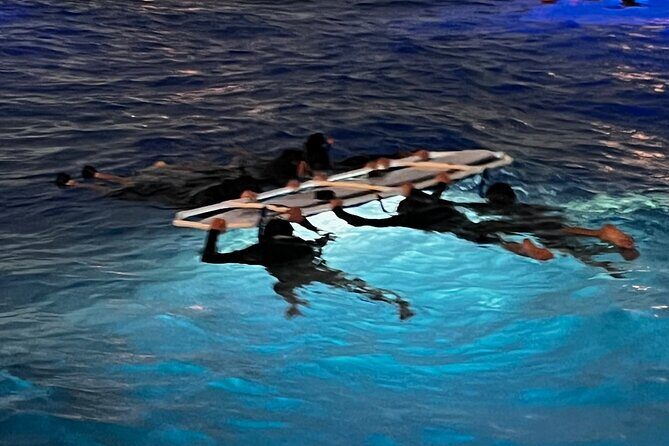
You meet at Hawaii Marine Life Charters in Honokohau Marina, slip #G-8 on Kealakehe Pkwy. The meeting point is straightforward and designed for quick check-in so you spend less time standing around and more time in the water.
This tour runs about 2 to 3 hours, and it’s scheduled around sunset/night conditions. That timing matters more than you might think. Mantas in this area come in to feed on microscopic plankton attracted to the lights, so you want darkness and calm timing when you arrive at the cove.
Before the water part, you’ll get a safety and manta ray briefing. That briefing is not fluff. It helps you understand how to move in the water, what the mantas are doing, and why the rules exist (mainly to keep you safe and keep the animals comfortable).
Other Manta Ray night snorkel tours in Big Island of Hawaii
The Boat Ride to Garden Eel Cove (and Why Zodiac Style Helps)
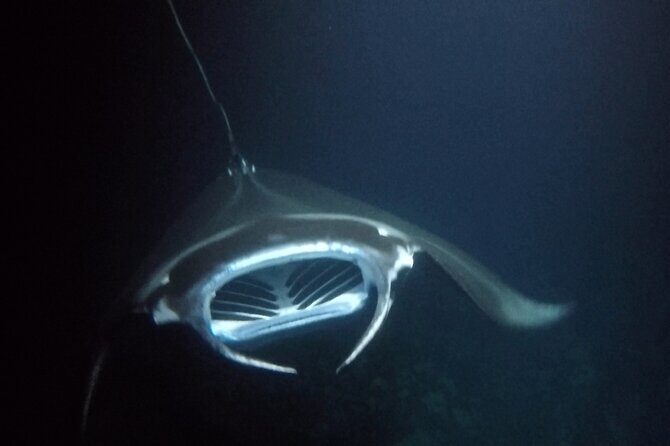
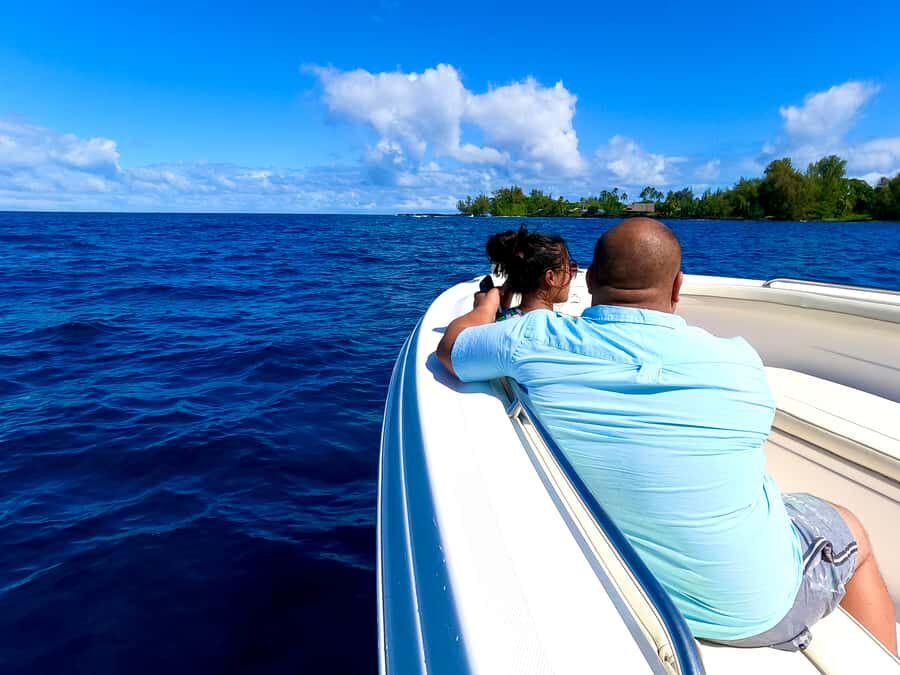
Once everyone’s checked in, the crew takes you out by boat to the feeding area near Garden Eel Cove / Manta Heaven. Expect it to be dark—pitch black during parts of the approach—so you’ll feel more like you’re heading toward something you can’t yet see.
A big advantage here is the smaller, more flexible boat style. Several reviews highlight that the ride feels manageable, and because the group is capped at around 10 (with the crew onboard), you aren’t herded like you might be on larger charters. You’ll also likely have a better chance of getting in quickly when the mantas are active, since smaller operations can adjust faster.
That said, one caution comes up repeatedly: it can be bumpy at times. If you’re sensitive to motion, bring your own plan—seasickness medication if you normally need it. It’s also smart to dress in layers for the ride and not assume the temperature will stay friendly just because it’s Hawaii.
The Real Star: LED Lights, Plankton, and Watching Mantas Feed
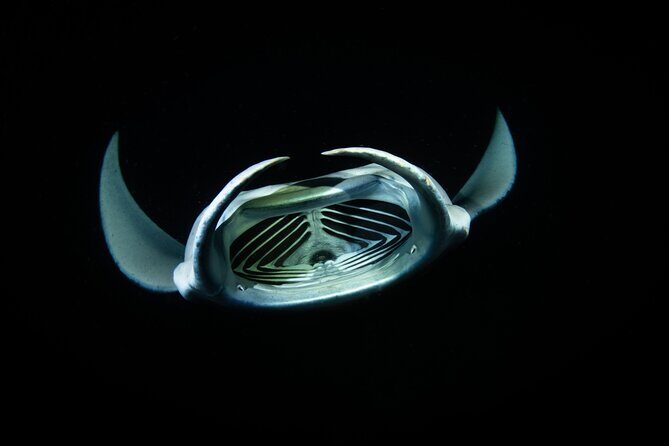
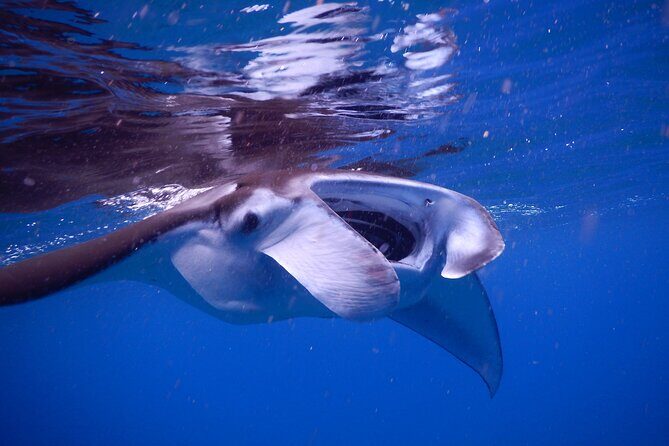
Here’s the core of why this tour feels so special. You’re not just snorkeling near mantas—you’re snorkeling at night while a feeding process is happening. The crew uses custom-made high-intensity LED light boards to attract plankton. When the plankton shows up, mantas follow to eat.
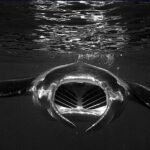
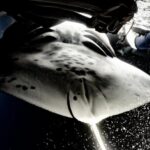
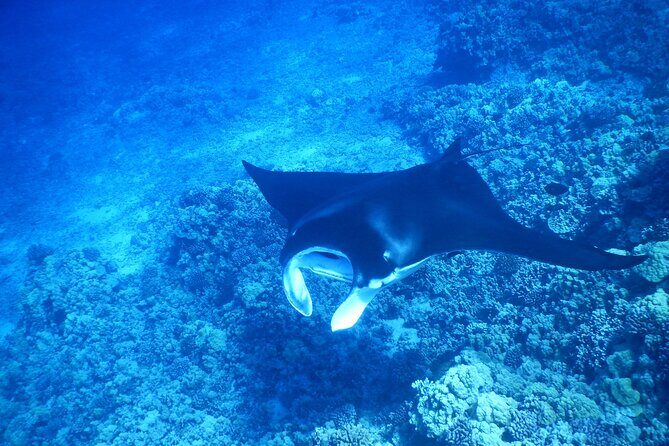
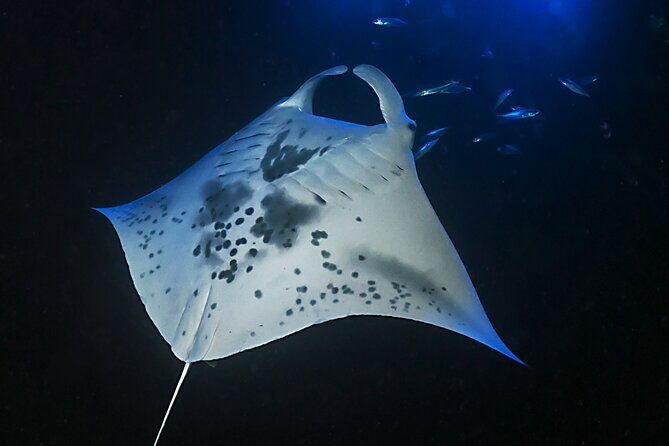
The mantas are huge, too. Up to about 16 feet across and weighing up to 1,600 pounds. That sounds intimidating until you understand what they do in this situation. They’re filter-feeders, meaning they’re focused on microscopic plankton, not on aggression. They also have no teeth, stingers, or barbs—so you’re dealing with a gentle feeding animal, not a threat.
What you’ll experience in the water is often described as unreal-close. People report mantas swimming right up to their board, making repeated passes, and sometimes doing flips while feeding. One review even mentions a manta brushing a snorkeler’s belly because it came extremely close.
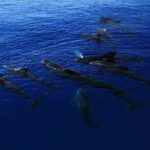
And yes, you’re likely to see other marine life too—like bottlenose dolphins and spinner dolphins, plus lots of fish and the plankton itself glowing under the lights. If you’ve done daytime snorkeling before, you’ll feel the difference instantly: at night, the whole water column becomes part of the show.
What Snorkeling Feels Like in the Dark (and How Guides Help)
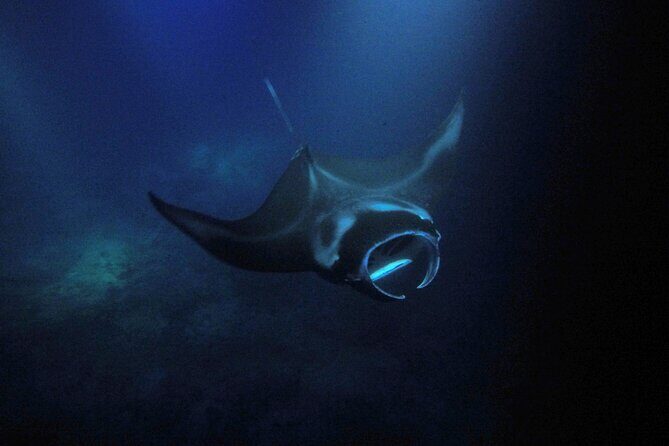
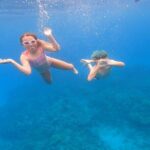
Swimming at night sounds scary until you understand what you’re being asked to do. The best part of this tour is how much the crew supports you through the transition from boat to water.
You’ll go in with a wetsuit and snorkeling gear included. Wetsuit tops are a must for this kind of night water, and that’s echoed in reviews: the water can be cool once the sun is gone. The wetsuit helps you stay comfortable enough to focus on the manta behavior instead of fighting cold.
Guides also help you with practical in-water tasks: how to position yourself, how to breathe calmly, and how to avoid sudden movements near the animals. Reviews mention crews being patient—especially with people who aren’t strong swimmers or who need reassurance. One family member who wasn’t a confident swimmer was told to let them know, and the crew adjusted to make it work.
If you need a confidence boost, this is where you’ll get it. Crew members like Mitch, Riley, Bobby, Brian, and Sky show up in reviews as hands-on instructors. They check in regularly, keep the experience organized, and in some cases take extra time with slower or anxious swimmers so nobody gets left behind.
The Itinerary Moment: Getting Into Garden Eel Cove / Manta Heaven
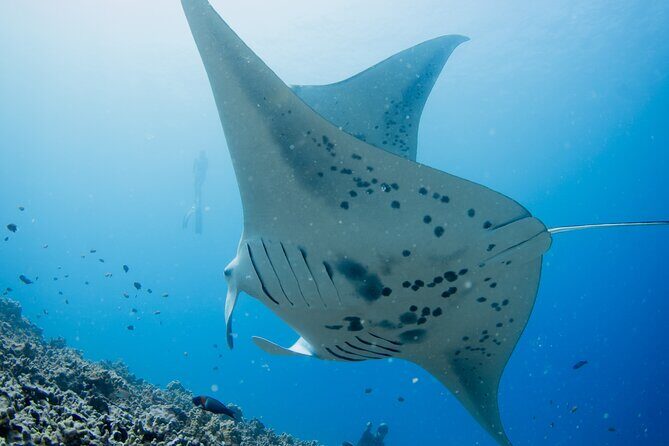
Your main action happens at the feeding cove area—Garden Eel Cove / Manta Heaven. This is where you’ll see the lights attract plankton and mantas move in.
A practical detail: it can take a little time before your first manta appears. That’s normal with animal behavior. Some tours see mantas quickly; others require patience while the mantas finish making their rounds. What matters here is that the crew keeps you engaged and positioned so you’re ready when the mantas show up.
Another detail that makes a difference: the experience is guided with time and attention. People mention being given extra time in the water when mantas are actively feeding. That’s great value—because watching one manta pass once is cool, but watching repeated feeding passes is the real story.
Other evening experiences in Big Island of Hawaii
Small Group Size: Better Views, Less Stress
This is one of the most repeated reasons people rate the experience so high. The tour keeps the group very small, described as intimate and capped around 10 travelers at most.
What that changes for you:
- You’re not fighting for space at the water’s edge or in the snorkel zone.
- Guides can give individual coaching.
- The moment mantas arrive, you can stay calm and watch without feeling like you’ll be jostled.
Some reviews compare it favorably to larger charters in the same area. Even without the need to name competitors, the takeaway is simple: smaller group equals a calmer water setup and a better chance to experience the mantas up close.
Gear, Snacks, and the Little Comforts That Matter
This tour includes snorkeling equipment, snacks, and bottled water. It also tends to include warm drinks on the way back—hot chocolate or hot tea comes up often.
These comforts are not just nice perks. After night water and wetsuits, you’ll feel the temperature shift quickly. Warm drinks make the end of the tour feel like a reset instead of a cold scramble.
Food choices are also simple and practical: chips/cookies and snacks show up in reviews. One review even mentions ginger ale ready when someone started feeling sick. That kind of thoughtful preparedness is exactly what you want on a night activity where conditions can change fast.
Also, you might want a towel or change of clothes ready. A review recommends bringing one because you’ll be wet and then exposed to breeze once you remove gear on the boat or after the snorkel.
Seasickness, Cold Water, and Weather: What You Should Actually Plan For
A night manta snorkel is weather-dependent. If conditions don’t cooperate, the experience can be changed or refunded (you’ll be offered a different date or a full refund when poor weather cancels the tour). That’s important for decision-making because ocean conditions can make the ride uncomfortable.
Here’s what you can do on your side:
- If you get seasick easily, take medication before you leave rather than waiting.
- Dress for cool night air, not just for the warm dock.
- Bring a towel or cover-up for when you’re done swimming.
- If you’re bringing personal items, consider what will stay dry—some people found a dry bag not strictly necessary, but it depends on how wet you get during boarding and exit.
Also note: the tour includes wetsuits and tops, but your comfort still depends on you being prepared. If you hate cold, plan your layers and don’t guess.
Is It Safe? Yes, and Here’s Why the Briefing Matters
You’ll get a safety briefing before entering the water, and the tour is designed around a feeding behavior that’s inherently gentle. The information shared during the experience emphasizes that mantas in this setting are filter-feeders. They have no teeth, stingers, or barbs—so you’re not dealing with a venomous or stinging animal at close range.
Still, “safe” doesn’t mean “do whatever you want.” The rules exist for two reasons:
- To keep snorkelers from flailing near animals.
- To keep the mantas calm while they feed.
If you’re worried about swimming ability, this is the place to communicate upfront. Reviews show that letting the crew know you’re not a strong swimmer helps them guide you through it. That’s where the human side of the operation matters: small groups plus attentive staff can make a big difference.
Value for the Money: Why $103.33 Can Make Sense
At about $103.33 per person, this tour isn’t a bargain. But it’s also not priced like a generic snorkel. You’re paying for:
- A specialized night setup with custom LED boards
- A guided snorkel focused on manta feeding
- Included gear plus snacks, water, and warm drinks
- A small-group format that supports better in-water instruction
- Video capture and sharing afterward (AirDropped in multiple reviews)
In plain terms: you’re not just buying time in the ocean. You’re buying a controlled situation where mantas are more likely to show up close and calmly. When that happens—and multiple reviews describe it happening repeatedly—the price starts to feel fair for what you get.
If you’ve only got one night in Kona and manta rays are your priority, this is exactly the kind of experience that can justify the cost. If you’re looking for an all-day adventure filled with lots of stops and activities, you may find the scope narrow. But if you want the main event done well, the value checks out.
Who Should Book This Tour (and Who Might Skip)
This works best for you if:
- You want a true once-in-a-lifetime animal encounter at night
- You prefer a smaller, less crowded boat
- You’re happy to be outside your comfort zone for a short time and then relax after with hot drinks
You might choose something else if:
- You can’t handle bumpy rides at sea and don’t plan for seasickness
- You’re expecting a long multi-stop day with lots of land time
- You want a daytime snorkeling experience with easier water conditions
If you’re traveling as a couple or family, the small group format is especially helpful. It’s also a great pick for people who want a guide-led experience where you feel looked after before you even touch the water.
Should You Book the Sunset Manta Ray Tour in Kailua-Kona?
If you’re deciding whether a night manta snorkel is worth it, I’d say yes—as long as you plan for the night conditions. The combination of custom LED lights, a very small group, and a crew that gives clear, patient guidance is what makes this one consistently memorable.
Book it if you want manta rays feeding close up, you like the idea of a zodiac-style night approach, and you’d appreciate extras like warm cocoa, snacks, and after-tour video sharing. Skip it or be extra cautious if you’re very sensitive to motion or cold and you don’t want to take steps to stay comfortable.
Bottom line: this is a focused tour built around one magic moment—manta rays sliding through the dark like they own the water.
FAQ
How long is the sunset manta ray tour?
The tour runs about 2 to 3 hours, and most experiences follow that time frame including check-in, boat travel, snorkeling time, and return.
Where does the tour start and end?
The meeting point is Hawaii Marine Life Charters at Honokohau Marina Slip #G-8, Kealakehe Pkwy, Kailua-Kona, HI 96740. The activity ends back at the meeting point.
What’s included in the price?
Snorkeling equipment, snacks, and bottled water are included. The experience also includes a safety and manta ray briefing, and warm drinks (like hot tea or hot chocolate) are served on the way back based on guest reports.
How many people are on the boat?
The experience has a small group size, with a maximum of 10 travelers (and a crew onboard).
Do I need to be a strong swimmer?
Most travelers can participate. If you are not a strong swimmer, let the crew know—multiple reviews mention the guides being patient and supportive with guests who needed extra help.
What should I bring for a night snorkel?
You’ll be in wetsuits, so plan for cool night air. Bring a towel or a cover-up/change of clothes for after the wetsuit comes off, and consider seasickness prevention if you tend to get motion sick.
What if it’s rainy or the weather is poor?
This experience requires good weather. If it’s canceled due to poor weather, you’ll be offered a different date or a full refund.
What’s the cancellation window?
You can cancel up to 24 hours in advance for a full refund. If you cancel less than 24 hours before the experience start time, the amount paid will not be refunded.