REVIEW · BIG ISLAND OF HAWAII
Maunakea Stellar Explorer HILO
Book on Viator →Operated by Kapohokine Adventures · Bookable on Viator
Mauna Kea magic starts in Hilo. This 7-hour Maunakea Stellar Explorer tour strings together classic Hilo scenery and lava-country stops, then moves you into the kind of night-sky viewing you can’t fake with an app. I like the hotel pickup that keeps your evening stress low, and I also really value the hands-on Dobsonian telescope session for seeing real deep-sky objects. The main drawback to plan for is simple: your stargazing happens from viewing areas near the mountain, not the summit observatories, and weather and sky conditions will affect what you can see.
I also like how the day feels built for first-timers. You get daylight highlights (waterfall, river photo stops, and Kaumana Caves) plus both solar and astronomy viewing later. With a maximum group size of 26, it stays friendly enough for real questions, not just a bus lecture.
In This Review
- Key Points Worth Getting Excited About
- Hilo Timing and Transport: Why the 3:30 pm Start Matters
- Rainbow Falls and Boiling Pots: Two Photo Stops That Set the Mood
- Kaumana Caves Park and Picnic Lunch: Lava Tube Time
- Mauna Kea Stargazing With Dobsonian Telescopes: What You Can Expect to See
- Saddle Road Solar Viewing: Sunspots and Prominences in True Color
- Food, Drinks, and Comfort: More Than a Token Snack
- Guides and Storytelling: Why the Human Part Gets You to Look Longer
- Price and Value: Is $240.73 a Fair Deal?
- Quick Checklist for a Better Night Sky Experience
- Should You Book Maunakea Stellar Explorer HILO?
- FAQ
- What time does the Maunakea Stellar Explorer HILO tour start, and how long is it?
- Is hotel pickup included?
- What food and drinks are included?
- Are entrance fees included at the stops?
- Does this tour go to the Mauna Kea summit?
- What if the weather is poor?
- Do you accommodate dietary restrictions?
Key Points Worth Getting Excited About
- Hotel pickup and round-trip transport mean you skip the whole figuring-out part
- Dobsonian telescope stargazing focuses on wide, high-impact views of planets and deep-sky targets
- Kaumana Caves picnic lunch adds a lava-tube element before you go full night-astronomy
- Solar viewing on Saddle Road can show sunspots, prominences, and solar flare activity when conditions allow
- A small max group size of 26 travelers keeps the pace workable for most people
Hilo Timing and Transport: Why the 3:30 pm Start Matters
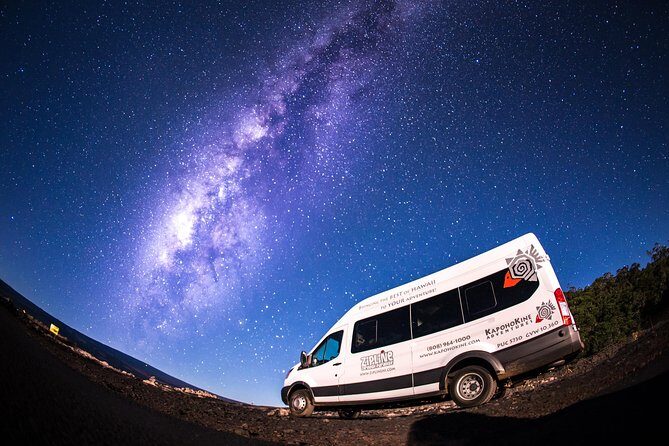
This tour runs late afternoon into the night, starting at 3:30 pm and lasting about 7 hours. That timing is the point. You’re not rushing from one thing to the next without a plan; instead, you’re using the drive time to see Hilo highlights while the sky gradually darkens.
Pickup is available from major hotels, and you’ll head back to the starting meeting point at 93 Banyan Dr, Hilo when the night ends. The group is capped at 26, which matters on a day like this. You’ll want your guide to be able to set up equipment and still answer questions while everyone can actually get a look.
Tip: wear shoes you’d trust on uneven paths. You’ll be switching between vehicle time and walking time, including cave steps and outdoor viewing areas later.
If you're still narrowing it down, here are other tours in Big Island of Hawaii we've reviewed.
Rainbow Falls and Boiling Pots: Two Photo Stops That Set the Mood
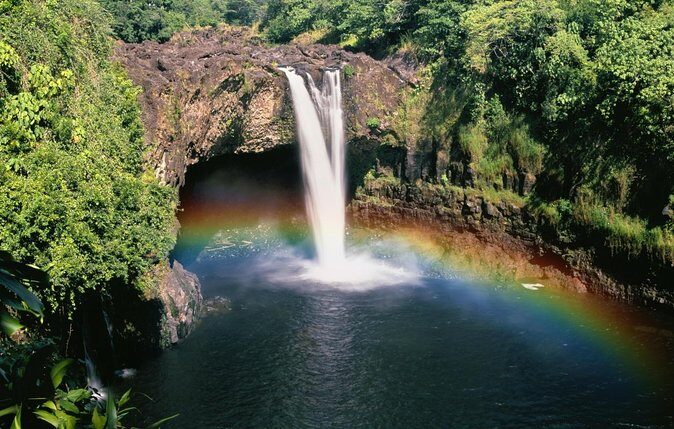
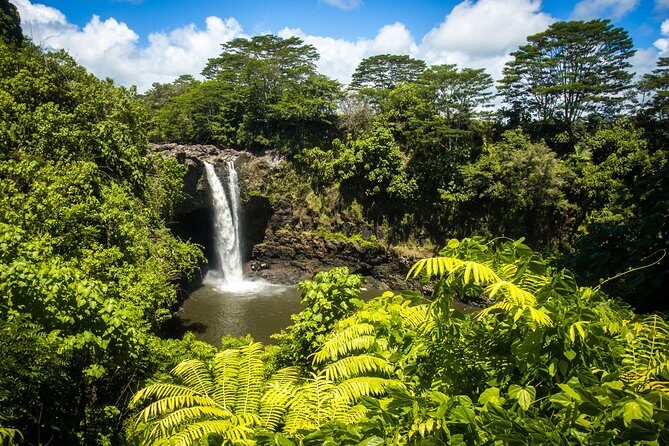
The first half of the tour is all about getting you grounded in the Big Island, not just rushing to Mauna Kea. Stop one is Rainbow Falls, a twin waterfall system about 80 feet tall right near Hilo town. The classic feature here is that rainbow effect you might see when light and mist line up—if you catch it, it looks like a postcard. Even if you do not, the waterfall is still worth seeing.
Next up is Boiling Pots on the Wailuku River. This is one of those places that’s surprisingly photogenic once you understand what you’re looking at: the river looks like it’s bubbling or boiling as water moves through rock depressions. It’s a fast stop (about 20 minutes), but it’s a great break before the rest of the day gets more cave-and-mountain focused.
Practical note: if it’s raining, it can add drama. Just be ready for slippery spots and bring proper footwear. A poncho helps too, because you’ll be outside in short bursts.
Kaumana Caves Park and Picnic Lunch: Lava Tube Time
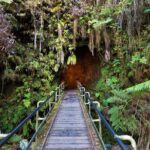
At Kaumana Caves Park, you step into a lava tube system that helped bring lava from about 1.5 miles from Hilo-town in 1881. This stop tends to feel different from the waterfalls because it’s not all about views from the outside. It’s about stepping into a cathedral-like dark space and seeing how the island’s volcanic past still shapes what you experience today.
You’ll spend about 1 hour here. The tour includes a quick picnic-style lunch, positioned as a meal with scenery, right on/near the caves. If you’re traveling with kids, this part often works well because it’s hands-on and visual. If you’re traveling solo, it adds variety so the evening doesn’t become only telescopes and explanations.
Cave-ready advice from what I’ve seen guides do on this kind of stop: expect uneven ground and watch your head when moving through tighter areas. Closed-toe shoes with good grip are your friend. Some guides also hand out flashlights, which helps a lot in a lava-tube setting.
Mauna Kea Stargazing With Dobsonian Telescopes: What You Can Expect to See
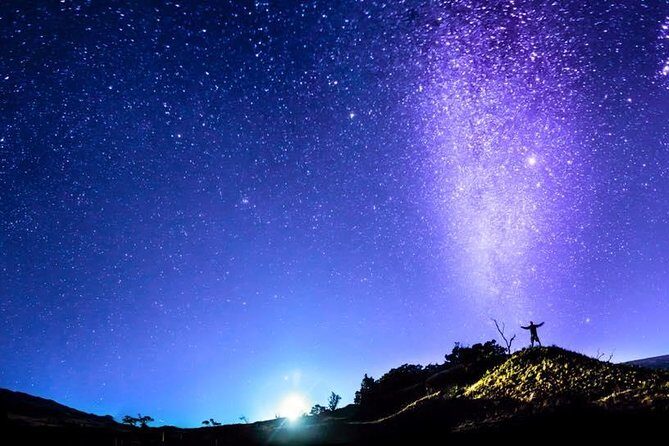
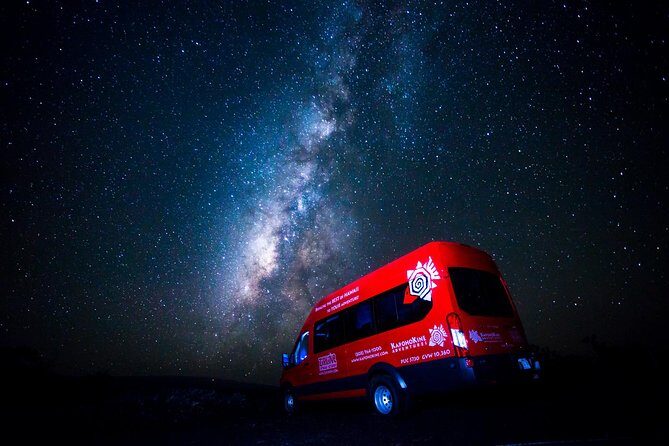
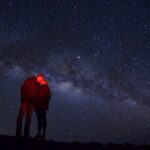
This is the core of the evening. The tour takes you to one of their preferred viewing locations on Mauna Kea (not the summit observatory area) for about 1.5 hours of stargazing. You’ll observe deep-sky and planetary objects through a large aperture Dobsonian telescope.
Here’s what that telescope choice means for you. A Dobsonian is designed for grabbing light and showing crisp views, especially for things like galaxies, nebulae, and star clusters. Multiple visitors love that the view is not just a bright dot; it’s more like a slow reveal as your eyes adjust. The tour also points out showpiece objects when they’re visible, including targets such as star clusters and nebulae, along with planets and double star systems. The moon is often part of the lineup when it’s up.
One smart planning move: pay attention to the lunar phase. If the moon is too bright, it can wash out faint deep-sky views. If it’s dark enough, the night can feel much more dramatic. And if the sky has low clouds or fog, you might get waiting time. This is Hawaii. Weather happens.
Ask questions during setup. If you have a must-see target, tell your guide and let them steer. Guides do a lot of pointing and retelling of what you’re seeing, and it helps you leave with understanding, not just photos.
Saddle Road Solar Viewing: Sunspots and Prominences in True Color
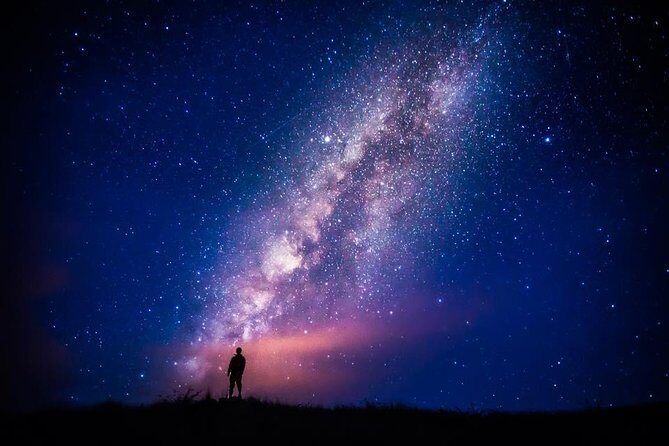
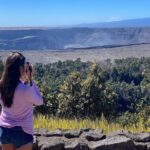
After stargazing, you’ll cross Saddle Road, the stretch between Mauna Kea and Mauna Loa. The tour spends about 1 hour here with a National Park Service–trained guide who narrates volcanology, geology, lava flows, and the flora and fauna you might pass.
Then comes the solar portion. Your guide sets up a solar telescope for viewing the sun in color when conditions allow. You might see activity like sunspots, solar flares, and prominences. This part feels like the tour gives you a second kind of astronomy, one you can enjoy even when the night sky is stubborn.
If you’re curious about how the island’s geology connects to what you see in the sky, this is a good pairing. The tour makes the drive time informational, not just transportation.


Food, Drinks, and Comfort: More Than a Token Snack
You’re not stuck on water and vibes all day. The tour includes bottled water, coffee and/or tea, and beverages. Dinner is provided as part of the experience, and the day also includes the picnic-style meal at Kaumana Caves Park.
In practice, this matters because your body will notice the temperature shifts. You’ll go from warm-ish late afternoon in Hilo to cooler mountain air. Bring layers. Even if you run warm, your hands can feel cold during long telescope viewing.
Some guides bring warm layers or parkas and hot drinks, and you may find that you’re better prepared than you expected once you arrive. Still, I wouldn’t count on one perfect warm-up plan. Pack a jacket you like, even if you think you won’t need it.
Also plan for the day’s meals to be more practical than fancy. This is a sightseeing-and-astronomy format, not a multi-course restaurant night.
Guides and Storytelling: Why the Human Part Gets You to Look Longer
A telescope session can become passive if the guide is quiet. The best versions of this tour lean hard into explanation and storytelling so you keep watching and asking.
Different guides lead this experience, and names like Rich, Eric, Henry, Nate, Hunter, Sam, and Bill show up in real-world experiences. Common thread: they tend to connect astronomy to what you can actually see, and they work in Hawaiian culture and local context as the day goes on.
I also like that the itinerary builds in time for conversation before and between the heavy stargazing moments. Some nights include extra patience if fog rolls in. Other nights go smoother. Either way, the guide’s role is to turn your confused looks into a sense of direction: this is the moon, that is a constellation, that smudge is a nebula.
A small consideration: stargazing is a group activity, and setup takes time. If you prefer a silent, self-guided experience, you may find the narration and pointing a bit busy. But if you like being guided, it’s a strong fit.
Price and Value: Is $240.73 a Fair Deal?
At $240.73 per person, this is not a bargain-basement activity. It’s priced more like a true guided excursion with real gear and real logistics. The value comes from what’s bundled:
- Hotel pickup and drop-off plus round-trip transport
- Meals and drinks (bottled water, coffee/tea, beverages, and dinner)
- Admission coverage at key stops like Rainbow Falls, Boiling Pots, and Kaumana Caves
- The expensive part: telescope time and guide staffing
If you only wanted one waterfall or only wanted to see Saturn, you could piece together cheaper options on your own. But for a short Hilo stay, getting multiple stops plus telescope viewing in one organized day is where the pricing starts to make sense. You’re also paying for convenience. You don’t have to figure out which roads to take at dusk, where to park, or how to coordinate timing around a mountain sky.
So who gets the best deal? First-timers who want a guided run at Hilo highlights and a serious look at the night sky, plus people who want to avoid hunting down equipment or hoping they timed the right viewing location.
Quick Checklist for a Better Night Sky Experience
- Bring closed-toe shoes with good grip (caves and uneven areas are part of the story)
- Pack a poncho or rain gear for Rainbow Falls and Boiling Pots, especially in rainy weather
- Wear layers for Mauna Kea-style nighttime air
- Check moon phase timing if seeing the moon versus faint deep-sky objects matters to you
- Ask your guide for targets if you have specific things you want to see
- If conditions are hazy or foggy, give it time. That wait can be part of the real outcome
Should You Book Maunakea Stellar Explorer HILO?
Book it if you want a guided Big Island evening that mixes culture and geology with genuine telescope viewing. This tour fits well when you’re staying around Hilo and you only have a limited window to do Mauna Kea-area stargazing without the hassle of planning the logistics yourself.
Skip it if you’re expecting a summit observatory experience or a guaranteed show-stopper night sky view. This kind of astronomy is weather- and sky-condition dependent. You also need to accept that the night sky experience is a shared group event with setup time, not a private, totally silent observing session.
If you’re the type who enjoys being shown what to look for, this one is worth considering. With the combination of Rainbow Falls, lava-tube caves, telescope stargazing, and solar viewing on Saddle Road, it’s one of the more packed value choices for a first Mauna Kea night.
FAQ
What time does the Maunakea Stellar Explorer HILO tour start, and how long is it?
It starts at 3:30 pm and runs for about 7 hours.
Is hotel pickup included?
Yes. The tour offers hotel pickup and drop-off from major hotels. You can contact 808-964-1000 for more details.
What food and drinks are included?
The tour includes beverages, bottled water, coffee and/or tea, and dinner. You’ll also have a picnic-style meal at Kaumana Caves Park.
Are entrance fees included at the stops?
Yes. Admission tickets are included for Rainbow Falls, Boiling Pots, and Kaumana Caves Park. Admission for Mauna Kea stargazing and Saddle Road solar viewing is marked as free.
Does this tour go to the Mauna Kea summit?
No. The stargazing happens from a preferred viewing location on Mauna Kea, and the tour does not go up to the summit observatories.
What if the weather is poor?
This experience requires good weather. If it’s canceled due to poor weather, you’ll be offered a different date or a full refund.
Do you accommodate dietary restrictions?
Yes. You can note vegetarian/allergy needs in the Special Requirements box during checkout, or contact the provider through Manage my Booking after booking.