REVIEW · BIG ISLAND OF HAWAII
Maunakea Stellar Explorer from Kona
Book on Viator →Operated by Kapohokine Adventures · Bookable on Viator
Mauna Kea nights, minus the summit hassle. This Kona-to–Mauna Kea tour mixes a Kailua Bay dinner with serious telescope time and friendly astronomy teaching. I love the way the Dobsonian viewing gets you wide, crisp views (including targets like Saturn and the Milky Way), and I love that you’re not left guessing—guides like Marcus and Hunter explain what you’re seeing as the night unfolds. One thing to consider: it does not reach Maunakea’s summit, so if you’re chasing the highest sunset/ocean panoramas, your views may feel lower than you hoped.
The pace is built around nighttime dark-sky conditions: you start at 3:30 pm, cruise Saddle Road, eat first, then warm up again after stargazing with hot drinks. It’s capped at a small group size (max 26), and most people can participate, but you should expect a late, chilly evening and bring warm layers even with jackets provided.
In This Review
- Key Highlights to Know Before You Go
- From Kona to Mauna Kea: The Timing That Makes This Work
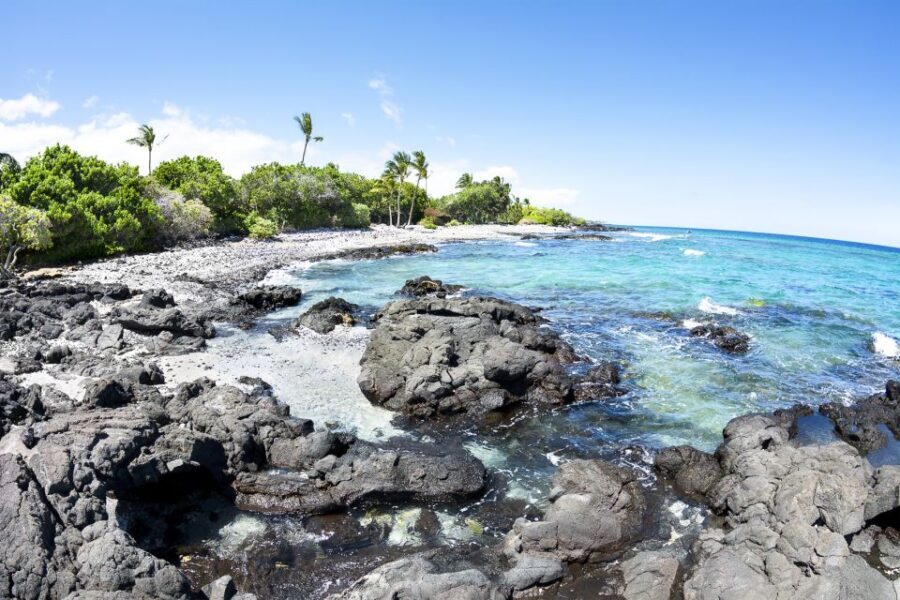
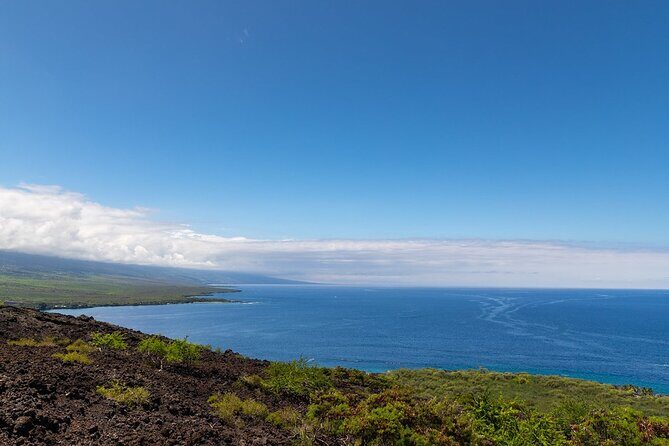
- Kailua-Kona Dinner With a View Over Kailua Bay
- Saddle Road: Volcano Science and a Moving Classroom
- Mauna Kea Stargazing: Dobsonian Telescopes and Real Dark-Sky Vibes
- What You Can Expect to See (and Why “Weather” is Part of the Deal)
- Warm Jackets, Hot Drinks, and Other Comfort Wins
- Price and Value: Is $263.76 Worth It?
- Who This Tour Fits Best (and Who Should Rethink It)
- Practical Tips to Get the Most From Your Night
- Should You Book the Maunakea Stellar Explorer From Kona?
- FAQ
- What time does the Maunakea Stellar Explorer from Kona start?
- How long is the tour?
- Is hotel pickup included?
- What does the tour include besides stargazing?
- Does the tour visit Maunakea’s summit?
- What type of telescope is used?
- Can I request dietary needs or allergies?
- Can I cancel for a full refund?
Key Highlights to Know Before You Go
- Hotel pickup and round-trip transport so you’re not wrestling with timing or driving on your own
- Dinner before stargazing, with a view over Kailua Bay to kick off the night right
- Saddle Road geology talk from a National Park Service–trained guide, including lava flows and what grows there
- Dobsonian telescopes designed for wide-field looking—great for deep-sky objects
- Warm jackets plus hot Kona coffee and hot chocolate to keep you comfortable during the wait
- No summit stop, which shapes where you’ll stargaze and what sunset views you’ll (or won’t) get
From Kona to Mauna Kea: The Timing That Makes This Work
This tour starts at 3:30 pm and runs about 6 hours 30 minutes. That timing matters because you’re leaving before the “real dark” window hits, then arriving with enough daylight transition to get into a stargazing rhythm instead of rushing.
You’ll get hotel pickup and drop-off and bottled water. In real life, that’s a big deal on the Big Island. Kona traffic and parking logistics can add stress fast, and night driving is not where you want to spend your mental energy when your goal is a clear view of the sky.
Group size is capped at 26, which is a sweet spot: big enough to keep it lively, small enough that you’re not waiting forever for your turn at the telescope.
If you're still narrowing it down, here are other tours in Big Island of Hawaii we've reviewed.
Kailua-Kona Dinner With a View Over Kailua Bay
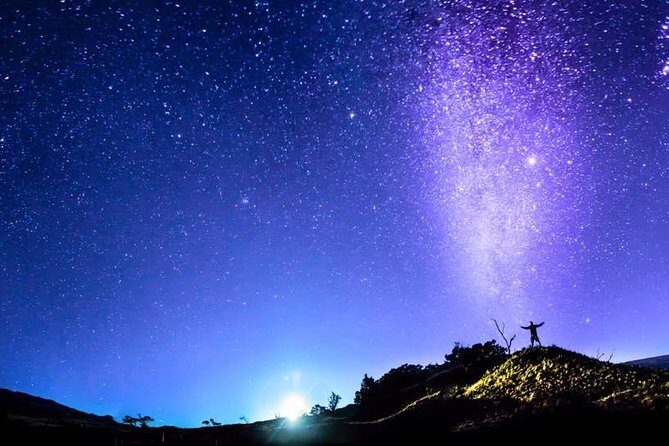
The evening begins with dinner in the Kailua-Kona area. It’s about 1 hour 30 minutes, and the tour includes the meal. The highlight here isn’t just food—it’s mood-setting. If you’re coming from a beach afternoon, this is your transition into Big Island nighttime mode.
You should know what to expect from the meal. It’s described as Hawaiian-style, and many people say the food and service were good. That said, it’s still a tour dinner, so treat it like a solid start, not a Michelin moment. The practical upside is that you’re eating before the cold, before long telescope waiting, and before your eyes need to adjust to darkness.
If you’re sensitive to hunger during tours, this stop helps. A common stargazing mistake is skipping dinner because you don’t want to feel heavy while watching the sky. Here, you don’t have to play that game.
Saddle Road: Volcano Science and a Moving Classroom
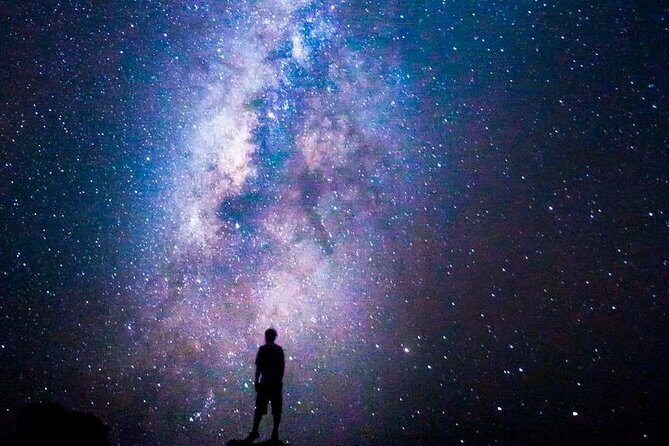
After dinner, you head to Saddle Road. This is a key piece of the value because it turns the drive from point A to point B into part of the experience.
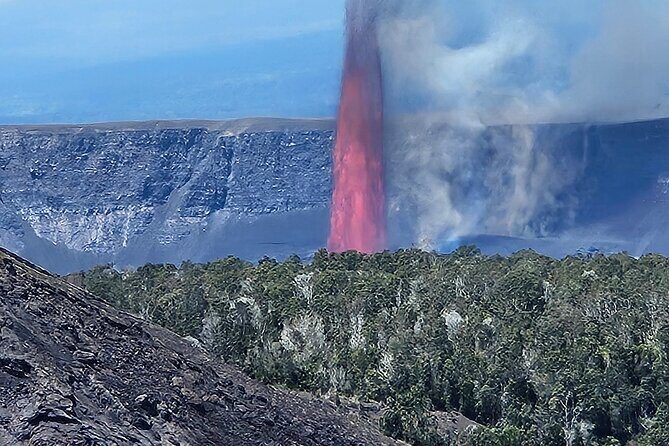
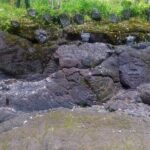
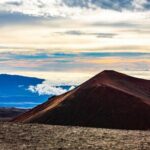
The tour includes about 1 hour here, led by a guide trained by the National Park Service. You’ll learn about the geology and history of the two giant neighbors on either side—Mauna Kea and Mauna Loa—and you’ll get narration about lava flows as well as flora and fauna you pass along the way.
Here’s why this matters for you: stargazing is fun, but it lands harder when you understand the ground under your feet. Volcano talk gives context for how these islands formed and why the slopes look the way they do. Also, it helps you focus during the drive. You’re not just sitting in a van counting minutes.
A realistic note: you’re moving across varied elevations, so the temperature can swing. Dress for cold layers and changing conditions. Even when jackets are provided, you’ll stay happier if you wear warm socks and sweatpants-style layers.
Mauna Kea Stargazing: Dobsonian Telescopes and Real Dark-Sky Vibes
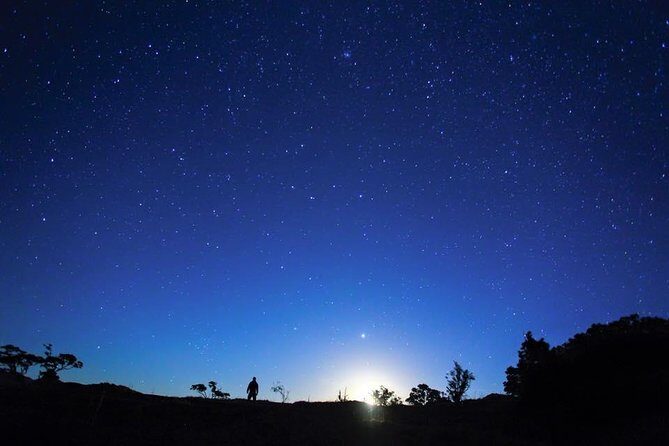
This is the heart of the tour: about 1 hour 30 minutes of stargazing at Mauna Kea, using large-aperture Dobsonian telescopes. The tour is explicit that it does not visit Maunakea’s summit, which is a respectful choice tied to Native Hawaiian concerns.
So what does that mean for your night?
- You’ll still get access to dark sky locations.
- You may not get the same high-elevation viewpoint and sunset scene you’d see from the summit or visitor center.
- You’re going for sky views through telescopes, not a highest-point postcard.
The telescope setup is described as a purist-style experience. In plain terms: Dobsonians are built for getting a strong view with wide field potential, which is great for showing what the sky looks like when it’s not filtered through city lights. Depending on the night’s conditions, you might see galaxies, nebulae, star clusters, planets, double star systems, and the moon.
Multiple guide styles show up in the experience quality, and people consistently mention the guiding approach that makes the viewing stick. Names like Marcus, Hunter, Nate, Adam, Diego, Rich, Mark, and Krystal come up often. The common thread: the guide points out what’s up there and helps you understand the difference between what your eye thinks it sees and what the telescope reveals. Some guides use a laser pointer to help you follow along fast, which is huge if you’re new to constellations.
After telescope time, you’ll warm up with Kona coffee and hot chocolate, then return to your resort.
What You Can Expect to See (and Why “Weather” is Part of the Deal)
Stargazing tours live and die by the sky. If cloud cover or rain moves in, the telescope show can get muted. Even when conditions aren’t perfect, you can still learn and track objects, but the “wow” level drops when the sky is washed out.
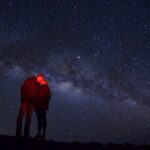
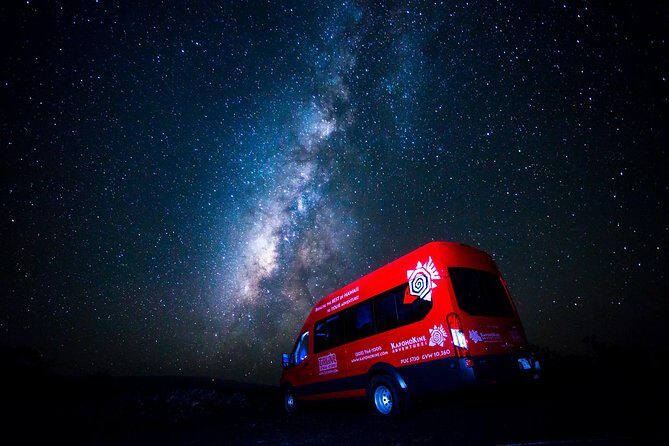
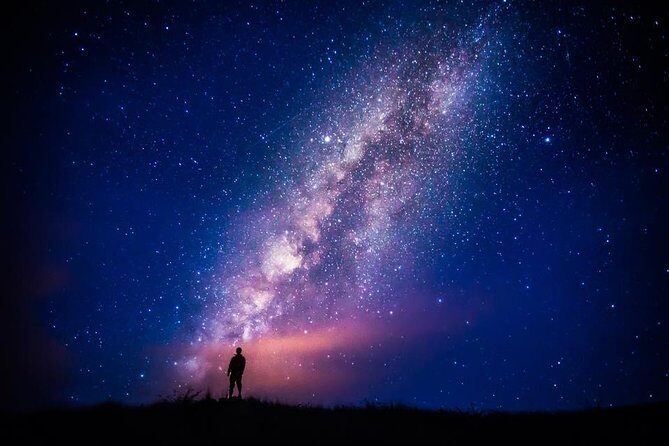
On clearer nights, this is the kind of tour where people talk about the sky feeling almost unreal—especially when you see the Milky Way and can identify objects through the scope. That also explains why so many guides focus on showing you targets that are visible at that moment, not just a fixed script.
If you’re the type who needs to lock in one exact object (like Saturn’s rings), you’ll be happier when you go in with flexibility. You’ll know what’s visible, and the guide will point out what you can realistically hunt that night.
Warm Jackets, Hot Drinks, and Other Comfort Wins
It’s worth calling out the comfort items because they directly affect whether you enjoy the tour or spend the whole time thinking about your toes.
Included basics:
- Bottled water
- Jackets for the nighttime portion
- Kona coffee and hot chocolate after viewing
Even with jackets provided, cold is still cold—one person mentioned around 29 degrees. If that’s your pace, you’ll want extra warm layers. Think gloves, warm socks, and something that blocks wind. The difference between tolerating the cold and forgetting it can be the difference between a good night and a great one.
Price and Value: Is $263.76 Worth It?
At $263.76 per person for about 6.5 hours, you’re paying for more than a telescope.
You’re paying for:
- Transportation with hotel pickup and drop-off
- Dinner
- Jackets
- Guided astronomy and volcano narration
- Access to telescopes and dark-sky locations (without you managing the logistics)
Is it expensive? Yes. Is it overpriced for everyone? Not really. The value is strongest if you:
1) don’t want to drive yourself at night,
2) want a guided explanation so you actually learn what you’re seeing, and
3) prefer a packaged dinner-to-telescope flow instead of planning two separate parts.
Where you might feel the price pinch is when you come in expecting summit elevation views or long, high-altitude sunset time. Since this tour doesn’t go to the summit, people who want that specific scenery may feel like the viewing location is lower than their ideal.
Also, a true reality check: one very bad night (rain or thick cloud) can reduce the star show. That’s not the tour’s fault, but it’s part of why stargazing tours should be bought with a little weather patience.
Who This Tour Fits Best (and Who Should Rethink It)
This tour is a great match for:
- First-timers who want to learn quickly and see real objects through a scope
- People who value the teaching: the guides help connect stars to stories and science
- Anyone staying in Kona who wants pickup and round-trip transport without planning
You might want to rethink it if:
- You’re specifically chasing summit sunset views or the highest possible viewpoint
- You hate cold night conditions and don’t like waiting for long enough to let eyes adjust
- You’re looking for a flexible DIY style instead of a set schedule with a group
One more practical fit question: are you okay with a drive-heavy evening? Some people mention longer van time and that it can feel like a ride before the stars show up. If you’re restless in vehicles, bring something to make the ride easier and focus on the volcano talk as part of the journey.
Practical Tips to Get the Most From Your Night
A few things will make your experience smoother:
- Wear warm layers even with jackets included. Cold sneaks up fast after dinner.
- Bring a camera plan. If you want photos, you may need to adjust settings and be patient while you wait your turn at the telescope.
- Set expectations: you’re getting guided viewing and learning, not a guarantee of perfect sky conditions.
- If you care a lot about sunset vistas, remember the tour doesn’t go to the summit. Plan your sunset priorities accordingly.
Should You Book the Maunakea Stellar Explorer From Kona?
Book it if you want an organized night that combines volcano context, guided astronomy, and telescope viewing without worrying about driving or logistics. The tour is especially strong for people who like to learn while they look up, and who value the included meal and comfort support.
Skip or compare first if summit scenery is your main goal. This tour won’t give you that exact experience, and you may leave wishing for more high-elevation sunset time.
If your priorities are stargazing through a Dobsonian scope, learning from guides like Marcus or Hunter, and enjoying a calm, guided night with hot drinks afterward, this is an easy yes.
FAQ
What time does the Maunakea Stellar Explorer from Kona start?
The tour start time is 3:30 pm.
How long is the tour?
It runs about 6 hours 30 minutes (approx.).
Is hotel pickup included?
Yes. Hotel pickup and drop-off are included.
What does the tour include besides stargazing?
You’ll have a Hawaiian-style dinner, bottled water, driver/guide, jackets, and Kona coffee and hot chocolate after telescope time.
Does the tour visit Maunakea’s summit?
No. The tour does not visit Maunakea’s summit.
What type of telescope is used?
The stargazing uses large-aperture Dobsonian telescopes.
Can I request dietary needs or allergies?
Yes. You can add dietary requirements in the Special Requirements box during checkout, or message the provider after booking via Manage my Booking.
Can I cancel for a full refund?
Yes, you can cancel up to 24 hours in advance for a full refund. If you cancel less than 24 hours before the start time, you won’t receive a refund.