REVIEW · BIG ISLAND OF HAWAII
Hawaii Volcanoes National Park Experience from the Big Island
Book on Viator →Operated by Hawaii Island Experiences, LLC · Bookable on Viator
Kīlauea looks better when you’re not driving. This full-day Big Island route lines up classic stops from Greenwell Farms to Volcanoes National Park, plus a black sand beach and quick tastes of the island’s north and east. I love how the tour keeps the day moving without feeling like a mad dash, and I also like that you get the park admission and a guided narrative along the way. The main thing to consider is timing: it’s about 10 hours, so it’s a long day in changing weather, especially near higher elevations.
You’ll start at 8:00 am, ride in an air-conditioned vehicle, and get dropped back off in Kona. The best part is that the day mixes culture and geology on purpose: coffee grown on Mauna Loa’s slopes, native forest walking near the Belt Road, sweet bread and lunch at Punaluʻu, and then the science-and-spectacle of Kīlauea up close.
In This Review
- Key Points You’ll Actually Care About
- A Full Big Island Circuit From Kona, Starting at 8:00 am
- Greenwell Farms: Kona Coffee on Mauna Loa’s Slopes (30 minutes)
- Manuka State Wayside Park: A 2-Mile Nature Trail Through Wet and Dry Forest (30 minutes)
- Punaluʻu Bake Shop and the Black Sand Beach: Sweet Bread, Then Sea Turtles (30 minutes each)
- Punaluʻu Bake Shop (30 minutes)
- Punaluʻu Black Sand Beach (30 minutes)
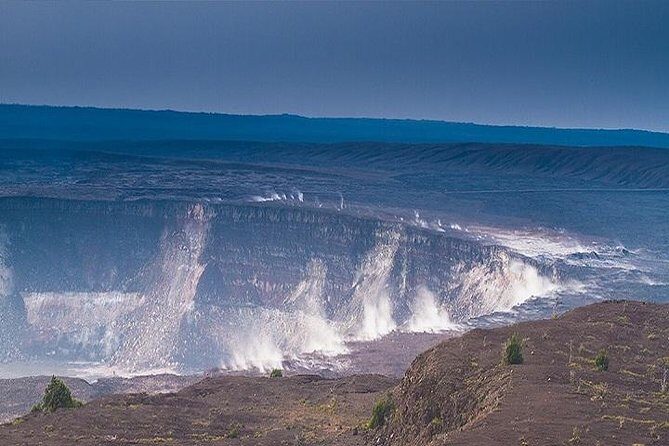
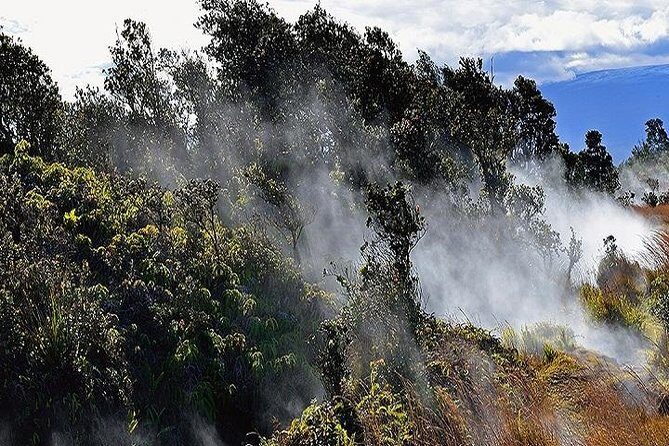
- Volcanoes National Park: Halemaʻumaʻu, Kīlauea Iki, Lava Tube, and Steam Vents (about 2 hours)
- Mauna Kea Access Road and Kohala Coast: Big Elevation Shifts and Coastal Contrasts
- Hilo Stops: Museums, Historic District, Tsunami Lessons, and Gardens
- Price and Logistics: What $139 Buys You on a 10-Hour Day
- What to Pack for Active Volcano Air and Fast-Changing Weather
- Should You Book This Volcano and Big Island Day Tour?
- FAQ
- How long is the tour, and when does it start?
- Do I get pickup and drop-off from Kona?
- What’s included in the price?
- Is lunch included?
- Is it a walking-heavy tour?
- Are there concerns for people with respiratory problems?
- What if the weather is bad?
Key Points You’ll Actually Care About
- A long-day route that reduces driving stress: pickup and drop-off from Kona means you can focus on seeing, not navigating.
- Volcanoes National Park is planned, not random: about 2 hours inside, with stops that cover craters, lava tube time, and steam vents.
- Coffee farm plus native forest, not just viewpoints: Greenwell Farms and Manuka State Wayside Park add real local texture.
- Punaluʻu is doing double duty: traditional sweet bread and the famous black sand beach in the same stretch.
- You may get a guide with big personality and story skills: names that show up often include Mel, Jim (often called Uncle Jim), Henry, Kevin, and Brandon.
- Group size stays reasonable (up to 22): it’s large enough for comfort, small enough to still feel like a group.
A Full Big Island Circuit From Kona, Starting at 8:00 am
This is a day tour built for one goal: show you a lot of Big Island without you renting a car. Pickup is offered from Kona, and the schedule starts at 8:00 am (with an airport meet-up option if you arrive at Kona International Airport). It runs about 10 hours, which is why I think it works best for people who want one solid day and then spend the rest of their trip at a beach, in town, or doing something slower.
The vehicle is air-conditioned, and the guide provides narration throughout. That matters because Big Island isn’t “one kind of scenery.” You’ll shift from Kona’s coffee slopes to coastal stops, then up toward volcano areas and even toward Mauna Kea access road elevations, before ending up back in the east-side world around Hilo. If you’ve only seen Big Island from postcards, this tour is the cleanest way to turn the island into a story you can understand.
The tradeoff is simple: you’ll spend time in the van. If you hate being in a vehicle for hours, you’ll feel it.
Other Volcanoes National Park tours in Big Island of Hawaii

Greenwell Farms: Kona Coffee on Mauna Loa’s Slopes (30 minutes)
Greenwell Farms is a Kona classic, founded by Henry Nicholas Greenwell in 1850. It’s one of the oldest coffee farms in Hawaii, and it sits in the Kona district on the slopes of Mauna Loa. The tour stop lasts about 30 minutes, and that short window is the point: you get the key idea fast, then move on.
What I like here is the setting. The region’s mix of sunny mornings, cloudier afternoons, consistent rainfall, and volcanic soil is the kind of detail that actually explains why Kona coffee tastes the way it does. You’re not just buying a souvenir; you’re seeing how elevation and weather shape the crop.
If you like coffee, you’ll also enjoy the chance to connect this stop to the larger geology theme of the day. Volcanoes aren’t just something you see in a park. They’re something you taste in the soil.
Manuka State Wayside Park: A 2-Mile Nature Trail Through Wet and Dry Forest (30 minutes)
After Kona coffee, you hit a calmer stop. Manuka State Wayside Park is a 13-acre area along the Hawaii Belt Road (Highway 11), on Mauna Loa’s slopes. The tour time here is about 30 minutes, and the park’s star is the 2-mile Manuka Nature Trail.
This is the stop for people who like plant life and quiet nature time. The park mixes wet and dry forest ecosystems, so you can see how quickly conditions shift on the Big Island. There are interpretive signs and picnic areas, and the walking route is meant to be doable rather than a full hike.
Nature detail you’ll appreciate: the area includes native Hawaiian plants and wildlife, including birdlife like the Hawaiian hawk and honeycreeper. Even if you don’t spot every animal, the trail helps you understand how this island supports different life zones close together.
Punaluʻu Bake Shop and the Black Sand Beach: Sweet Bread, Then Sea Turtles (30 minutes each)
This is a two-stop pairing that works because it alternates flavor, then views.
Punaluʻu Bake Shop (30 minutes)
Punaluʻu Bake Shop, in Naʻālehu, is known for being the southernmost bakery in the U.S. It opened in 1991 and sells traditional Hawaiian sweet breads in flavors like taro, guava, and mango. The stop includes a variety of baked goods, a gift shop, and a garden, and it leans into sustainability.
I also like that the tour builds in food in a realistic way: meals are at your own expense, but you do stop for lunch here. The menu options you might find include sourdough sandwiches, Kalbi beef, and Hawaiian plate lunches, plus their baked goods and local treats. Their baked items get praised for a reason, even if you aren’t shopping for a full meal.
One practical note: if you have dietary needs, plan ahead. There’s no promise that every option will fit every diet, so bring food or snacks if that would stress you out.


Punaluʻu Black Sand Beach (30 minutes)
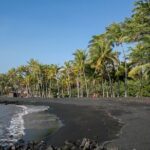
Right after the bakery, you walk at Punaluʻu Black Sand Beach. The big draw is the chance to see native Hawaiian green sea turtles on the sand. You won’t be standing in a viewing tower here; you’ll be right there at ground level with the beach.
It’s also a good reality check moment. The black sand is dramatic, but it’s also a reminder that this is an active, living landscape. Keep your distance from wildlife and follow any rules the area posts.
Volcanoes National Park: Halemaʻumaʻu, Kīlauea Iki, Lava Tube, and Steam Vents (about 2 hours)
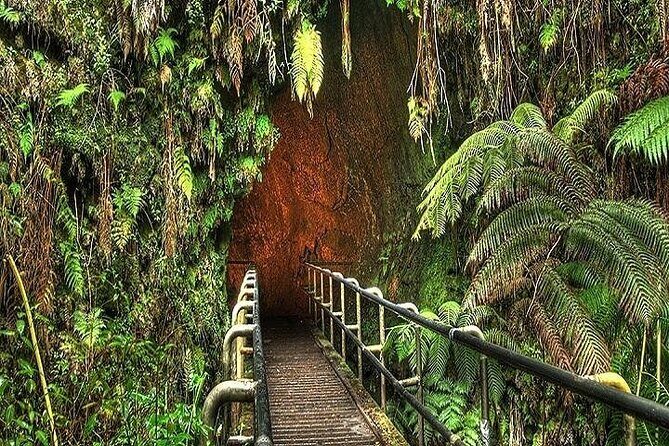
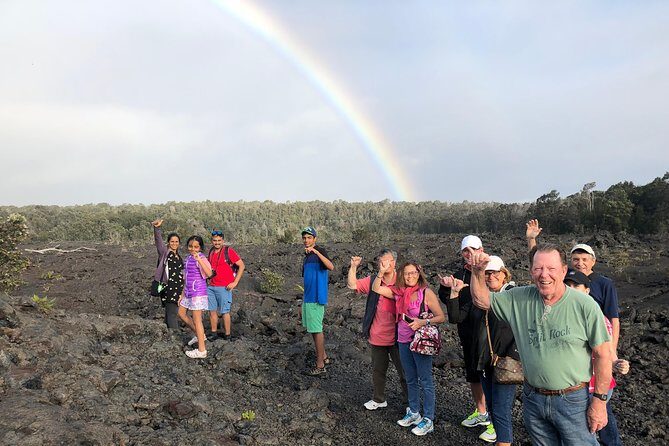
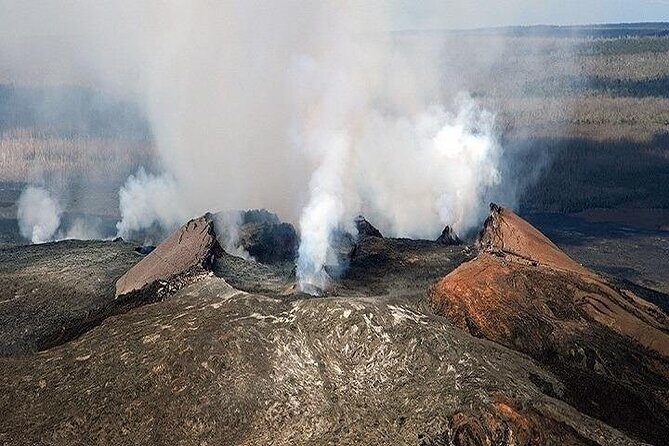
This is the day’s main event, and it’s planned to give you variety rather than one long overlook. The tour starts at the visitor center to set context on geology and park history. Then you move into the classic viewpoints and experiences.
Here’s what the park time is built around:
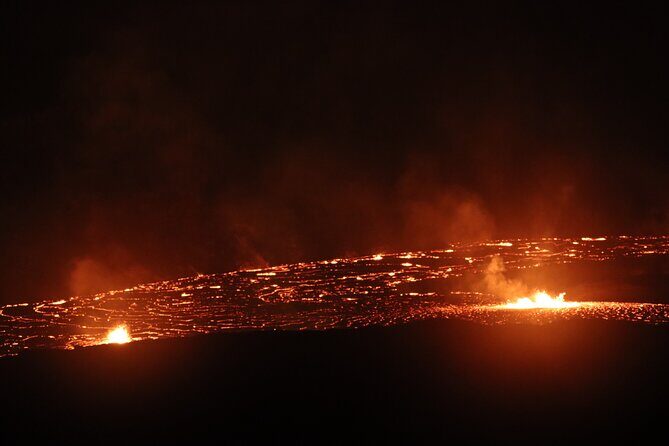
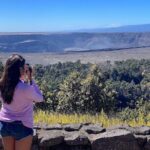
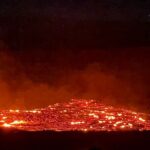
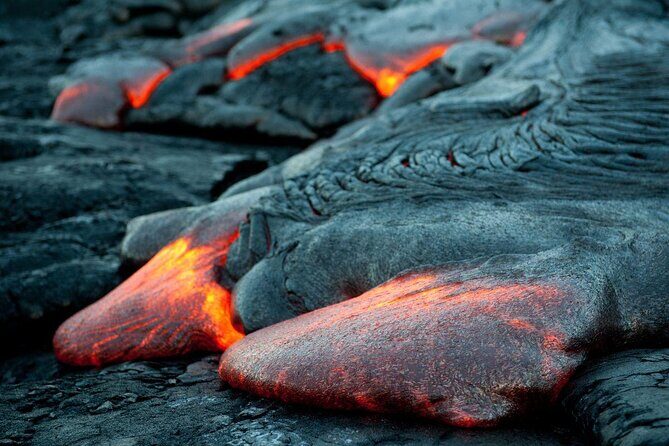
- Halemaʻumaʻu Crater: you look for the awe-inducing glow of molten lava. Even if the exact activity changes, the point is to see the ongoing volcanic story that created the Big Island.
- Kīlauea Iki Rainforest Lookout: you get a contrast scene—rainforest feel around a crater area. It’s a visual “before-and-after” between heat and lush growth.
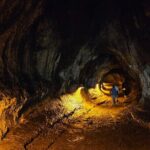
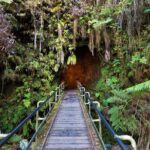
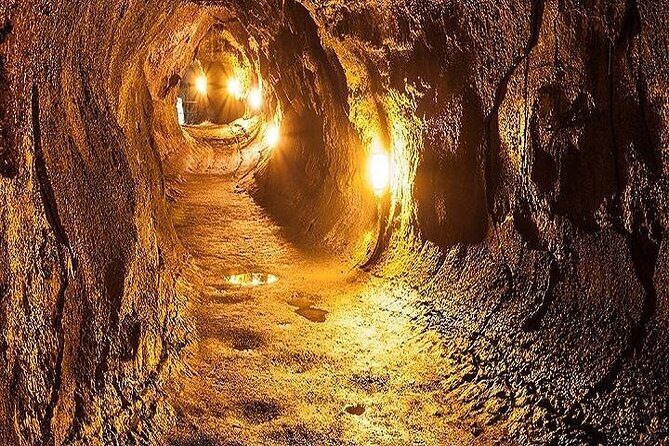
- Thurston Lava Tube: walking through a natural tunnel formed by flowing lava gives you a totally different sense of what volcanic forces do to the island.
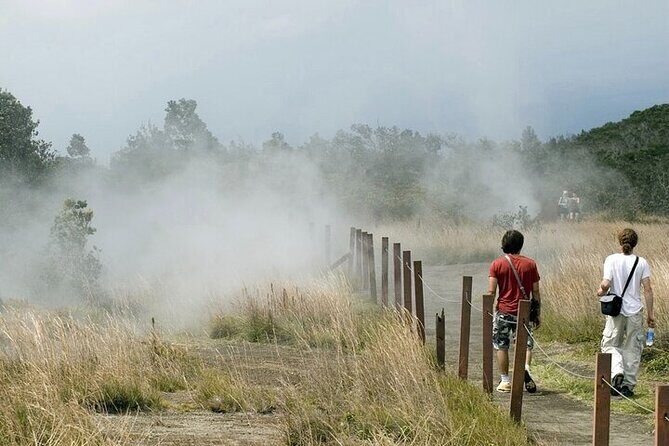
- Active steam vents: you can feel the heat rising from the earth, with geothermal energy part of the experience.
I like that the order makes sense. You learn first, then you look, then you walk through something shaped by lava, then you finish with the hot breath of the Earth.
A key caution: this is an active volcanic area. The tour info specifically warns about volcanic gases that can be harmful, especially for people with respiratory issues. You should stick to marked trails and safety instructions, and if you have asthma or similar concerns, don’t assume you can “power through” the air.
Mauna Kea Access Road and Kohala Coast: Big Elevation Shifts and Coastal Contrasts
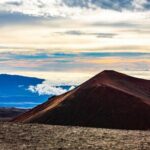
Your day doesn’t stop at volcano park. You’ll also spend time on the Mauna Kea Access Road, which is a steep, winding route from Saddle Road (Route 200) up toward the summit area of Mauna Kea.
The practical takeaway is altitude. As you climb, the air thins and temperatures drop. Conditions also change by zone, from grassier plains to more barren volcanic terrain. That’s why I strongly recommend layers and a rain jacket even if the morning feels mild.
Then you shift toward the Kohala Coast, which is described as having a drier climate compared with other parts of the island. This part of the day gives you a different flavor of Big Island: beaches, scenic views, and the sense of how the island’s climates don’t all behave the same.
If you’re the type who likes a “mix of worlds” itinerary, you’ll probably enjoy this section because it changes the visual rhythm after the volcano focus.
Hilo Stops: Museums, Historic District, Tsunami Lessons, and Gardens
On the far side of the island, the tour includes time around Hilo. Hilo’s value is that it feels like a real town with history and learning built in, not just a place to eat.
You may have chances to visit or stop near:
- Lyman Museum, which covers Hawaii’s natural and cultural history
- Hilo Historic District, with preserved early 20th-century buildings
- Pacific Tsunami Museum, focused on tsunami impacts to the region
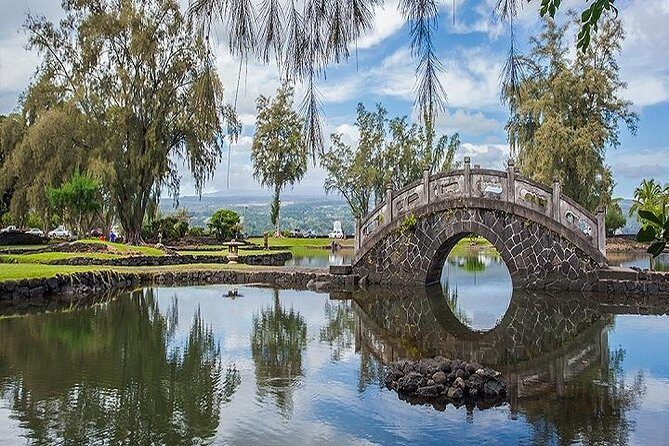
- Liliuokalani Gardens, a calm place honoring Queen Liliuokalani
There’s also the Hilo Farmers Market mentioned as a lively cultural hub. Even if you don’t treat it as a “must buy” stop, it’s an easy way to see what daily life looks like.
What I like about ending up in Hilo after volcano country is perspective. You go from Earth forces shaping the island to human stories about adapting, rebuilding, and remembering.
Price and Logistics: What $139 Buys You on a 10-Hour Day
At $139 per person for about 10 hours, the value depends on what you’d otherwise do that day. If you’re staying in Kona and you’d normally rent a car, this price starts to look sensible because the tour covers long distances and multiple stops you’d need to plan and drive between.
You also get some concrete inclusions:
- Air-conditioned vehicle
- Pickup and drop-off service from Kona
- Narration from a local guide
- Hawaii Volcanoes National Park admission included (park time is about 2 hours)
Plus, the tour info says that entry tickets to attractions are provided by the driver on the morning of your tour. That little detail matters when you’re juggling time and parking.
One of the most meaningful things you’re paying for is the human factor. A lot of guides tied to this tour are praised for story-forward commentary and making the ride feel shorter. Names that show up include Mel, Jim (Uncle Jim), Henry, Kevin, and Brandon. If you land with a guide like that, the day becomes more than a checklist.
Two practical notes on extras:
- Lunch and meals are at your own expense.
- Tipping your guide in cash is appreciated if you enjoyed the service.
What to Pack for Active Volcano Air and Fast-Changing Weather
Big Island weather can flip quickly. The tour info is clear: bring layers and a rain jacket, especially because conditions can get cool and wet at higher elevations. Closed-toe, sturdy shoes are a must because you’ll walk on uneven ground and potentially sharp volcanic terrain. Flip-flops just aren’t a smart idea here.
Bring:
- water
- snacks
- sunscreen
- a hat
Cell service can be limited or nonexistent in parts of Volcanoes National Park, so download maps or guides if you use them.
And take the volcanic gas warning seriously. If you have respiratory issues, the tour info specifically notes that gases like sulfur dioxide can exacerbate conditions such as asthma. You should follow the park’s safety guidance closely, and if you’re unsure how your body will respond, talk with your doctor.
Cash can also help. The tour info says many roadside stands, food trucks, and local shops may be cash-only.
Should You Book This Volcano and Big Island Day Tour?
Book it if you want one guided day that covers the Big Island’s big themes: coffee grown in volcanic soil, a native forest walk, sweet bread and black sand beach time, and a thoughtfully planned Volcanoes National Park visit with craters, a lava tube, and steam vents. It’s also a good choice if you’re staying in Kona and don’t want to deal with long drives, parking, and changing road conditions across multiple regions.
Skip it (or at least reconsider) if you hate long days or you know you won’t handle volcanic-area air well. It’s not a gentle stroll-only day. It’s about seeing a lot, with enough walking to feel like you did something, and enough elevation and weather variability to require real preparation.
If you’re okay with that trade, this is one of the more efficient ways to make Big Island feel understandable in a single day.
FAQ
How long is the tour, and when does it start?
It starts at 8:00 am and runs for about 10 hours.
Do I get pickup and drop-off from Kona?
Yes. Pick-up and Drop-off service is included from Kona. If you’re flying into Kona International Airport, the meeting spot is the lot behind Alaska Baggage claim B-2.
What’s included in the price?
The tour includes an air-conditioned vehicle, narration from a local guide, and Hawaii Volcanoes National Park admission. Tickets for attractions are handled by your driver on the morning of the tour.
Is lunch included?
No. Meals are at your own expense. You do stop for lunch at Punaluʻu Bake Shop, where you can buy options such as sourdough sandwiches, Kalbi beef, and Hawaiian plate lunches, along with their baked goods.
Is it a walking-heavy tour?
There is walking. Volcanoes National Park includes experiences like walking through Thurston Lava Tube, and you can also expect some walking on trails like the Manuka Nature Trail. The day is doable for most people, but it is not a “sit the whole time” tour.
Are there concerns for people with respiratory problems?
Yes. The tour info warns that the park can have high levels of volcanic gases (like sulfur dioxide), which can worsen conditions such as asthma. Follow all safety guidelines and stay on marked trails.
What if the weather is bad?
The experience requires good weather. If it’s canceled due to poor weather, you’ll be offered a different date or a full refund. You can also cancel for a full refund if you cancel at least 24 hours before the start time.