REVIEW · BIG ISLAND OF HAWAII
Snorkel With Giant Manta Rays In Kailua Kona
Book on Viator →Operated by Snorkel Big Island · Bookable on Viator
One of Hawaii’s most mind-bending swims happens after dark. This Kona manta ray snorkeling trip is built around a guided in-water experience with a floating light board, plus a calm boat ride and smart help from guides like Eli and Adam. I love that snorkel gear and a wetsuit are handled for you, so you can pack lighter. I also like the team’s focus on using underwater lighting to bring the manta scene to you, not just shine a light and hope. The main thing to know up front: manta rays are wild, so sightings are not guaranteed.
If you want a smooth night, come ready for the real snorkeling basics. You’ll need basic swimming skills, previous snorkeling experience, and you must be able to climb back up a boat ladder on your own. One last practical note: if water conditions get unsafe, the operator can cancel for safety.
In This Review
- Key points before you go
- Price and what you’re truly paying for
- Check-in at Honokohau: quick setup, real safety prep
- The boat and group size: why it matters at night
- Your in-water setup: the light board approach
- Stop 1: Honokohau Small Boat Harbor and the night kickoff
- Stop 2: Garden Eel Cove / Manta Heaven
- Stop 3: Kahaluu-Keauhou for more mantas (when the first spot needs help)
- What you’ll likely see (and why “close” happens)
- Time in the water: plan for it to feel short
- What to bring: keep it simple and warm
- Who this tour fits best
- Manta policy: the part you should read twice
- Handling cold water, nerves, and the learning curve
- Should you book this Kona manta ray snorkel?
Key points before you go
- Wetsuit fitting at check-in means less gear and less hassle before the boat
- Small group size (max 18) keeps things more controlled in the water
- Floating custom light board with underwater lights boosts your chances of seeing rays
- Guides in the water help you stay safe and improve what you’re able to notice
- Wild animals, not a promise: if you don’t see mantas, plan to rebook another night
- Bring warm layers for after since the ride back can feel chilly at night
Price and what you’re truly paying for
At about $137 per person for roughly a 2-hour outing, this isn’t the cheapest thing you can do in Kailua-Kona. But you’re not just buying a generic tour. You’re paying for a guided night experience with safety staffing, wetsuit/snorkel gear included, a small-boat format, and—most important—an actual in-water setup designed to attract manta rays.
Night snorkeling is timing-sensitive, and the operator’s manta policy makes that clear: mantas are wild, and even good planning can’t force a sighting. So the value here is in the process: equipment provided, lights that help create the right conditions, and guides who keep you oriented so you don’t spend the whole time panicking or guessing.
If you’re the type who likes high-impact nature time with minimal logistics, you’ll likely feel this is fair. If you hate the idea of non-guaranteed wildlife, it’s still worth considering, but go in with realistic expectations.
Other Manta Ray night snorkel tours in Big Island of Hawaii
Check-in at Honokohau: quick setup, real safety prep
Your tour starts on the north side of Honokohau Small Boat Harbor. You check in at Snorkel Big Island’s meeting location at 74-380 Kealakehe Pkwy, Kailua-Kona, HI 96740. From there, an attendant fits you with a shorty wetsuit (included). This is a big deal on a night trip—your body stays warmer, and you spend less time wrestling gear at the beach.
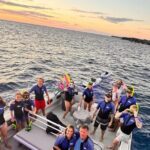
Then you hop aboard a USCG documented vessel for a 15 to 20 minute ride. Along the way, captains and guides narrate the coastline. It’s not a random transfer. It’s part of the experience, and it helps you get mentally ready for the in-water portion.
This trip uses Red Cross licensed in-water guidance/lifeguard support, and you can ask about lifejackets if you want extra safety. One practical thing I’d do: ask for clarification during the safety briefing and take it seriously. Some people are excited and forget that you’ll be holding onto a floating board while staying relaxed, not fighting the water.
The boat and group size: why it matters at night
This activity caps at 18 travelers. That matters more at night than during a daytime snorkel. In low light, you want less crowding around you and less chaos near the ladder and entry points.
You also need to be able to climb back up the ladder independently. That’s not a side note. If ladders are stressful for you, think through that before you book.
One recurring theme in the experience is that the crew keeps you moving when they find manta activity. On a crowded night with lots of people, you can’t always rearrange fast. Smaller group size gives the guides a better chance to manage that handoff.
Your in-water setup: the light board approach
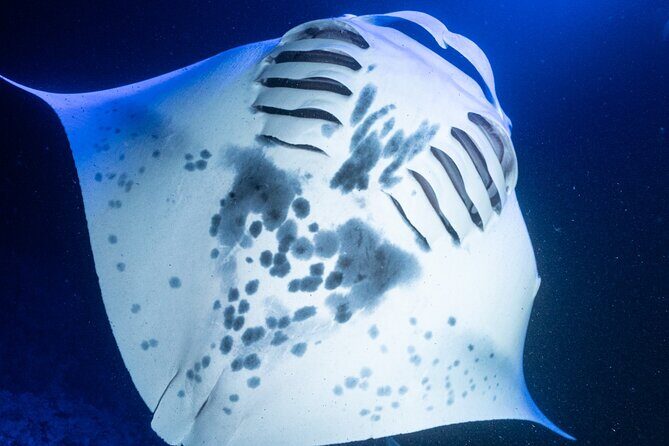
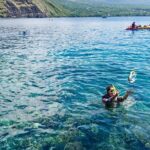
Once you arrive at the snorkel site, the crew helps you enter safely and then supports you as you get into position. The key tool here is the floating custom light board with underwater lights. You hold onto that board while you watch.
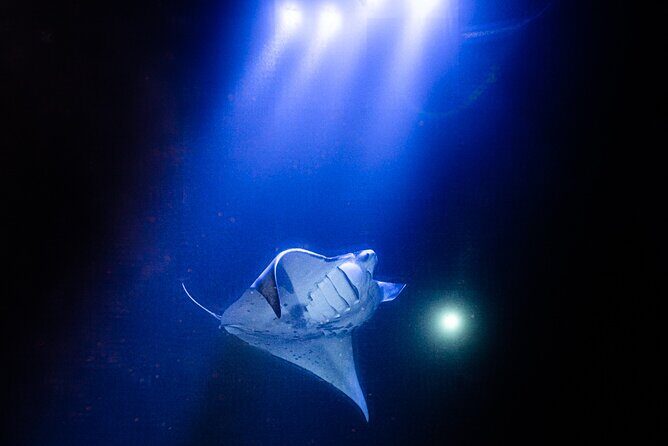
The lights aren’t just decoration. One of the better-reviewed points is that this method is designed to attract the food chain mantas follow—plankton that draws manta behavior upward. In plain terms: it helps create the right conditions so you’re not just searching dark water until your arms feel like noodles.
You’ll also get facts from guides while you’re in the water. Even if you’ve snorkeled before, this is the kind of trip where knowing what you’re looking for makes a difference. Mantas can look calm and slow, but their movements can be quick once they appear.
Bring this mindset: your job is to relax, watch, and follow instructions. If you grip too tightly or thrash, you’ll miss the moment—and you’ll tire out faster than you planned.
Stop 1: Honokohau Small Boat Harbor and the night kickoff
The first stop is really your transition point: Honokohau Marina & Small Boat Harbor. This is where you get suited up, briefed, and placed on the boat in a safe, controlled way.
Why this matters: on night snorkeling tours, the biggest stressors are usually pre-water. Too many people show up unprepared, don’t listen closely, or try to fix gear when they should be paying attention. This operator’s check-in process is designed to prevent that.
Practical tip: arrive early enough that you don’t feel rushed. Check-in may be up to 40 minutes prior to tour time, and confirming your check-in time with the provider is strongly recommended.
Stop 2: Garden Eel Cove / Manta Heaven
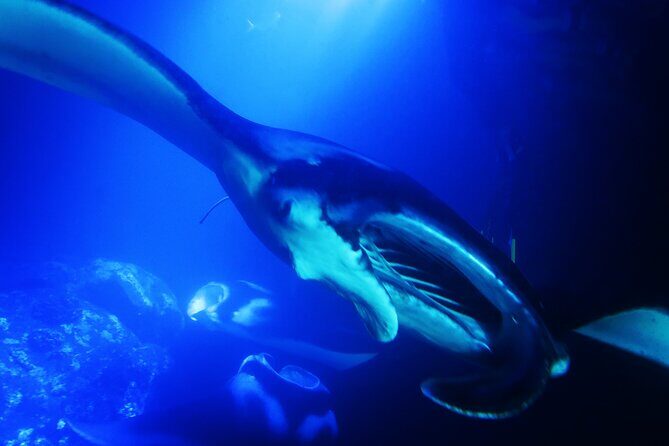
The next stop is Garden Eel Cove / Manta Heaven. The name tells you the intent. This is a targeted area where they aim to find manta activity.
In a tour like this, the difference between a good night and a rough night isn’t just luck. It’s where you start searching. The operator’s job is to read conditions and move you to the spots with the best odds.
If you’re the kind of snorkeler who likes being told where to look—great. If you’re the kind who prefers quiet and independence, you’ll still likely appreciate the guidance once you’re underwater. At night, orientation is everything.
One thing to watch for: when activity increases, the crew may adjust positioning or move you to another area. That can be thrilling. It can also feel intense if you’re trying to control everything yourself. Let the guides do the directing.
Stop 3: Kahaluu-Keauhou for more mantas (when the first spot needs help)
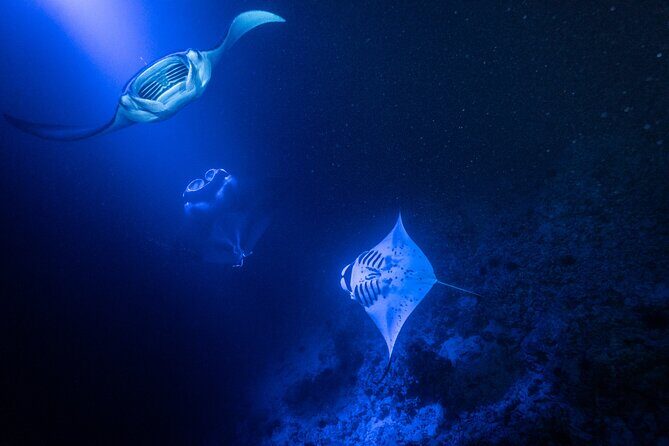
The final listed stop is Kahaluu-Keauhou. Think of this as the “we found activity, or we’re hunting the next pocket of action” stop.
This matters because manta sightings can come in waves. One night you might get a fast first sighting. Another night the mantas might take their time. Having a second location helps the operator keep your odds higher, instead of keeping you in one place long after the action shifts.
This is also where a realistic expectation becomes important. Even with strong logistics and smart lighting, you can still go home manta-less. The operator’s manta policy makes that clear: sightings can’t be guaranteed.
What you’ll likely see (and why “close” happens)
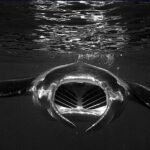
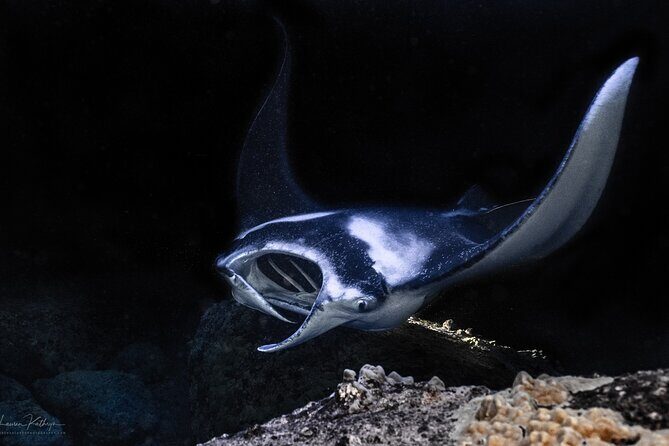
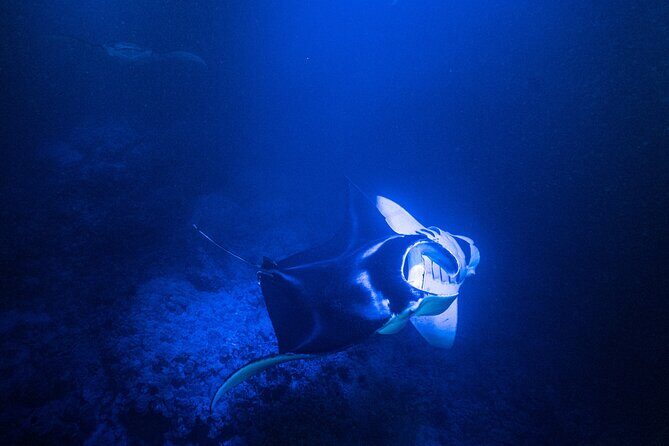
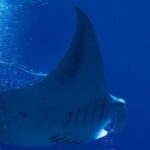
The dream scenario is swimming alongside giant manta rays with the lights creating enough contrast to see them clearly at night. A lot of the best moments come from rays coming in very near—close enough that you feel like you’re watching them right from within their lane of the ocean.
You’re also likely to see other ocean life. Some people have reported dolphins, sharks, and even plankton activity as part of the whole nighttime ecosystem. The key point: the trip is built to put you in a spot where the food chain gets moving.
That’s why the boat ride plus in-water time works as a single arc. You’re not just dropping in for a quick look. You get guided help so you can actually experience the animal behavior instead of just spotting shapes in the dark.
Time in the water: plan for it to feel short
The trip runs about 2 hours total, and you’ll spend time on the water between the boat ride and the snorkeling window. Some people liked the pacing. Others felt they didn’t get enough time once they were suited up and in position.
So here’s the practical expectation: you can have a long-feeling memory even if the actual in-water window is not huge. It’s normal to want more time once you’ve finally found rays.
If you’re booking this with other Kona activities, don’t stack it too tightly right after. You’ll want time to get warm and reset.
What to bring: keep it simple and warm
The trip includes wetsuit and snorkeling equipment, so you don’t need to carry a bulky kit. But you should pack for the night conditions and comfort before and after.
Based on what’s helped people most on similar nights, I recommend:
- A towel and warm clothes for after
- Waterproof camera options if you use one
- Something warm to wear on the return ride
A wetsuit helps, but night water on the Big Island can still feel cold during longer pauses. If you run cold, consider extra layers.
Who this tour fits best
You’ll likely be a great match if:
- You already snorkel comfortably and know how to handle fins, breathing, and staying calm
- You can swim at least adequately and climb back up a ladder
- You want a guided night wildlife experience with clear safety support
- You like the idea of increasing odds through smart lighting and a focused setup
This may be a frustrating match if:
- You want a guaranteed manta sighting
- You’re uncomfortable with ladder entry/exit
- Your snorkeling skills are rusty and you hate being instructed
- You’re sensitive to crowded-feeling logistics (even with a max of 18, it’s still a shared board and night conditions)
Manta policy: the part you should read twice
This is wildlife snorkeling. The operator cannot guarantee mantas will appear. That’s not a loophole; it’s the reality of the ocean.
Their policy says if mantas aren’t seen, you may be able to rebook another night with a rebooking fee. Seats can be limited during some seasons. Also, if the manta doesn’t show, the operator explains that costs to set up the charter may prevent a refund.
The best way to handle this as a traveler is simple: if you can, schedule earlier in your trip. Then you have room to rebook if one night doesn’t deliver.
Handling cold water, nerves, and the learning curve
Night snorkeling can feel intimidating at first. The guides help with safety and in-water guidance, and the floating light board gives you a stable anchor point. Still, the first few minutes can be the toughest. You’ll need to follow instructions quickly: hold on properly, keep your body calm, and avoid panicky movement.
A few people have noted that some passengers struggle with relaxing and can interfere with others while close to the board. That’s not just rude. It can affect the whole group’s ability to see and stay safe.
So do yourself a favor. Listen at the start, and when you enter, focus on stillness. You came for manta magic, not an arm workout.
Should you book this Kona manta ray snorkel?
Book it if you want a guided night snorkeling experience with high odds of close-up manta rays, included gear, and a small-boat setup that keeps things manageable. The light board approach, the in-water guide/lifeguard support, and the focused search strategy make it feel like more than a casual outing.
Skip it or think carefully if manta sightings being non-guaranteed would ruin your trip planning. In that case, consider booking earlier so you can rebook if you need to, and keep extra buffer time.
If you’re ready for night snorkel basics, can handle the ladder, and you like the idea of learning how to watch manta behavior instead of just staring into dark water, this is an experience worth putting on your Big Island list.