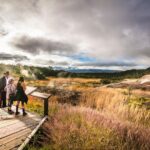
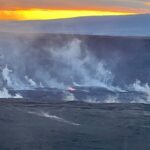
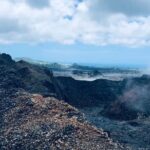
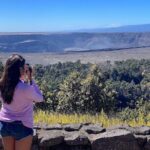
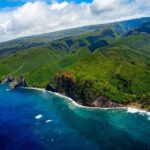
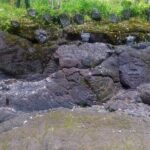
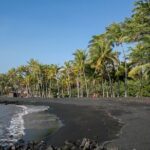
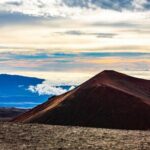
One of the best ways to see Kona’s volcanoes is on foot. This small-group Hidden Craters Hike of Kona takes you onto private Hualalai land, past locked gates, for up-close views of craters, lava formations, and native forest. Along the way, you’ll get real geology and place-based stories from an interpretative naturalist guide, and you’ll feel the day’s big scenery without being stuck on a giant bus tour.
Two things I really like: the small-group feel (maximum 10 people) that keeps the pace comfortable and the hike safer, and the practical inclusions like walking sticks, daypacks, rain gear, and snacks so you’re not scrambling right before a rocky trail. The main drawback to think about is this is not a paved stroll. The route can be slippery and steeper than it sounds, so you’ll want good shoes and knees that can handle uneven terrain with up to about 1,000 feet of elevation gain and descent.
In This Review
- Key highlights you’ll feel on the trail
- Kona’s Hidden Craters Hike: private Hualalai views without the crowds
- Meeting at Hawaii Forest & Trail: plan for a 7:30 am start
- Stop 1 at Hawaii Forest & Trail: the briefing that sets you up
- Stop 2 on Hualalai: craters, lava formations, and a lava tube
- Guides make the day: Mark, Matteo, Taro, and the safety-first style
- Gear and snacks: included for a reason, not as a marketing checkbox
- Price and value: what you’re paying for at $198.95
- Who should book this hike, and who should skip it
- Tips to make Hualalai easier on your body
- Weather and timing: plan for a volcano day that stays flexible
- Should you book the Hidden Craters Hike of Kona?
- FAQ
- How long is the Hidden Craters Hike of Kona?
- What time does the hike start?
- Where do I meet for the tour?
- Is hotel pickup or drop-off included?
- What fitness level do I need?
- How big is the group?
Key highlights you’ll feel on the trail
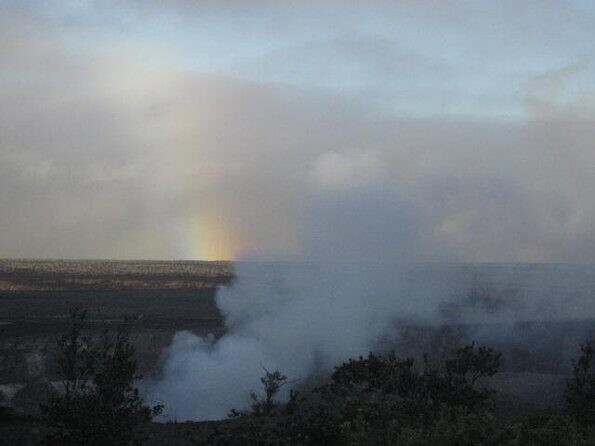
- Private-access Hualalai terrain: you go behind three locked gates onto the upper slopes of Kona’s volcano
- Craters, lava flows, and a lava tube moment: expect technical steps that feel like real volcanic country
- Hike range that’s serious but doable: about 3 to 4 miles on uneven or rocky ground, with moderate fitness required
- Gear that matters: walking sticks, daypacks, and rain gear are included, plus plenty of water and snacks
- Morning start with minimal downtime: check in at Hawaii Forest & Trail before the 7:30 am departure
- Guides who shape the experience: names you’ll hear include Mark, Matteo, Taro, Tracy, Mel, Nick, and others
Kona’s Hidden Craters Hike: private Hualalai views without the crowds
Kona has volcano scenery everywhere, but not all of it is easy to access or safe to explore on your own. This hike focuses on Hualalai, the volcano that makes this part of the Big Island feel dramatic even when you’re standing still. The tour’s big promise is simple: get close to craters and lava formations with an experienced guide, in a small group that keeps things controlled on rough ground.
What makes the experience especially worth your time is the access style. You’re not just walking along a public viewpoint. You go onto private land behind three locked gates, which means you get routes and vantage points that feel more intimate and less “tour bus” than the usual shoreline-and-overlook routine.
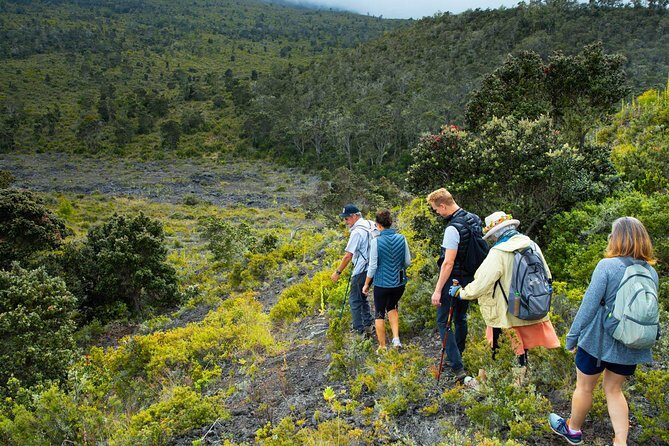
You should also know the vibe: this is not a flat nature walk. You’ll hike through a mix of volcanic terrain and native vegetation, and some moments are more technical than others—especially if the ground is slick from rain. That’s also why the included walking sticks aren’t an afterthought. They are part of how the day works.
Other hiking tours in Big Island of Hawaii

Meeting at Hawaii Forest & Trail: plan for a 7:30 am start
The tour starts at 7:30 am, with check-in at Hawaii Forest & Trail about 15 minutes before departure. That early start matters on the Big Island. You’ll get on the trail while conditions are generally calmer, and it gives the guide time to manage the group through uneven terrain without rushing.
The meeting address is: 73-5593 A, 73-5593 Olowalu St, Kailua-Kona. Restrooms are available on-site, which is a small detail that turns out to be a big quality-of-life win when you’re starting early.
You should expect about 30 minutes of travel time to the trailhead after check-in. Some roads leading to remote trail areas can be rough, and in at least a few guide experiences, the team’s driving safety was called out as a comfort point. Translation: you’re not just along for a hike—you’re in someone’s hands from the first transfer.
If you’re renting a car, you’ll be glad to know the departure point is described as easy to find with adequate parking. If you’re relying on buses, the meeting area is noted as being near public transportation, but you should still budget time for the morning rhythm.
Stop 1 at Hawaii Forest & Trail: the briefing that sets you up
Stop 1 is at Hawaii Forest & Trail and runs about 1 hour, with a ticket included. This time is where you’ll typically get your bearings, meet your interpretative naturalist guide, and sort out your gear setup.
Even when you think you’re ready, this is the moment to pay attention. The hike involves uneven, rocky terrain and climbs that can challenge your footing. Several guide write-ups highlight how well safety and pacing are managed, and that’s exactly what the initial briefing is for: it’s how the day becomes organized instead of chaotic.
You’ll also likely be working with the included kit here—walking sticks, daypacks, and rain gear are listed as part of the tour. The practical value is huge. On volcanic trails, traction and stability matter more than style. If the ground is loose gravel or damp, poles can reduce the stress on your knees and help you keep a steady rhythm.
Stop 2 on Hualalai: craters, lava formations, and a lava tube
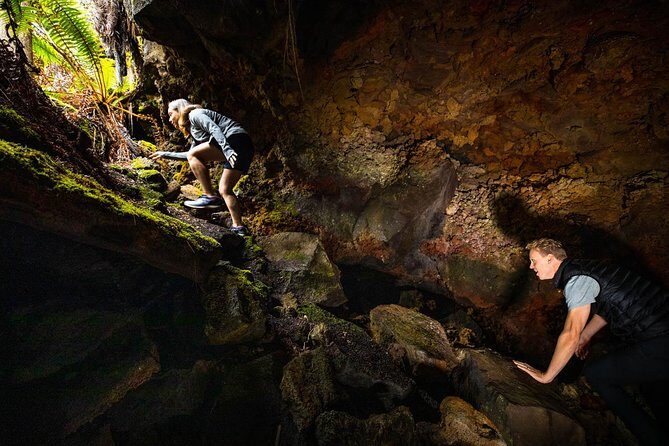
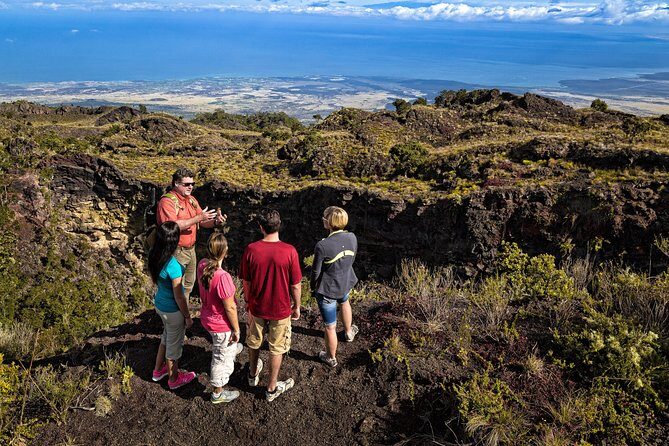
The main event is Stop 2 on Hualalai, running about 4 hours and described as a roughly 4-mile hike. This is where the scenery goes from pretty to wow-in-the-best-way.
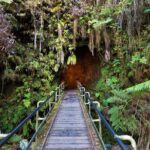
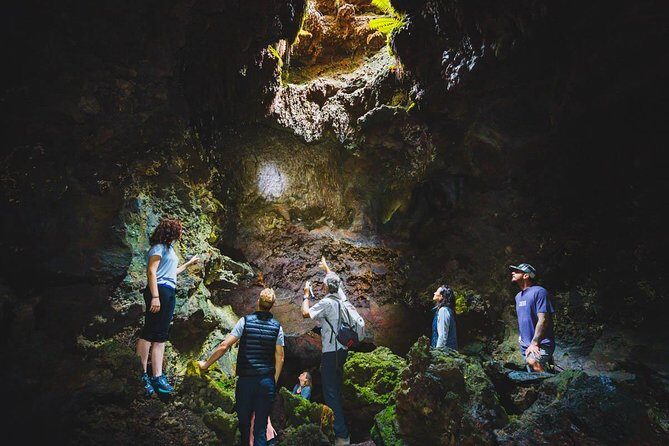
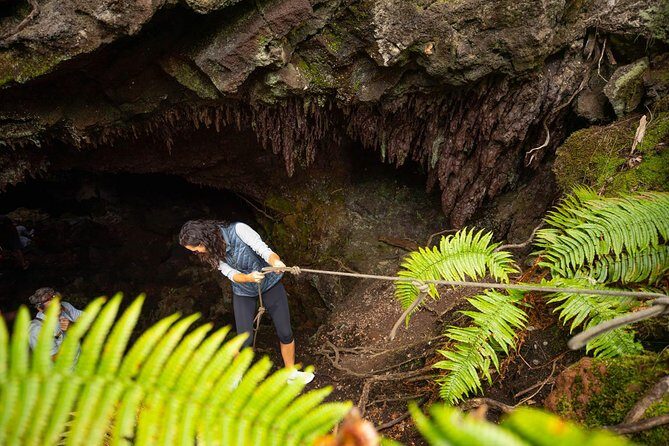
You’ll explore upper slopes, craters, and volcanic formations, and the route includes moments that hike reviews consistently connect to a lava tube experience. People talk about climbing in and out of the lava tube as a fun highlight, but also as the part that benefits most from solid footwear and an even, confident pace.
Here’s what you should prepare for based on the tour requirements and real-world feedback:
- Terrain can be uneven and rocky, with up to about 1,000 feet of elevation gain and descent across the day
- Some sections can feel like more than “moderate” if you’re not used to steep, technical footing
- Loose gravel and slick conditions can make descents tricky, especially if you’re prone to knee discomfort
- You may get options for how hard you want to push, but the hike is still a real workout
Also pay attention to the character of the terrain. Reviews describe a mix that can swing between rugged lava flows and lush native forest sections. That variety is one reason this tour feels like more than one location. You’re moving through different ecosystems of the Big Island’s volcanic system, and the guide is meant to connect what you’re seeing to the bigger story.
One more practical note: the tour is weather dependent. You’ll see this sort of scheduling logic across volcano hikes, and it’s sensible—traction and visibility can change fast. If weather conditions aren’t right, plans can shift or the experience can be moved.
Guides make the day: Mark, Matteo, Taro, and the safety-first style
With a maximum of 10 travelers, you’re not stuck listening to the loudest person in the group. You get real interaction time with your guide, and the pacing becomes personal. In multiple accounts, guides were praised for matching effort levels, warning people about tricky spots, and creating breaks when hikers needed them.
Several guide names show up strongly in feedback:
- Mark: repeatedly described as passionate, safety-conscious, and great at giving options for different trail choices
- Matteo: noted for being deeply knowledgeable and bringing together history, culture, and nature
- Taro: connected to engaging storytelling and a smooth, confidence-building lava tube experience
- Tracy and Mel: recognized for spirited pace and clear support, with practical tips like wearing proper boots
- Nick and other team members: mentioned for both fun energy and solid guidance on the trail
The common thread is not just facts. It’s how guides manage movement. On a technical hike, that matters more than a slide show. You want someone who watches footing, reads the group, and keeps you from sprinting over slippery edges just because everyone else is moving.



Gear and snacks: included for a reason, not as a marketing checkbox
This is a good tour to book because the essentials are included. Here’s what you get:
- Refillable filtered water plus juices and sparkling flavored waters
- Snacks to keep energy steady during climbs and crater views
- Walking sticks (especially useful on uneven ground and descents)
- Daypacks and rain gear
That combo is valuable on Hualalai because you’re likely to be moving longer than you expect once the terrain gets technical. Having water and snacks pre-planned means you can actually focus on the hike and the guide’s explanations, instead of trying to ration bites while your feet are busy.
You’ll also want your own basics ready: closed-toe walking shoes or hiking boots are required. Reviews specifically flag that tennis shoes may not have enough traction. Even if you’re an experienced hiker, the wrong shoe makes you pay for it in ankle fatigue and slippery steps.
Clothing guidance is straightforward: wear shorts and a short-sleeve shirt, and bring a light sweatshirt or jacket for comfort. Rain gear is included, but dressing in layers helps you avoid overheating once you’re climbing.
Price and value: what you’re paying for at $198.95
At $198.95 per person for about 5 hours, the price is not cheap. But the structure explains why it’s closer to a premium hike than a casual walking tour.
You’re paying for:
- A small group cap of 10
- A real guide-led interpretive hike with active safety management
- Access to private terrain behind three locked gates
- Included gear (sticks, daypacks, rain gear) and food/water support
If your alternative is trying to piece together crater viewpoints on your own, you can quickly run into gaps: distance, road access, trail navigation, and time. Here, the tour operator handles the route and the “who knows what’s ahead” part, which is the hard part when you’re not local.
One thing to factor: hotel pickup and drop off aren’t included. You need to handle your own transport to the meeting point in Kona.
Who should book this hike, and who should skip it
This hike asks for a moderate physical fitness level and the ability to hike around 3 to 4 miles on uneven or rocky terrain, including up to about 1,000 feet of elevation gain and descent. If you’re comfortable with that, you’ll likely enjoy the day.
It’s also not a good fit if:
- You have back or neck problems
- You struggle with balance on slippery surfaces
- You’re expecting an easy, mostly flat hike
- You’re bringing kids under age 7
Some reviews go further with blunt advice. They point out that the hike can be more demanding than the word moderate suggests, especially on the descent when gravel or wet trail makes knees and footing work harder. So if you have knee issues, approach with extra caution and plan to use the poles.
If you love hiking, enjoy volcanic scenery, and like learning how geology and culture connect, this is the kind of outing that can become a top memory from your Kona stay.
Tips to make Hualalai easier on your body
A few practical moves can help you have a smoother time:
- Wear hiking boots or footwear with real traction. Tennis shoes can be a gamble.
- Plan on using the walking sticks. They’re there for a reason, especially on uneven sections.
- Take the guide’s pacing seriously. If you see the group slowing at tricky spots, that’s when you slow too.
- If you’re not used to elevation changes, do a little prep before you fly. Reviews mention that people who aren’t used to elevation may want to train lightly first.
- If recent rain is in the forecast, expect slippery, loose gravel behavior on some stretches, and protect your descents.
- Bring a light extra layer since you’re starting early and the weather can shift.
Weather and timing: plan for a volcano day that stays flexible
This experience requires good weather. Volcano hikes aren’t the place to hope for perfect conditions. If the weather isn’t right, you may be offered a different date or a full refund.
The best move is simple: check conditions right before the outing, and don’t schedule anything tight afterward. You’ll be back at the meeting point at the end of the tour, but you’ll still need time to decompress after a real hike day.
Should you book the Hidden Craters Hike of Kona?
Book it if you want a small-group, hands-on volcano hike that goes beyond roadside viewing. You’ll get private-access Hualalai terrain, crater and lava formations, and even a lava tube moment, with included snacks and stability gear. You’ll also get guide-led storytelling from people like Mark, Matteo, and Taro, who are consistently praised for safety and for making the science and culture understandable.
Skip it if you’re looking for an easy walk, you have back/neck limitations, or you know you struggle with slippery or steep terrain. This hike can be manageable, but it isn’t forgiving in the way a flat trail is.
If you’re the kind of traveler who likes to earn the view and learn what you’re standing on, this is one of the most satisfying mornings you can spend around Kona.
FAQ
How long is the Hidden Craters Hike of Kona?
The tour is listed as approximately 5 hours.
What time does the hike start?
It starts at 7:30 am.
Where do I meet for the tour?
You meet at Hawaii Forest & Trail, 73-5593 A, 73-5593 Olowalu St, Kailua-Kona, HI 96740, USA.
Is hotel pickup or drop-off included?
No. Hotel pickup and drop-off are not included, and the tour ends back at the meeting point.
What fitness level do I need?
You should have a moderate physical fitness level and be able to hike about 3 to 4 miles on uneven or rocky terrain with up to around 1,000 feet of elevation gain and descent.
How big is the group?
The tour has a maximum of 10 travelers.