REVIEW · BIG ISLAND OF HAWAII
Big Island: Kona Manta Ray Snorkel Tour in Keauhou Harbor
Book on Viator →Operated by Kona Manta Ray Snorkel Tours · Bookable on Viator
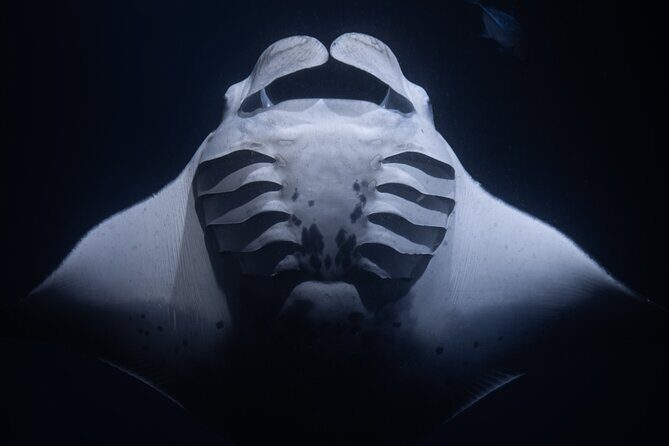
A planet-sized fish story starts with a quick night float. This Kona Manta Ray Snorkel Tour has one big draw: wild manta rays feeding after dark using a custom light board, not a staged attraction. I like the small-boat, close-up setup (less time traveling, more time in the water), and I also like the manta ray guarantee if you don’t see them. One drawback to plan for: the low-price model can mean timing slip-ups, so build in patience and extra time around dinner.
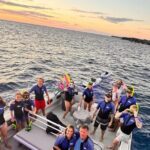
You meet in Kailua-Kona/Keauhou area, gear up, then head out when the water cools down and the manta rays come in for plankton. The tour is short on purpose—about 1 hour 30 minutes total—so you get a real nighttime ocean experience without turning it into your whole evening.
If you’re a first-time snorkeler, this one is still possible for many people, but the requirements are real: basic swimming skills and previous snorkeling experience are part of the deal. You’ll also need to handle climbing a boat ladder on your own.
In This Review
- Key Points Before You Go
- Night Manta Rays in Keauhou: The What and Why
- Price and Value: Why $25 Can Still Make Sense
- Meeting at 78-7154 Kaleiopapa St: Your First Checklist
- The Short Boat Ride to Keauhou’s Manta Spot
- How the Light Board Works (and Why You’ll See Rays)
- What the In-Water Snorkeling Feels Like
- Group Size: Why “Max 17” Changes the Mood
- Guide Team and the On-Spot Coaching You’ll Actually Need
- Timing Reality: Short Trip, But Plan Extra Buffer
- What to Bring (and What to Skip)
- The Manta Ray Guarantee: A Big Part of the Deal
- Who This Tour Is Best For
- Should You Book Kona Manta Ray Snorkel Tours?
- FAQ
- How long is the Big Island Kona Manta Ray snorkeling tour?
- What’s included in the $25 price?
- Do I need a wetsuit?
- How long do I spend in the water?
- What are the main requirements to participate?
- What happens if the tour is canceled or I don’t see manta rays?
Key Points Before You Go
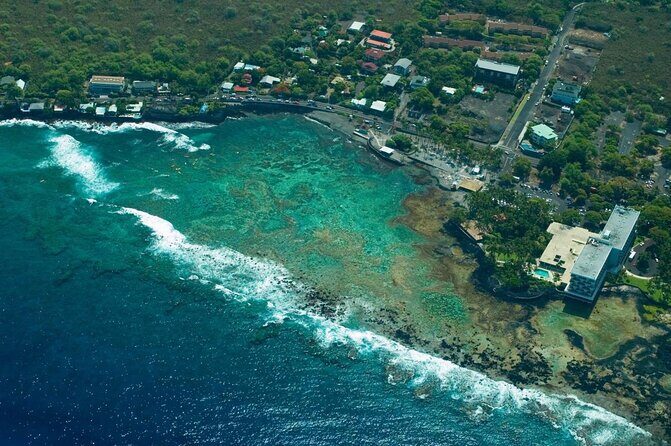
- 150,000 lm light board draws plankton-feeding manta rays into your viewing zone.
- Up to 30 minutes in the water after a very short boat ride (about 3 minutes).
- Small group limit (max 17 travelers) helps you avoid the feeling of being packed in.
- USCG captain + in-water snorkel guide/lifeguard puts safety up front.
- Manta ray guarantee: come again for free if you don’t see rays.
Night Manta Rays in Keauhou: The What and Why
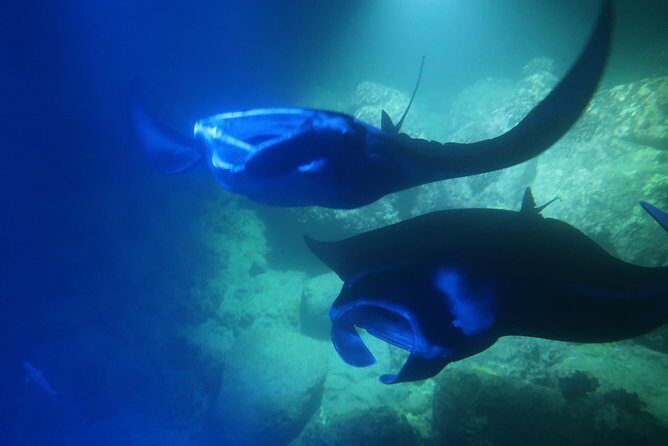
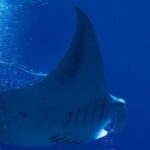
The Big Island has plenty of ocean tours. This one focuses on a specific magic moment: when manta rays feed at night. The tour runs out of Keauhou Harbor, then gets you to the manta ray spot fast—so the biggest chunk of your time is actually spent floating and watching, not waiting on the dock or bouncing across the water.
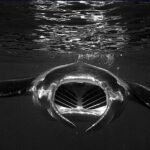
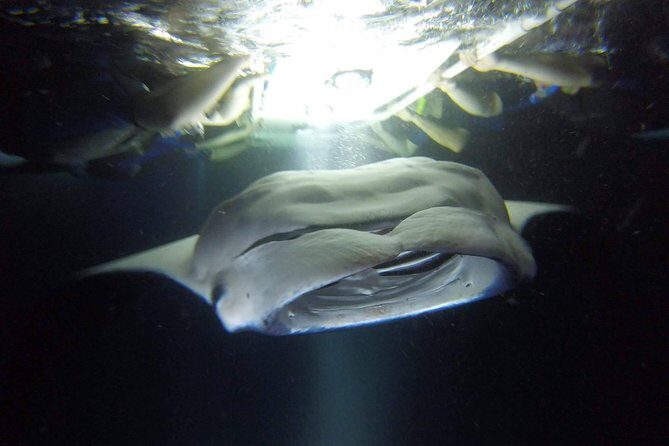
The “why this works” part is the light board. The tour uses a custom board with a stated 150,000 lumens. You’re not just snorkeling in the dark and hoping. You’re being guided toward a place where light helps plankton show up—and manta rays follow that food chain. That’s the difference between a random night snorkel and a targeted night manta ray session.
Also, I like that the crew is built for this exact job. The tour includes a USCG captain plus in-water snorkel guides and a lifeguard, which matters when you’re in open water at night and you’re dealing with breathing gear, ladders, and low visibility.
Other Manta Ray night snorkel tours in Big Island of Hawaii
Price and Value: Why $25 Can Still Make Sense
At $25 per person, this is priced like a “do it now” activity, not an all-day luxury expedition. The short total duration (about 1 hour 30 minutes) is a big part of that value. Less time on the water generally means less cost, and it also makes it easier to fit into your travel schedule.
You’re also paying for a few things that often cost extra on other tours:
- gear (mask + snorkel are included)
- trained safety staff (captain + in-water guide/lifeguard)
- a small-group format (max 17)
The one common add-on is the wetsuit option. An optional wetsuit costs $10 per person, and night water can feel chilly. If you run cold, I’d treat the wetsuit as practical insurance rather than a souvenir upgrade. If you’re already used to snorkeling in cooler temps, you might skip it—just plan accordingly.
Meeting at 78-7154 Kaleiopapa St: Your First Checklist
This tour starts and ends back at the same meeting point near 78-7154 Kaleiopapa St in Kailua-Kona. That’s helpful because you’re not stuck figuring out a complicated pickup drop-off. It also means you can plan dinner afterward without a long commute back.
A few practical notes you’ll want to follow:
- You’ll pick up wetsuit and snorkeling gear at the meetup.
- The tour uses a mobile ticket, so have it ready on your phone.
- English is required for verbal safety instructions and guide communication.
One smart tip: have your phone with you. The tour text-messages important info in advance for timing changes. If your goal is to keep things simple and cell-free, this is the one moment where having your phone handy saves stress—especially because timing can shift due to Coast Guard rules.
The Short Boat Ride to Keauhou’s Manta Spot
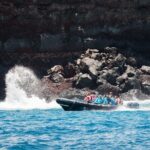
After dark, you take a quick boat ride—about 3 minutes—before you’re in the water. That short transit is the part I appreciate most, because it reduces two classic tour problems:
1) nausea or cold from long engine time
2) the sense that you’ll only get a few minutes once you finally gear up
If you’re anxious about night snorkeling, this short ride helps you feel like you’re getting to the point fast. You still get the “wow” factor of an evening cruise, but you’re not out there forever.
Another detail to know: the tour requires you to be able to climb up a boat ladder independently. If that’s a concern for you, plan on arriving early and asking for help with positioning before you’re in a rush.
How the Light Board Works (and Why You’ll See Rays)
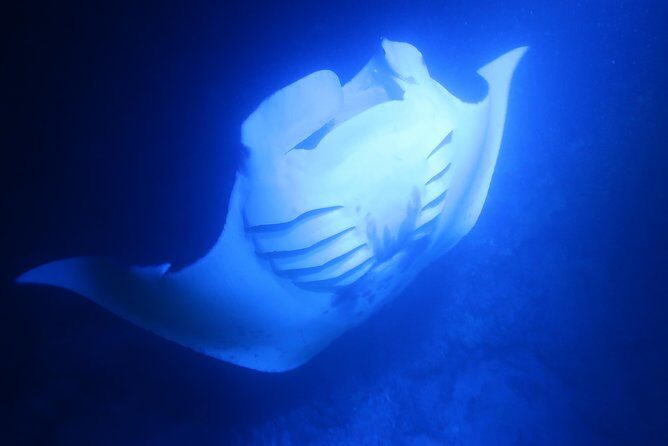
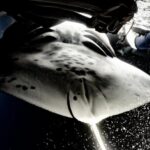
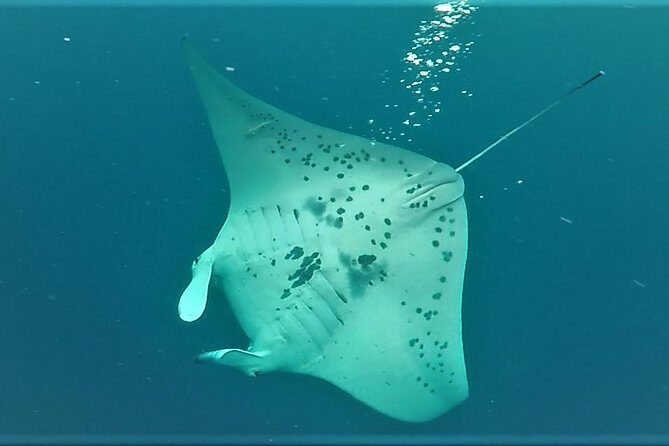
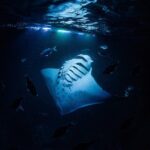
The heart of the experience is the custom-made light board, described as 150,000 lumens. The idea is straightforward: plankton-feeding time + light = rays show up to eat. You float through the warm water while manta rays swim in and feed near the board.
This matters for your expectations. You’re not waiting in random darkness, hoping the ocean provides. You’re in a guided system designed to create a viewing window. That doesn’t mean you’ll see rays every single time—ocean life always has variables—but it does mean your odds are better than “wing it” snorkeling.
You also spend up to 30 minutes in the water. That time window is long enough to settle into the rhythm of snorkeling at night and to watch the rays glide in. It’s also short enough that the experience stays energetic rather than exhausting.
Other Kona snorkel tours in Big Island of Hawaii
What the In-Water Snorkeling Feels Like
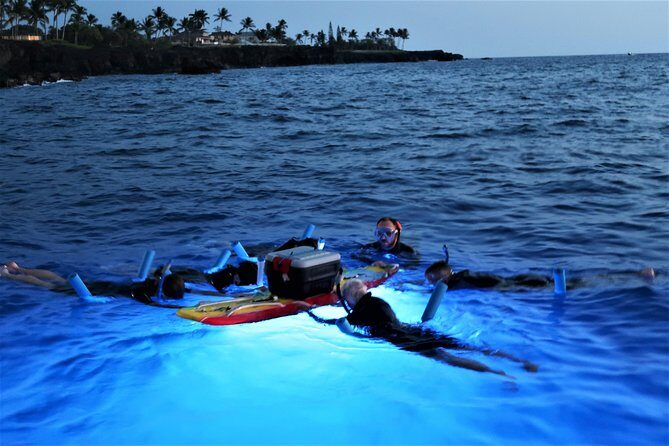
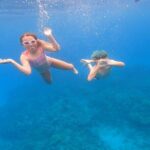
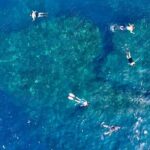
Once you’re in the water, the tour is designed for calm observation. The guides lead the session and you float alongside them. The crew is positioned so you can look out for manta rays feeding near the light.
Because this is a night snorkel, your sensory checklist changes:
- Visibility is controlled by the light.
- Your brain keeps asking what’s below you—so listen to instructions and keep your breathing steady.
- You’ll likely feel a bit cooler than you expect. Consider a wetsuit if you’re even slightly cold-sensitive.
Most importantly, guides are in the water and focused on safety and a non-intrusive approach. That’s key when you’re dealing with wild animals. You’re there to observe, not to chase.
If you’re bringing underwater gear, ask what’s allowed on the boat. Some passengers note they can’t bring certain items onto the boat, but they can bring a towel and a small bag to stash near the van. The safest play is to travel light: phone for photos, GoPro if you rented it, and keep anything loose secured.
Group Size: Why “Max 17” Changes the Mood
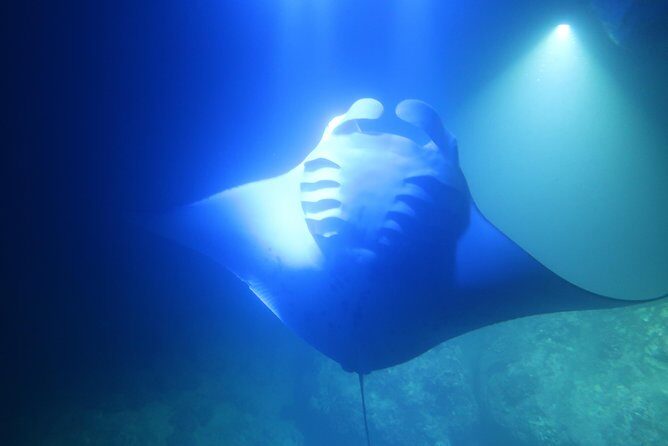
A max group size of 17 travelers is a big deal for this activity. Manta ray viewing at night can get crowded in the water if a tour packs too many people into the same lit zone.
Here, the small group format helps you get closer without feeling like a moving aquarium exhibit. It also makes the guide’s job easier: fewer bodies, more attention per person, and a more controlled flow into and out of the water.
You’ll still share space with other boats in the same area because this is a popular spot. But the setup is bright enough that you don’t feel lost in darkness, and the guides help keep your focus on the rays.
Guide Team and the On-Spot Coaching You’ll Actually Need
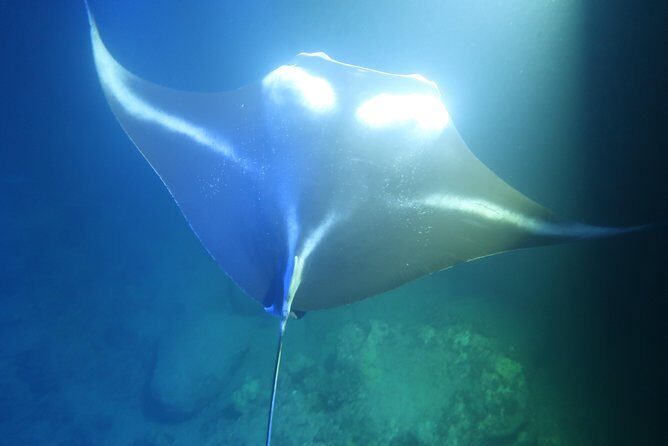
Good night snorkeling isn’t just about manta rays. It’s also about getting in the water correctly and following simple rules without panic.
The tour is run by a team that includes names you may hear during your session such as Greg, Jake, Sean, and Eric. Some sessions reference additional guide names like Mahina, and the captain is also mentioned by name as Ash. Even if you don’t get the same guide team, the pattern is clear: you’re working with people who do this often and know how to keep nerves down.
This shows up in how they give step-by-step instructions. For a lot of people, that’s what turns “I’m nervous” into “I can do this.” If you’ve never snorkeled at night, your success will depend on how quickly you understand the guide’s pacing and hand signals.
Timing Reality: Short Trip, But Plan Extra Buffer
Here’s the balanced truth: the activity is listed around 1 hour 30 minutes, and it includes a very short boat ride and a defined in-water window. That sounds tidy.
But in real life, timing can shift. The tour may adjust start times due to Coast Guard rules, and the company sends texts when that happens. Even with advance notice, you may still feel thrown off if you planned dinner down to the minute.
There are also reports of guests waiting longer than expected at the start, including long waits in a parking lot when plans go sideways. I can’t promise your evening will run perfectly to the minute, even with good organization. So I’d plan your schedule like this:
- Treat dinner as later than you originally imagined.
- If you’re traveling with kids or have a hard bedtime, build in extra slack.
- Bring a light layer for the wait on land at night.
Once you’re in the water, most people say the payoff is worth it.
What to Bring (and What to Skip)
The tour includes your mask and snorkel. The wetsuit is optional for $10 per person. You’re responsible for a few basic comfort and gear choices:
Bring:
- Your mobile ticket on your phone
- A towel and small bag for what you can stash during the trip
- If you get chilly easily, plan on renting the wetsuit or at least bringing a warm layer to change into after
Leave:
- Anything bulky or not allowed on the boat
- Heavy items that add risk when you’re climbing the ladder
One more practical point: if you’re using a phone, keep it out of the way once you’re boarding. Night water and gear management don’t mix with constantly adjusting pockets and straps.
The Manta Ray Guarantee: A Big Part of the Deal
This tour offers a manta ray guarantee. If you don’t see manta rays during your snorkeling session, you can come again for free.
That guarantee is valuable because it protects you against the one thing no operator can fully control: manta rays may not show up exactly as expected for every time slot. Light helps, but the ocean decides the final performance.
One smart way to use the guarantee is to book your tour with flexibility. If your vacation schedule is tight—like you’re leaving the next morning—your ability to redeem that free return might be limited. If you have a spare day in Kona, your risk drops.
Who This Tour Is Best For
This tour fits best if you want:
- a focused night manta ray experience
- a short schedule
- a safety-first in-water guide team
- small-group ocean time
It may be a great match for couples and families who want an unforgettable wildlife moment without an all-day outing.
It’s not a great match if:
- you have mobility restrictions or recently had surgery (not recommended)
- you can’t confidently climb a boat ladder on your own
- you lack basic swimming ability
- you have no prior snorkeling experience (this is listed as required)
Also note the weight limit: maximum weight cannot exceed 275 pounds per guest.
Should You Book Kona Manta Ray Snorkel Tours?
Book it if you want the classic Big Island “manta rays at night” experience with a smart format: short boat ride, guided in-water float, bright light board, small group size, and a manta guarantee. With the low price point, it’s one of those tours that feels easier to say yes to than the pricier all-day options.
Skip or reconsider if you’re on a tight evening schedule, hate waiting, or know you’ll struggle with the boat ladder and night snorkeling basics. If those are your issues, the manta rays might still be the highlight—but you’ll enjoy it more on a tour with a timing model that suits your pace.
If you do book, go in planning to be patient on land and confident in the water with your guide. Then let the ocean do the rest.
FAQ
How long is the Big Island Kona Manta Ray snorkeling tour?
It’s listed at about 1 hour 30 minutes total.
What’s included in the $25 price?
Mask + snorkel are included. The tour also includes a USCG captain plus an in-water snorkel guide and lifeguard, and it offers small-group snorkeling. A manta ray snorkeling session may be included if that option is selected.
Do I need a wetsuit?
A wetsuit is optional and costs $10 per person. Some people plan for this because the water and night air can feel cool.
How long do I spend in the water?
You can float alongside the guide for up to 30 minutes, after a short boat ride (about 3 minutes).
What are the main requirements to participate?
You need basic swimming skills and previous snorkeling experience. You must be able to climb up a boat ladder independently, be able to converse in English for instructions, and your weight must not exceed 275 pounds.
What happens if the tour is canceled or I don’t see manta rays?
The experience requires good weather, and if it’s canceled due to poor weather you’ll be offered a different date or a full refund. The tour also has a manta ray guarantee policy: if you don’t see rays, you can return for free.