REVIEW · BIG ISLAND OF HAWAII
Manta Ray Night Snorkel Kona – Coral Reef Snorkel Adventures
Book on Viator →Operated by Coral Reef Snorkel Adventures · Bookable on Viator
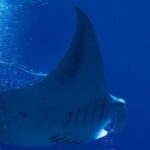
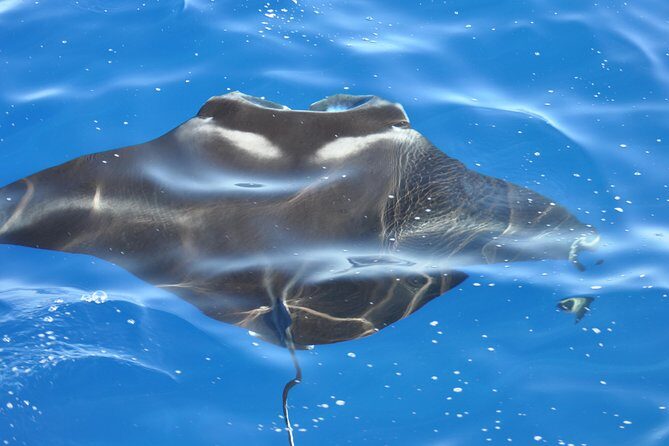
Manta rays at arm’s length in Kona. This night snorkel is built around a lightboard that draws in plankton, so you’re set up to watch mantas feed in near-darkness. I also love the included snacks and non-alcoholic drinks, because after a swim in cool water, you’ll appreciate something warm and easy.
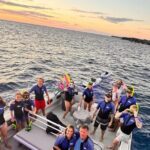
You’ll meet up, then get guided out to a small boat with a crew that pays attention to safety and technique. In the water, guides like Jacob and Jeff focus on how to float and position yourself so you can see mantas without kicking up trouble.
One thing to think about: the ocean can be rough, and the whole operation is weather-dependent. If you’re prone to seasickness or cold, plan ahead (and don’t tough it out without a backup plan).
In This Review
- Key takeaways before you go
- Price and what makes $125 feel fair
- Where you meet: from Kealakehe Pkwy to Honokohau
- The night plan: what happens after dark
- Lightboard snorkeling: why the feeding scene is the star
- Gear, wet suits, and what to pack (and what not to)
- The Superman hold: a simple technique that can tire you
- Small-boat size: why it can change everything
- Ocean realities: the ride can be bumpy, and that’s not a small detail
- When mantas show up: what your viewing could look like
- Safety and requirements you should read closely
- After the snorkel: snacks, drinks, and stargazing energy
- Who should book this Kona manta ray night snorkel?
- Should you book Coral Reef Snorkel Adventures for manta rays?
- FAQ
- How long is the Manta Ray Night Snorkel in Kona?
- Where do I meet for the tour?
- How much does it cost?
- Is snorkeling equipment included?
- Do I need to bring a towel?
- Do I need to be able to swim?
- Who should avoid this tour due to medical reasons?
- What is the maximum weight limit?
- What happens if the weather is bad?
Key takeaways before you go
- More than a 90% manta sighting chance gives this tour a real edge for first-time manta seekers.
- Small-boat access means your guide can actually watch you in the water, not just shout from the deck.
- Lightboard viewing lets you see mantas feeding, with plankton and bioluminescence often part of the show.
- Snacks and non-alcoholic drinks after the snorkel make the evening feel complete.
- Arms-out floating (the Superman hold) is part of the setup, and it can feel tiring if you’re not used to it.
- Expect possible bumpy rides and chilly water, especially on choppier nights.
Price and what makes $125 feel fair
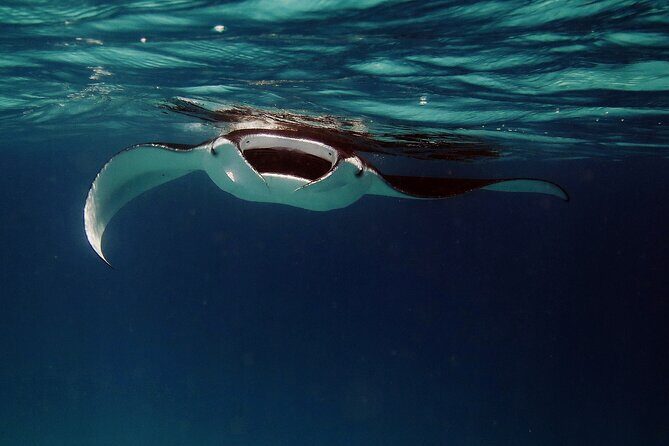
At $125 per person for about 1 hour 30 minutes, this tour is priced like a “do it once” ocean experience. The value comes from three things: the manta-focused night timing, the lightboard method (so you’re not just hoping), and the fact that you’re not stuck on a big cattle boat.
Also, this isn’t just a float-and-wave situation. You get snorkeling gear, instructions, and a setup designed to let mantas come close while you stay in control. If manta rays are high on your Big Island hit list, that’s where the money tends to make sense.
Other Manta Ray night snorkel tours in Big Island of Hawaii
Where you meet: from Kealakehe Pkwy to Honokohau
The official start is with Coral Reef Snorkel Adventures at 74-425 Kealakehe Pkwy, Kailua-Kona. From there, you’ll be escorted to the Honokohau Small Boat Harbor area, where you’ll join the small boat for the night run.
You’ll also get everything prepped before you’re in the water. One helpful detail from past trips: shoes often come off before boarding, and belongings are stored so they stay dry for the duration. Plan to show up with the idea that you’ll be handling wet gear and a short transition step—nothing complicated, but it helps to move calmly.
The night plan: what happens after dark
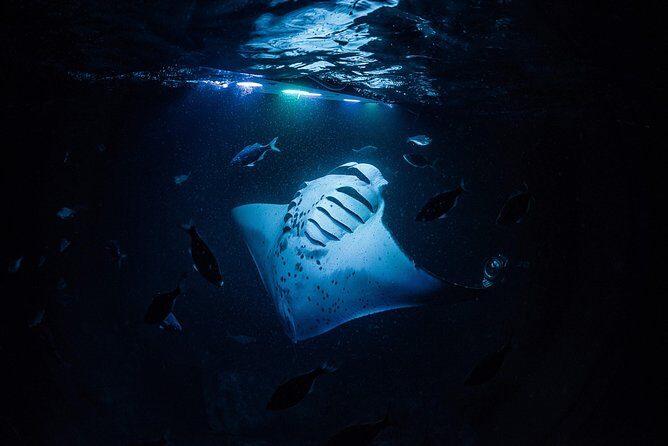
Mantas are known for being most active at night, and this tour is timed to match. You’ll head out after dark, then get into the water where the lightboard attracts plankton. That plankton glow draws mantas in, and that’s the whole point: you’re watching manta behavior at the buffet.
Once you’re in, the goal is simple—stay positioned, float steadily, and look in the right directions. A guide will show you how to snorkel and where to focus so you can spot mantas as they feed and glide beneath the board. In practical terms, you’ll spend enough time at the sweet spot that you’re not just getting a quick glimpse.
Lightboard snorkeling: why the feeding scene is the star
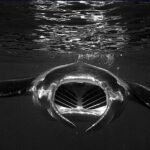
This is not a generic “see sea life if you’re lucky” snorkel. The lightboard changes the odds by pulling plankton into the same area on purpose. When mantas arrive, you’re often close enough to watch how they move around the board and how they respond to the current and the food.
Several people describe mantas coming very near the board—sometimes spinning and rolling under it, and sometimes gliding close enough that you can feel the moment shift from routine to wow. Even if your manta count varies night to night, the behavior you’re looking for (feeding, passing under the board, calm circling) is built into the setup.
Gear, wet suits, and what to pack (and what not to)
Snorkeling equipment is included, so you don’t need to buy your own mask or snorkel. You’ll likely be outfitted with a wet suit for warmth, since you’re in the ocean at night and spending time floating.
You do need to bring your own towel. Past experience on similar tours shows that this one detail matters because you’ll want it right after the water, before the chill sets in on the ride back.
What I’d do before you go:
- Bring a small, easy-to-dry bag for personal items
- Wear layers you can shed quickly
- Expect cool air between water time and the boat ride back
Other Kona snorkel tours in Big Island of Hawaii
The Superman hold: a simple technique that can tire you
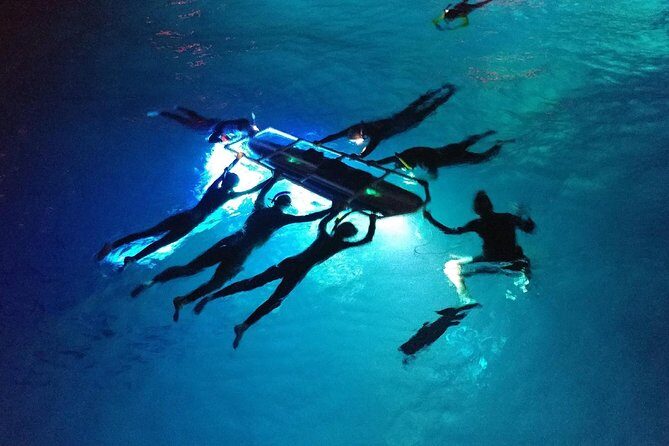
One of the most specific “what to expect” notes is about how you’ll hold position. Many nights include a period where you float and hang onto the lightboard with arms out in a Superman style posture. It’s usually not constant effort like a plank, but it can still feel uncomfortable because you’re holding tension while the boat rocks.
If your shoulders or upper-body endurance are limited, plan for that. The best approach is to keep your grip from turning into a death-hold. A lot of the comfort comes down to relaxing your shoulders and keeping your breathing steady while you scan for mantas.
Also pay attention to what you do with your head. If you submerge your face and head fully, you might miss some of the guide’s in-water tips. But if you keep your eyes down too little, you might miss the mantas below you. It’s a tradeoff, and your guide will help you find the balance.
Small-boat size: why it can change everything
This tour is sold as intimate, and the numbers are part of that. The activity lists a maximum of 12 travelers, and at least some emphasis is placed on keeping access strong through a smaller boat format.
That difference matters in two ways:
- Your guide can see what you’re doing and adjust on the spot.
- You spend less time dodging bodies than you would on a larger operation.
One caution: if you booked specifically for a maximum-of-six vibe, make sure you confirm group size details at booking or with the provider. Private charters are mentioned as an option when someone wants fewer people on the boat.
Ocean realities: the ride can be bumpy, and that’s not a small detail
Several people call out a rougher-than-expected ride at least on some nights. If you’re sensitive to motion, consider it part of the experience. The water between harbor and viewing area can feel fast and choppy, and that can shake you up before you even get in.
If you get seasick, prepare early:
- Ask a medical professional about motion-sickness options before you go
- Consider bringing remedies that work for you (the tour itself can’t control wave size)
- Try to sit where the motion feels least intense for you
Also, the operation is safety-first. If conditions are unsafe, the tour can be canceled or rescheduled. That’s exactly what you want to hear—because it means the decision isn’t made at the last second just for convenience.
When mantas show up: what your viewing could look like
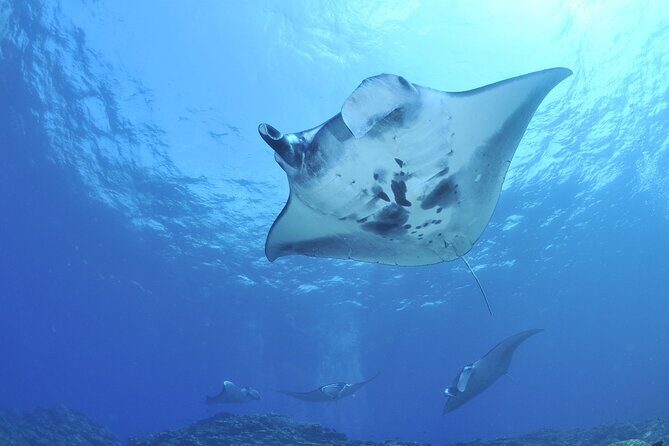
The most praised moments are when mantas come close—close enough that people describe them as inches away from the board at times. Several accounts describe multiple mantas at once, with counts ranging from a couple to more than a dozen.
You might see mantas feeding on or near the board while plankton glows around the lights. Some people also mention extra light-life in the water, like bioluminescence and very small glowing organisms. If you’re hoping for the full “giant meets the light” fantasy, this tour’s method is designed to deliver that setting.
Keep your expectations flexible. Even with a strong odds claim, not every night is identical. The upside is that the experience is built around the viewing setup, not just random luck.
Safety and requirements you should read closely
This tour has clear swim and comfort rules:
- You must be able to swim without assistance from a flotation device.
- You should have moderate physical fitness.
- There’s a maximum weight of 280 pounds per person.
- It’s not recommended for travelers with neck problems.
- The activity ends back at the meeting point.
If you’ve got knee issues, watch your boarding and ladder steps. Some people report the crew being understanding and patient, but you should still plan for wet, uneven steps and short transfers.
After the snorkel: snacks, drinks, and stargazing energy
When the water time ends, you head back toward the harbor. One of the nicer details is what happens after: snacks and non-alcoholic drinks are included. That matters more than it sounds, because night snorkels can leave you tired, chilly, and hungry.
Some people also describe the ride back as beautiful, with stars and sky views part of the vibe. Even if your manta count isn’t massive that night, the combination of night air, calm movement on the water, and the glow of the sea can still feel special.
Who should book this Kona manta ray night snorkel?
I’d point you toward this tour if:
- Manta rays are a top priority and you want an approach that’s designed to attract them.
- You like the idea of a small boat and strong guide attention.
- You’re comfortable swimming without flotation and can handle cool water at night.
I’d think twice if:
- You get seasick easily and haven’t handled it successfully before.
- You have neck problems or you know that holding a position out of the water won’t work.
- You’re looking for zero physical effort. The Superman hold and climbing back in can be work.
For families, couples, and anyone chasing a close-up wildlife moment, this tour tends to fit well—especially when you’re prepared for the ocean and dress for the chill.
Should you book Coral Reef Snorkel Adventures for manta rays?
If you want a manta ray encounter that’s more “managed for success” than “hope and prayer,” this is a strong pick. The lightboard feeding setup, the high odds claim, and the small-boat feel are exactly what make it worth considering at $125.
Just go in with two realistic expectations: the ocean might be bumpy, and the in-water position can be tiring. If you’re prepared for those, you’re much more likely to leave thinking you nailed one of your best nights on the Big Island.
If you’re still deciding, I’d book earlier in your schedule when possible, so you have room for a return attempt if conditions or sightings don’t go your way.
FAQ
How long is the Manta Ray Night Snorkel in Kona?
It lasts about 1 hour 30 minutes.
Where do I meet for the tour?
You start at Coral Reef Snorkel Adventures at 74-425 Kealakehe Pkwy, Kailua-Kona, HI 96740, and the activity ends back at the meeting point.
How much does it cost?
The price is $125.00 per person.
Is snorkeling equipment included?
Yes. Snorkeling equipment is included.
Do I need to bring a towel?
Yes. You should bring your own towel.
Do I need to be able to swim?
Yes. You must be able to swim without the assistance of a flotation device.
Who should avoid this tour due to medical reasons?
It is not recommended for travelers with neck problems.
What is the maximum weight limit?
The maximum weight is 280 pounds per person.
What happens if the weather is bad?
The experience requires good weather. If it’s canceled due to poor weather, you’ll be offered a different date or a full refund.