REVIEW · BIG ISLAND OF HAWAII
Snorkel with Manta Rays Guaranteed
Book on Viator →Operated by Sea Paradise · Bookable on Viator
Big mantas, at arm’s length, in the dark.
On this Sea Paradise night snorkel, I like the smart setup at the Manta Ray Village: a sunset sail, then floating above the plankton that draws manta rays in close.
What I really love is how the whole experience is built around comfort and control. You get wetsuits, masks, and snorkels, and you’ll float on a one-of-a-kind manta flotation device so you’re not doing hard swimming with fins.
One consideration: the water can be choppy at night, and you spend the snorkel period holding onto the light raft platform, which can feel like a shoulder workout if you grip tightly.
In This Review
- Key things to know before you go
- Sunset Sail on the Hokulani to Manta Ray Village
- The Night Snorkel Setup: Floating Above the Plankton
- Gear, Safety Rules, and Why You Often Need Less Swimming
- Sea Conditions, Seasickness, and Timing in the Water
- Price and What You Get for $141.57
- Who This Fits Best on the Big Island
- Should You Book This Manta Ray Snorkel with Sea Paradise?
- FAQ
- How long is the snorkeling portion?
- What gear is included?
- Do I need to bring fins?
- Are full-face masks allowed?
- Where does the tour start and end?
- How big is the group?
- What happens if weather is poor?
- Is free cancellation available?
Key things to know before you go
- Hokulani sunset cruise first, so you’re not stuck rushing straight into dark water
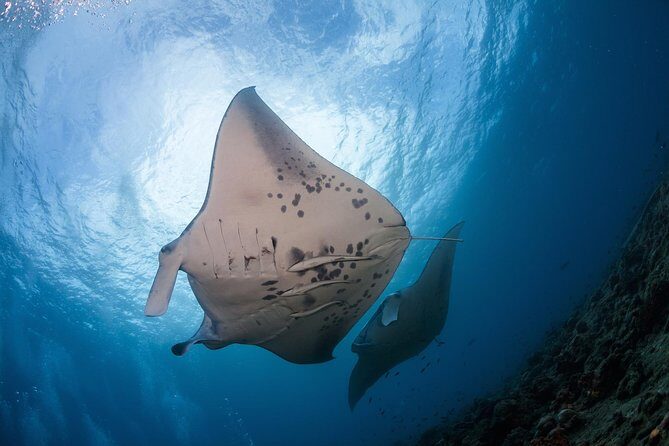
- Lit manta floatation device that attracts plankton and lets you observe rays from the surface
- About 45 minutes in the water (you’re not out there for hours)
- Safety-focused rules, including no full-face masks for safety reasons
- Less kicking, more holding: fins aren’t needed, but holding the platform takes some effort
- Short ride to the snorkeling spot, which helps if you’re prone to seasickness
Sunset Sail on the Hokulani to Manta Ray Village
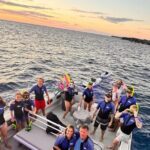
The best part of this tour starts before you ever put your face in the water. You meet at Keauhou Bay (in the Kahaluu-Keauhou area) and head out aboard the Hokulani, a comfortable trimaran. This is an evening outing, so you’re likely to see the sunset colors from the water, then roll into night without feeling like your day just got yanked away.
The sail is where the crew gets you set up for what comes next. After boarding, you’ll get a safety briefing and a clear run-through of how the snorkel experience works. In choppy conditions, that matters. The smoother the plan, the easier it is to relax when the ocean is doing its thing.
One practical detail I like: the boat doesn’t take forever to reach the snorkeling area. People looking to reduce seasickness risk will appreciate that it’s typically a short trip out to the viewing spot rather than a long, bouncy transfer in the dark.
Other Manta Ray night snorkel tours in Big Island of Hawaii
The Night Snorkel Setup: Floating Above the Plankton
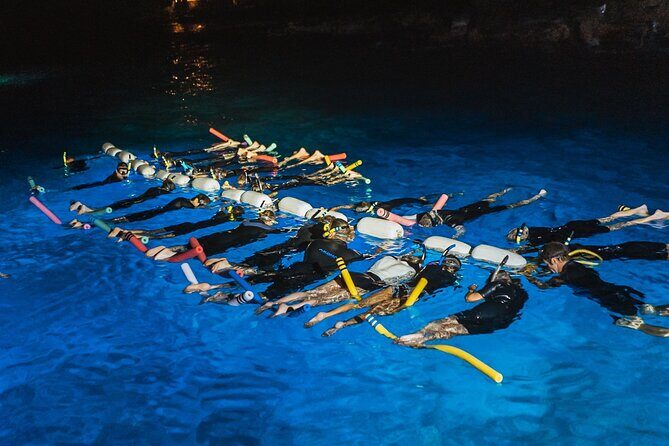
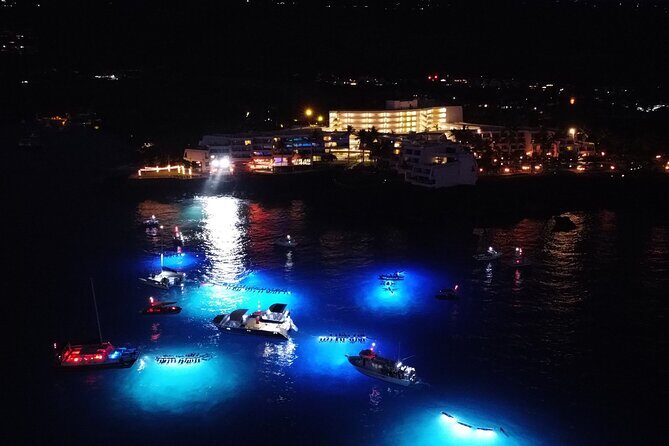
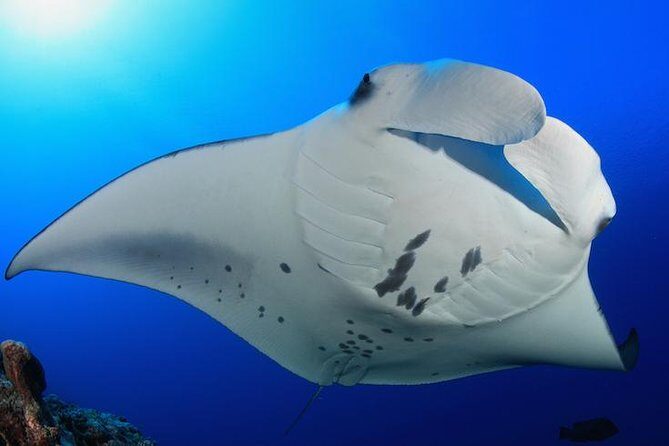
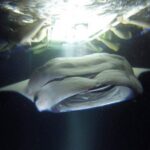
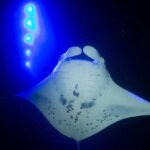
This is not a standard night snorkel where you roam freely. The core experience is that you’ll float on the water’s surface using the manta flotation platform. From there, you’ll look down as manta rays gather below to feed on plankton.
Here’s the clever part of the system. At night, plankton rises from the ocean floor and is drawn to a light source attached to the float. The light turns your snorkel spot into a manta buffet station. That’s why the viewing can get so intense. You’re not just hoping to see rays; you’re placed right where the action is likely to happen.
Your time in the water is about 45 minutes, and that’s a sweet spot. Long enough to settle in, adjust your breathing, and get over that first-surprised feeling when the first manta appears. Short enough that most people can manage the cold water and the holding position without getting wiped out.
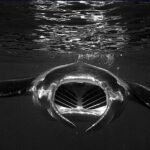
Also, you should expect face-to-face moments. Multiple people describe rays coming within inches, sometimes just inches from your viewing area. That’s part of the awe factor. It’s also why the rules are strict about not touching.
Gear, Safety Rules, and Why You Often Need Less Swimming
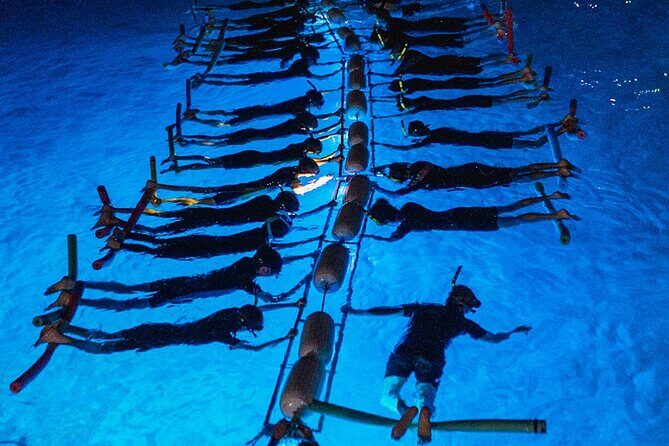
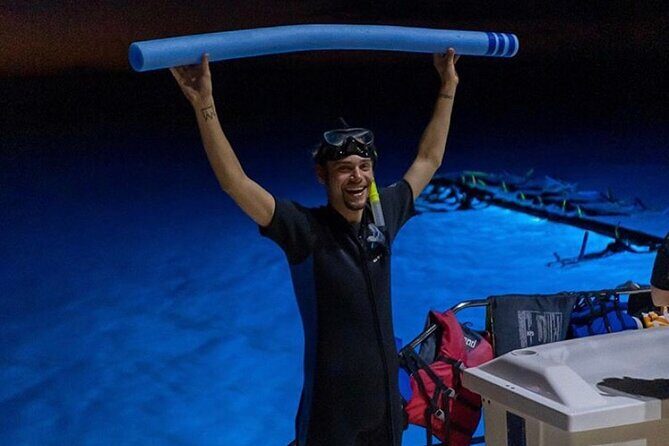
Sea Paradise provides the snorkeling essentials: wetsuits, masks, and snorkels. Fins are not needed, which is a big deal. Without fin kicking, you’re less likely to bump the ocean giants by accident while you’re getting your balance.
You will use a light-equipped flotation device that you hold onto during your snorkel time. Some people find it comfortable and steady. Others mention shoulder fatigue if they grip too hard, especially if conditions are rough. My advice is simple: hold gently but firmly, and try not to clamp down like it’s a life raft in a movie.
Safety rules show up in the details. The tour does not allow full-face masks for safety reasons. If you were planning to wear that type of mask, you’ll need to switch to the standard style that fits the tour setup.
There’s also an environmental and animal-safety mindset built into how the crew positions you. The goal is respectful viewing. You’ll be reminded to follow the first rule: don’t touch the manta rays. In practice, that means you’ll be guided on how to manage your body in the water so your gear doesn’t become an accidental hazard.
If you’re new to snorkeling at night, this setup is a relief. You’re not tasked with lots of freestyle skills. You’re tasked with calm breathing, watching, and staying positioned. That’s why many first-timers feel comfortable once they get the briefing and gear fit.
Sea Conditions, Seasickness, and Timing in the Water
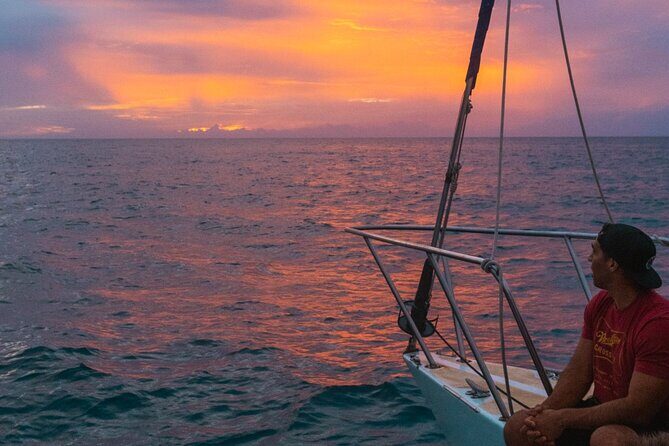
Night water on the Big Island can be chilly, and sometimes it’s just plain bumpy. One of the most helpful pieces of realism from the experience is that the ocean isn’t always smooth. On rougher nights, the crew focuses on keeping you steady and confident rather than rushing the process.
If you’re prone to seasickness, this tour has two advantages:
- The ride to the snorkel spot is short, so you get less time bouncing in transit.
- On the boat, there are drinks and small comfort items such as soda/pop and varied juices, and some people note ginger ale and chews being offered for those who feel off.
Still, plan for the possibility that you’ll feel motion. Bring a light layer mindset even with a wetsuit, because chilly air between the water and boarding can feel sharper at night.
Timing is straightforward. You start with the sunset sail, then you do the safety briefing and gear up at the snorkeling area. Snorkel time is approximately 45 minutes, and the tour ends back at the meeting point. There’s no long, unpredictable hanging around in the middle of the night.
One more logistical tip you’ll be glad you know: the meet-up area can be easy to misread if you head straight for the most obvious ramp. People recommend looking for the meeting point around the building area rather than the boat ramp itself.
Price and What You Get for $141.57
At $141.57 per person, this is not a budget activity. But I think the value math works when you look at what’s included and why manta-ray viewing at night costs money.
You’re paying for:
- A sunset cruise aboard a comfortable trimaran (not just a quick boat transfer)
- Provided wetsuit, mask, and snorkel so you’re not hunting gear last minute
- A guided, controlled snorkel spot with a specific lighting setup designed to attract feeding mantas
- Food and drinks onboard, including soda/pop and varied juices
- Expert-led safety briefing and gear guidance
The biggest value driver is the experience design. The manta rays are coming because plankton is rising and the light is doing its job. Your placement on the floating platform means you’re in the viewing zone without needing advanced swimming skills.
And you’re not alone out there with chaos and random spacing. The group size is capped at 49 people, which helps keep the experience organized. Plus, this outing has a strong track record, with a very high recommendation rate and an overall rating of 4.8 from hundreds of people. That doesn’t guarantee perfection, but it does suggest that most nights the crew runs things smoothly.
If you’re deciding between this and a more generic night snorkel, remember: this is built specifically around manta-ray viewing, not just wandering in the dark and hoping.

Who This Fits Best on the Big Island
This tour is a strong fit if you want manta rays without needing advanced snorkeling stamina. The holding platform, the lack of fin requirements, and the clear safety guidance make it friendly for people who are curious but not confident.
It’s also a good match if you want a family night outing with structure. Many people describe the crew as attentive with kids, and some mention that even younger snorkelers can handle it when instructions are clear and support is quick. That said, the holding position can be tiring, so if your child has limited shoulder tolerance or anxiety around ocean conditions, you might want to think carefully about timing and comfort.
Moderate physical fitness is the stated requirement. Practically, that means you should be okay with:
- Getting in and out of the water with help
- Holding onto the platform during the snorkel period
- Managing the cold and the night conditions
If you have shoulder issues, I’d take the holding requirement seriously. Some people explicitly note that gripping the light raft can be like a workout. The ocean can add extra effort if waves move the platform.
Should You Book This Manta Ray Snorkel with Sea Paradise?
I’d book this if your priority is close manta-ray viewing at night with a setup that minimizes skill barriers. The lit manta float system is the difference-maker, because it turns the ocean into a feeding scene you can actually watch from the surface.
I’d also book it if you want a calmer logistics experience than long, far-out boat rides. The short transfer helps, and the crew briefing approach helps even when conditions are choppy.
I’d hesitate if you strongly dislike cold water, you know you’re highly seasick, or you’re worried about holding position. The rays may come within inches, but that still requires you to stay steady and follow the rules.
One last practical note: this activity depends on good weather. If conditions don’t cooperate, you’ll be offered a different date or a full refund. And if you like certainty, the confirmation happens within 48 hours of booking, depending on availability. It’s also common to book ahead (on average, people reserve about 38 days in advance), so planning early can make your life easier.
If you want a Big Island night experience that’s purposeful, not random, this is one of the most logical choices.
FAQ
How long is the snorkeling portion?
Snorkel time is approximately 45 minutes.
What gear is included?
Wetsuits, masks, and snorkels are provided, and filtered water is included. Fins are not needed.
Do I need to bring fins?
No. The tour notes that fins are not needed.
Are full-face masks allowed?
No. Due to safety concerns, the tour does not allow full-face masks.
Where does the tour start and end?
It starts at Keauhou Bay, Kahaluu-Keauhou, HI 96740, USA and ends back at the same meeting point.
How big is the group?
The tour has a maximum of 49 travelers.
What happens if weather is poor?
This experience requires good weather. If it’s canceled due to poor weather, you’ll be offered a different date or a full refund.
Is free cancellation available?
Yes. You can cancel up to 24 hours in advance for a full refund.