REVIEW · BIG ISLAND OF HAWAII
Abalone Farm Tour
Book on Viator →Operated by Big Island Abalone · Bookable on Viator
If you like your tours hands-on, this one starts with living sea creatures. It’s a working abalone farm on the Big Island, run with an eye toward sustainable aquaculture, and you may even get to touch live abalone—a rare kind of up-close encounter.
Two things I really like: the tasting is built into the tour, and it’s not just a quick sample. You also get a guide who explains how abalone are raised (including mating and growth basics) in a way that clicks fast, whether you’re with kids or visiting in your 70s with a cane, like people describe.
One consideration: it’s outdoors for about an hour, so you’ll want water and a hat, and you may prefer a sheltered day. Also, this is a tasting, not a full meal—plan for extra food if abalone poke or sushi from the nearby food truck is calling your name.
In This Review
- Key points to know before you go
- A working abalone farm makes sustainability feel real
- Meeting at 73-357 Makako Bay Dr and the hour-long pace
- Touring the tanks: how abalone get raised, mated, and harvested
- The rare hands-on moments: touching live abalone
- Seaweed farming and the included seaweed tastings
- Guides who make the farm talk stick
- What you actually eat: the abalone tasting at the end
- The food truck option: add lunch without leaving the story
- Price and value: why $35 can feel fair here
- Who should book this abalone farm tour in Kailua-Kona?
- Should you book? A quick decision guide
- FAQ
- How long is the abalone farm tour?
- How much does it cost?
- What language is the tour offered in?
- What’s included besides the farm visit?
- Can I touch animals during the tour?
- What’s the group size limit?
- What happens if the weather is bad?
- Is the tour animal-friendly for service animals?
Key points to know before you go
- Touch live abalone and other sea creatures during a guided, multi-sensory visit
- Abalone + seaweed tastings are included, with choices like seaweed and sea grapes
- Small group size (max 20) makes it easier to ask questions and stay engaged
- Sustainability focused: learn why farming matters for an animal under pressure
- Outdoor, mostly low-effort pacing works well for many ages and abilities
A working abalone farm makes sustainability feel real
I love tours where the subject isn’t just a pretty display. Here, the story is connected to daily work: tanks, sea life, and the reason sustainable raising matters. The farm also frames abalone as an animal with conservation pressure, and you’ll hear how farming can help support populations rather than strip them from the wild.
On the Big Island, it also makes practical sense. You’re learning how people grow abalone and seaweed in a tropical setting—so it’s not just a seafood lesson, it’s a local aquaculture lesson.
Other coffee and farm tours in Big Island of Hawaii
Meeting at 73-357 Makako Bay Dr and the hour-long pace
The tour meets at 73-357 Makako Bay Dr, Kailua-Kona and ends back at the same spot. It’s scheduled for about 1 hour, so it fits easily into a layover day, a mid-day break, or a family itinerary that can’t stretch forever.
Because the group tops out at 20 people, the pace stays friendly. It’s enough time to walk the farm route, stop for hands-on moments, and still land at the tasting without rushing you out the door.
Touring the tanks: how abalone get raised, mated, and harvested
The main experience is a guided walk through a working abalone farm, with explanations of the full cycle. Expect to hear how abalone reproduce, how they grow to maturity, and how harvesting fits into the workflow. You’ll also learn why this farm sees itself as a premium seafood producer and a conservation-minded operator.
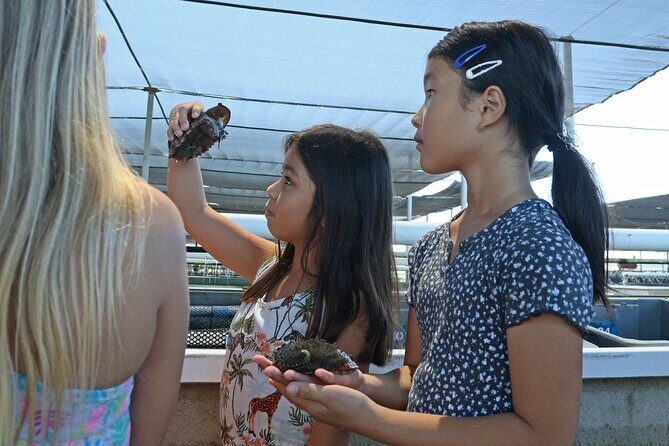
This is where the tour turns from “information” into “I get it.” One of the standout moments is the possibility to touch live abalone and see other sea creatures up close. Multiple guides (like Carlos, Kai, and Diana) are described as engaging, and that matters because the farm details are easier when someone keeps the group involved.
You can also expect a strong focus on what makes abalone special as animals, not just as food. People mention learning details like the shell and body features they didn’t know to look for—things such as the foot and radula—so the tour feels like a quick marine-biology lesson you don’t have to study for.
Who this section suits: If you like learning the how and why behind food (instead of only tasting it), you’ll probably enjoy this part most. If you hate hands-on moments, you can still follow along, but the tactile experience is a big part of the point.
The rare hands-on moments: touching live abalone
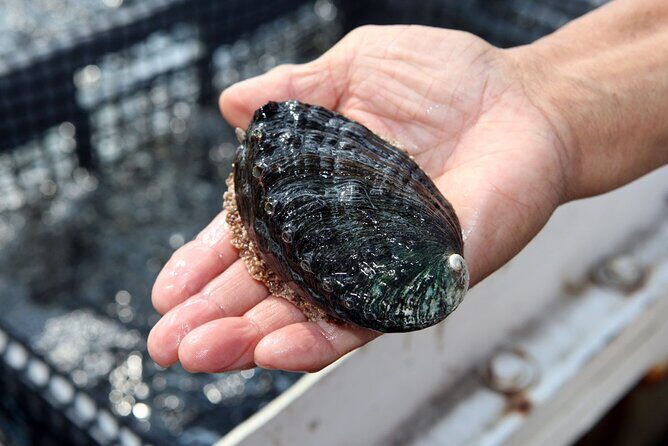
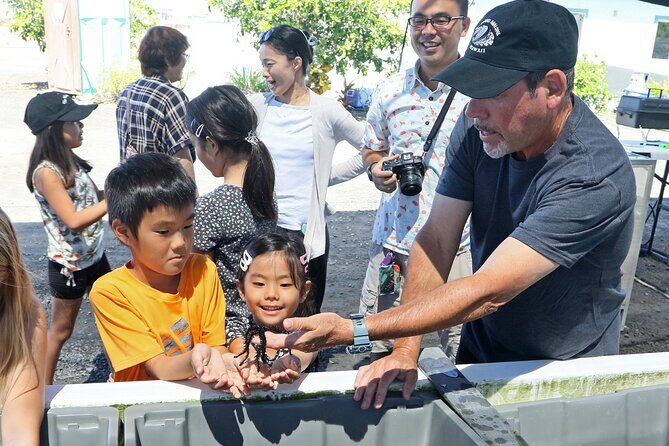
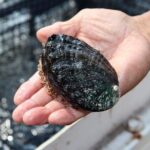
This is the moment many people remember most. You may get a chance to hold or touch live abalone, plus handle or interact with other sea creatures during the walk. That’s not something you see at most “seafood” experiences, and the guides seem to treat it as a careful, guided opportunity.
Practical note: this is an outdoor farm, so you’ll want to wear clothing that’s comfortable for a walk around tanks. Also bring water and plan for sun. Some parts of the tour are reported to be in shade, but you should still dress for Hawaii weather.
Consideration: If you’re expecting a long, slow aquarium-style session, the time is tighter than that. It’s hands-on and instructional, but it’s still a one-hour format, so pay attention and ask questions while you’re there.
Seaweed farming and the included seaweed tastings
Abalone farms here aren’t only about abalone. You’ll also learn about seaweed farming and why it’s part of the system. During the tour, you’ll hear about how seaweed is grown and harvested, and why it matters to the bigger setup.
Then comes the fun part: you get to taste. People mention trying seaweed and sea grapes, along with items described as dulse and sea peas. The tastings are often framed as “superfoods” in a casual way, but the practical benefit is that you’ll get a reference point for what these flavors are like in real life—not just as packaged health claims.
This section is one reason the tour feels good for groups. Even if one person is mostly there for abalone, everyone ends up with a shared tasting moment.
A few more Big Island of Hawaii tours and experiences worth a look


Guides who make the farm talk stick
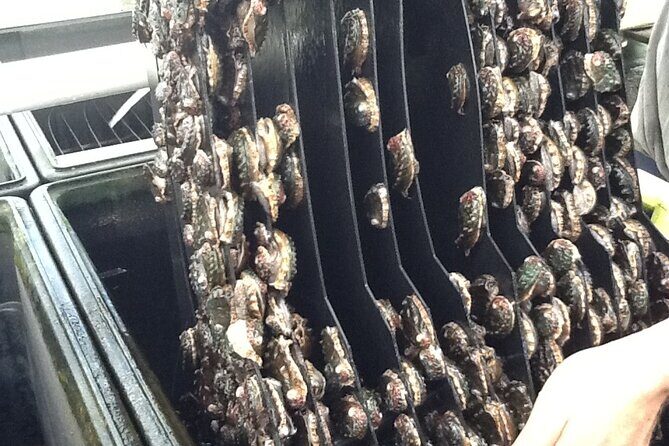
The human factor is real here. Guides are frequently praised for being animated and for communicating clearly, with Carlos, Kai, and Diana showing up by name in the experience. People also describe the guides as funny and engaging, and that helps when you’re learning an unfamiliar topic like abalone breeding and aquaculture.
I also like that the farm experience seems designed for a wide range of ages. Families describe kids and grandparents doing fine, with the guide adjusting how the group talks about what you’re seeing. One practical detail that comes up: the pacing is calm enough for visitors who move slower, including someone using a cane.
So if you’re worried about a tour being too technical or too long-winded, this one leans toward explanations that match the farm’s hands-on reality.
What you actually eat: the abalone tasting at the end
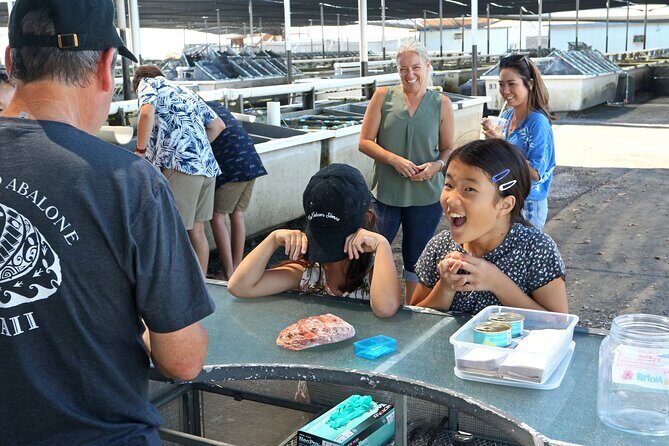
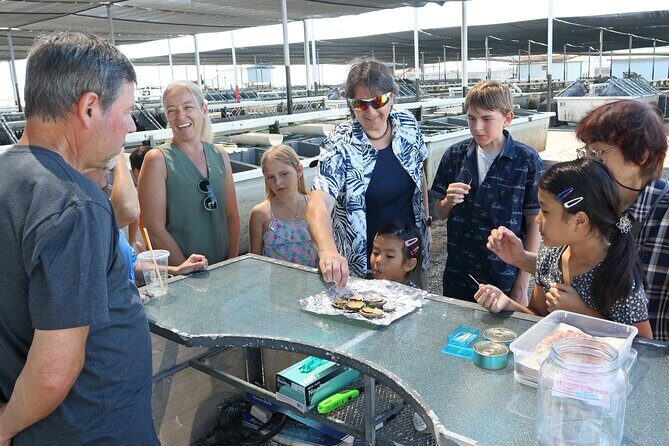
Near the end, the tour includes a tasting tied to the farm. People describe being served steamed abalone in a shell form, plus tasting seaweed items you tried during the walk. One of the reasons this works is that you’ll understand what you just saw, right before you eat it.
Also note the tone: it’s presented as a treat, not a lecture test. Many people describe it as delicious, and the tasting seems to be the “payoff” moment that makes the hour feel complete.
If you want more food after the tasting, you’re in luck. There’s a food truck on site (or right next to it, depending on how you frame it) where people mention abalone poke, sushi dishes, and additional options.
The food truck option: add lunch without leaving the story
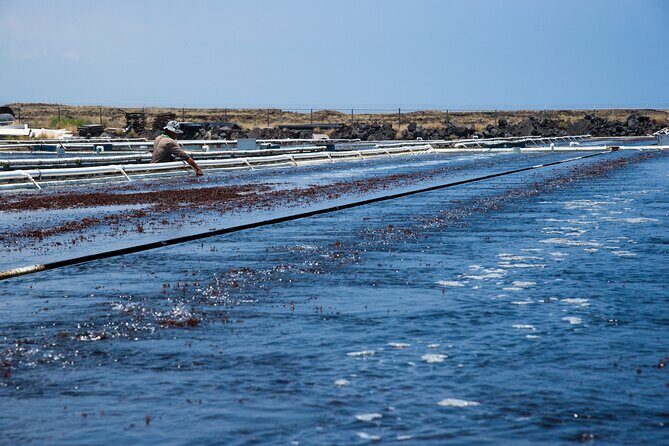
A lot of tours end and you’re on your own. This one naturally leads into “okay, now I want to try more.” After the guided part, you can head to the food truck on the property area and order things like abalone poke or other abalone-based meals.
Some visitors also mention buying fresh or live abalone at the end. That’s useful if you want to take the “farm to table” concept one step further. Even if you just plan to grab a snack, it’s a straightforward way to turn your experience into an actual meal.
Practical tip: If you’re the type who loves souvenirs, you may also find farm-related purchases. Just keep in mind you’ll likely spend a bit beyond the tour ticket once hunger kicks in.
Price and value: why $35 can feel fair here
At $35 per person for about an hour, the value comes from three things. First, you’re not paying only for a walk—you’re paying for guided interpretation plus tastings. Second, the tour includes the rare chance to touch live abalone, which is a direct, memorable component. Third, you’re getting it in a small-group setting, which tends to make questions and interaction more realistic.
That said, you should calibrate expectations. This is a tasting experience, not an all-inclusive lunch price. If you want a full meal, set aside budget for the food truck next door after the tour.
If you’re already driving around Kona and you want something educational that still feels fun (not stiff), this price point often makes sense. The key is using the hour well—ask questions while you’re in the shade and don’t wait until the tasting to start paying attention.
Who should book this abalone farm tour in Kailua-Kona?
This tour is a strong fit for:
- Families with kids who like “hands-on” over “sit and listen”
- Food-minded travelers who want to understand where premium seafood comes from
- Multi-generational groups (many describe it as working well for both toddlers and older visitors)
- People interested in sustainable aquaculture and local Big Island practices
It’s also a good rainy-day alternative when weather cooperates, since the tour can stay mostly practical outdoors. That said, the experience requires good weather, so you’ll want flexibility if skies turn ugly.
Should you book? A quick decision guide
Book this tour if you want a short, friendly way to learn how abalone farming works and you’re excited by touch + tasting. You’ll likely feel satisfied because you see the farm, then eat the result, with guides like Carlos, Kai, and Diana helping the science land.
Skip it (or keep expectations smaller) if you only want a restaurant meal, because the ticket is built around samples, not a full lunch. Also skip if you hate outdoor walking entirely, since this is a farm tour and the conditions can shift.
FAQ
How long is the abalone farm tour?
The tour lasts about 1 hour.
How much does it cost?
It’s $35.00 per person.
What language is the tour offered in?
The tour is offered in English.
What’s included besides the farm visit?
Abalone and seaweed tastings are included.
Can I touch animals during the tour?
The experience notes that you can touch live abalone or other sea creatures, described as a rare opportunity.
What’s the group size limit?
The tour has a maximum of 20 travelers.
What happens if the weather is bad?
The experience requires good weather. If it’s canceled due to poor weather, you’ll be offered a different date or a full refund.
Is the tour animal-friendly for service animals?
Yes, service animals are allowed.