REVIEW · BIG ISLAND OF HAWAII
Big Island: Mauna Kea Summit Tour with Free Night Star Photo
Book on Viator →Operated by Hawaiian Eyes Tour · Bookable on Viator
Mauna Kea makes night feel close. This is an 8-hour Big Island tour that takes you up to the summit area for sunset and then back down for guided stargazing at the Onizuka Astronomy Complex. You’ll use a refractor telescope and a laser pointer to make sense of constellations and planets.
What I really like is how the tour handles the practical stuff for you. You get warm winter gear (snow parkas, ski pants, gloves), plus hot drinks and a light dinner so you’re not improvising in the freezing air. I also like the included photo package: your guide takes DSLR photos of you at sunset and during stargazing, and you can get them for free when conditions allow.
One drawback to know up front: you’re signing up for cold, altitude, and long driving. If the weather is cloudy or winds pick up, sunset and star visibility can be less dramatic, and your time at the top can shift.
In This Review
- Key Points That Matter Before You Go
- What You’re Really Signing Up For on Mauna Kea
- Picking Up Around Kona and Waikoloa: Start Points and Timing
- The Onizuka Stop at 9,000 Feet: Acclimatization Plus Real Warmth
- The Summit Drive and Sunset Window: Cold Views and Photo Time
- Guided Stargazing at Onizuka: Telescope Time You Can Actually Use
- Winter Gear and Cold-Weather Comfort: What’s Included and What to Bring
- Small Group Energy: Why Max 12 People Helps This Tour
- Price and Value: Is $280 Worth It for Mauna Kea?
- Who This Tour Fits (and Who Might Want a Different Plan)
- Should You Book This Mauna Kea Summit Tour?
- FAQ
- Where are the pickup locations for the Mauna Kea summit tour?
- How long is the tour from pickup to drop-off?
- What happens at the Onizuka Astronomy Complex stop?
- What food is included during the tour?
- Do I get winter clothing for Mauna Kea?
- Are Mauna Kea admission fees included?
- Do you provide photos of sunset and stars?
- Is sunset and stargazing guaranteed?
- Who is this tour not recommended for?
- Can I cancel for a full refund?
Key Points That Matter Before You Go
- Max 12-person group for a more personal night: smaller van, more attention, easier pacing.
- Winter gear is included: snow parkas, ski pants, gloves, plus hot drinks while you acclimate.
- Dinner at Onizuka (around 9,000 ft): you eat and change into gear before pushing higher.
- Free DSLR photos with you in them: taken at sunset and during stargazing, subject to weather and moon phase.
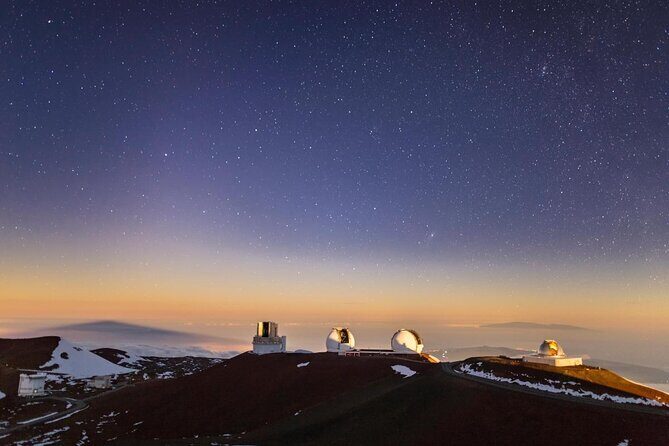
- Guided stargazing with a refractor + laser pointer: you’re not just staring up blind.
- Weather and rangers can change the plan: sunset and stargazing aren’t 100% guaranteed, and summit time may adjust for altitude needs.
What You’re Really Signing Up For on Mauna Kea
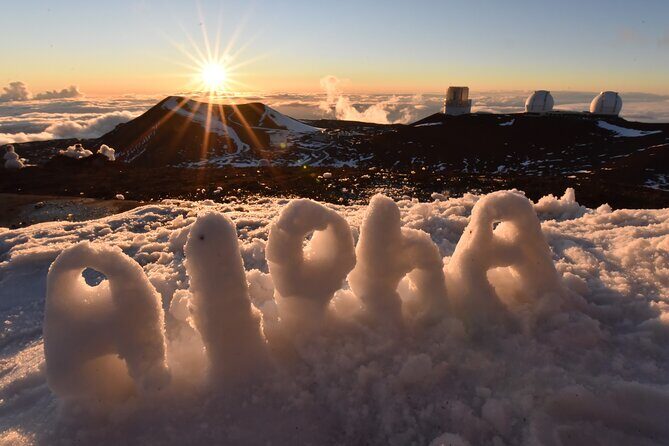
This tour is built around one goal: see Mauna Kea’s sky at the best possible time, with real guidance and real cold-weather support. You start mid-afternoon, climb toward the summit in a 4×4 van, catch the sunset from high altitude, then settle into a stargazing session after dark.
It’s also designed to reduce the usual pain points of Mauna Kea nights. The included gear matters because the summit area can be brutally cold even if Kona feels warm. And the guided format matters because stargazing is way better when someone shows you what you’re actually looking at.
Other Mauna Kea stargazing and summit tours in Big Island of Hawaii
Picking Up Around Kona and Waikoloa: Start Points and Timing
You’ll be picked up at one of three places, based on where you’re staying. The tour uses a mobile ticket, and pickup times vary by season.
Here are your main pickup options:
- Target in Kona (meet in front of McDonald’s inside the Target parking area, 74-5453 Makala Blvd, Kailua-Kona). Pickup is listed in the 14:00–15:00 window.
- Queens’ Marketplace in Waikoloa (meet at the shuttle bus stop in the back of the shopping mall; there’s a large parking lot near the NOT Starbucks). Pickup is listed in the 14:45–15:45 window.
- Gilbert Kahele Recreation Park (44-5400 Daniel K. Inouye Hwy, Waimea). Pickup is listed in the 15:30–16:30 window.
Practical tip: plan to arrive at your pickup spot early and be ready when they call roll. The whole evening hinges on timing for sunset, and road access can change.
The Onizuka Stop at 9,000 Feet: Acclimatization Plus Real Warmth
Before the summit, you stop at the Onizuka Astronomy Complex visitor area at about 2,800m (9,000 ft). This isn’t just a photo break. It’s your acclimatization stop and gear-change moment.
At Onizuka, you can expect:
- An early dinner: a BLT or a vegan sandwich (tell them your choice ahead of time; otherwise it’s automatically a BLT).
- Time to switch into winter clothing: snow parkas, ski pants, and gloves are provided.
- A chance to buy souvenirs at the gift shop (but the information here notes no food or drink sales).
Why this stop is valuable: altitude hits people differently, and this pause gives your body time to adjust before you go higher. It also means you’re dressed for the summit before the cold ramps up.
The Summit Drive and Sunset Window: Cold Views and Photo Time
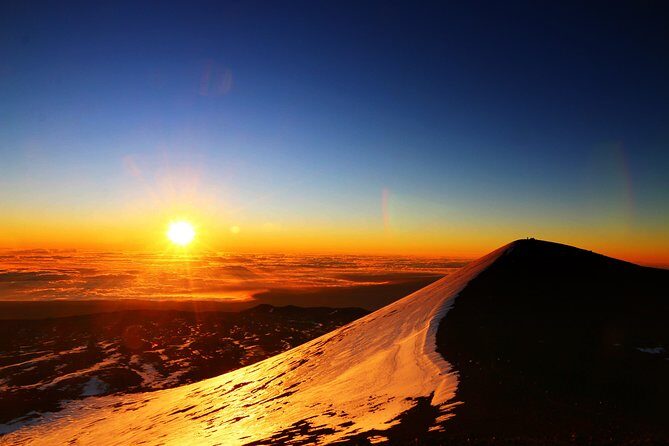
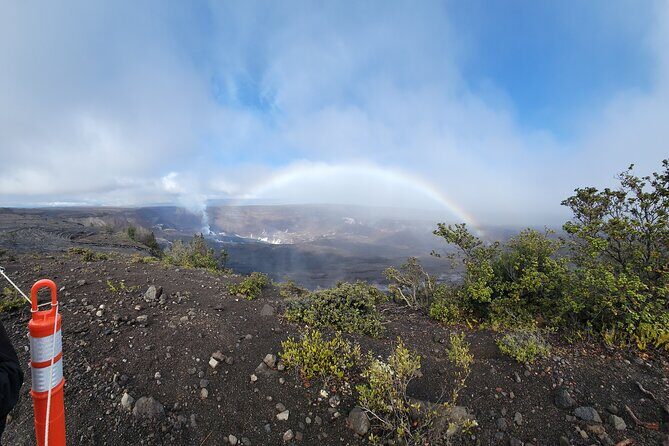
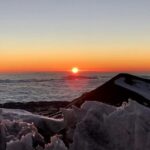
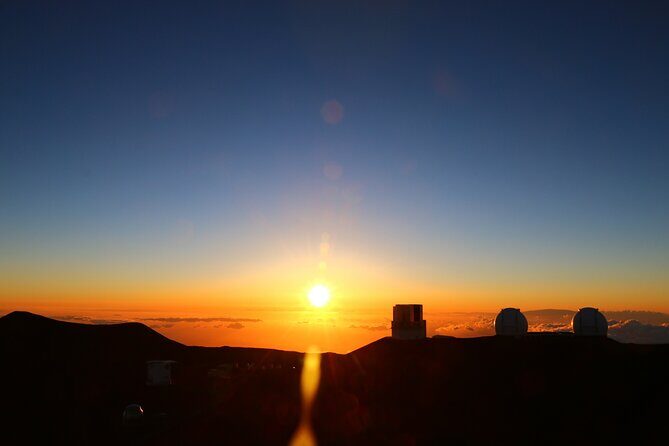
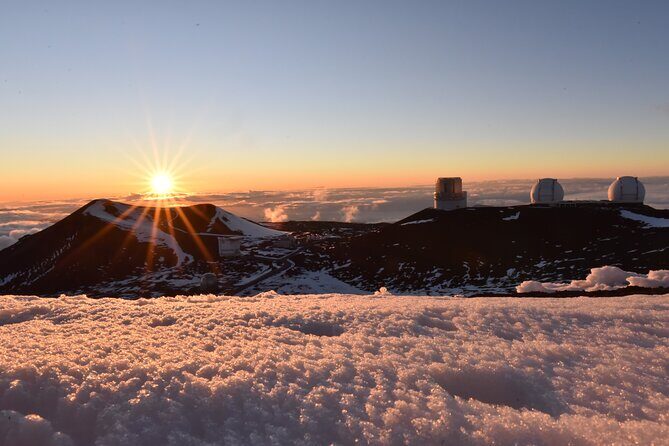
From Onizuka, you head up in a 4×4 passenger van. The target high point is the Mauna Kea summit area at about 13,796 ft (4,205m). The tour is timed to arrive for sunset, which is typically the big emotional payoff.
At the summit, you’ll have time for the views and a bit of posing. Your guide takes DSLR photos of the group at sunset, and those photos are included as a free add-on—weather and moon phase permitting.
Important reality check: rangers can close roads, and sometimes your schedule changes. The tour is clear that time at the summit and where you stargaze afterward may be adjusted if someone develops altitude sickness or has other conditions. That’s not a failure; it’s the tour managing a high-altitude environment safely.
Guided Stargazing at Onizuka: Telescope Time You Can Actually Use
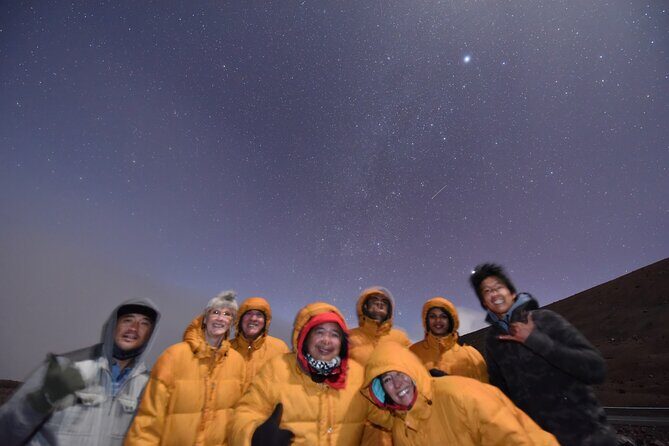
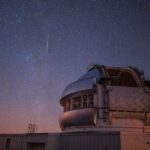
After sunset, you return to the Onizuka area for guided stargazing. The stargazing segment is listed at about 45 minutes, and the location can shift depending on conditions.
Here’s what you’re doing during that session:
- Using a telescope (a refractor is mentioned).
- Getting help from your guide with star, constellation, and planet identification.
- Watching with guidance from a laser pointer.
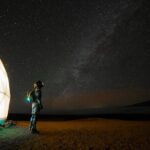
- Getting an astro photo with you included as part of the night’s photo plan.
The payoff: you’re not just learning a few constellations from a pamphlet. You get the live, human part of astronomy—someone explaining what you’re seeing right then, above the clouds and away from most city glare.
And yes, your night depends on the sky. The tour notes that bad weather can affect sunset or stargazing, and moon phase changes visibility. If the moon is bright, stars can look less sharp. If clouds roll in, even a great telescope won’t punch through.
Other evening experiences in Big Island of Hawaii
Winter Gear and Cold-Weather Comfort: What’s Included and What to Bring
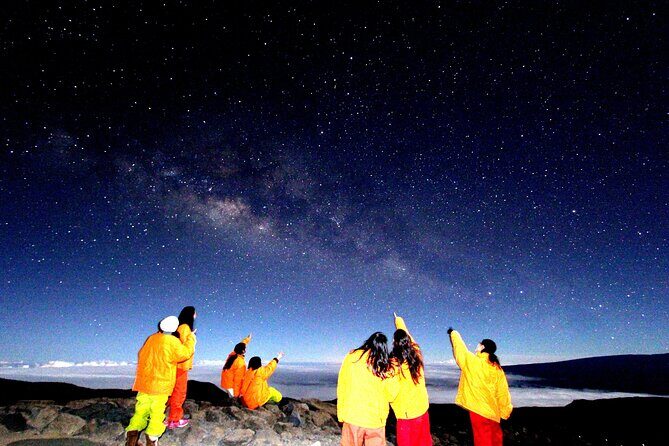
The cold is the headline on Mauna Kea. The good news here is that this tour gives you what you usually wish you had packed: snow parkas, ski pants, and gloves. That changes everything. You can focus on enjoying the experience instead of finding a heavy jacket fast enough.
Hot drinks and a light meal are also part of the experience, which helps keep you from feeling totally drained during the wait times.
My best practical advice: treat this as a cold-weather outing, not a warm-climate stroll. Even with included gear, you’ll likely want layers for under the parkas and pants. Comfortable warm socks also help, especially if you’re standing around waiting for the sunset timing.
Small Group Energy: Why Max 12 People Helps This Tour
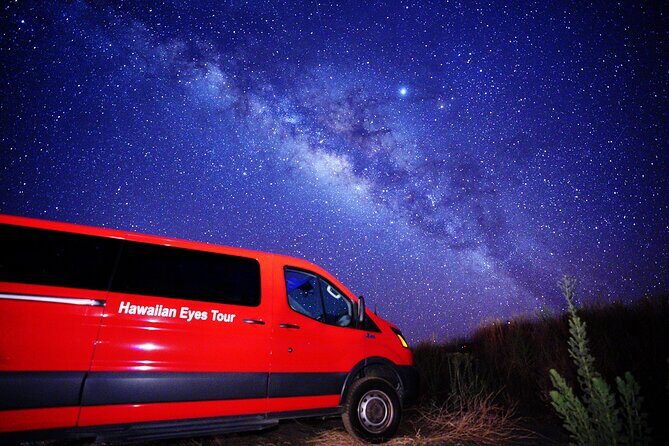
This is capped at twelve travelers. That matters in two ways.
First, it keeps the pace more manageable on a night where everything is timing-sensitive: pickup, acclimatization, summit access, and sunset. Second, it helps the guide notice who needs more time, more breaks, or extra help managing altitude discomfort.
From the way guides like Wes, Chris, and James are described in the provided experience notes, the best nights feel structured but friendly: prompt pickup, clear updates during ranger road changes, and lots of time spent helping people understand what they’re seeing up there.
Price and Value: Is $280 Worth It for Mauna Kea?
At $280 per person, you’re paying for far more than a scenic ride. You’re covering:
- Mauna Kea admission fee
- A 4×4 passenger van to the summit
- Dinner (BLT or vegan sandwich) and hot drinks
- Included winter gear (snow parkas, ski pants, gloves)
- A guided telescope stargazing experience
- DSLR photo of stars with you in it, plus sunset posing photos for free (as long as conditions allow)
Here’s the value angle I’d use to decide: Mauna Kea nights are expensive partly because everything is harder up there—gear, staffing, and timing. This price stacks the cost-saving items into one bundle: you don’t have to rent cold-weather clothing, and you don’t have to pay separately for the photo moments.
If you want a simple checklist for whether you’re getting your money’s worth, it’s this:
- If you’d otherwise scramble for winter gear, this tour saves you real hassle.
- If you want photos taken for you at sunset and during stargazing, the included DSLR plan is a meaningful bonus.
- If you prefer a small group night where the guide can help, the max 12 limit adds value.
Who This Tour Fits (and Who Might Want a Different Plan)
This tour is aimed at people with moderate physical fitness and a willingness to handle a cold, high-altitude outing. There are also clear participation limits.
It’s not for everyone:
- No one under 16 years old, and people older than 75 cannot participate.
- Not recommended for people over 300 lb.
- Not recommended if you have respiratory problems such as asthma.
If you’re healthy, comfortable following guidance, and you want the classic Mauna Kea combo—sunset plus stargazing with telescope help—this format fits well. It’s also a solid choice if you’re short on time and want one well-run, scheduled night instead of building your own plan.
Should You Book This Mauna Kea Summit Tour?
I think this is a strong pick if you want a guided, organized Mauna Kea night without turning it into a logistics project. The biggest reasons to book are the included cold-weather gear, the warm-up and acclimatization stop at Onizuka, and the fact that you get both summit sunset time and telescope-led stargazing.
Book this tour if:
- You want small-group energy (max 12).
- You’d rather let someone else handle timing and road-access updates.
- You care about getting good photos taken for you.
Maybe skip (or choose another option) if:
- You’re sensitive to altitude and you’re not sure you can manage it even with pacing and guidance.
- You can’t tolerate cold windy conditions.
- You’re counting on a guaranteed clear-sky experience. With moon phase and weather, the night’s look can vary.
FAQ
Where are the pickup locations for the Mauna Kea summit tour?
You’ll be picked up at one of three places: Target in Kona, Queens’ Marketplace in Waikoloa, or Gilbert Kahele Recreation Park in Waimea. Pickup time varies by season, and you’ll receive your exact pickup details after confirmation.
How long is the tour from pickup to drop-off?
The tour is listed as about 8 hours.
What happens at the Onizuka Astronomy Complex stop?
You stop at Onizuka around 9,000 ft for acclimatization and an early dinner while you change into the provided winter gear. The gift shop may be open for souvenirs, but no food or drink sales are noted there.
What food is included during the tour?
Dinner is included as a BLT or a vegan sandwich. Hot drinks are also included, and hot drinks are mentioned as part of the experience.
Do I get winter clothing for Mauna Kea?
Yes. The tour provides snow parkas, ski pants, and gloves.
Are Mauna Kea admission fees included?
Yes. The admission fee for Mauna Kea is included.
Do you provide photos of sunset and stars?
Yes. The tour includes free DSLR photos, including group sunset posing and an astro photo with you in it. Photo availability depends on weather and moon phase.
Is sunset and stargazing guaranteed?
No. The tour notes that bad weather can affect sunset or stargazing, and moon phase can affect visibility.
Who is this tour not recommended for?
It’s not suitable for guests under 16 or older than 75. It’s also not recommended for people over 300 lb or for those with respiratory problems such as asthma.
Can I cancel for a full refund?
Yes. Free cancellation is available up to 24 hours before the experience’s start time for a full refund.