REVIEW · BIG ISLAND OF HAWAII
Zodiac Raft Whale Watching Adventure
Book on Viator →Operated by Captain Zodiac · Bookable on Viator
Whale songs come to life on a zodiac. This Kona outing by Captain Zodiac feels more like a fast marine quest than a slow cruise, with a 16-passenger boat and a captain who reads the water as you head along the Kailua-Kona coast toward Waikoloa.
I love the hydrophone moments and the way the captain keeps the whole trip focused on finding real whale activity, not just driving around. One caution: this Zodiac can be bouncy, so skip it if you are pregnant or have back or neck problems.
If you go in winter, your odds for humpbacks tend to rise, and the ride gives you strong views of Hawaii’s coast and volcanic features as you search for spouts.
In This Review
- Key things to know before you go
- Kona from the water: why a Zodiac works so well
- Where you start: the Captain Zodiac meeting point and first briefing
- The captain’s whale hunt: spouts, repositioning, and the hydrophone
- What you might see off Kona: whales plus the extras
- Hawaii geology on a whale watch: caves, lava tubes, and the Kona coastline
- The Zodiac ride itself: how it feels in real conditions
- Value check: is $113.82 worth it?
- Who should book this and who should skip it
- Should you book Captain Zodiac whale watching on the Kona coast?
- FAQ
- How long is the zodiac whale watching adventure?
- What does it cost?
- Where does the tour meet, and where does it end?
- Is hotel pickup included?
- Is there a limit on group size?
- What is the minimum age to participate?
- What’s included in the price?
- What should I bring or plan for regarding tickets?
- What marine life might you see?
- Is the hydrophone included, and can you hear whale song?
- What if weather is bad?
Key things to know before you go
- Small group on the water (max 16) means less crowd noise and quicker repositioning
- Hydrophone whale song can turn the trip from sight-only to sound-and-sight
- Speed and maneuvering help you get to breaches and spouts safely and fast
- Snacks and drinks included keeps you comfortable during the 3-hour run
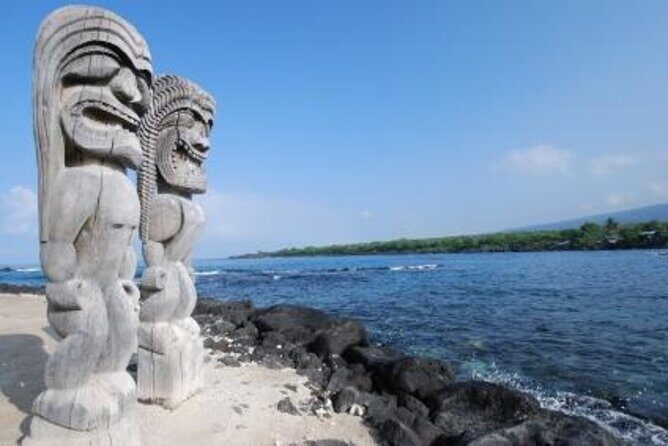
- Chance of sea caves and lava tubes adds real Hawaii geology to the whale hunt
- Not for sensitive backs or pregnancy if you want a smooth, cushy ride
Kona from the water: why a Zodiac works so well
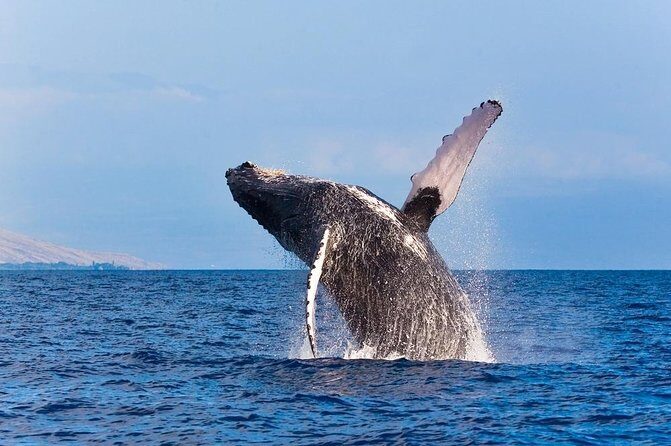
This is the kind of whale watching you do because you want to feel close to the ocean. The Kona coastline is dramatic, but it is also busy with moving water, spouts you can miss if you are far out, and marine life that does not always surface on schedule. A Zodiac changes the game because it can get into position quickly and adjust when the action shifts.
The boat capacity matters here. With up to 16 people, you are not packed in. That makes it easier to move around, lean for a better look, and stay engaged when the captain calls out a spot on the horizon. It also means the captain’s attention can stay sharp when someone spots a breach or a blow.
Now for the honest part. A Zodiac is not a floating couch. It can be bouncy, especially when the wind and waves pick up. Based on what people describe, strong conditions do not ruin the experience, but they do make it more physical. If you want a steady, padded ride, look for a different style of boat.
Other whale watching tours in Big Island of Hawaii
Where you start: the Captain Zodiac meeting point and first briefing
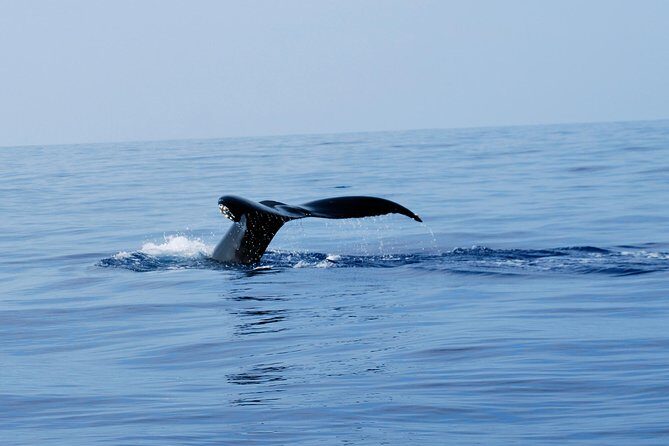
You meet at Captain Zodiac, 74-425 Kealakehe Pkwy #16, Kaiminani, HI 96740. The tour ends back at this same meeting spot, so you are not dealing with a long transfer at the end of your day.
Bring a mindset for a quick, hands-on morning. You are heading out from Kailua-Kona, and the captain starts scanning right away. That early phase matters because whales can show up quickly, then move on. The captain also uses this time to set context: Hawaiian history and the island’s geology. In practice, this turns the trip into more than wildlife spotting. You learn how to connect what you are seeing now with what Hawaii is doing geologically and how coastlines and volcanic features shape marine life.
If you are driving yourself, leave yourself a little buffer. You want to be calm and ready before you launch. Also note that hotel pickup and drop-off are not included, so plan your own transport to the meeting point.
The captain’s whale hunt: spouts, repositioning, and the hydrophone
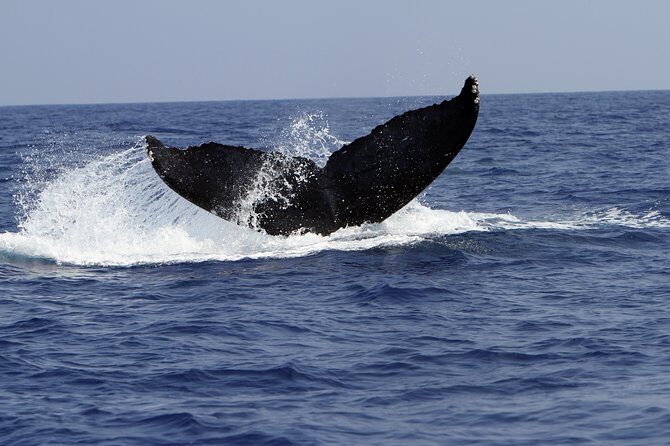
Once you are out, the captain works like a tracker. You scan the cobalt horizon for a spout or a splash. When something looks promising, the crew moves with purpose so you can reach a safe viewing spot fast. That speed is not just for excitement. It can be the difference between seeing a quick blow and missing the whole moment.
A big differentiator is the onboard naturalist focus. The captain does more than point. They explain what you are watching and what behavior might mean. Then there is the hydrophone, which lets you hear whales singing underwater. People describe the effect as eerie and special, like you are suddenly getting a second channel of the ocean.
A few tours also include a more dramatic sound moment: the engine gets turned off and the microphone is dropped so you can listen more clearly. If you have ever wanted whale watching to be more than looking, this is where it pays off.
Winter is another reason this route is worth it. In winter, humpback whales travel here to mate and give birth, so the captain’s search pattern tends to align with where humpbacks are likely to be active. Even if you visit other seasons, the Kona coast can still offer a wide mix of marine life, including some lesser-known whales.
What you might see off Kona: whales plus the extras
Humpbacks are the star, especially in winter, but your sighting list can include more than one type of animal. Based on the tour description and what people report, here are the common possibilities:
- Humpback whales (including mother-and-calf moments)
- Spinner dolphins
- Green sea turtles
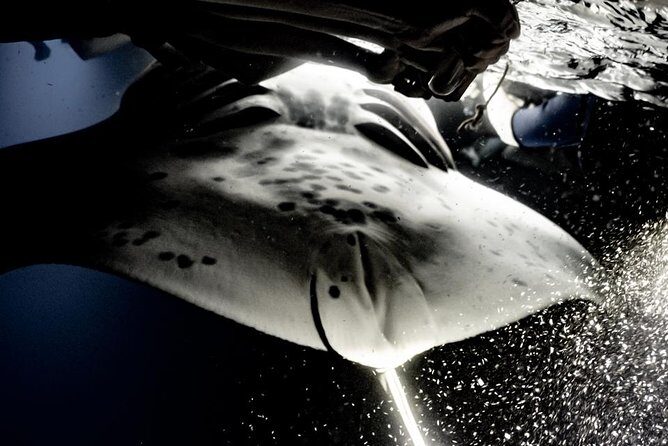
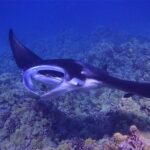
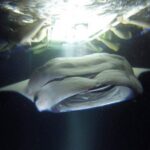
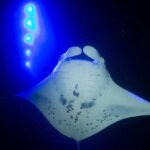
- Manta rays
- Other dolphin activity
- Other whales that can be spotted depending on where the captain finds activity
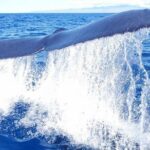
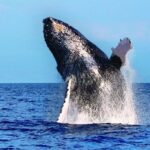
The best part is not just variety. It is behavior. When whales are close, you can see tails and fin movement, blows, and the kind of active surface moments that turn a calm horizon into a show. People often mention repeated tail slaps and multiple breaches in a single outing when the conditions and the whales cooperate.
Also, keep an eye out for dolphins around the boat. Fast pods can feel like they are playing with the wake. Even when whales are the main target, dolphins and other animals help fill the trip if whale action comes in bursts rather than nonstop.
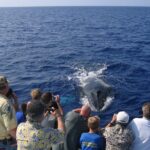
And yes, sometimes whales get very curious. People describe moments where a whale swims under the boat, or comes close enough that it feels like an encounter rather than a distant viewing. This is why the small Zodiac format works: it gives the captain the ability to get into position while still prioritizing safe distance and responsible spotting.
Hawaii geology on a whale watch: caves, lava tubes, and the Kona coastline
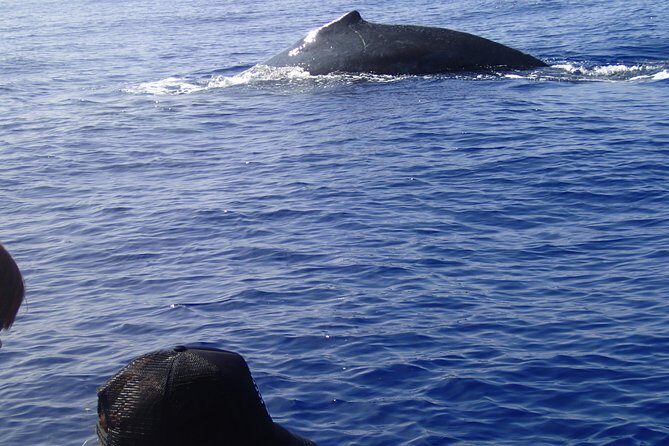
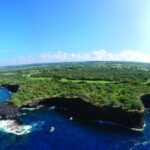
This trip does not treat whales as the only attraction. The captain talks about Hawaii’s unique geology as you move along the coast in search of activity. That means you have a chance to spot coastal sea caves and small volcanic lava tubes, depending on where the whales are at the time.
Why does that matter? Because it changes the rhythm of the ride. If you are only scanning for spouts, your eyes can get tired. Geology gives you something to look at even during the slower stretches. It also adds a sense of place that makes the whale sightings feel grounded in Hawaii, not generic.
One more practical note: since you are staying along the Kona coast (rather than heading far offshore), the views often feel more immediate. You can track what is happening visually, and that helps you follow what the captain is doing when repositioning.
Other whale watching tours in Big Island of Hawaii

The Zodiac ride itself: how it feels in real conditions
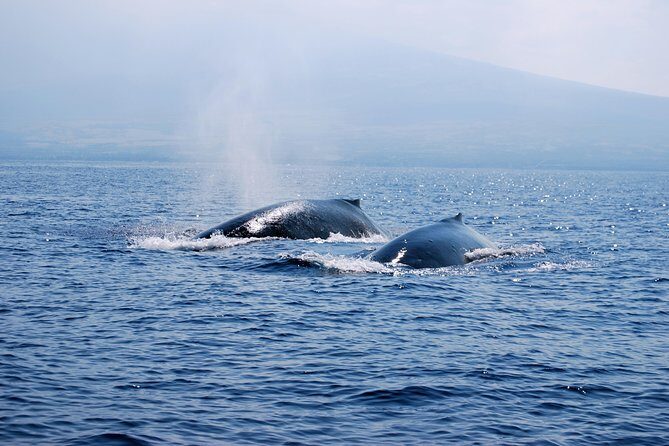
This is an active boat. You are on a 16-passenger Zodiac raft, and it can cut through water without the heavy, stomach-churning rocking some larger boats can create. That is a plus.
But the trade-off is comfort level. Expect movement. Multiple accounts mention the thrill when winds and waves are strong, and some describe it as adventurous or rollercoaster-like for kids. That is fun if you are ready for it. It is not fun if you want a smooth, low-motion ride.
If you are sensitive to motion, take the caution seriously. The tour description notes it is not recommended for anyone pregnant or with back or neck problems. If that applies to you, you might still enjoy Hawaii whale watching, just not in this specific boat style.
What I like about this format is honesty. The captain is not selling you a spa day. They are selling you a whale hunt with speed, sound, and close encounters when the ocean allows it.
Value check: is $113.82 worth it?
At $113.82 per person for about 3 hours, the value depends on two things: your expectation level and your willingness to chase the best viewing moments.
Here is what you get in the price:
- The rafting expedition on the Zodiac
- Beverages (sodas, fruit juices, bottled water) and snacks
- Local taxes
- A captain-naturalist who explains both whale behavior and Hawaii’s geology
- Hydrophone-based whale song listening
What you do not get:
- Hotel pickup and drop-off
So, what does that mean in real life? You are paying for a guided, small-group experience that tries to maximize time with live wildlife and not waste your hours on slow cruising. The hydrophone and the naturalist interpretation add real educational value, especially if you enjoy understanding behavior instead of just ticking off species.
Is whale watching ever guaranteed? No. But the boat choice helps. Being able to reach spouts quickly and position safely increases the odds you will see active surface behavior. That is why the Zodiac format is part of the value, not just the vessel.
Also, it helps that the max group size is 16. In whale watching, fewer people usually means more attention per person and easier viewing. That is hard to buy with a higher price later.
One more practical point: the tour is often booked about 24 days in advance on average. If your dates are fixed, I would book ahead to avoid getting stuck with only less-ideal time slots.
Who should book this and who should skip it
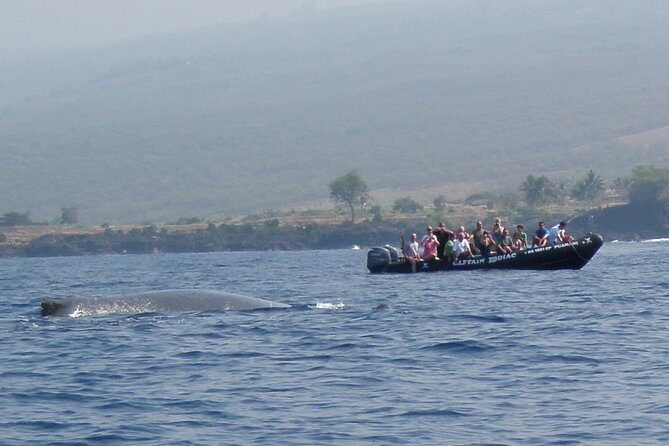
Book this if you want:
- A fast, small-group whale watch with chances for close behavior
- A captain who talks through what you are seeing, including Hawaiian history and geology
- The extra layer of hearing whale song through the hydrophone
- A mix of whales plus other ocean life like dolphins, turtles, or manta rays
- An active water experience that feels like an adventure
Skip or choose a different style if you need:
- A very smooth ride (the Zodiac can be bouncy)
- A ride that is pregnancy-friendly or comfortable for back/neck limitations
It also tends to work well for families who can handle motion. People mention bringing grandparents and kids, and that the ride can feel like a rollercoaster in a good way. Still, match your group’s comfort level with the reality of the boat.
Should you book Captain Zodiac whale watching on the Kona coast?
Yes, you should book it if your goal is real whale watching with sound, speed, and a captain who treats the ocean like a living system. This is not a distant-and-sterile experience. The small group, hydrophone whale song, and the captain’s constant scanning for spouts make the most of your time on the water.
I would especially book if you are visiting during winter months for humpbacks, and if you enjoy learning while you watch. If your priorities are comfort-first and calm, pick a different boat style. But if you want motion, maneuvering, and the chance for memorable whale behavior, Captain Zodiac is a strong fit.
FAQ
How long is the zodiac whale watching adventure?
It runs about 3 hours (approx.).
What does it cost?
The price is $113.82 per person.
Where does the tour meet, and where does it end?
You meet at Captain Zodiac, 74-425 Kealakehe Pkwy #16, Kaiminani, HI 96740, and the activity ends back at the meeting point.
Is hotel pickup included?
No. Hotel pickup and drop-off are not included.
Is there a limit on group size?
Yes. The tour has a maximum of 16 travelers.
What is the minimum age to participate?
The minimum age is 4 years.
What’s included in the price?
You get the rafting expedition, beverages (sodas, fruit juices, bottled water), snacks, and local taxes.
What should I bring or plan for regarding tickets?
You receive a mobile ticket.
What marine life might you see?
You may see spinner dolphins, green sea turtles, manta rays, humpback whales, and other marine life depending on where whales are spotted.
Is the hydrophone included, and can you hear whale song?
The captain carries a hydrophone on board, which lets you listen to whales singing underwater.
What if weather is bad?
This experience requires good weather. If it is canceled due to poor weather, you will be offered a different date or a full refund.