REVIEW · BIG ISLAND OF HAWAII
Whale Watching Tour – Big Island, Hawaii
Book on Viator →Operated by Iruka Hawaii Dolphin · Bookable on Viator
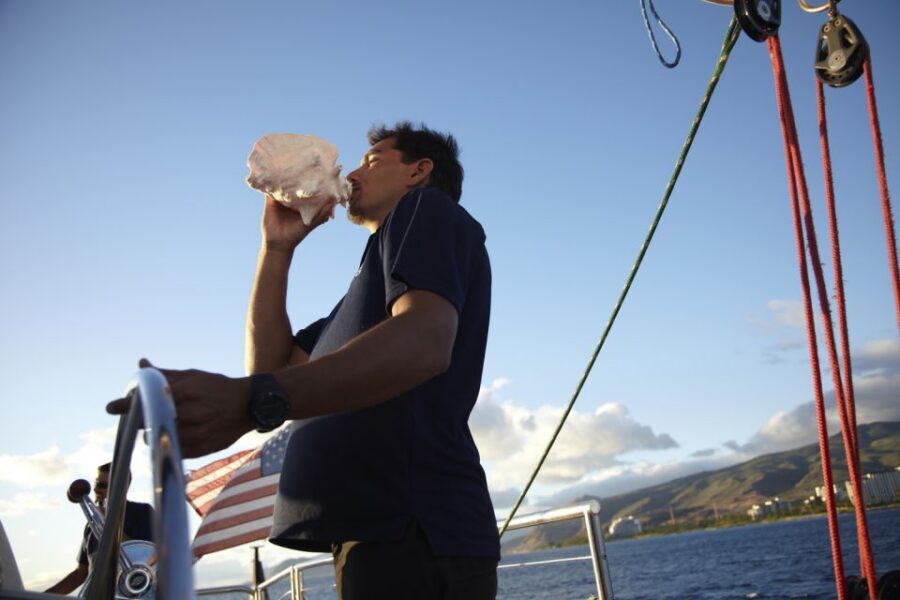
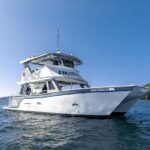
Humpbacks sing off Kona in two hours. This Kona whale-watching trip runs on the 30-person Kibou, with a crew that narrates the action and helps you spot whales as they surface. If the whales are in the mood, you’ll get prime views of Hawaii’s coastline and open water beyond the headlands.
I love the human touch here: the guides share spotting tips and interesting facts while they actively hunt for humpbacks along the Kona coast. I also like that you’re not rationing comfort out there—snacks and bottled water are included, and there’s a bathroom onboard for the 2-ish hour outing.
One thing to plan for: water can get choppy. Even with a good captain, you may want to take sea-sickness precautions, especially on days when the ocean has a rougher texture.
In This Review
- Key things that make this tour worth your time
- Kona whale watching on the Kibou: the vibe and the real payoff
- Meeting at Iruka Hawai‘i Dolphin and Manta Tours in Kailua-Kona
- Stop 1: Kailua-Kona, where the crew starts teaching you to spot whales
- Stop 2 around the Island of Hawai‘i: humpbacks, mountainous views, and whale sound
- When the day adds extras: dolphins, whale sharks, and video moments
- Comfort on board: shade, bathrooms, and the sea-sickness reality check
- Price and value: is $99 fair for Kona whale watching?
- Who this tour fits best on the Big Island
- Should you book this whale-watching tour?
- FAQ
- How long is the whale watching tour?
- How many people are on the boat?
- What is included onboard?
- Where do I meet for the tour?
- Is a whale sighting guaranteed?
- What if the weather is poor or the tour is canceled?
Key things that make this tour worth your time
- Small-group feel on the Kibou (up to 30 travelers), so you’re not buried in a crowd
- Crew spotting + narration that helps you read whale behavior fast
- Whale-sound moments are part of the experience on many trips, using a listening device
- Snacks, bottled water, and a bathroom onboard keep the focus on wildlife
- Rain check if you don’t see whales, with a free slot on a next available tour
- Possible bonus wildlife, including dolphins and, on some outings, whale sharks
Kona whale watching on the Kibou: the vibe and the real payoff
This is the kind of trip that works because it stays practical. You’re not stuck in a long day of transfers or waiting around for the “perfect moment.” Instead, you’re on the water with a crew that’s watching constantly and repositioning as whale sightings change.
The best part is how fast you learn what matters. When humpbacks surface, it’s rarely just one random spout. You’re going to notice patterns—what the blow looks like, how whales move through the water column, and how quickly activity can ramp up when a pair or a calf is nearby. The crew’s narration is built for beginners and seasoned wildlife lovers alike.
The boat itself matters too. With a maximum of 30 people, you get better sightlines than on the huge catamaran style tours. Multiple guides in recent tours emphasized that the viewing experience works from many positions on board, not just one “lucky” side.
Other whale watching tours in Big Island of Hawaii
Meeting at Iruka Hawai‘i Dolphin and Manta Tours in Kailua-Kona
Your tour starts at Iruka Hawai‘i Dolphin and Manta Tours, 74-380 Kealakehe Pkwy, Kailua-Kona, HI 96740. It’s a straightforward meeting point on the Kona side, and the tour ends right back where you started.
That return-to-start detail is underrated. On islands, the worst part of boat days is often the logistics after you’re already tired and salty. Here, you can plan dinner near Kailua-Kona afterward without thinking too hard.
You’ll receive a confirmation after booking (within 48 hours, depending on availability), and you’ll use a mobile ticket. The tour is offered in English, so you won’t need to hunt for translations while you’re trying to watch the ocean.
Stop 1: Kailua-Kona, where the crew starts teaching you to spot whales
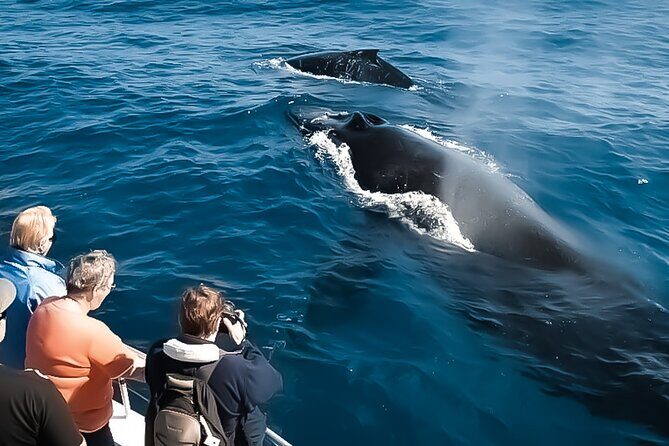
The first leg is all about getting you into the right search zone quickly. You’re cruising along the Kona coast and getting your bearings while the crew starts scanning for signs—things like surfacing patterns and whale movement you can see before you ever get a close encounter.
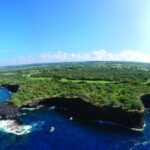
This stop also tends to be where the vibe turns from anticipation to focus. The crew gives spotting tips and narration as you go, and it helps to hear what to look for so you’re not staring blankly at open water. You’ll also get a sense of the coastline layout—headlands, angles of the shore, and how the ocean changes near land.
A small caution: if you’re sea-sensitive, this is the time to pick your spot on the boat and settle in early. Several past riders warned about motion, and the ocean can feel different once you’re fully out rather than hugging the coastal edge.
Stop 2 around the Island of Hawai‘i: humpbacks, mountainous views, and whale sound
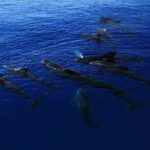
Once you’re out farther, that’s where the trip becomes its own little wildlife lesson. The goal is seasonal humpback whales—these are the whales that return to Hawaiian waters after migrating from Alaska. When they show up, you’ll often see more than one moment of activity, especially when adults and calves are in the area.
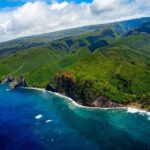
You’re also treated to broad scenery while you wait. Expect mountainous views in the background and long stretches of blue water. That matters because it gives you something to enjoy even on the waiting stretches. Whale watching is part patience, and good scenery keeps the time from dragging.
The standout from many trips is the chance to hear whale communication. On past outings, the crew has used a listening device (often described as dropping a microphone/hydrophone into the water) so you can experience whale sounds that you cannot hear from the surface normally. It turns a simple sighting into something you remember.
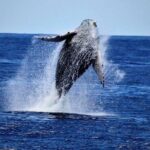
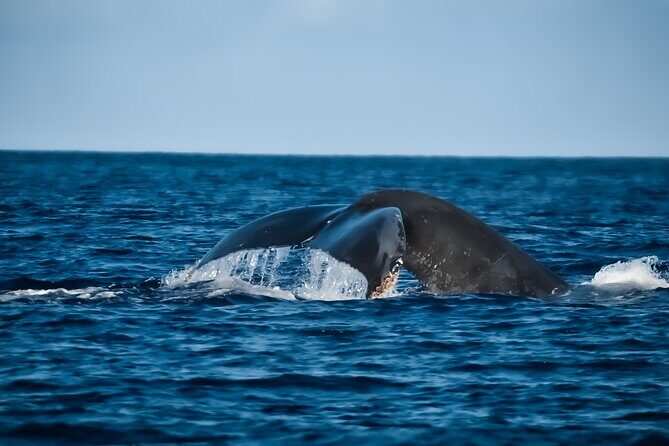
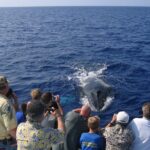
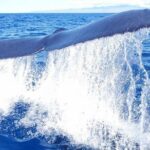
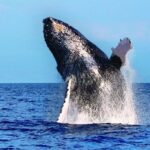
And yes, sightings can be dramatic. Reviews and operator behavior point to lots of surface action when whales are close—breaches and calves getting attention from the boat. In some cases, whales reappear multiple times during the time you’re in an area, which is exactly what you hope for on a 2-hour window.
When the day adds extras: dolphins, whale sharks, and video moments
This tour is centered on humpbacks, but the ocean loves to surprise. Many whale-watching trips in Kona include spinner dolphins, and this one has delivered dolphin sightings alongside humpbacks.
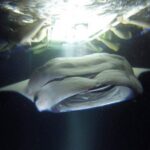
More rarely, some outings have included a whale shark sighting. If you’re a wildlife nerd, that’s a big deal—whale sharks are slow-moving giants, and seeing one near the boat can feel surreal compared with the more frequent splashy movements of humpbacks.
You might also notice a hands-on approach from the crew on certain days. Past riders described a moment where guides went in with snorkeling gear to capture underwater video and share it afterward (including footage used with a research collective). That doesn’t mean it happens every time, but it’s a good sign of how engaged the crew is when conditions and timing line up.
Also watch for how the crew manages time. Several riders noted the boat staying out a bit longer when whale activity kept going. That’s a quality signal: they’re not rushing you off the water just because the clock says go.
Other whale watching tours in Big Island of Hawaii

Comfort on board: shade, bathrooms, and the sea-sickness reality check
On a 2-hour boat ride, comfort isn’t about luxury. It’s about staying functional so you can watch whales without feeling miserable.
Snacks and bottled water are provided, which is a genuine value add for a paid tour. You’re less likely to get grumpy mid-ride, and you don’t have to buy drinks onboard or on the dock.
Shade also comes up in feedback. The boat has adequate shade, which matters in Kona sun, even when the sky looks harmless. If you burn fast, you’ll want to use that shade strategically rather than spreading out everywhere.
Now for the honest part: motion sickness can happen. Multiple past riders directly warned to be ready, especially if the water is rough. If you’re prone to sea sickness, consider taking medication before you board. And pick a seat where you can see farther out over the water, since staring at close waves can make some people feel worse.
Restroom access is listed as available onboard. Still, don’t treat it like a land bathroom experience. For a short trip, the smart move is to plan to use it early and then focus on wildlife.
Price and value: is $99 fair for Kona whale watching?
At $99 per person for about 2 hours, this isn’t a bargain deal. It’s also not overpriced when you tally what’s included and how the experience is run.
Here’s why the price can make sense:
- Small group size (max 30 travelers) helps you actually see wildlife
- Snacks and bottled water are included, so you’re not paying extra on the spot
- The crew brings real-time narration and spotting help, which improves your odds of meaningful viewing
- You get a rain check if no whales are spotted, with a next available tour at no additional cost
The biggest value lever is the whale sighting factor. Whales are wild animals, so nothing is guaranteed. But when an operator offers a free reroute if you don’t see whales, it reduces your risk. You’re paying for the hunt and the expertise, not a promised animal.
If you’re comparing tours, weigh group size and inclusions more than marketing photos. A $20 cheaper tour that holds 60 people and provides fewer amenities can end up feeling worse when you’re squeezed and your sightlines are blocked.
Who this tour fits best on the Big Island
This tour is a good fit for most people because the ride is short and structured. It also runs in English, includes basic comfort items, and has a maximum group size that keeps it more relaxed than giant-boat outings.
It’s especially well-suited for:
- First-time whale watchers who want guidance on what to look for
- Couples and friends who want a fun afternoon rather than a long day plan
- People who appreciate a smaller crew-led experience with lots of narration
You should think twice if you know you get motion sick easily and you don’t want to use meds. The water can be rough on some days, and whale watching is still an ocean activity even when the crew is doing everything right.
Service animals are allowed, and the meeting point is near public transportation. That’s helpful for planning if you’re not driving every part of your day.
Should you book this whale-watching tour?
If you want a Kona whale-watching outing that feels focused—good boat size, helpful crew, included snacks, and a backup plan if whales don’t show—this is an easy yes to consider. The guides’ energy seems to be a big part of the experience, with stories that include whale singing moments and repeat whale activity during the time you’re out.
Book it if:
- You’re visiting Kona and want a 2-hour wildlife experience without complicated logistics
- You like guided spotting instead of hoping you’ll randomly notice the first blow
- You’d rather pay a fair rate for inclusions like snacks and bottled water
Skip or choose another option if:
- You’re highly sensitive to motion and you don’t plan to take precautions
- You’re looking for a full-day excursion with long stops on land (this one stays on the water)
FAQ
How long is the whale watching tour?
The tour runs for about 2 hours.
How many people are on the boat?
The maximum group size is 30 travelers.
What is included onboard?
Snacks and bottled water are included, and there is a bathroom onboard.
Where do I meet for the tour?
You meet at Iruka Hawai‘i Dolphin and Manta Tours, 74-380 Kealakehe Pkwy, Kailua-Kona, HI 96740. The tour ends back at the same meeting point.
Is a whale sighting guaranteed?
No. Whales are wild animals, so sightings aren’t guaranteed. If no whales are spotted, you’ll be put on a next available tour as a rain check for free of charge.
What if the weather is poor or the tour is canceled?
This experience requires good weather. If it’s canceled due to poor weather, you’ll be offered a different date or a full refund.