REVIEW · BIG ISLAND OF HAWAII
Big Island: Pelagic Whale Watch Tour
Book on Viator →Operated by Hawaiian Adventures · Bookable on Viator
One morning at sea in Kona can feel like a whole wildlife documentary. This pelagic whale-and-dolphin tour runs from Honokohau Harbor, uses a boat built for viewing, and gives you a fair shot at everything from spinner dolphins to the more elusive offshore species. What I like most is the onboard naturalist team (I’ve seen names like Dennis, Olivia, and Captain Andrew praised) and the way the itinerary covers both near-shore and deep-water searching. One possible drawback: sightings are wild and never truly guaranteed, so you’ll want to be okay with the chance of an off day.
You’re paying for a focused search, not just a casual cruise. The tour also serves cold drinks, keeps sightlines open with a comfortable 360-style setup, and stays long enough to cover more than one zone. Still, with a max of 42 people, you’ll want to manage where you stand so you don’t lose the view when action starts.
In This Review
- Key things to know before you go
- Kona whale watching that goes past the shoreline
- Pelagic reach: why the offshore option boosts your odds
- The boat setup: comfortable catamaran + easier scanning
- How the tour plays out on the water (without wasting time)
- Depart and establish the search pattern
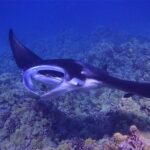
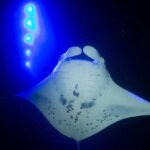
- Near-shore cruising: dolphins, manta rays, and winter humpbacks
- Offshore (pelagic) searching: pilot whales and the rarer stuff
- Return: more sightings can happen on the way back
- What animals you might actually see
- The naturalist factor: Dennis, Olivia, and Captain Andrew
- Comfort tips: motion sickness and how to plan for it
- Price and value: is $129 worth it?
- Who should book this whale watch (and who should skip it)
- Should you book the Big Island Pelagic Whale Watch?
- FAQ
- How long is the Pelagic Whale Watch tour?
- What time does the tour start and where do I meet?
- Do I need to worry about motion sickness?
- What animals might I see on this tour?
- Is whale and dolphin viewing guaranteed?
- What’s included in the ticket price?
- What happens if weather cancels the tour?
Key things to know before you go
- Near-shore + pelagic zones: you’re not limited to the first band of water.
- Offshore-certified reach: the operation has US Coast Guard offshore certification to push into deeper search areas.
- Naturalist-led spotting: guides help you identify what you’re seeing and explain behaviors.
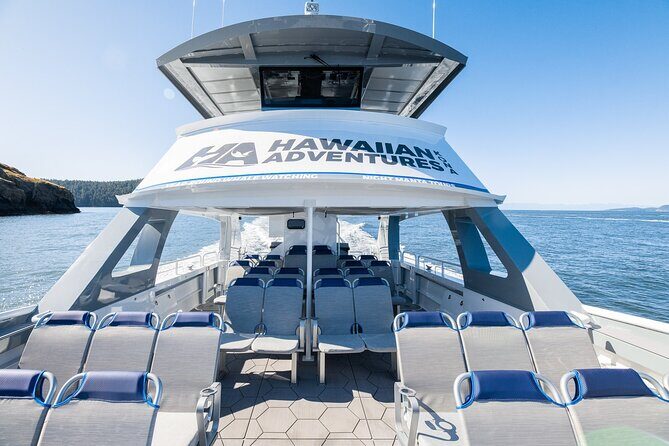
- A viewing-first boat: the 46-foot catamaran Artemis is designed for comfort and easier scanning.
- Cold drinks onboard: soft drinks and bottled water are included to keep things comfortable.
- Motion is part of the day: even in Kona’s generally calm waters, you may feel swells.
Kona whale watching that goes past the shoreline
Kona is one of Hawaii’s best places for whale and dolphin watching, because you get a mix of calm water, long coastline, and lots of marine life moving through. What makes this tour appealing is that it’s set up to search in more than one place instead of burning time in just one spot.
You’ll go out on a 3 to 4 hour tour starting at 8:30am, returning back to the same meeting area. The official start location is 275 Kealakehe Pkwy, Kailua-Kona, HI 96740, and the trips run out of Honokohau Harbor, which is handy because it connects you to both near-shore and offshore areas.
The overall vibe is practical: find animals, watch behavior, then learn what it means. That’s where the naturalist guides matter, and it’s also where you’ll notice the difference between a simple sightseeing boat and an actual wildlife operation.
Other whale watching tours in Big Island of Hawaii
Pelagic reach: why the offshore option boosts your odds
Most whale tours stick close to shore because it’s simpler and cheaper. This one is designed around a bigger search radius, thanks to US Coast Guard offshore certification. In plain terms, that means the crew can push into the pelagic zone, where the water drops off and the variety of potential sightings changes.
The near-shore zone is where you can see more seasonally visible whales, plus a range of dolphins and fish. During winter months, you may spot humpbacks, while other parts of the year can bring spinner dolphins and bottlenose dolphins, along with things like manta rays and flying fish.
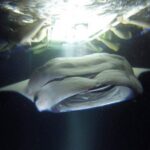
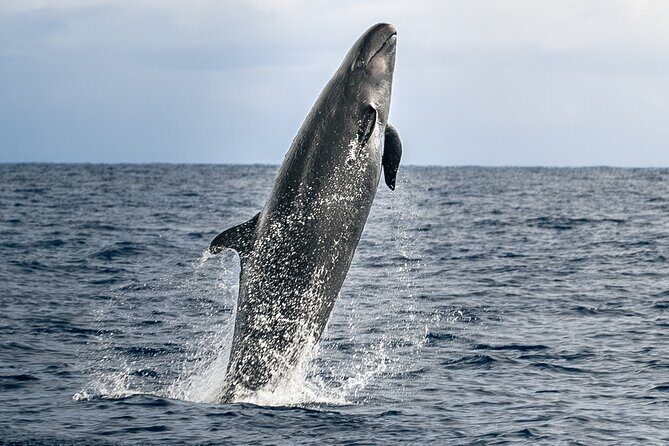
Then the pelagic zone expands your search into deeper waters, described as thousands of feet deep. That’s where you increase the odds of seeing more offshore species such as pilot whales, beaked whales, sperm whales, spotted dolphins, and even whale sharks (not the most common sight, but the kind of species you hope for when you’re willing to go farther).
Here’s the trade-off: deeper water can mean more ride feel. Kona can be calmer than some destinations, but the ocean still has its own schedule. If you’re prone to seasickness, plan for it.
The boat setup: comfortable catamaran + easier scanning
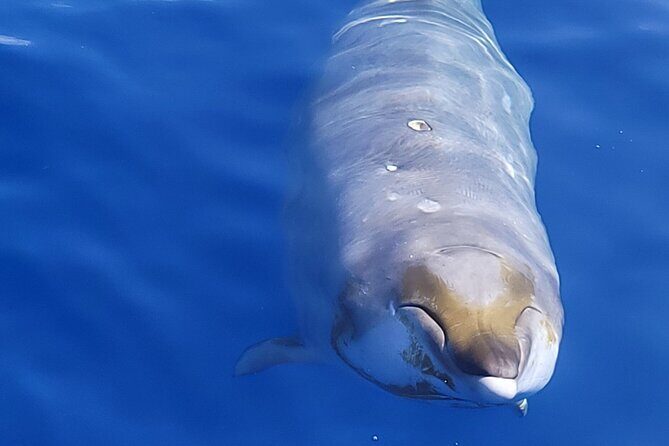
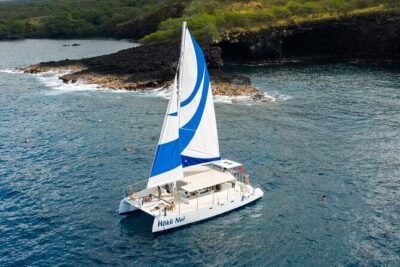
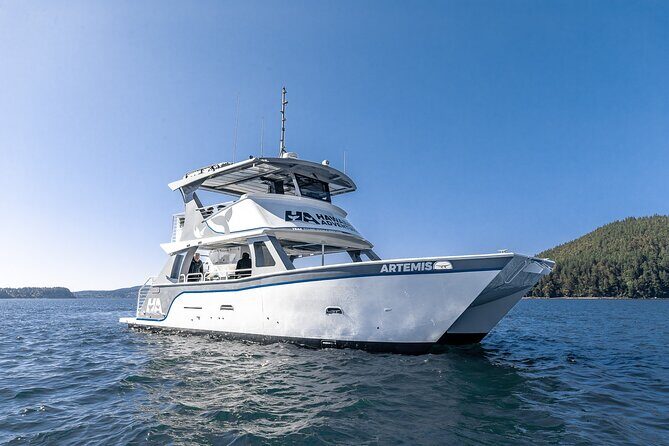
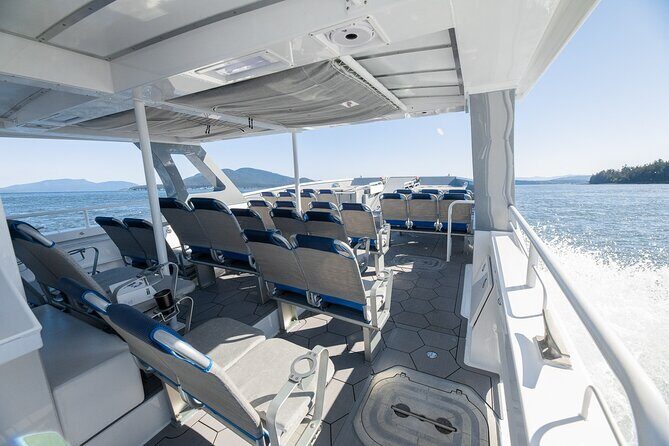
You’re not dealing with a cramped deck and limited angles. The tour uses a 46-foot catamaran called Artemis, built for wildlife viewing and comfort. Reviews highlight that it stays clean and comfortable, and that it handles swells smoothly.
A big plus is the open viewing style. The boat is designed so you can see from more than one spot onboard, which helps when an animal surfaces quickly or moves while you’re tracking it. People also point out that there are areas with shade and sun, plus padded seating, soft foam flooring, and handholds near railings to steady yourself.
One thing I’d take seriously: where you stand affects your view. There’s even a note from a past guest about people blocking sightlines at the front. The best move is simple—spread out, don’t cluster in one spot, and when something surfaces, shift quickly to keep your angle.
If you’re trying to time convenience, at least one review mentions free parking, which can make a morning departure easier. (If parking matters a lot for you, it’s worth checking what’s available the day you go.)
How the tour plays out on the water (without wasting time)
This is a search-style experience. You’re not on a set “see Point A, then Point B” sightseeing loop. Instead, you follow where the animals are showing up that day.
Depart and establish the search pattern
The day starts with leaving from Honokohau Harbor and scanning for wildlife in a way that makes sense for both near-shore and offshore possibilities. Because the tour is long enough, the crew isn’t forced to choose between staying local or going far.
Other whale watching tours in Big Island of Hawaii

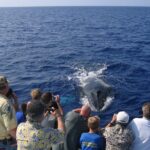
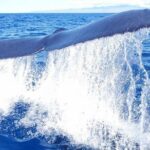
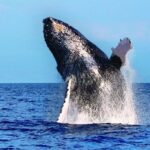
Near-shore cruising: dolphins, manta rays, and winter humpbacks
In the near-shore zone, the waters are suited to animals that stay closer to land. This is often where you get action that feels fast and frequent—dolphins cutting through the water, pods moving in and out, and birds or fish activity hinting at what’s below.
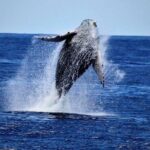
This is also where winter humpback opportunities come in, depending on the season and daily conditions. Reviews also mention whale depth and proximity in this general “near-ish” approach—one guest noted sightings occurring around 50 to 200 feet of water and relatively close to the coast.
You’ll likely be watching for classic behaviors: rolling and vocalizing, surface action, and the kind of “look at me” attitude that certain dolphins and whales love to show.
Offshore (pelagic) searching: pilot whales and the rarer stuff
If conditions allow and the day supports it, the tour can reach the pelagic zone with a search range that stretches into deep water. That’s where you’re more likely to encounter animals that don’t stay in the shallows.
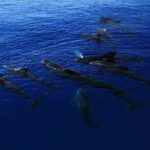
Reviews mention a mix of species that fit this offshore range, including short-finned pilot whales, Cuvier’s beaked whales, and other offshore possibilities. One standout mention is a whale shark sighting, which is exactly the kind of bucket-list moment you’re hoping for when a tour truly goes deep enough to matter.
Return: more sightings can happen on the way back
On many boat days, the best action isn’t always at the start. The crew keeps eyes up as you head back, and with a 3–4 hour window, you still have time for extra surfaces and pod movement as you close the distance to land.
What animals you might actually see
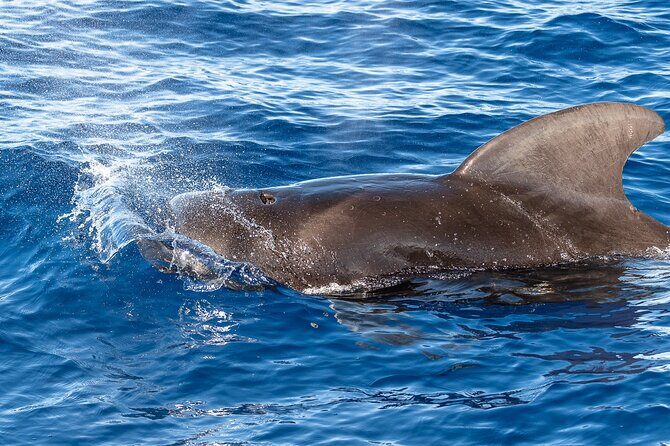
A key truth about whale watching is simple: you’re not guaranteed a specific species on a specific schedule. But the Kona region is consistently alive with different marine life, and this tour is designed around that reality.
Here’s what you can realistically hope for based on the tour’s described zones and the species mentioned during trips:
Whales
- Humpbacks in winter months
- Short-finned pilot whales year-round
- Beaked whales and sperm whales when offshore conditions line up
- Breaching and close-up behavior can happen, including dramatic surface moments like breeches and chin slaps
Dolphins
- Spinner dolphins (including fast bow-riding behavior in some sightings)
- Bottlenose dolphins
- Pantropical spotted dolphins
- Spotted dolphins mentioned for the pelagic search area
Sharks and other wildlife
- Oceanic white-tip sharks (sometimes seen around pods of pilot whales)
- Tiger shark and other shark species have been reported
- Flying fish can appear when the surface gets active
- Manta rays show up in near-shore opportunities
- Whale sharks are possible, but they’re the “special day” category
One practical tip: if you’re set on whales only, keep your expectations flexible. On days when dolphins are energetic, they can steal the show. And if whales stay out of reach that day, the crew can still help you find other marine action worth watching.
The naturalist factor: Dennis, Olivia, and Captain Andrew
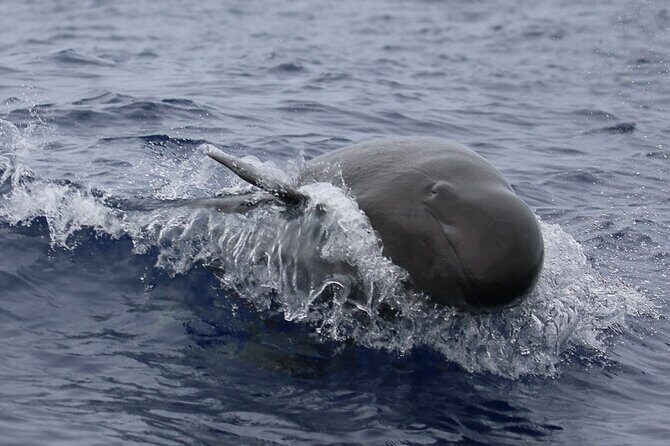
The biggest difference between a decent whale watch and a great one is how much you understand what you’re seeing. This tour leans hard into that with naturalist guides onboard.
In the feedback, names like Dennis and Olivia show up repeatedly for adding context and making the behavior feel clear instead of random. Reviews also highlight Captain Andrew for professional, safety-first handling while still giving the group a smooth ride and strong commentary.
What that often looks like in practice:
- You learn behaviors and terms on the water (people have mentioned learning about humpback actions like breeching/spying and understanding why whales position themselves).
- You get ecological context, like how different species move and why the Kona ecosystem matters.
- You get reassurance if you’re trying to track sightings in real time, especially when pods or whales pop up and move quickly.
If you’re the type who likes to know what’s going on instead of just staring, this part is a real value add.
Comfort tips: motion sickness and how to plan for it
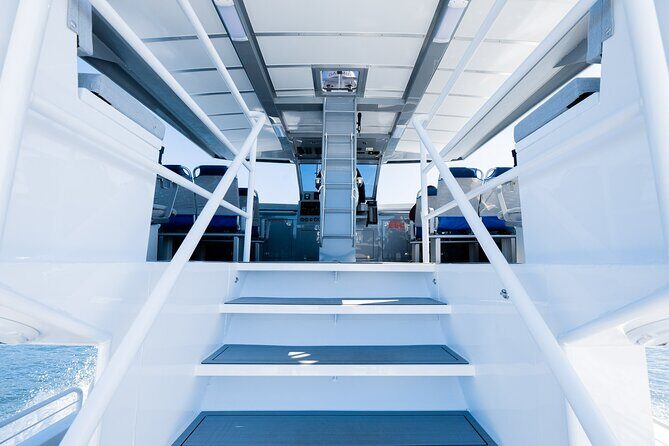
Even though Kona can be relatively calm, the tour is on open ocean. And when a boat is moving into swells, you’ll feel it.
One review specifically suggests bringing motion sickness medication if you tend to get sick. I agree with that logic. If you know your body doesn’t love boat movement, take your plan seriously the day of the tour. It’s also a good idea to wear shoes with grip and hang onto handholds when the boat changes speed.
Also, bring your own strategy for a shared deck. If you see a surface event start, move quickly but politely. Don’t let one person block the view—use the space your boat has and keep scanning.
Price and value: is $129 worth it?
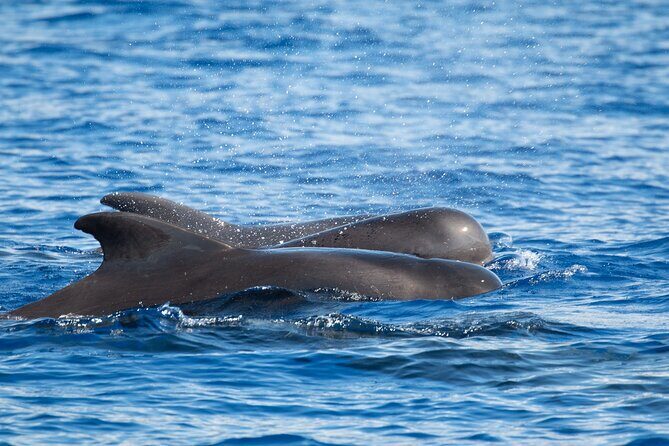
At $129 per person for a 3 to 4 hour tour, you’re not paying for a long cruise—you’re paying for a serious chance to find wildlife with a crew that knows how to search.
Where the value shows up:
- Time on the water is long enough to cover both near-shore and offshore possibilities.
- Offshore reach isn’t just marketing; it’s tied to offshore certification and the ability to push deeper.
- Onboard naturalist guidance increases your return on watching time.
- Soft drinks and bottled water are included, which matters on a morning when you’re out for hours.
What you should mentally budget for: variability. One day can be pilot whales and dolphins with extra surface action. Another day can be quieter. Even when the crew does everything right, the ocean decides what it wants to show.
Who should book this whale watch (and who should skip it)
This tour makes sense if you want:
- A wildlife-first outing focused on whales and dolphins
- A better-than-average chance of seeing multiple species because the crew can work both near-shore and offshore
- Naturalist-led interpretation so you come back with understanding, not just photos
It may not be the best fit if:
- Your group includes children under 10 (this one isn’t appropriate for younger kids)
- You’re highly sensitive to motion and you don’t plan ahead
- You’re hoping for a very quiet, low-activity experience (this is an alert, scanning kind of outing)
On the other hand, couples and families who want a memorable morning at sea tend to love the mix of sightings and explanations, especially when pods are vocal or whales get close.
Should you book the Big Island Pelagic Whale Watch?
If you’re choosing between a short shoreline-only option and something that can reach deeper waters, I’d lean toward this one. The combination of a search that includes both near-shore and pelagic zones, an offshore-certified operation, and naturalist guidance is exactly what makes whale watching feel like more than luck.
Book it if you can handle variable sightings and you’re excited by the idea of possibly seeing a mix of whales, spinner dolphins, manta rays, and sharks. Skip it if your plan depends on seeing one specific species no matter what, because wildlife doesn’t run on your schedule.
FAQ
How long is the Pelagic Whale Watch tour?
It runs about 3 to 4 hours.
What time does the tour start and where do I meet?
The listed start time is 8:30am, and you meet at 275 Kealakehe Pkwy, Kailua-Kona, HI 96740. The activity returns back to the meeting point.
Do I need to worry about motion sickness?
Motion is possible, even though conditions may be calm at times. If you’re prone to seasickness, it’s smart to bring medication or plan for it ahead of time.
What animals might I see on this tour?
Depending on the day and whether you’re in the near-shore or pelagic zone, you could see whales and dolphins such as humpbacks (seasonal in winter), pilot whales, spinner dolphins, and bottlenose dolphins, plus other marine wildlife like manta rays, flying fish, and sharks (including oceanic white-tip).
Is whale and dolphin viewing guaranteed?
No. The experience is based on what the ocean shows that day.
What’s included in the ticket price?
The tour includes the whale watching tour, a professional crew, and cold drinks such as soft drinks and bottled water.
What happens if weather cancels the tour?
The experience requires good weather. If it’s canceled due to poor weather, you’ll be offered a different date or a full refund.