REVIEW · BIG ISLAND OF HAWAII
Experience Our Honey Farm And Beekeeping Tour
Book on Viator →Operated by Big Island Bees · Bookable on Viator
That first hum of the hive world is hard to beat. This honey farm and beekeeping tour on the Big Island is a practical, behind-the-scenes look at how beekeeping actually works, not just a cute farm visit. What I like most is the hands-on-style explanation from the beekeeper (including plenty of live Q&A), and the chance to taste raw organic Hawaiian honey right after you see the hives.
You also get a little bonus side trip inside: a museum and tasting room setup that helps you connect what you’re seeing in the field with how bees live and why they matter. One catch to plan around: the setting is described as somewhat remote, and at least one visitor noted limited restroom facilities.
If you want a calm, safety-minded visit with a lot of real bee talk, this is a strong use of 45 minutes to about an hour. I’d just budget extra time for the drive from wherever you’re staying on the island, because the area matters for the schedule.
In This Review
- Key things that make this tour worth your time
- Welcome to the Hive World Near Captain Cook
- The Beekeeping Tour: Screened Viewing and Real Explanations
- Museum + Tasting Room: Where the Honey Story Gets Clear
- Seeing the Queen Bee and Other Big Moments
- Honey, Beeswax, and the Store You Might Actually Want
- Price and Value: $30 for a Small-Group Bee Lesson
- Timing, Getting There, and What the 10:00 am Start Means
- Safety Notes and Who Should Skip the Tour
- Who This Tour Fits Best on the Big Island
- A Few Practical Tips to Get the Most Out of It
- Should You Book This Honey Farm and Beekeeping Tour?
- FAQ
- How long is the honey farm and beekeeping tour?
- Where does the tour start?
- Is honey tasting included?
- Do I need lunch plans for this time slot?
- How much does it cost?
- Is there a discount for Hawaii residents?
- Is the tour safe for people who are allergic to bee stings?
- What happens if weather is bad?
Key things that make this tour worth your time
- A screened viewing area where you get a safe, close look during the beekeeping portion
- Honey tasting included, with tea and snacks to keep things easy
- A small group size (a maximum of 8 travelers is listed) for more back-and-forth with the keeper
- You can spot big details, like the queen bee, plus learn how beekeeping fits into pollination
- Museum + store time so you can keep learning and bring home beeswax and honey products
Welcome to the Hive World Near Captain Cook

This tour is based out of the Big Island’s Captain Cook area (start point at 82-1140 Meli Rd, Captain Cook, HI 96704). The beekeeping experience itself is described around the Kealakekua Bay side of things, which is part of why it feels like you’re stepping out of a car-stop attraction and into a working farm.
The vibe is simple: you’re not rushing through dozens of “photo spots.” You’re getting guided time with the people who keep these hives, plus a guided honey tasting. The group cap is small, and that matters. With fewer people, you’re more likely to ask a question and actually get an answer that fits what you’re wondering.
If you’re the type who thinks, Okay, but how do they really do it?, you’ll probably enjoy this. The tour is built to explain the why behind the tools and routines, not just the finished product in a jar.
A few more Big Island of Hawaii tours and experiences worth a look

The Beekeeping Tour: Screened Viewing and Real Explanations
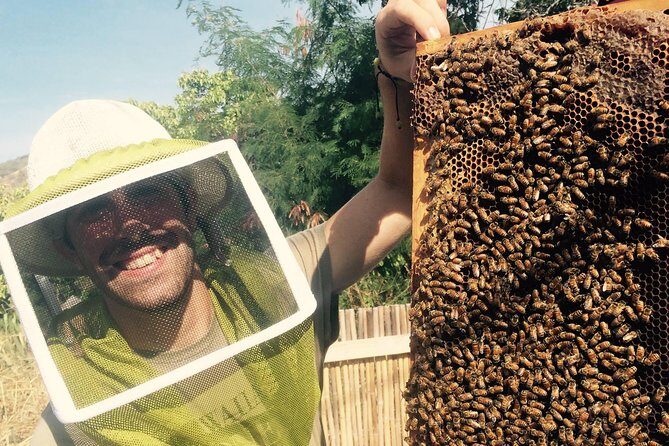
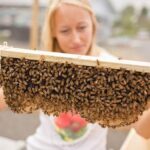
The centerpiece is the beekeeping portion, set in a safe and secure screened area. The description calls it having a box-seat view, and that lines up with what you’re hoping for: close sightlines without the chaos of being right in the thick of it.
This is where the guide quality shows up. Past visitors consistently single out the beekeeper—often named Joe—as funny, engaging, and quick to respond to questions. One review calls him a walking and talking encyclopedia of bees. Another points out how well he handled questions from a 6-year-old. That’s a strong sign that you won’t feel stuck with a lecture that misses the room.
There’s also specific, practical learning here. People mention watching the keeper manage what’s happening on the screen during the process, and seeing why it feels controlled and safe. You’ll likely come away with a better mental model of what bees are doing minute to minute—work in the hive, not just honey as a product.
One important note: if you’re allergic to bee stings, the tour guidance is clear—don’t take the tour. You can still visit the museum instead.
Museum + Tasting Room: Where the Honey Story Gets Clear
After the beekeeping view, the tour moves you into the museum and tasting room area. This part matters more than people expect because it ties the living hive to the finished flavors.
Here’s what you can expect from the way it’s described and what visitors say:
- A museum space that helps explain bee life and beekeeping basics
- A tasting room where you get a free honey sampling of raw, organic Hawaiian honeys
- Tea and snacks are included alongside the tasting
- There may also be video content covering bee topics worldwide, mentioned as part of the learning flow
Why I think this works: tasting without context is easy to forget. Context without tasting can feel abstract. This setup tries to do both—so when you taste, you understand what you’re tasting and why it’s valuable.
The tasting also gives you a “horizontal comparison” moment. You’re not just trying one honey and moving on. You’re sampling multiple kinds, which helps you appreciate how honey isn’t one uniform thing.
Seeing the Queen Bee and Other Big Moments
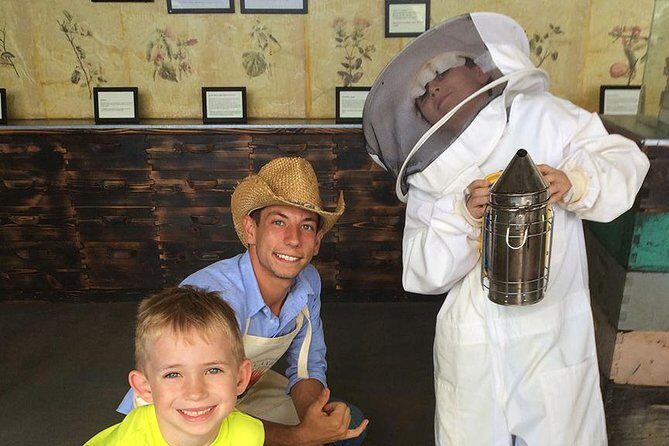
One reason people rave about this tour is that it offers access to “wait, is that really what I think it is?” moments. Past guests specifically mention being able to see the queen bee. They also mention seeing a bee being born from the hive.
Now, don’t count on every single moment being identical on every day. Bees and beekeeping are living systems, and timing matters. But if you come with the right mindset—patient, curious, ready to learn—you’re much more likely to catch the memorable moments that make this a not-to-miss stop.
This is also where the small group helps. When you’re in a group of around 8, you can see what the keeper is pointing at, and you can ask follow-up questions without shouting across a crowd.
Honey, Beeswax, and the Store You Might Actually Want
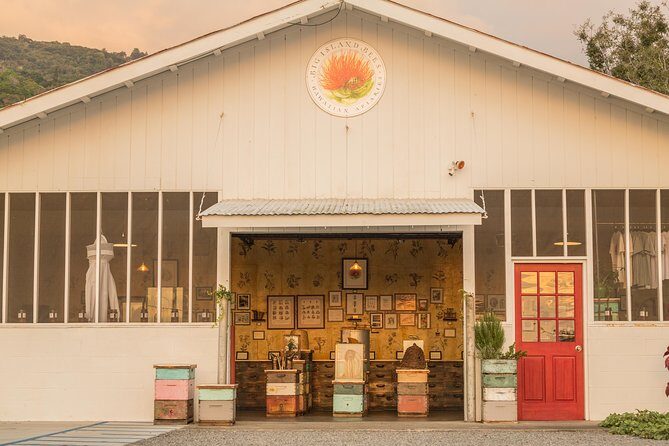
There’s a store component built into the tour experience. The description says you can browse honey, beeswax products, and beekeeping memorabilia, and visitors also mention the shop as a highlight.
A store is not automatically a plus on tours—some feel like a sales trap. Here, it tends to fit the learning. If you’re curious about what you just tasted, it’s handy to see options in beeswax and related products while everything is still fresh in your mind.
One review even calls out ice cream from the place as a favorite. That kind of detail doesn’t guarantee it will be available in the exact way you’ll want, but it’s a good hint that the farm experience may have more than just jars on shelves.
If you like bringing home something local, honey and beeswax products tend to be meaningful souvenirs. Just remember: you’re paying for a small farm experience plus included samples, so any extra purchases are optional.



Price and Value: $30 for a Small-Group Bee Lesson
At $30 per person, this is priced like an affordable activity that won’t wreck your day budget. The duration is listed as about 45 minutes to 1 hour, and that’s realistic: you’ll be guided, you’ll taste, and you’ll learn without being stuck for hours.
What makes the price feel fair is what you actually get:
- Guided tour time at a honey farm
- Honey tasting included (raw organic Hawaiian honeys)
- Tea and snacks included alongside samples
- Museum access and time in the tasting room
- Small group size (a max of 8 travelers is listed)
You should also know what’s not included: lunch is not included. So if you’re taking this at 10:00 am, plan a proper meal afterward. This matters because one visitor flagged the limited restroom facilities, which is another reason to think ahead if you’re traveling with kids or you’re on a tight schedule.
There’s also a Kama’aina price listed:
- $20 for adults 19+ with a valid Hawaii State ID
- $10 for youth ages 13–18 who are residents
If you qualify, it’s a nice discount that makes it even easier to justify.
Timing, Getting There, and What the 10:00 am Start Means
The tour starts at 10:00 am at the Captain Cook meeting point. That’s helpful because it lets you pair the experience with a morning plan elsewhere on the island.
Because the area can feel remote, give yourself buffer time. Past visitors mention the location being a bit out of the way, and that can affect parking, walking distance, and how early you should arrive to feel relaxed.
Also keep your expectations aligned with the time window. This is a short guided lesson, not a full-day farm stay. You’ll leave with understanding, honey flavor memories, and probably a list of questions you didn’t know you had.
Safety Notes and Who Should Skip the Tour
Beekeeping tours sound scary to some people, but this one is built around a screened viewing area and a guided, controlled setup. Reviews describe it as safe and mention seeing the keeper handle the process with no one getting stung during tours.
Still, safety is not something you guess on. The guidance says:
- Persons allergic to bee stings should not take the tour (museum visit is fine)
- Service animals are allowed
If you’re worried about stings because you’ve had reactions in the past, treat that as a hard stop.
If you’re generally fine but still nervous, you can still go in with good information: the tour is designed to keep you protected while letting you watch what’s happening.
Who This Tour Fits Best on the Big Island
This tour is a good match if you want a real farm learning experience without a long commitment. It fits well for:
- Families who want kid-friendly explanations and lots of Q&A
- Couples who like nature experiences with a clear story
- Anyone who has tried honey tasting before but wants the “how it’s made” part
It also tends to work well if you’re staying near Kona or traveling around the Captain Cook area and want a short, meaningful stop.
If you only want a quick photo stop with no learning and no tasting, you might find it less satisfying than a longer, more scenic outing. But if you enjoy talking with knowledgeable guides and learning from a working operation, you’ll likely come away happy.
A Few Practical Tips to Get the Most Out of It
Small group tours reward the basics. Here’s what helps:
- Ask questions early. If the guide is Joe and he’s in full Q&A mode, jump in before the group settles down.
- Come hungry for the tasting. Honey sampling plus tea and snacks is part of the fun.
- Plan your next meal. Lunch isn’t included, so don’t assume you’ll leave full.
- If you might need the restroom, use it before you settle into the tasting and field part, since at least one visitor flagged limited restroom facilities.
Should You Book This Honey Farm and Beekeeping Tour?
Book this tour if you want a short, guided, hands-on beekeeping lesson on the Big Island with included honey tasting and a small-group feel. The standout reasons to choose it are the strong guide energy (often named Joe) and the fact that you’re not just hearing about bees—you’re seeing key moments like queen bee identification and learning how the whole system works.
Skip it if you have a bee sting allergy. In that case, go for the museum instead.
If you like your travel days to be both entertaining and useful, this is an easy yes—especially at $30 for a guided experience that leaves you with honey flavors you’ll remember and bee facts you can actually use.
FAQ
How long is the honey farm and beekeeping tour?
The tour is listed as about 45 minutes to 1 hour.
Where does the tour start?
It starts at 82-1140 Meli Rd, Captain Cook, HI 96704, USA.
Is honey tasting included?
Yes. You get free sampling of raw organic Hawaiian honeys, plus tea and snacks.
Do I need lunch plans for this time slot?
Lunch is not included, so plan to eat before or after the tour.
How much does it cost?
The standard price is $30.00 per person.
Is there a discount for Hawaii residents?
Yes. Kama’aina adults 19+ are $20 with valid Hawaii State ID, and Kama’aina youth ages 13–18 are $10.
Is the tour safe for people who are allergic to bee stings?
The guidance is that people allergic to bee stings should not take the tour. They can visit the museum instead.
What happens if weather is bad?
The experience requires good weather. If it’s canceled due to poor weather, you’ll be offered a different date or a full refund.