REVIEW · BIG ISLAND OF HAWAII
Hawaiian Salt Farm Tour in Kona
Book on Viator →Operated by Kona Sea Salt - The Farm · Bookable on Viator
Salt in Hawaii can surprise you. This Kona stop takes you to a real ocean salt operation, where Hawaiian salt is hand harvested from the sea and turned into a range of products. You walk the oceanfront saltmaking grounds with a guide who connects the water, the process, and the local story.
I especially like the way this tour feels practical and hands-on: you can see the stages of the harvest and how seawater becomes salt. I also really enjoy the salt tasting, because it shows that not all salts taste the same, even when they come from the same ocean source.
One thing to consider: the tour can move at a brisk pace, and if you’re hoping for slow, step-by-step clarity, you may want to ask early and keep your questions simple. Also, tasting setups may not make it instantly obvious which salt is which until the guide explains it.
In This Review
- Quick highlights you’ll remember
- Why a Kona salt farm tour beats the usual sightseeing
- Price and time: what $27 buys you in about 1 hour
- Meeting at 73-907 Makako Bay Dr and how the tour starts
- Your 45-minute walkthrough: water source to salt harvesting process
- The tasting: comparing different Hawaiian hand-harvested salts
- Deep ocean minerals: why salt farmers talk beyond salt
- Optional foot soak: when cold water sounds like a good idea
- Practical tips so you stay comfortable and get the most
- Who should book this salt farm tour in Kona?
- Should you book the Hawaiian Salt Farm Tour in Kona?
Quick highlights you’ll remember
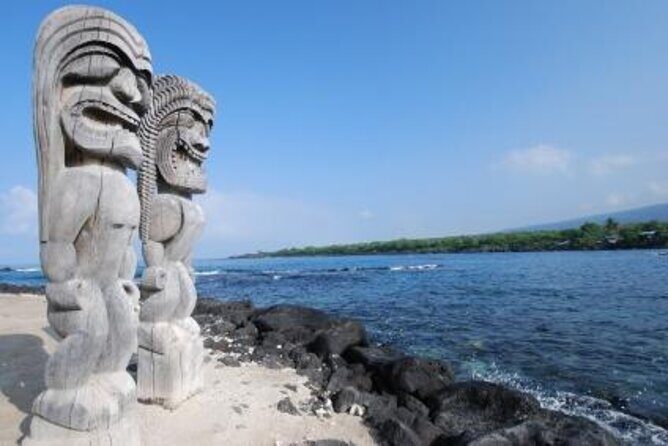
- Oceanfront salt pans on seven acres with an actual working process you can see
- A guided walk through the water source and harvest areas, not just a showroom
- Salt tasting at the end with multiple varieties to compare
- Deep ocean mineral products explained alongside the salt
- Small group size (max 20), which makes questions more realistic
- Weather-dependent timing, so plan some flexibility
Why a Kona salt farm tour beats the usual sightseeing
On the Big Island, most tours point you at views. This one points you at something more unusual: how salt gets made, right by the ocean. It’s a nice change of pace if you’re already on “volcano mode” or beach-hopping and you want a story you can taste.
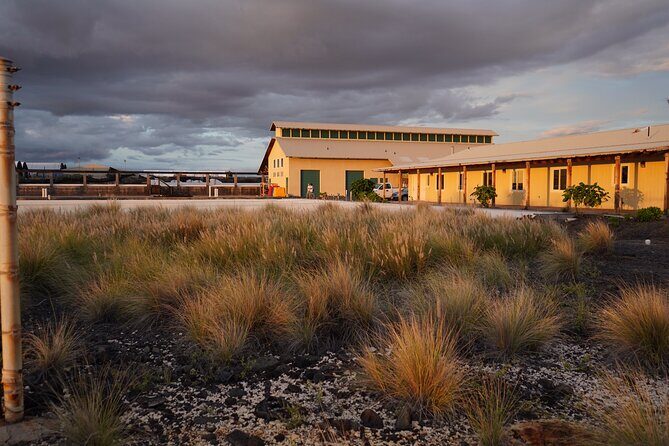
The setting helps. The farm sits on the coast, so you’re not imagining how it works—you’re standing where the seawater changes. That makes the whole process click faster, especially if you like learning by seeing instead of just listening.
Best part for me? The tour doesn’t treat salt like a weird novelty. It frames it as a real local resource tied to water, weather, and long-term know-how—then you get to sample the result.
Other coffee and farm tours in Big Island of Hawaii
Price and time: what $27 buys you in about 1 hour
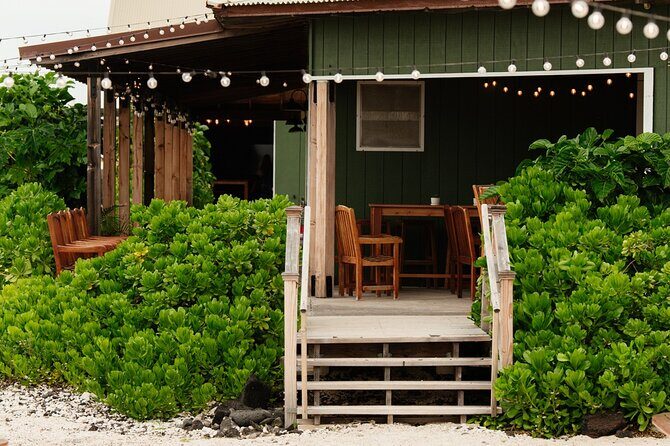
At $27 per person for about an hour, this is a straightforward value. You’re paying for a guided walk through an operating farm, a focused explanation of seawater-to-salt, and a tasting at the end. If you compare it to longer tours with less direct payoff, this one has a clear “end product” you can take away mentally and physically.
Timing matters here. You get enough time to understand the workflow without the day getting swallowed. That makes it a good fit on travel days when you still want a real activity but don’t want to lose half the island to logistics.
One more practical note: this tour is often booked in advance (on average about 24 days out). If your trip dates are fixed, I’d lock it in earlier rather than waiting for a last-minute miracle.
Meeting at 73-907 Makako Bay Dr and how the tour starts
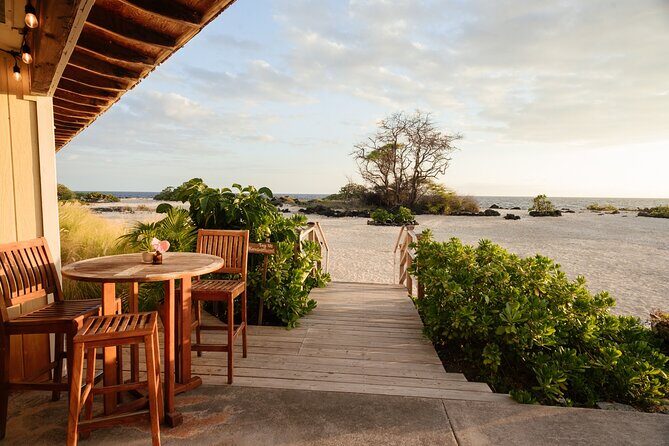
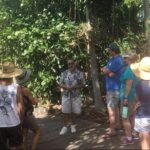
You’ll meet at 73-907 Makako Bay Dr, Kailua-Kona, and the tour ends back at the same meeting point. The Salt Farm manager meets you and starts you off with the water source and the harvest areas, so you’re not wandering around in the dark.
The pacing starts with orientation: you’ll hear how the seawater feed relates to the final salt products. Then you move through the areas where salt is harvested and where you can see the stages of the process.
Because it’s a small tour (max 20 people), the first few minutes matter. If you’re the type who likes context, get your bearings early and ask one clear question right at the start.
Your 45-minute walkthrough: water source to salt harvesting process
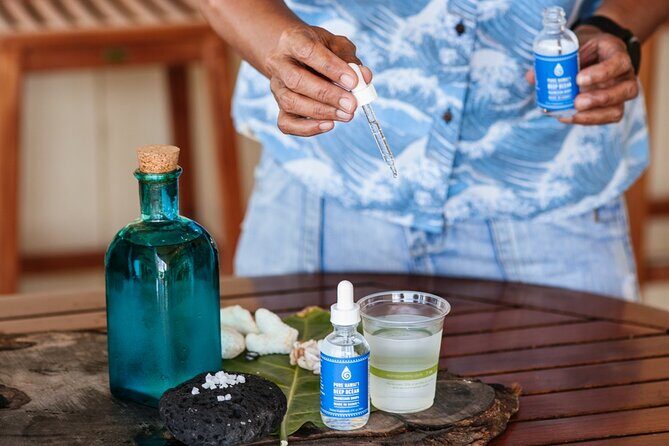
The core of your time is a guided walk through the operation. The stop itself is about 45 minutes of touring, and it’s organized around the “from ocean to salt” story.
Here’s what you should expect during the walk:
- The guide explains the water source and why it matters
- You’re shown the salt harvesting areas
- You get a clear explanation of the harvest process (how the work unfolds on-site)
- You learn about related deep ocean mineral products
This is the part that feels most “real” for me. You’re not just seeing finished jars. You’re seeing the steps and hearing the logic behind them. If you’re curious about natural resources, it’s a satisfying change from tours that only point at geology after the fact.
One consideration: the pace can be quick. That doesn’t mean it’s low quality—it just means you should bring the right mindset. If you want names, details, or a slow cadence, prepare a couple of questions and don’t wait until the tasting portion to clarify things.
The tasting: comparing different Hawaiian hand-harvested salts
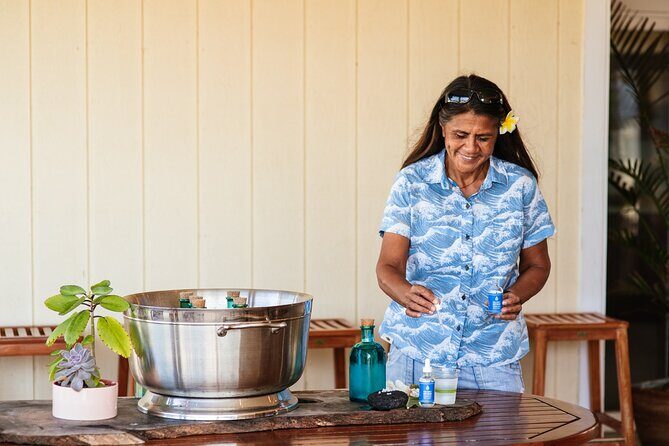
The tour ends with a salt tasting. That part is more than a nice finish—it’s how you make the learning stick. When you taste several salt varieties, the differences stop being theoretical.
From what you can expect on the tasting side:
- You’ll sample different Hawaiian hand-harvested salts
- The guide typically ties each salt to what you just saw on the farm (so the flavors feel connected to the process)
- You’ll likely have a chance to ask questions while tasting
A helpful approach: taste in small bites and pause between samples. I like to treat it like a mini “flavor lab.” If you’re a cook, pay attention to what tastes briny versus what tastes more nuanced. Then you can actually use the experience later when you’re seasoning at home.
Also, bring a little patience with labeling. On some tours, people find it hard to tell which salt is which until the guide explains it. If that would bother you, ask the guide to point out the specific salts one by one so you can follow along.
A few more Big Island of Hawaii tours and experiences worth a look



Deep ocean minerals: why salt farmers talk beyond salt
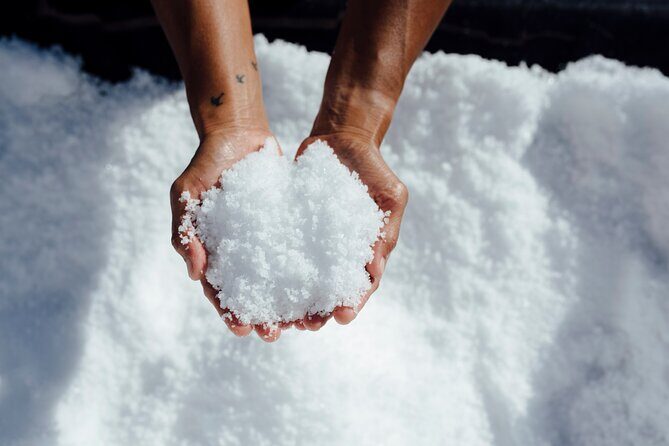
A salt farm tour could easily become just an origin story for seasoning. This one adds another layer: deep ocean mineral products are part of the explanation.
During the walk, the guide brings up these other mineral products alongside the salt process. That matters because it shifts the farm from “food souvenir” to “resource management.” You’re hearing how the ocean provides more than sodium chloride, and how the operation turns those materials into products people can actually buy.
One review highlight also mentioned a connection to ocean care, including involvement with beach cleanup efforts. Even if you’re not looking for an environmental message, it adds a sense of purpose: this isn’t salt-making in isolation. It’s tied to keeping the ocean healthy for the long run.
Optional foot soak: when cold water sounds like a good idea
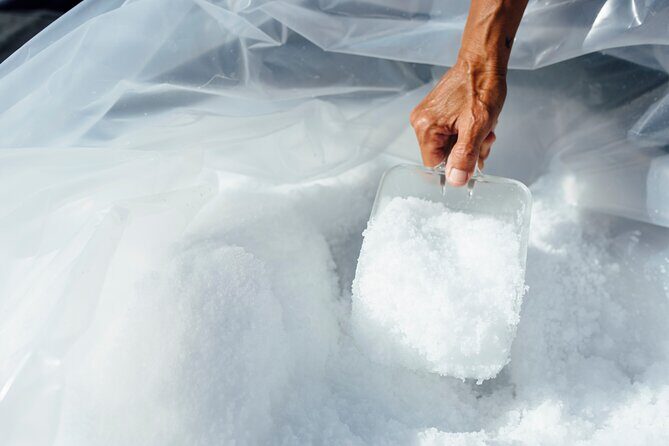
Some add-on experiences show up alongside the tour experience, including a deep ocean foot soak. People describe it as cold—colder than they expected—so go in mentally ready for that shock.
If you do it, treat it like the “extra credit” version of the tour. The point isn’t comfort; it’s the mineral immersion angle that connects back to the farm’s ocean-based products. One person noted getting a jar of magnesium to add to the soak water, which suggests the farm ties the experience to mineral use beyond just dipping your feet.
Skip the foot soak if you’re sensitive to cold or you’re short on time and want to keep everything simple. But if you like hands-on, you might find it’s a memorable way to make the ocean-to-product connection feel physical.
Practical tips so you stay comfortable and get the most
This is an outdoor farm walk with sun exposure, so plan like it’s Hawaii summer because it probably is. One practical tip you’ll hear again and again: wear sunscreen and a hat.
You may also have shade options like umbrellas available to block the sun. Still, don’t rely on shade to solve everything—bring your own sun protection and water habits that match your comfort level.
Since this is about tasting, it also helps to avoid arriving starving. Eating beforehand makes the salt tasting more enjoyable, because you can focus on flavor rather than hunger-driven distraction.
If you’re the type who likes details, you’ll get more out of the tour by coming with a small goal. For example: decide you want to learn how seawater turns into harvestable salt, and ask one question early about what makes their process different.
Who should book this salt farm tour in Kona?
This is a great fit if you like:
- Food and cooking, especially if you enjoy comparing flavors
- Eco-minded activities that are tied to a real operation
- Short, guided tours that don’t swallow your whole day
It’s also a strong option if you’re traveling with family. The tour is about an hour and not described as overly strenuous, and it’s easy to imagine older kids and parents enjoying the walkthrough plus tasting.
It may be less ideal if you want long, quiet exploration. Because it’s guided and can run quickly, it’s best when you enjoy listening and moving with the group. If you’re hard of hearing or you need slower explanation, pick a time you know you can concentrate and don’t hesitate to ask for clarification during the tour.
Should you book the Hawaiian Salt Farm Tour in Kona?
If you want something different from beaches and viewpoints, this is a smart booking. For $27 and about 1 hour, you get a guided walk through a real saltmaking site, a tasting, and explanations that connect ocean water to the finished product. The overall rating is strong (4.9) and the recommendation rate is high, which usually means the tour delivers on what it promises.
I’d book it if you’re the type who remembers experiences through hands-on details and you enjoy tasting comparisons. I’d also make room for it even if your day is packed—this one is tight and focused.
If you’re worried about fast pacing, go anyway but plan to ask early. And if you’re considering the foot soak add-on, remember it’s described as very cold, so only do it if that sounds like your kind of story.