REVIEW · BIG ISLAND OF HAWAII
Private Tour: Hawaii Volcanoes National Park Eco Tour
Book on Viator →Operated by Kilauea EcoGuides · Bookable on Viator
Volcano walks beat bus tours. This private Hawaii Volcanoes National Park eco tour starts inside Volcano House and strings together steam vents, sulfur banks, and a lava tube. I love the small-group feel and the guide’s science-to-culture explanations as you move through the park.
One consideration: this is a mostly walking outing, and there’s no included meal. Plan on carrying snacks and water so you’re not stuck hungry between stops.
In This Review
- Key things to know before you go
- Why this Volcano Tour feels personal
- Price and what you’re really paying for
- Start at Volcano House: the park’s “front door” inside the action
- Stop-by-stop walkthrough: steam vents, rainforest scars, and a 500-year-old tube
- 1) Steam vents and sulfur banks (start of the trail story)
- 2) Nahuku–Thurston Lava Tube
- 3) Halema‘uma‘u trail for summit caldera views
- 4) More geothermal heat at the steam vents
- Walking the story of Kīlauea: Kīlauea Iki, Pēle’s Tears, and crater science
- 5) Sulphur banks: plant adaptations you can actually see
- 6) Kīlauea Iki Trail: the moon-walk feeling
- 7) Devastation Trail: buried rainforest and hard-to-miss rock finds
- 8) Chain of Craters Road and pit crater meaning
- Keanakako‘i Overlook: best eruption viewing, with binocular help
- Extra value: Visitor Center, Junior Ranger, Volcano Art Center, and a coastal photo break
- Kīlauea Visitor Center and the Junior Ranger moment
- Holei Sea Arch: an easy walk with bird talk
- Volcano Art Center Gallery and Volcano House history
- How much hiking is this, really?
- What can change on the volcano’s schedule
- Who this tour is best for
- So, should you book?
- FAQ
- How long is the Hawaii Volcanoes National Park Eco Tour?
- Where does the tour start and end?
- Is the National Park entrance fee included?
- Are food and drinks included?
- Is transportation or hotel pickup included?
- Is this tour private?
- What group size should I expect?
- Will I definitely see an active summit eruption?
- What if I want a specific departure time?
- Are there any hiking limits or suitability notes?
Key things to know before you go
- You start inside the park at Volcano House, so you waste less time getting oriented.
- A real lava-tube walkthrough happens at Nahuku–Thurston Lava Tube, where you learn how tubes form.
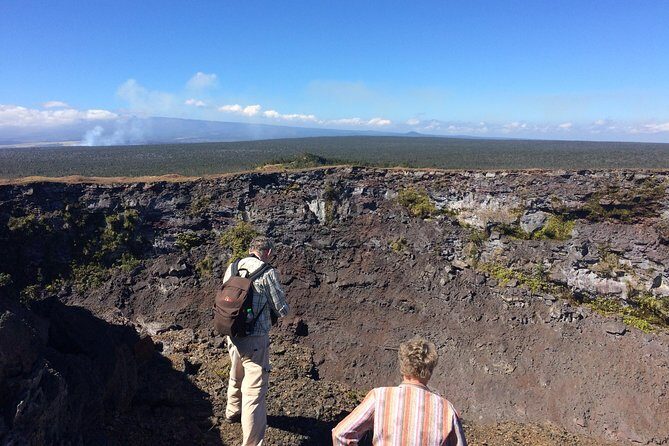
- Kīlauea views are conditional at Keanakako‘i Overlook—visibility depends on what the volcano is doing that day.
- Short, frequent stops keep the pace varied: rainforest, crater trails, steam vents, and coastal photo breaks.
- Kids can do Junior Ranger at the Kīlauea Visitor Center, including a guide helping them finish the program.
- Guides matter here; you may meet people like Erik, Jay (a retired park ranger), Michelle, Justin, Tyson, or Chris, and they tailor the route to questions and energy levels.
Why this Volcano Tour feels personal
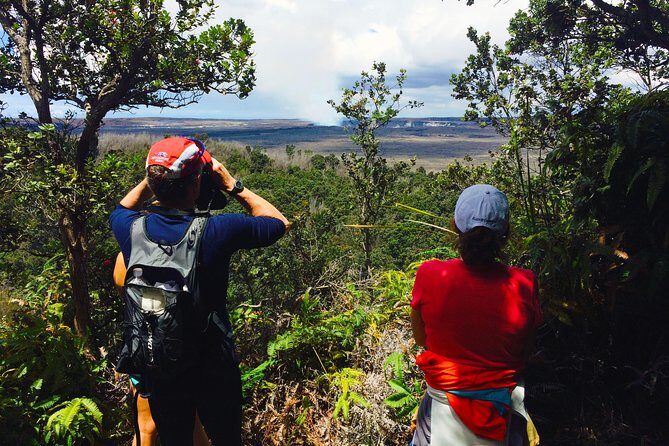
The big win with a private setup is not just fewer faces. It’s that your guide can steer the day based on what you care about—plants and birds, volcanic features, or the human story of Kīlauea and the park.
You’ll see the park in “chunks,” not as one long drive-with-comments. And because you’re not squeezed into a rigid group schedule, it’s easier to pause for the stuff that grabs your attention—steam billowing from vents, the texture of lava rocks, or how the rainforest regrew after eruptions.
Guides also bring energy. People sharing their experiences name guides like Erik and Jay for making the science click, and Michelle or Tyson for adding cultural context while keeping the mood light. That mix is exactly what makes Volcanoes National Park feel more like a living classroom than a checklist.
Other Volcanoes National Park tours in Big Island of Hawaii



Price and what you’re really paying for
At $160 per person for 3 to 6 hours, the price isn’t just “a guide with a microphone.” You’re paying for time inside the park with someone who can connect what you’re walking past to how the volcano works.
Two money notes matter:
- The National Park entrance fee is not included ($30 per vehicle). You’ll want to plan for this at the gate before you start circling stops.
- Food isn’t included unless you arrange it. Bring snacks and water, because you can burn a lot of time on foot.
So is $160 worth it? If you’re visiting Volcanoes National Park for the first time, or you want more than a surface glance, yes. The tour is built around trails and features that are easier to understand with an interpreter—like why a lava tube looks the way it does, or what those crater formations mean.
If you already know your way around and you only want a quick drive-by, then you may feel like you could DIY. But for most people, the value comes from interpretation plus smart stop selection to keep things from turning into aimless walking.
Start at Volcano House: the park’s “front door” inside the action
Your tour begins back at 1 Crater Rim Drive inside Hawaii Volcanoes National Park, starting at the historic Volcano House hotel. Because it’s inside the park, your day starts with less time lost to logistics and more time on the ground.
From there, the first stretch sets the tone. You walk toward steam vents and sulfur banks, and that heat-from-below feeling is part of why this place is unforgettable. You’ll also move through native rainforest and toward the Devastation Trail, which brings home how much the island changes during eruptions.
This opening section is also where a good guide makes a difference. With the right explanations, you start noticing clues—rock textures, plant adaptations, and how the environment is constantly rebuilding itself.
Stop-by-stop walkthrough: steam vents, rainforest scars, and a 500-year-old tube
Here’s what the main legs feel like, in human terms.
1) Steam vents and sulfur banks (start of the trail story)
You begin with short walks to steam vents and sulfur banks. Expect guided talk on geothermal heat and geochemistry. Photo stops happen naturally here, because the steam and minerals put on a show, especially on overcast or calm days.
Practical tip: wear shoes you trust on uneven ground. Even short segments can have rocky patches.
Other private tours in Big Island of Hawaii



2) Nahuku–Thurston Lava Tube
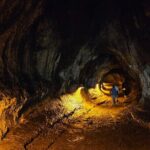
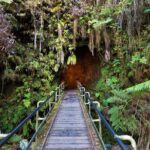
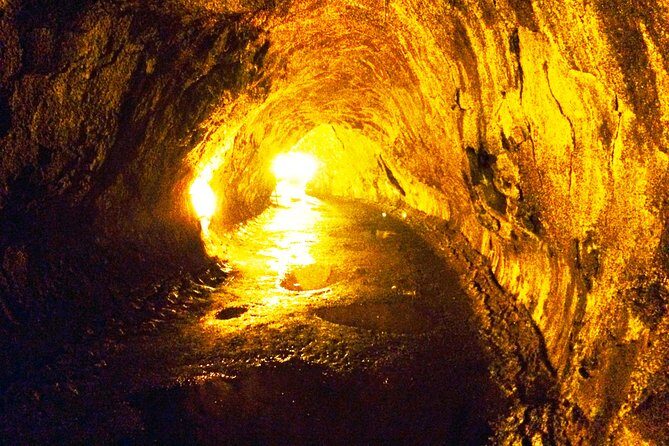
Next you head to the Nahuku–Thurston Lava Tube. This is where you’ll get a clear explanation of how lava tubes form and what features to look for inside.
It’s a much more “visual science” stop than people expect. The tube is about shape, flow, and geology you can actually see. Then you walk through old-growth native forest to reach it, which adds a nice contrast: heat and rock on one side, living rainforest on the other.
3) Halema‘uma‘u trail for summit caldera views
You’ll walk the Halemaumau Trail for views toward the summit caldera and hear about Hawaiian plants, Hawaiian birds, and Hawaii-specific geology. The guide also ties in Hawaiian culture that still connects people to the volcano today.
Even if the summit isn’t dramatic that day, this stop helps you “place” the volcano in your mind—where everything is happening and why certain areas matter.
4) More geothermal heat at the steam vents
Then you loop back for a second steam vents segment. This isn’t just repetition. With the guide, you’ll notice different details each time—how the ground releases heat, how gases behave, and where it’s safe to walk.
Safety note: the plan includes a sulfur banks area described as safe due to low gas concentration, so you can focus on learning without constantly worrying about hazards.
Walking the story of Kīlauea: Kīlauea Iki, Pēle’s Tears, and crater science
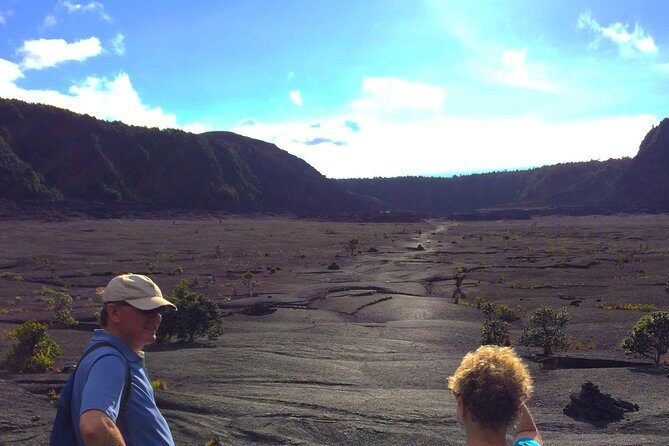
This is the heart of the day if you like geology, textures, and learning the “why” behind the scenery.
5) Sulphur banks: plant adaptations you can actually see
At the Sulphur Banks, you walk through a unique environment and learn why some native plants can survive volcanic gases. This is a good stop for anyone who thinks volcanoes only mean fire and lava.
Look closely and you’ll start to understand survival strategies—how living things work with harsh conditions rather than against them.
6) Kīlauea Iki Trail: the moon-walk feeling
The Kilauea Iki Trail is described as a popular hike and includes discussion of the 1959 eruption, including the famous lava fountaining event in recorded history.
The “walking on the moon” feeling comes from the way the ground looks and moves—rocky, stark, and strangely quiet underfoot once you’re in the right spots. Even if you’re not a geology person, it helps you grasp how dramatic the eruption impacts the surface.
7) Devastation Trail: buried rainforest and hard-to-miss rock finds
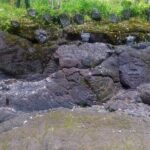
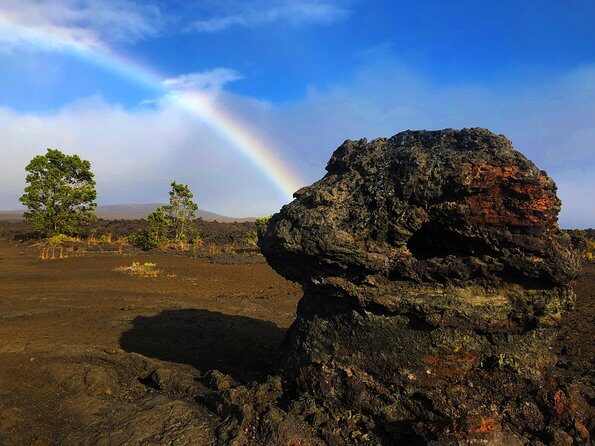
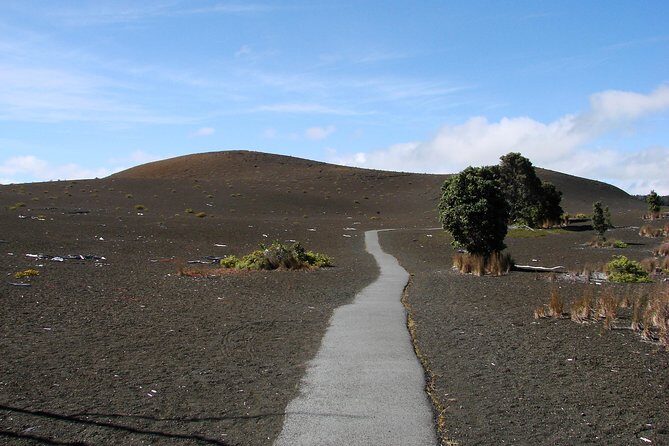
The Devastation Trail takes you through where native rainforest was buried in 1959 volcanic debris. Your guide will point out things like Pele’s tears and olivine crystals, plus other rock formations tied to the eruption.
This is one of those sections where interpretation matters. Without it, it can feel like “some rocks and plants.” With it, you connect rocks to time.
8) Chain of Craters Road and pit crater meaning
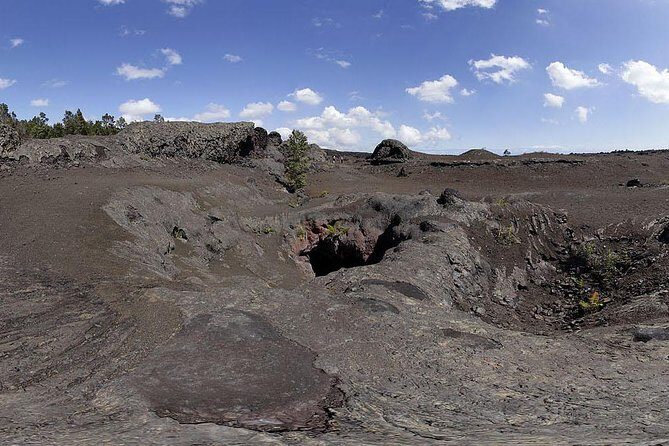
Finally, Chain of Craters Road becomes a guided tour of volcanic landscapes of the past, with specific stops like Lua Manu. You’ll talk about pit craters and what they mean for understanding Kīlauea’s behavior.
This road segment is about perspective. You start to see patterns in how volcanic activity shapes the terrain, not just isolated points of interest.
Keanakako‘i Overlook: best eruption viewing, with binocular help
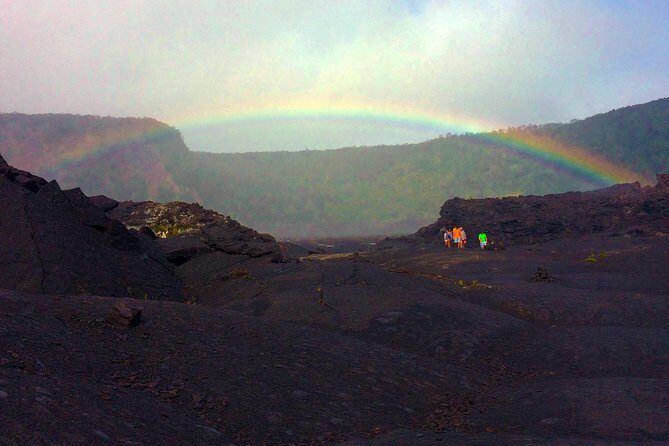
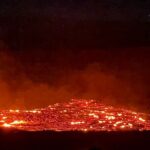
If there’s visible activity at the time you arrive, Keanakako‘i Overlook is where you’ll get some of the best looks. The tour plan includes professional guide binoculars and/or spotting scopes, which helps you actually see details rather than squint into the distance.
Important reality check: the tour notes that summit eruption viewing depends on current eruption conditions. That means you should treat this as a chance, not a guarantee.
When conditions cooperate, it’s the kind of moment that makes the whole hike feel connected—like you’re witnessing the same system you learned about earlier on the trails.
Extra value: Visitor Center, Junior Ranger, Volcano Art Center, and a coastal photo break
Not every stop is about volcanic rock. That balance is part of why the tour works.
Kīlauea Visitor Center and the Junior Ranger moment
At the Kilauea Visitor Center, you can take a quick break and check out park materials or books. If you’re traveling with children, this is where the tour includes help with Junior Ranger programs so kids can earn an official Junior Ranger badge.
Even if you don’t have kids, this stop helps you reset. It’s also a good place to ask your guide for context about what you just saw.
Holei Sea Arch: an easy walk with bird talk
Then you’ll do an easy walk to Holei Sea Arch for a photo moment and discussion of native sea birds. This is a nice reset after crater trails, and it connects volcano impacts to the coastline.
Volcano Art Center Gallery and Volcano House history
Last, the Volcano Art Center Gallery is a short stop where you can see the original Volcano House Hotel, noted as the oldest hotel in the state. It’s a small cultural tie-in that makes the park feel less like a museum and more like a place people have lived with for a long time.
How much hiking is this, really?
The time range is listed as 3 to 6 hours, and the itinerary mixes walking trails with shorter stop segments. The overall experience is described as a walking-focused tour, with driving between points.
Most people can participate, but think about your comfort level. You’ll be on your feet for multiple segments: rainforest paths, tube areas, and crater trails.
Also remember the practical travel issue: there isn’t an easy built-in lunch plan. One guide-style lesson from experienced visitors is simple—bring snacks and water. Even if you stop for something, it can be minimal.
If you book the 3-hour option, you’ll still cover a lot, and the time can feel like it flies by because you’re constantly learning and moving.
What can change on the volcano’s schedule
This tour is designed around active geology, so it’s not a “lights always on, no surprises” kind of day.
Two factors can shift what you see:
- Eruption visibility at places like Keanakako‘i Overlook depends on current conditions.
- Park access can be affected by seismic activity. When restrictions happen, guides typically adjust the day rather than leaving you stranded.
This is also why a flexible, private format helps. Your guide can explain what you can’t reach and what to focus on instead, so the tour still feels meaningful.
Who this tour is best for
This is a strong match if you want:
- A first-time Volcanoes National Park visit with explanation built into every step.
- Families mixing ages, since the tour can be paced and tailored.
- People who care about plant life, birds, and native adaptations, not just rocks.
- Anyone who wants the day shaped around their questions—whether it’s lava tubes, 1959 eruption details, or how culture connects to the volcano.
It’s less ideal if you prefer a mostly car-based route or you want to wander entirely on your own with zero structure.
So, should you book?
If your main goal is to understand what you’re seeing—why the lava tube formed, what those crater features mean, and how plants and birds survive near volcanic heat—then yes, book it. At $160 per person, you’re paying for guided interpretation plus the advantage of a private setup.
Book it sooner rather than later if you want a specific time window. The tour is commonly booked around six weeks ahead on average, and eruption schedules can’t be forced.
Go prepared with comfortable shoes and snacks. And give the volcano room to surprise you. When conditions are right, you get the kind of up-close view that turns a park visit into a real memory.
FAQ
How long is the Hawaii Volcanoes National Park Eco Tour?
The tour runs about 3 to 6 hours, depending on the option you choose and conditions during the visit.
Where does the tour start and end?
It starts at 1 Crater Rim Drive, Hawaii Volcanoes National Park, HI 96718, USA, and ends back at the same meeting point.
Is the National Park entrance fee included?
No. The National Park entrance fee is not included and is listed as $30 per vehicle.
Are food and drinks included?
Food and drinks are not included unless specifically mentioned, so you’ll want to plan for snacks and water.
Is transportation or hotel pickup included?
Hotel pickup and drop-off are not included, and transportation to/from attractions is also not included.
Is this tour private?
Yes. This is a private tour/activity, limited to your group only.
What group size should I expect?
The maximum is 25 people per booking and a minimum of 2 people per booking is required.
Will I definitely see an active summit eruption?
Viewing depends on current eruption conditions, so it’s not guaranteed.
What if I want a specific departure time?
After you book, you have to contact the local operator to share your preferred departure time, and you can also discuss your preferred itinerary at that time.
Are there any hiking limits or suitability notes?
The information says most travelers can participate, and the tour includes walking segments through trails and areas inside the park.