REVIEW · BIG ISLAND OF HAWAII
Manta Ray Night Snorkel Tour in Kailua-Kona, Big Island
Book on Viator →Operated by Iruka Hawaii Dolphin · Bookable on Viator
Kona at night has a special kind of magic. This manta ray snorkel tour puts you on a boat to a sea site you cannot reach from shore, then floats you under lights that lure in these gentle giants. If you want a Big Island evening that feels different from the usual dinner-and-a-drive, this is a strong pick.
I love the no-stress setup: snorkeling gear is provided, and the crew handles the swim-to-the-platform logistics. I also like that safety is taken seriously, with lifeguard-certified guides and clear in-water support for first-timers. You’ll even get free GoPro photos from the crew, so the memories don’t vanish with your camera battery.
One thing to weigh: you do need to swim. You’re jumping in from the speedboat and heading to a lighted platform, so comfort in the water matters. If you’re prone to motion sickness, plan for that too.
In This Review
- Key things I’d watch for
- Kona night snorkeling, but with manta rays
- Meeting up at Iruka Hawai‘i and finding the ride fast
- Cruise to the manta site: Honokohau Harbor to Garden Eel Cove area
- Stop 1: Garden Eel Cove / Manta Heaven and the boat-only advantage
- The campfires concept: why the water glows at night
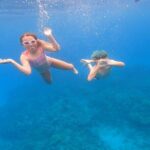
- The water time: jumping in, floating, and watching mantas roll by
- For first-timers, this is how you set yourself up
- Stop 2 and 3: Kona and the wider Big Island cruise vibe
- What you get back onboard: hot cocoa, tea, snacks, and stargazing
- Crew quality is the real differentiator
- Gear, flotation, and wetsuits: what to wear and what to rent
- Safety and conditions: you don’t need to be fearless
- The best value in Kona: what you’re paying for
- Who should book this manta ray night snorkel
- Who might want a different plan
- Weather, whales, and what affects the sightings
- Final call: should you book Iruka Hawai‘i’s manta night snorkel?
- FAQ
- How long is the Manta Ray Night Snorkel Tour?
- Where does the tour start?
- Do I get snorkeling gear?
- Is a wetsuit provided?
- Do I need to know how to swim?
- What do the crew use to attract manta rays?
- What happens after snorkeling?
- Are food, drinks, and alcohol allowed?
- Can I take this tour if I get motion sickness?
- Is there a cancellation option if weather is bad?
- What time of year might I see whales?
Key things I’d watch for
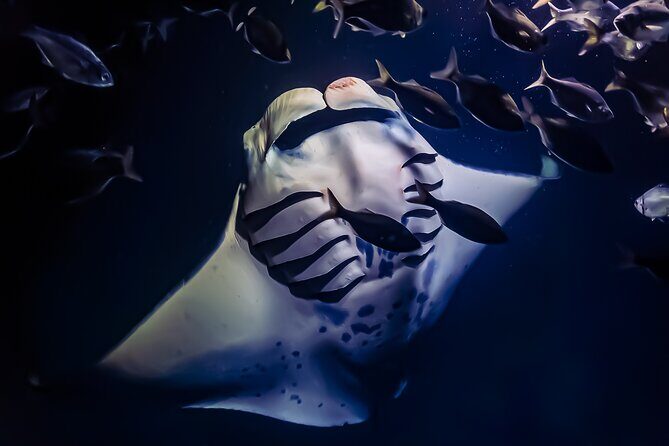
- Manta Ray Heaven access by boat: this is a site you reach only after a cruise from Honokohau Harbor.
- Lights called campfires: submerged lights attract plankton, which draws manta rays to feed.
- 45 minutes in the water: enough time for real sightings, but not a long snorkel session.
- Group max of about 30: big enough for a lively vibe, small enough that guides can still manage everyone.
- Wetsuit rentals for the chilly water: available if you want extra warmth during the float.
Kona night snorkeling, but with manta rays
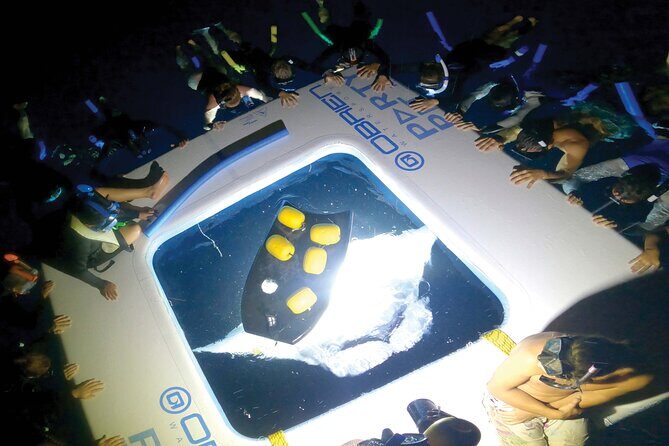
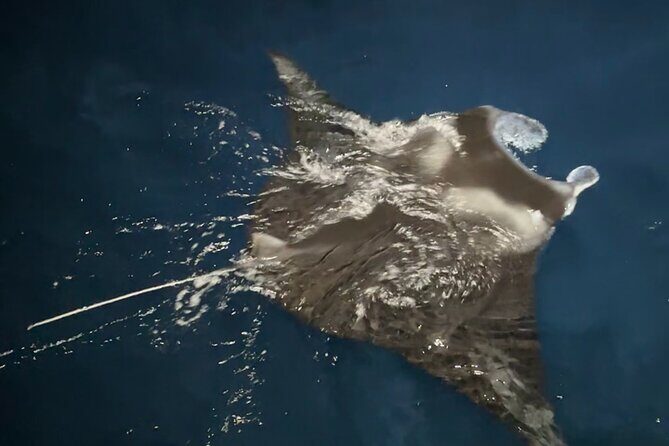
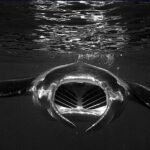
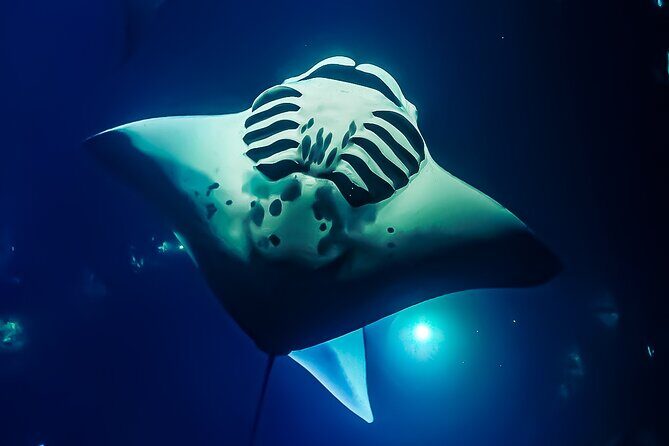
Daytime snorkeling in Hawaii is fun. Night snorkeling with manta rays is a different story. The whole point here is the feeding behavior: lights draw plankton in, and manta rays show up to feed around those illuminated areas.
What makes this experience click for most people is the combination of calm water time and guided support. You’re not left to figure things out on your own at a dark site. Guides help you get comfortable, then you settle into a lighted float and watch the mantas glide by.
Other Manta Ray night snorkel tours in Big Island of Hawaii
Meeting up at Iruka Hawai‘i and finding the ride fast
The tour starts at Iruka Hawai‘i Dolphin and Manta Tours at 74-380 Kealakehe Pkwy in Kailua-Kona. This is one of those details that matters more than it sounds, because an easy meeting point turns a good day into a smooth evening.
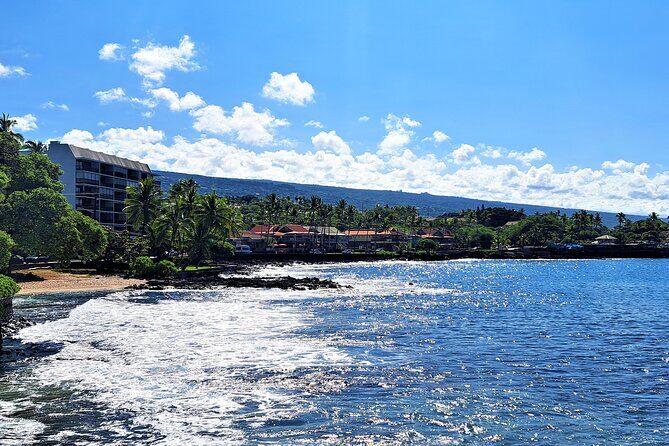
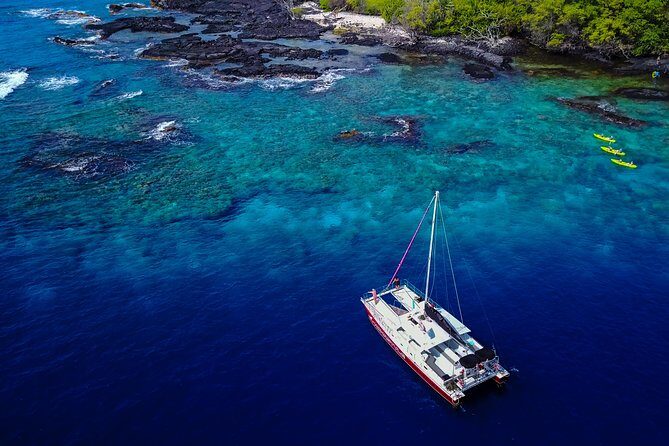
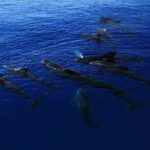
You’ll board their speedboat, the KIBOU. The boat ride is part of the experience: you cruise the Kona coast, and there’s a good chance you’ll spot other wildlife along the way, including whales from November to March.
Cruise to the manta site: Honokohau Harbor to Garden Eel Cove area
You depart from Honokohau Harbor and head out toward the manta ray area. Your route includes a stop in the vicinity of Garden Eel Cove / Manta Heaven, then continues along the Kona coast as you reposition to find the best conditions.
This matters because manta sightings are wildlife sightings, not a theme-park guarantee. Conditions change, mantas move. The crew’s job is to get you to the right place at the right time without rushing anyone.
Stop 1: Garden Eel Cove / Manta Heaven and the boat-only advantage
Manta Heaven is the main target. You reach it by boat, which is the practical reason this tour can do what shore-based snorkeling cannot.
Even if you know the basics about manta rays, the boat-only access is what sets the stage for close encounters. You’re not trying to spot them from far offshore. You’re placed near the action and supported by lights designed to attract plankton.
The campfires concept: why the water glows at night
The tour uses submerged lights described as campfires. These lights attract plankton, and plankton draws in manta rays to feed.
You’ll likely notice a key shift the moment you enter the water. It stops feeling like you’re just snorkeling, and starts feeling like you’re watching animals use a natural food cue. The mantas aren’t being pulled like a show. They’re coming to feed because the water becomes a buffet zone.
Other evening experiences in Big Island of Hawaii
The water time: jumping in, floating, and watching mantas roll by
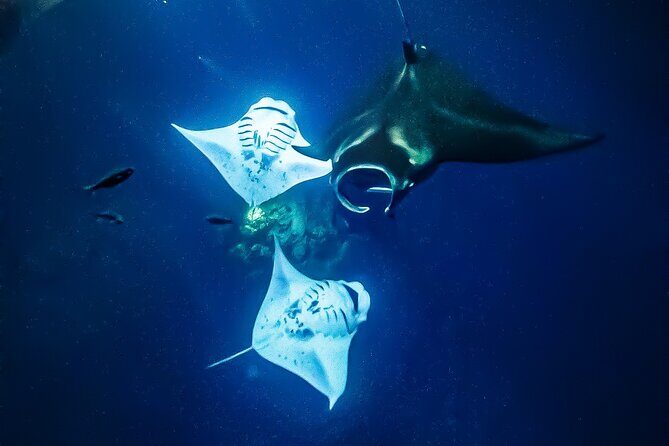
The in-water portion is about 45 minutes. That’s enough time for multiple passes and good viewing, but it’s not a two-hour endurance test. It’s also realistic for a night activity, where keeping people safe and warm is the priority.
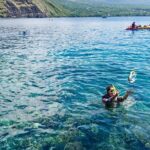
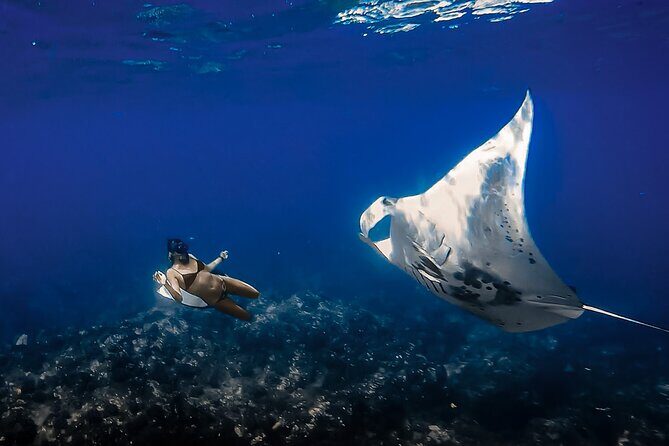
Here’s the practical reality: you jump into the water from the boat and swim out to the lighted platform. That’s why the tour works best when you’re comfortable in the ocean. If you’re a confident swimmer, the whole thing feels more playful than stressful.
For first-timers, this is how you set yourself up
The guides provide tips for people who are new to snorkeling. I’d treat those tips as your main homework. Listen early, practice calm breathing, and don’t fight the current if there is one.
Also, float time is cold time. Even if Hawaii sounds warm, a night float can drop your body temperature fast. Wetsuit rentals are available ($10 for adults, $5 for children), and many people recommend using them.
Stop 2 and 3: Kona and the wider Big Island cruise vibe
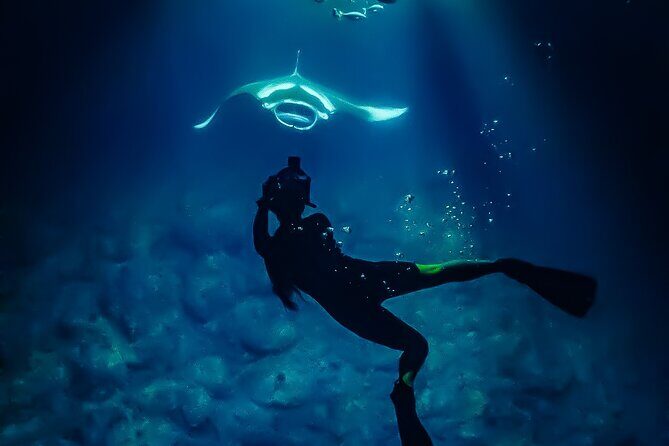
After your manta time, the tour continues the evening with cruising and returning toward Kona. Your itinerary references stops that keep the route tied to the Kona coast and the Big Island of Hawaii, which is really tour-speak for a scenic ride plus wildlife searching.
This is also where the “it’s an evening, not just an activity” part shows up. You’re not done the second you exit the water. You’re brought back under the stars with something warm to drink and snacks.
What you get back onboard: hot cocoa, tea, snacks, and stargazing
After your water time, you’ll enjoy hot cocoa, tea, and snacks as you cruise back under the stars. That’s a simple but smart touch, because it helps you warm up after floating in the ocean.
You’ll also get free GoPro photos from the crew. Some groups reported receiving the media through an air-drop style handoff at the end, which is a nice way to get files quickly without a complicated process.
Crew quality is the real differentiator
This tour lives or dies by the crew. In the best moments, you feel like you’re in safe hands and the night stays fun.
Names that show up again and again include Trevor, Diego, Eric, Maddie, Nick, Mitch, Tamae, Tracy, Mattie, and Captain Ms. Tami (noted as the boat captain in one experience). The pattern across accounts is consistent: the crew is friendly, funny, and focused on safety, then turns the rest of the time into a show of manta-viewing tips and ocean respect.
One standout theme is how much the guides pay attention to animal behavior. This matters to your experience because it keeps everything calm in the water and helps you enjoy the mantas as wildlife, not as a prop.
Gear, flotation, and wetsuits: what to wear and what to rent
Snorkeling equipment is provided, including mask and snorkel. Flotation devices are also used so you can rest and watch the mantas from a comfortable position.
Even with provided gear, you should plan for comfort. If you tend to get cold, rent a wetsuit. Multiple people called out how the water gets chilly while you’re floating for a long stretch.
If you need prescription goggles, one group reported that the crew had them available. That’s not stated as a universal guarantee, so if this applies to you, I’d contact the operator in advance and ask what can be accommodated.
Safety and conditions: you don’t need to be fearless
The tour is described as calm and beginner-friendly, and lifeguard-certified guides help support all ages. But beginner-friendly does not mean you can be unprepared.
The key requirement is swimming comfort. You’ll be in open water after jumping from the boat, then heading to the platform. If you can’t swim well, this tour will feel stressful.
Motion sickness is another real-world consideration. If you’re prone to motion sickness, you’re advised to take medication about an hour before departure. That single step can turn the ride from miserable to manageable.
The best value in Kona: what you’re paying for
At $125 per person for about two hours, the value comes from several things bundled together:
- Boat transport on a speedboat out of Honokohau Harbor
- Snorkeling equipment provided
- Crew-captured GoPro photos
- A structured night experience with guided safety and in-water support
- Hot cocoa, tea, and snacks after snorkeling
If you tried to piece this together yourself, the cost would almost certainly climb. The tour also stays cost-effective because it’s a group format, and private manta ray charters are available for people who want a quieter, more exclusive setup.
Who should book this manta ray night snorkel
This tour is a great fit if you want a memorable, family-friendly wildlife experience that feels guided and safe. Many people take kids as young as 5, and the guides work to help children feel comfortable in the water.
It’s also a strong choice for couples and solo travelers who want something more “once in a lifetime” than the usual Kona checklist. The night setting and the lighted manta-feeding scene are hard to match.
Who might want a different plan
Skip this (or ask lots of questions first) if you cannot swim comfortably. Also reconsider if you’re strongly sensitive to cold water, unless you plan to rent a wetsuit. And if motion sickness can hit you hard, make that medication plan early.
Weather, whales, and what affects the sightings
This tour is weather-dependent, because ocean conditions affect both safety and how long you can comfortably be in the water. If seas are rough, the tour may not run as planned, and schedules can change.
On the plus side, the cruise gives you other wildlife chances. Look for whales from November to March. Even when manta sightings vary, the night cruise can still feel like a real Big Island evening.
Final call: should you book Iruka Hawai‘i’s manta night snorkel?
If you want one of the most unique Kona evenings—manta rays under lights, guided snorkeling, and a warm return onboard—this is a book-worthy tour. The pricing is fair for what you’re getting: equipment, crew support, and free GoPro photos, plus snacks and a real night experience.
I’d book it if you can swim, you’re okay with jumping in from the boat, and you’re willing to dress for chilly water with a wetsuit rental. I’d also book it if you love seeing animals behave naturally, guided by people who stay focused on safety.
If you want a no-swim, shore-view version, or you know you’re going to struggle with dark water and motion, you may be happier picking a different style of activity. But for the right swimmer, this is one of those Big Island nights you remember for years.
FAQ
How long is the Manta Ray Night Snorkel Tour?
It runs about 2 hours total. You’ll spend around 45 minutes in the water.
Where does the tour start?
The meeting point is Iruka Hawai‘i Dolphin and Manta Tours at 74-380 Kealakehe Pkwy, Kailua-Kona, HI 96740. The tour ends back at the meeting point.
Do I get snorkeling gear?
Yes. Snorkeling equipment is included.
Is a wetsuit provided?
Wetsuits are not included, but they can be rented ($10 for adults, $5 for children).
Do I need to know how to swim?
You need to be able to swim. You jump into the water from the boat and swim out to the lighted platform.
What do the crew use to attract manta rays?
They use submerged lights described as campfires. The lights attract plankton, which brings manta rays to feed.
What happens after snorkeling?
After about 45 minutes in the water, you’ll cruise back under the stars with hot cocoa, tea, and snacks.
Are food, drinks, and alcohol allowed?
You’re welcome to bring food and drinks. Alcohol is allowed after snorkeling, with no glass bottles.
Can I take this tour if I get motion sickness?
If you’re prone to motion sickness, take medication about an hour before departure. The ride is part of the experience, and some people are affected.
Is there a cancellation option if weather is bad?
Yes. This tour requires good weather. If it’s canceled due to poor weather, you’ll be offered a different date or a full refund. You can also cancel up to 24 hours in advance for a full refund.
What time of year might I see whales?
Whales are mentioned from November to March.