REVIEW · BIG ISLAND OF HAWAII
Manta Ray Night Snorkel from Kona — Small Group
Book on Viator →Operated by C Big Island Tours · Bookable on Viator
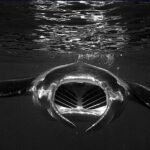
Manta rays at night feel unreal. This small-group snorkel off Kona’s coast runs from sunset into moonlight, using underwater lights to draw in plankton—so the mantas cruise right beneath you. I love the small-group vibe (max 16) and the calm, organized way the crew gets you set up, plus the chance to see mantas loop around with wingspans up to about 20 feet (6 meters).
Two big pluses for me: the in-water guidance and the relaxed pace. Guides like Mark, Tori/Torri, and Ryan (with captains such as Chris and Kris) focus on safety, help you get comfortable, and keep things moving without rushing. One possible drawback: this is night snorkeling, and it is not for everyone—there’s a strict weight limit (265 lbs) and some physical limits apply, since entry and exit from the boat matter.
In This Review
- Key Things I’d Block Time For
- Kona Starts at Honokohau Harbor, Not the Beach
- What the Crew Provides (and What You Still Must Bring)
- Safety Briefing First, Then You’re Snorkeling at Night
- The Boat Time That Sets Up Your Manta Moment
- Garden Eel Cove / Manta Heaven: Where the Lights Do the Work
- How Much Manta Time Do You Really Get?
- Value: Is $123 Worth It in Kona?
- Who Should Book, and Who Should Plan Another Option
- Smart Tips for First-Timers in the Dark
- Should You Book This Manta Ray Night Snorkel from Kona?
- FAQ
- Where does the tour start?
- How early should I arrive?
- How long is the tour?
- What’s included in the price?
- Do I need to bring a towel or warm clothes?
- Should I wear a swimsuit?
- Is manta ray sightings guaranteed?
- What is the weight limit?
- Are kids allowed?
- Can I get a full refund if I cancel?
Key Things I’d Block Time For
- Small group, max 16: quicker setup and more attention in the water
- Wetsuit + snorkel gear + flotation: you’re not hunting for equipment in Kona
- Guaranteed manta sightings or free return: they’ll get you back out if you miss
- Sunset-to-moonlight timing: lights + plankton = active feeding time
- Guides in the water: help with positioning, confidence, and safety
- Cold ride back: bring a towel and warm layers you can throw on fast
Kona Starts at Honokohau Harbor, Not the Beach
This tour focuses on the water just outside Honokohau Harbor, which is a smart choice for a night activity. You’re not dealing with long walks on uneven ground or a crowded shoreline. Instead, you meet at the start point (74 Kealakehe Pkwy, Kailua-Kona), get lined up, then you’re off for the water time once the team has everyone fitted.
One practical detail that makes a difference: you should arrive at least 15 minutes early. The exact water-location directions get sent 24 hours before (so you’re not stuck guessing where to go the day of). Also, it’s English-speaking and uses a mobile ticket, which helps if you’re juggling multiple activities on the Big Island.
Other Manta Ray night snorkel tours in Big Island of Hawaii
What the Crew Provides (and What You Still Must Bring)
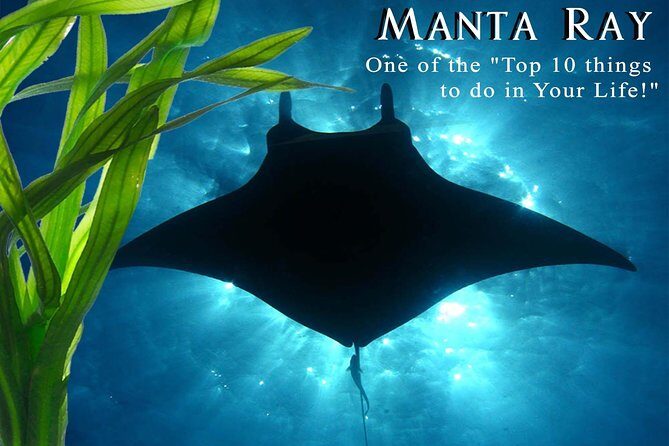
For me, the biggest “value” here is that the gear is handled. You get wet suits, snorkel gear, and flotation devices, plus light snacks and refreshments such as bottled water, soda, and island juices. That means you’re not spending extra time or money renting equipment, and you can focus on the actual experience.
Here’s what you still need to plan:
- Wear a swimsuit before you arrive.
- Bring a towel.
- Bring warm clothes to throw on afterward. It can get chilly on the ride back, especially once the sun drops and you’re no longer in the water.
You can also bring camera gear if you want, but remember it’s night and you’re in saltwater. One review mentioned a GoPro setup help under the platform, so it’s worth asking if you’re bringing anything hands-on.
Safety Briefing First, Then You’re Snorkeling at Night
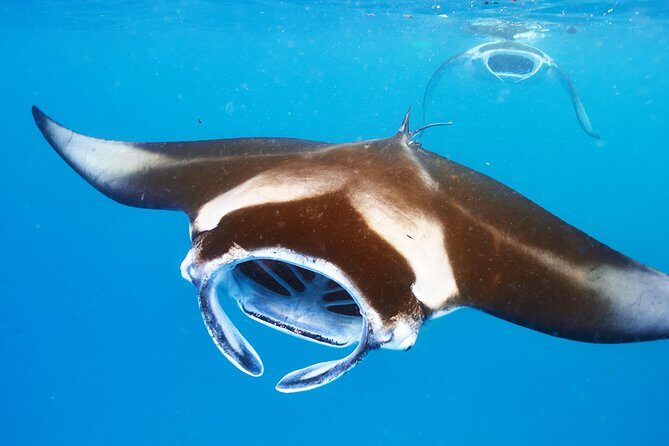
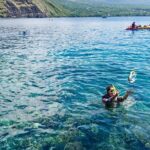
The tour starts with a safety briefing, then the team helps you put on the wetsuit and snorkeling gear. After that, you follow your instructor into the water. This matters because night snorkeling changes everything: visibility drops, your senses feel sharper, and you tend to move slower than you would in daylight.
From what I saw in the pattern of guidance described by other guests, the crew keeps the vibe supportive. Guides such as Gary and Leio are described as calm and attentive, and captains like Chris and Kris are repeatedly credited for safety-first leadership. In real situations—like seasickness or someone nervous about entering the water—the team’s job is to keep things steady and get everyone sorted without making it a big production.
The Boat Time That Sets Up Your Manta Moment
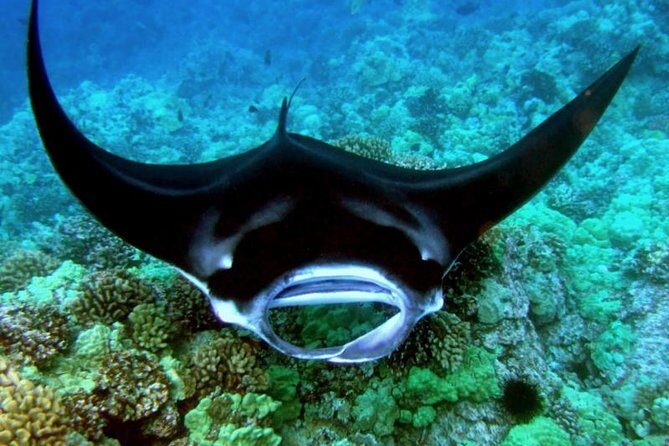
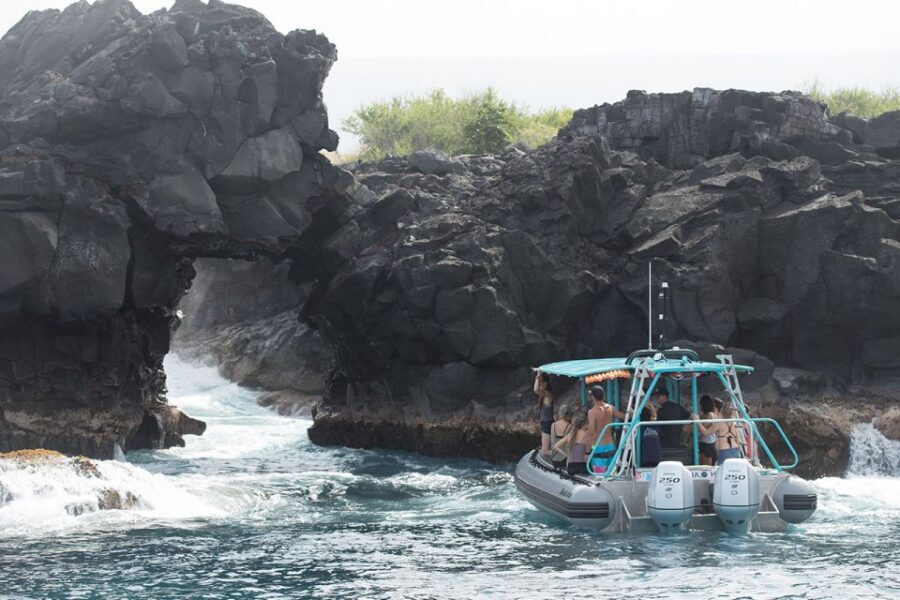
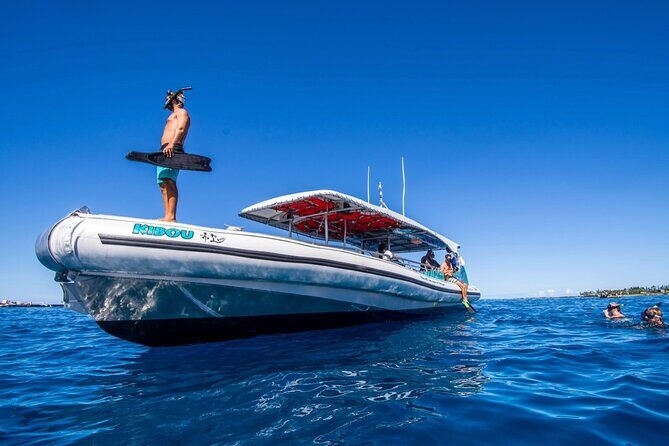
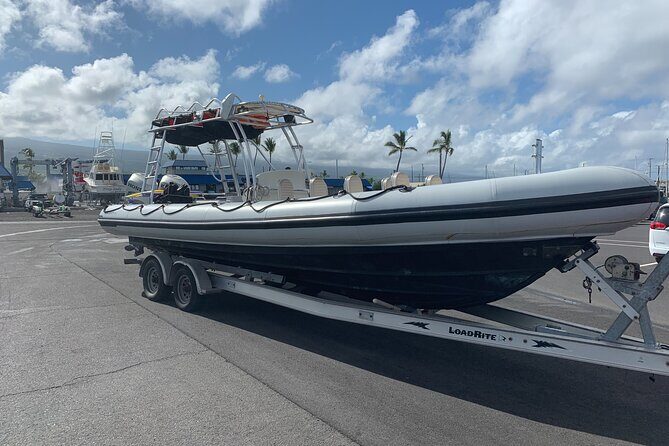
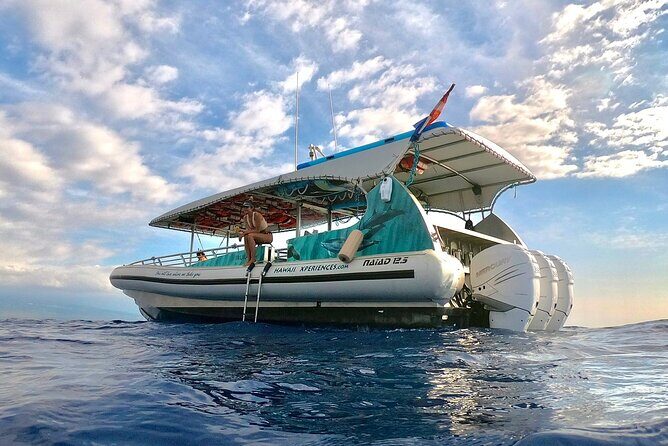
The water side of the experience is the headline, but the ride has its own payoff. Reviews mention the group traveling by small boat and reaching the snorkel zone efficiently. One reason this small operation gets good marks is that they’re not trying to run ten different groups through the same stop at once.
A useful clue about how they work: multiple reviews describe the company as running one trip a night, which can mean more flexibility to wait for the plankton-feeding pattern to kick in. When you’re chasing animals that follow the food chain, timing matters more than rigid schedules.
Garden Eel Cove / Manta Heaven: Where the Lights Do the Work
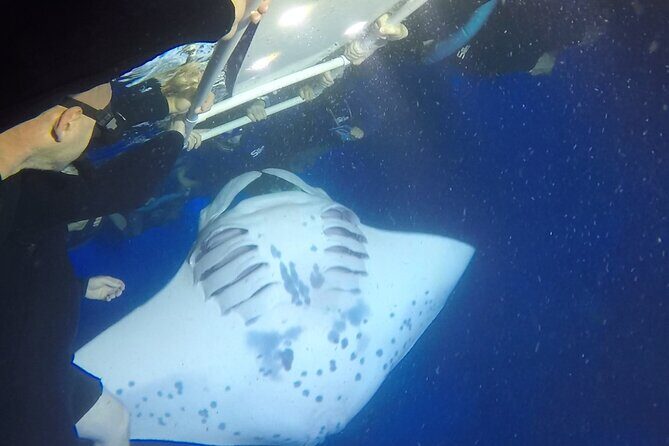
Your main water time centers on Garden Eel Cove / Manta Heaven. The itinerary lists this area more than once, which tells you to expect more than a quick pass. Practically, it’s the kind of spot where the whole plan revolves around the feeding behavior created by underwater lights.
Here’s what you’re looking for once you’re set at the surface:
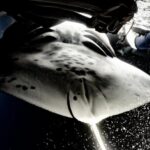
- Mantas swimming in loops around you
- Up-close passes where they feel almost close enough to touch
- Feeding behavior tied to plankton drawn toward the lights
The “vegetarian” part of the story is real in the sense that they’re eating plankton, not hunting you. That’s why the interaction feels so graceful instead of aggressive. Some reviews describe mantas barrel-rolling right under the group, and others mention sustained feeding moments lasting long enough to feel like you’re not just spotting and leaving.
If you’re wondering what else you might see: one review mentioned side-scrolling dolphins and even sharks in the same general outing, but you shouldn’t count on extras. The focus is mantas, and that’s where the team puts its effort.
Other evening experiences in Big Island of Hawaii
How Much Manta Time Do You Really Get?
This is a 2-hour outing on average, and it’s paced around the time the mantas show up and stay active. One review described five mantas feeding for at least 45 minutes with light attraction doing most of the work. Other reports mention multiple mantas arriving and sticking around while the group watches from above.
What I like about the way this is set up is that “short trip” doesn’t automatically mean “rushed experience.” In the best cases, the crew keeps you in the zone long enough for repeated passes—so you get that sense of being in the manta loop rather than waiting for a single sighting.
Also, you’re not just on your own. The team is described as staying attentive—helping people adjust flotation, settle into the water, and calm down if something feels off in the dark.
Value: Is $123 Worth It in Kona?
At $123 per person for about two hours, you’re paying for more than a boat ride. You’re paying for:
- Gear you don’t have to bring or rent (wetsuit, snorkel gear, flotation)
- A real instructor-guided setup in the water
- Underwater lights that shape where mantas feed
- A small group limit (16 max), which tends to reduce waiting and confusion
- A guarantee: guaranteed manta ray sightings, or return for free
That last point is the big psychological value. Manta sightings can be nature-dependent, even when you’re in a great zone. Having a complimentary second outing if you miss makes the price feel more like an “experience service” than a lottery ticket.
One more value detail: this tour is booked a fair amount in advance (about 33 days on average). If you’re traveling in a busy season, book early so you’re not stuck with the last departure time.
Who Should Book, and Who Should Plan Another Option
This tour fits best if you:
- Want an up-close manta experience off Kona without big crowds
- Feel comfortable being in the water at night
- Like small-group attention and safety-focused guidance
- Can follow the gear and briefing instructions quickly
It may not fit you if you:
- Fall outside the weight restriction (265 lbs)
- Are pregnant (not permitted)
- Have a child under 5 years (not allowed)
- Need accessibility accommodations that rely on alternative boat entry/exit (the operation is set up with physical entry requirements)
If you’re unsure about your fitness level, treat this as a physical snorkeling activity. Night water adds stress for some people even when they’re capable in daylight. Your best move is to honestly judge how you’ll do getting in and out of the water from a boat and staying steady while floating.
Smart Tips for First-Timers in the Dark
Here are my no-drama tips to make this smoother:
- Use the wetsuit correctly and make sure it’s snug where it matters. You’ll feel warmer and more secure.
- Add layers for after. The warm clothes are not optional if you run cold.
- Expect a slower rhythm. At night, you don’t need to rush—let the mantas come to you.
- Ask for positioning help before you worry about what’s below. A little comfort at the surface can change everything.
- Bring a towel so you’re not stuck dealing with wet hair and chill air right after.
If you’re prone to seasickness, plan ahead with whatever you normally use. One review mentioned staff supporting someone dealing with seasickness and even a panic attack, so you can feel that the crew handles stress—but preventing it in the first place helps.
Should You Book This Manta Ray Night Snorkel from Kona?
I’d book it if manta rays are on your must-do list and you want the “close-up, gentle giant” version with strong safety care. The small-group limit, the gear provided, and the guaranteed sighting or free return make this feel like good odds for your time and money.
I’d skip it or pick a different format if night snorkeling makes you nervous, if you know you can’t comfortably meet the physical entry/exit requirements, or if you fall under the restrictions (pregnancy, weight limit, or the child age minimum). For the right fit, though, this is one of the rare Kona activities where the main event isn’t a view from land—it’s being in the water while manta rays feed below you.
FAQ
Where does the tour start?
The meeting point is 74 Kealakehe Pkwy, Kailua-Kona, HI 96740, USA.
How early should I arrive?
Arrive at least 15 minutes before departure.
How long is the tour?
It’s about 2 hours.
What’s included in the price?
Snacks and refreshments (island juices, soda, bottled water, and light snacks) plus snorkel gear, flotation devices, and wet suits.
Do I need to bring a towel or warm clothes?
Yes. You should bring a towel and warm clothes to throw on after snorkeling.
Should I wear a swimsuit?
Yes. Wear a swimsuit before you go.
Is manta ray sightings guaranteed?
Yes. The highlight is guaranteed manta ray sightings, or you can come back for free.
What is the weight limit?
The weight restriction is 265 lbs.
Are kids allowed?
No children under 5 years old are permitted.
Can I get a full refund if I cancel?
Free cancellation is offered if you cancel up to 24 hours in advance for a full refund.