REVIEW · ISLAND OF HAWAII
Hilo: Sea Turtle Lagoon and Black Sand Beach Snorkel
Book on GetYourGuide →Operated by Hilo Ocean Adventures · Bookable on GetYourGuide
This snorkel tour hits a sweet spot: you get two guided snorkeling stops in Hilo’s volcanic waters without the hassle of figuring it out solo, and you’re out with a small group (8 or fewer). I like that the guides focus on what you’re seeing below the surface, from sea turtles and octopus to reef fish and coral. One heads-up: this is still open-water snorkeling, so it’s not for people who can’t swim unassisted.
The Sea Turtle Lagoon style of snorkeling is the main draw, because brackish bays and lagoon-like areas tend to concentrate marine life close to where you enter. I also love that you’re not just handed gear and sent off—guides teach mask basics for newcomers and stay hands-on for safety and comfort. The possible drawback is that wildlife sightings are never guaranteed, and conditions like wind and surf can affect visibility and how comfortable the snorkeling feels.
If you want a practical, guide-led way to experience Hilo’s underwater world—plus local snacks and drinks—it’s hard to beat the value for the time. Just plan for weather, bring the right gear, and be honest about your swimming comfort.
In This Review
- Key highlights you’ll feel right away
- Sea Turtle Lagoon meets black sand reefs: why this tour works
- What the 3-hour plan looks like in practice
- Stop 1: the sea turtle lagoon style entry (where confidence matters)
- Stop 2: black sand coastline snorkeling (reef variety and wildlife chances)
- Meet the people: guides who actually talk about the ocean
- Price and value: is $150 per person a fair deal?
- Who this tour fits best (and who should skip it)
- What to bring so your day stays comfortable
- Weather, visibility, and how to not get annoyed
- Practical logistics: meeting point, timing, and nerves
- Should you book Hilo Ocean Adventures for this snorkel?
- FAQ
- How long is the snorkel tour?
- Where do I meet for the tour?
- Is hotel pickup included?
- What’s included in the price?
- How many snorkeling stops are there?
- What marine life might you see?
- Do beginners feel comfortable on this tour?
- What age is the tour suitable for?
- Who is this not suitable for?
- What should I bring?
- What if weather affects the tour?
Key highlights you’ll feel right away
- Small-group pace: limited to 8 participants, and some days run as small as two people with a guide
- Two snorkeling stops: you’re not stuck with just one short look at the reef
- Sea turtle lagoon focus: the tour is built around areas known for turtles and reef life
- Real-time interpretation: guides point out what’s happening underwater, not just what’s on a brochure
- Snacks and drinks included: water, juice, and local snacks keep you going for the full 3 hours
- Beginner-friendly support: instruction and on-the-spot help for first-timers in safe conditions
Sea Turtle Lagoon meets black sand reefs: why this tour works
Hilo isn’t known for polished “vacation beach” vibes. It’s known for volcanic coastline. That matters, because volcanic geology tends to create rock shelves, sheltered spots, and complex shoreline habitats—exactly what reef fish, corals, and larger animals use.
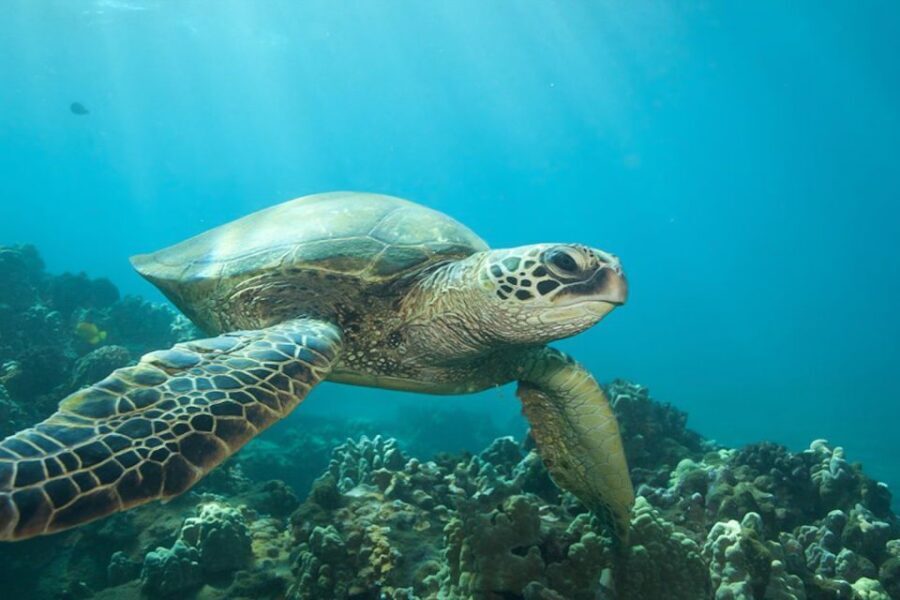
This tour leans hard into that reality. You’re not only chasing animals like green sea turtles; you’re also getting time in areas that support corals and tropical reef fish, plus other impressive critters such as octopus, eagle rays, and eels (when conditions cooperate). The result is a snorkel experience that feels like more than a single moment. You get a longer arc: briefing, getting comfortable, then two separate underwater looks.
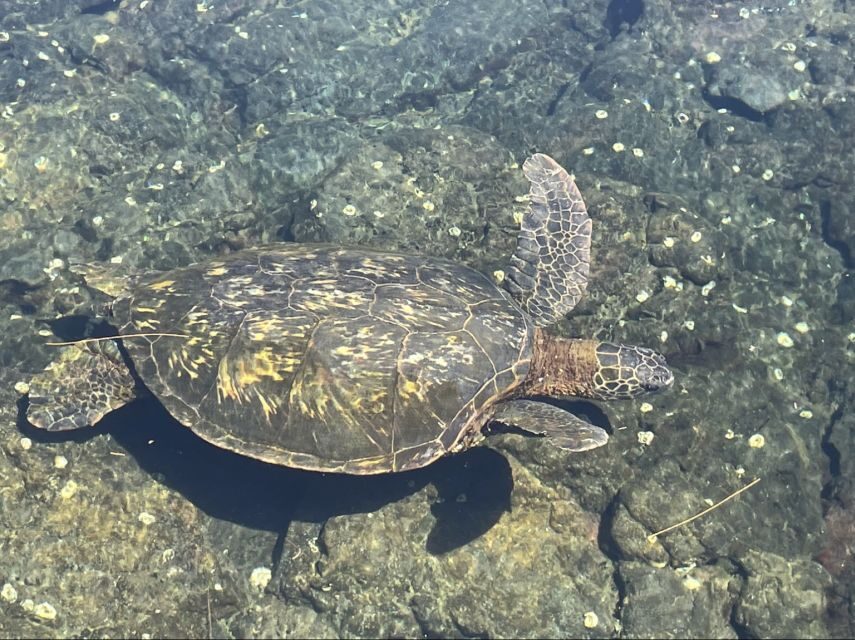
And yes, the famous part is the chance to see sea turtles close up. But what I’d actually count as the “win” here is the mix: turtles plus reef life. When you see a turtle, it’s memorable. When you also see coral gardens and schools of fish around it, you leave with a fuller mental picture of the place.
Other black sand beach tours in Island Of Hawaii

What the 3-hour plan looks like in practice
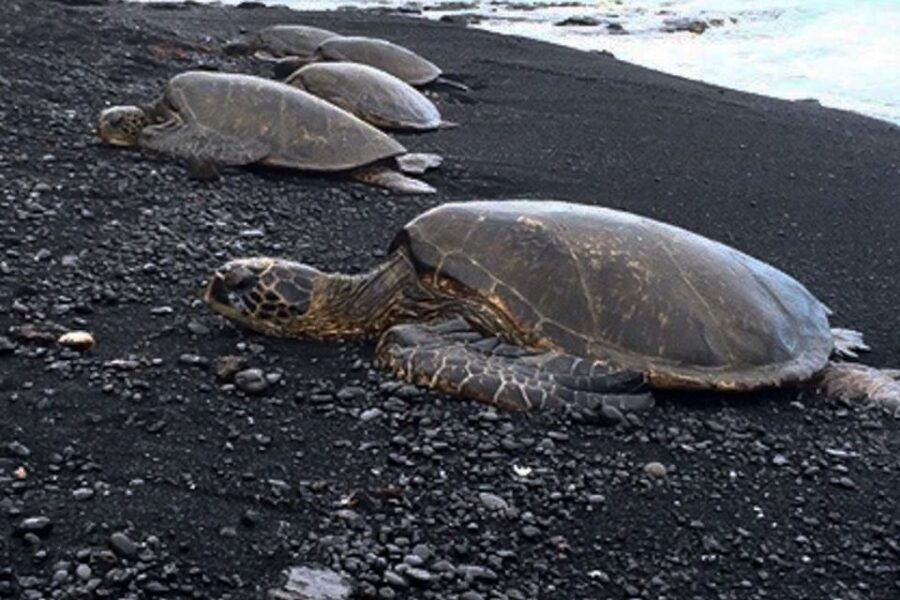
The tour runs about 3 hours, and the rhythm is built for safety and comfort. Even if you’ve snorkeled before, you’ll still likely appreciate the structure: you start with the basics, then move through two guided stops along Hilo’s coastline.
Here’s how to think about the flow:
First, you meet at 1717 Kamehameha Ave, Hilo, HI 96720. Because there’s no hotel pickup, arriving on time is on you. Once you check in, you’ll get geared up with provided snorkeling equipment and get the guide’s rundown of how to use it comfortably.
Then you move into the water for two snorkeling stops. One of those stops is the sea turtle lagoon style of snorkeling—brackish, protected-feeling water where animals often hang around and where many guides like to help people build confidence. The other stop is tied to the black sand beach snorkel side of the experience, where you typically get a different view of the reef and marine life off Hilo’s volcanic shoreline.
Between and around the stops, you’ll also get water, juice, and local snacks, which sounds minor until you realize how quickly 3 hours at the beach adds up. It’s one less thing to worry about during your day on the Big Island’s east side.
Stop 1: the sea turtle lagoon style entry (where confidence matters)
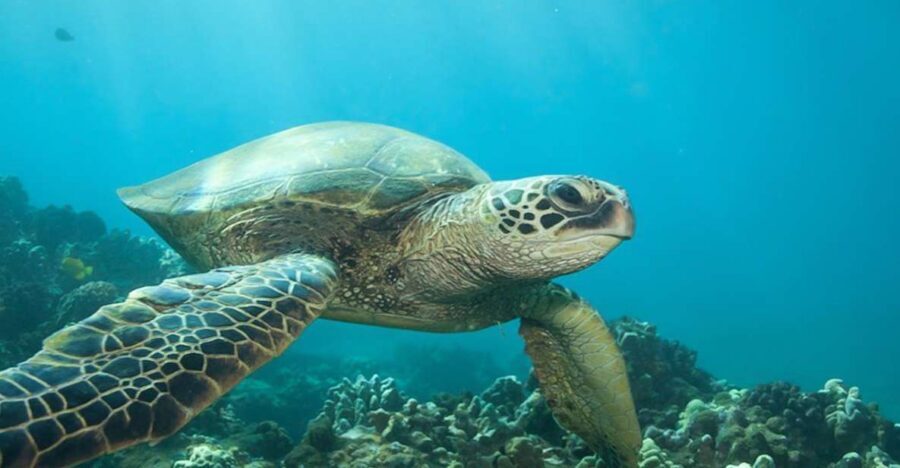
This part is designed for a simple reason: your first minutes in the water make or break the experience. Lagoon-style conditions are often more forgiving than rougher open-water surf, and the tour’s approach reflects that.
You should expect:
- A guided entry and ongoing coaching so you can get your mask fit and breathing down fast
- An emphasis on looking calmly, not rushing around
- Time to search the water column and reef edges for turtles and reef life
The marine-life goal here is obvious from the name: sea turtles. You’re also likely to see plenty of smaller fish and coral features that are interesting even if a turtle doesn’t pop up right away. And if you’re brand new, this is the kind of stop where you can learn the basics without feeling like you’re competing with the ocean.
One more practical point: even when it’s rainy or cloudy, this lagoon-style experience can still work well once you’re in the water. The sky matters less underwater than it does on the shore.
Stop 2: black sand coastline snorkeling (reef variety and wildlife chances)
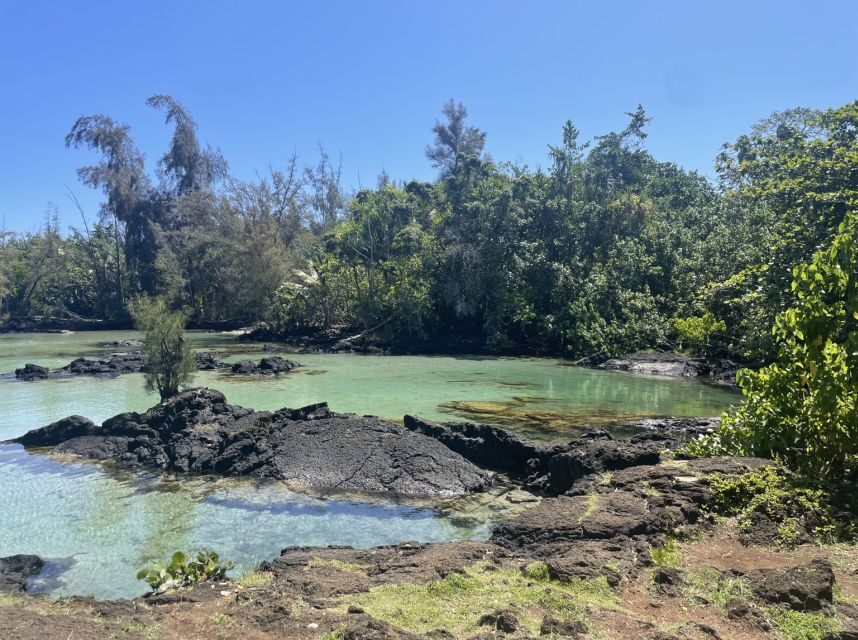
The second stop is where you often get the sense that Hilo is more than turtles. This is the “coral reefs along the coast” portion, which can mean better variety in fish and coral depending on conditions.
From what’s included and what’s described, your second stop is where you’re most likely to connect the dots between volcanic coastline and the underwater habitat. You might see:
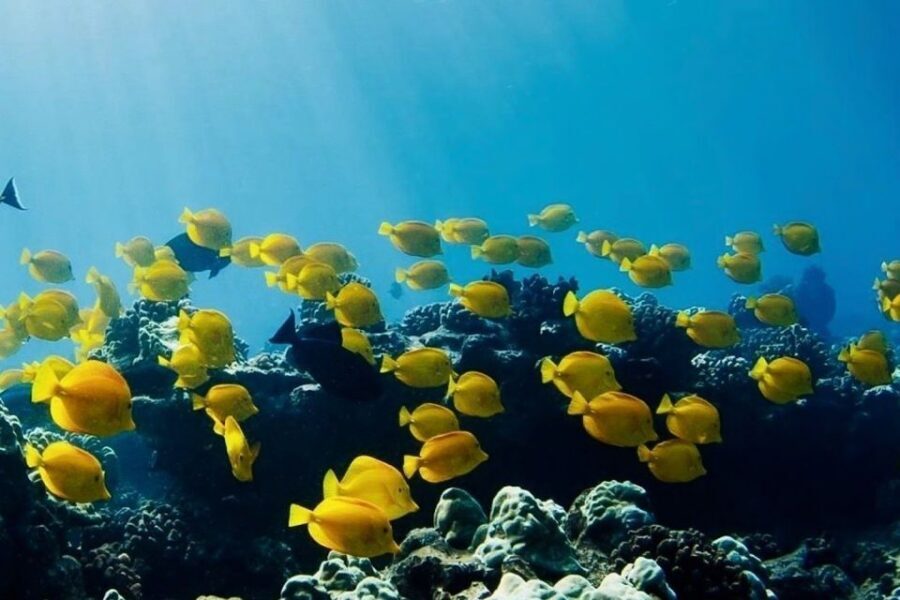
- Corals and tropical reef fish in a more reef-like setting
- Larger animals such as eels or eagle rays, when they’re in the area
- More chances at green sea turtles (again, wild animals set the schedule)
- Other surprises the guide knows how to spot
This is also the stop that can be more affected by wind, swell, and shoreline chop. One of the more important “considerations” you should factor in is that on shore-windy days, surf and visibility can be less ideal in certain spots. That doesn’t mean the tour is pointless—it means you’ll enjoy it most if you’re flexible, you follow the guide’s cues, and you keep your expectations grounded.
Meet the people: guides who actually talk about the ocean
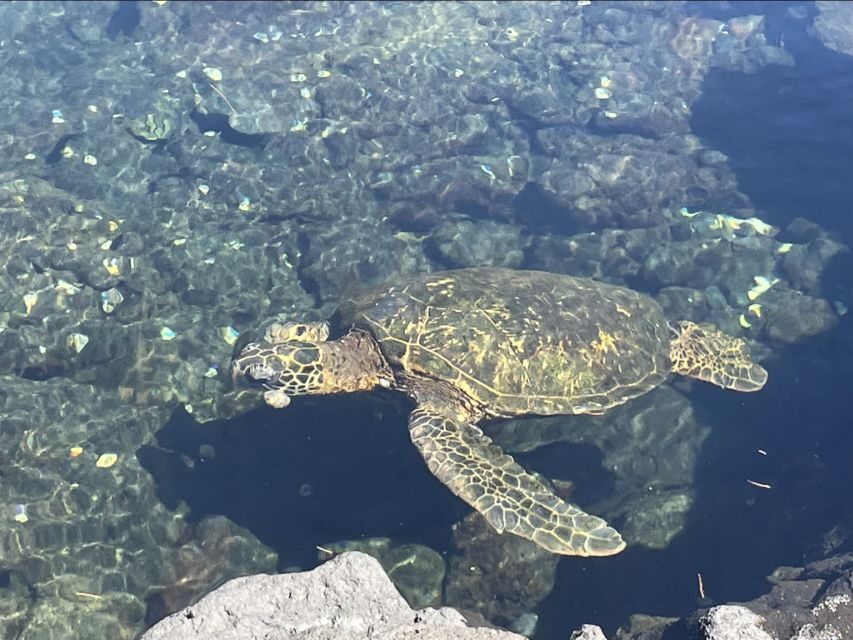
A snorkel trip without a good guide is basically equipment plus luck. This one is set up to avoid that problem.
The guides are trained snorkel leaders who narrate what you’re seeing and teach the basics. And they’re not all the same personality type—what matters is that they adjust to the group. In past departures, guides have included people like Emma and Isaiah, and there have also been guides such as Kai, Chris, Dylan, Julia, Adam, Dustin, Morgan, and Leah. The common thread is that you’re not left guessing.
Here are the guide qualities that tend to make the tour feel worth the money:
- They help you use the snorkel and mask properly early, so you don’t spend the whole time frustrated
- They keep you aware of where you should be looking and where you shouldn’t be
- They point out marine life and underwater features instead of letting you just drift
- They stay patient and supportive, especially for beginners and nervous snorkelers
If you’re trying snorkeling for the first time, this kind of coaching is huge. If you’ve snorkeled before, it’s still valuable because learning what to look for changes how you experience the water.



Price and value: is $150 per person a fair deal?
At $150 per person for about 3 hours, you’re paying for a few things that add up fast:
- A guide who manages safety and helps you actually see marine life
- Snorkeling gear (so you don’t have to rent or buy everything)
- Two snorkeling stops, not one quick look
- Water, juice, and local snacks
- A small stewardship fee included in the total
Where the value really lands is in the “guided time” piece. A do-it-yourself snorkel can cost less up front, but the cost comes later in mistakes—poor mask fit, too much surface time, wrong conditions, or missing the marine-life hotspots the guide understands. With a guide here, you’re buying informed searching and safer pacing.
That said, whether you feel the price is worth it depends on your main goal. If your entire plan is sea turtles only, wild animals can be frustrating on a given day. If your goal is reef life plus the chance at turtles, then the pricing feels more justified, because even without turtles you still get a guided look at coral and fish.
Who this tour fits best (and who should skip it)
This is a good match if:
- You can swim and are comfortable in open ocean conditions unassisted
- You want a small-group guided snorkeling experience with interpretation
- You’re curious about Hawaiian marine life and want someone to help you spot it
- You’re traveling with beginners or you yourself are building confidence
It’s not a match if:
- You can’t swim unassisted (non-swimmers are listed as not suitable)
- You have back problems that could be aggravated by getting in and out of the water
- You’re pregnant (listed as not suitable)
- Your child is under 8 years (listed as not suitable)
If you’re on the edge—like a child close to the minimum age or someone with mobility limits—don’t guess. Ask directly what the guide can accommodate. Past trips have shown guides can be patient and helpful with people who need extra support getting in and out, but you’ll want clarity before you commit.
What to bring so your day stays comfortable
The tour gives you snorkeling gear, but you still need your basics. Bring:
- Swimwear
- Sunscreen
- Sunglasses
- Rain gear
Then, based on what many snorkelers find helpful in the real world:
- A towel (you can dry off after snorkeling)
- Water shoes (especially handy on volcanic shoreline areas)
Also, think about comfort timing. You’ll be in and out of the water across two stops, and you’ll want to be able to change and dry without turning it into a production.
Weather, visibility, and how to not get annoyed
East Hawaii weather can change fast. The good news is that rain or clouds often don’t ruin the underwater experience once you’re in the water. Several experiences have still been great even on cloudy, rainy days.
The “not fun” scenario is wind and surf that churn the shoreline or reduce visibility. In those cases, the guide may adjust what’s comfortable and what’s safe. What helps you enjoy the tour anyway is simple:
- Listen to the guide about conditions
- Don’t fight the water; let the guide pick the best moments
- Keep expectations flexible—animals don’t follow a schedule
Practical logistics: meeting point, timing, and nerves
No hotel pickup means you should plan to be on time at 1717 Kamehameha Ave. If you’re arriving from a cruise or another part of Hilo, that’s still manageable, but it does mean you’ll want a little buffer.
One small practical tip: the meeting point can be clearer if you confirm where to check in upon arrival. The address is useful, but if you’re the type who hates hunting around in the rain, it’s smart to double-check what to look for when you get there.
If you’re anxious about snorkeling, that’s normal. Many guides are used to calming nerves fast—especially when they get the group set up properly before moving into more open water.
Should you book Hilo Ocean Adventures for this snorkel?
Book it if your “must-do” is guided snorkeling on the Hilo coast with a serious chance to see turtles and a real look at coral and fish. It’s also a strong choice for first-timers because the guide support and instruction are built into how the tour runs, and you’re not doing this alone.
Skip it or reconsider if:
- You need something that’s appropriate for non-swimmers, people with back problems, or pregnancy (the tour lists those as not suitable)
- Your whole plan is turtles only and you’d be disappointed if you miss them
- You’re unlikely to handle changing surf and wind well
If you’re a capable swimmer who can follow directions in the moment, this tour is one of those “worth the effort” experiences. You’ll spend your time where the marine life is likely to be, not where you accidentally guessed it should be.
FAQ
How long is the snorkel tour?
It runs for about 3 hours.
Where do I meet for the tour?
You meet at 1717 Kamehameha Ave, Hilo, HI 96720, USA.
Is hotel pickup included?
No. Hotel pickup and drop-off are not included.
What’s included in the price?
A snorkel guide, snorkeling gear, water, juice, local snacks, and the Aloha i ke Kai Ocean Stewardship Fee ($1).
How many snorkeling stops are there?
You make 2 snorkeling stops during the tour.
What marine life might you see?
The tour description includes sea turtles and coral reef life, and it also notes octopus, eagle rays, eels, and tropical reef fish. Spinner dolphins are listed as a highlight.
Do beginners feel comfortable on this tour?
Yes. The guides teach snorkeling basics and stay with you step by step, and the tour notes that newcomers are welcome.
What age is the tour suitable for?
Children under 8 are listed as not suitable.
Who is this not suitable for?
It is listed as not suitable for pregnant women, people with back problems, and non-swimmers.
What should I bring?
Bring swimwear, sunscreen, sunglasses, and rain gear. It can also help to bring a towel and water shoes.
What if weather affects the tour?
You get a full refund if the operator cancels due to weather or other unforeseen circumstances. Cancellation is also eligible for a full refund if you cancel up to 24 hours in advance.