REVIEW · ISLAND OF HAWAII
Kailua-Kona: Whale Watching Cruise on the Big Island
Book on GetYourGuide →Operated by Hang Loose Boat Tours · Bookable on GetYourGuide
Whale songs off Kona are unreal. I love that this hydrophone setup lets you hear humpback whales singing under the water, not just spotting them. I also like the chance to watch mothers and calves swim together, even if how close you get can be a bit of a coin flip.
You’re on a 2.5-hour cruise out of Honokohau Harbor while an English-speaking crew tracks whale activity on the water. Snacks and drinks are included, so the trip feels easy from start to finish.
This is a straightforward, no-fuss outing for people who want real wildlife time on the Big Island. It does involve boat motion, so plan your comfort before you go.
In This Review
- Key things that make this cruise worth your time
- Honokohau Harbor check-in: getting to the right side of Kona
- Why the hydrophone turns whale watching into something else
- What you might actually see: breaches, calves, and the season’s drama
- The 150-minute flow: how the cruise stays productive on the water
- Boat comfort, snacks, and crew energy that matter more than you think
- What to bring for Kona weather and boat motion
- Price and value: what $115 buys you on the Big Island
- Who should book, and who should skip it
- Should you book this Kailua-Kona whale watching cruise?
- FAQ
- How long is the Kailua-Kona whale watching cruise?
- What’s included with the ticket?
- Where do I meet the crew?
- Is hotel pick-up and drop-off included?
- What should I bring for the tour?
- Can I cancel and get a refund?
- What happens if whales are not spotted on my tour?
- Who should avoid this activity?
Key things that make this cruise worth your time
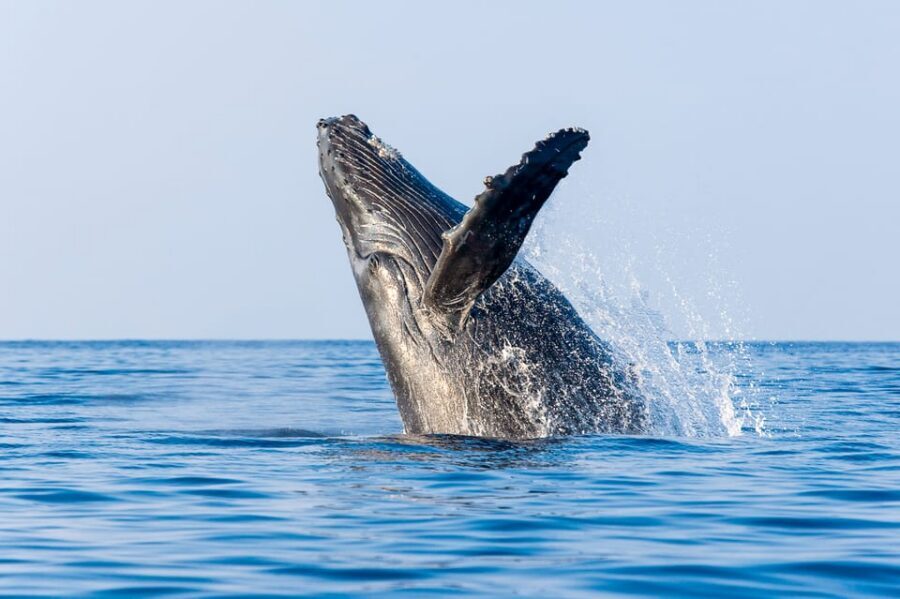
- Hydrophone whale songs: You can listen to humpbacks sing through underwater speakers.
- Mother-and-calf moments: The best sightings focus on mothers and calves staying close.
- Male humpback energy: You may spot competitive behavior during the mating season.
- Crew focus on positioning: The boat makes multiple passes to line up with sightings.
- Snacks and drinks included: Chips, granola bars, fruit snacks, plus water, juice, and ginger ale.
- Free return cruise if no whales: If humpbacks aren’t spotted, you get another cruise free.
Honokohau Harbor check-in: getting to the right side of Kona
This cruise leaves from Honokohau Harbor on the north side of Kona. It’s close enough to Kona Airport to work even if you’re not staying far out, and the meeting point is clearly set up for self-guided arrivals.
Here’s the route approach: turn into Honokohau Harbor and make your first right. Follow the road as it veers left until it ends at a large parking lot. Then drive left toward the boat ramp, and meet your crew member by the pavilion next to the public restrooms.
Two practical tips help a lot. Go a little early so you’re not rushing with sunscreen on. And if you’re prone to getting carsick, plan your seat and prep your medicine before you reach the harbor.
Other whale watching tours in Island Of Hawaii
Why the hydrophone turns whale watching into something else
Most whale trips are all about what you can see. This one adds what you can hear, using a hydrophone speaker so humpback songs come through during the cruise.
That matters because humpback whale behavior is layered. You might spot a breach from the surface, but the singing is happening underwater, where your ears would normally get nothing. With the hydrophone, you’re not just chasing moments—you’re experiencing part of whale communication in real time.
The tour is also built around the fact that Hawaii is special for humpbacks. It’s the only U.S. state where humpbacks mate, calve, and nurse their young. Warm water, good underwater visibility, a range of ocean depths, and fewer natural predators help make Hawaii a reliable stop for these whales.
What you might actually see: breaches, calves, and the season’s drama
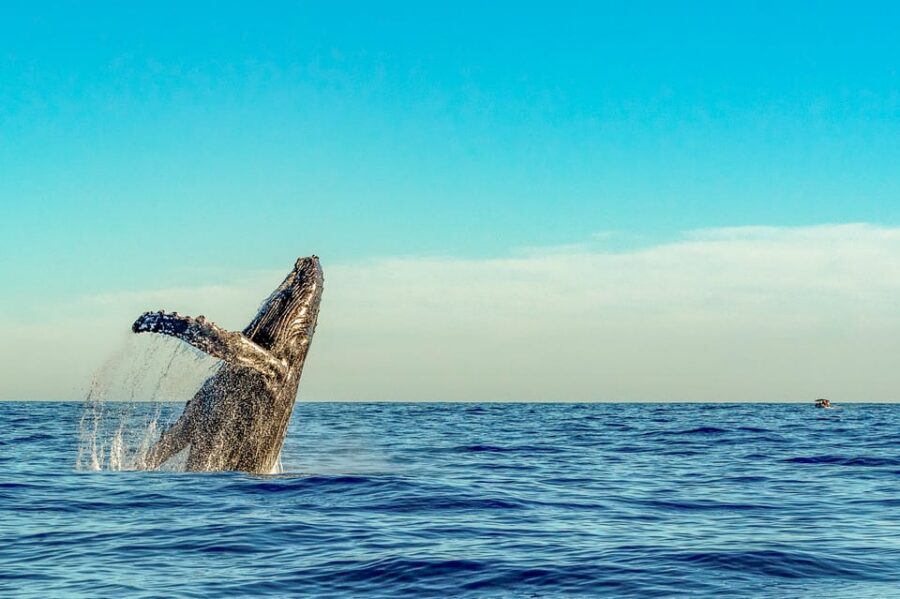
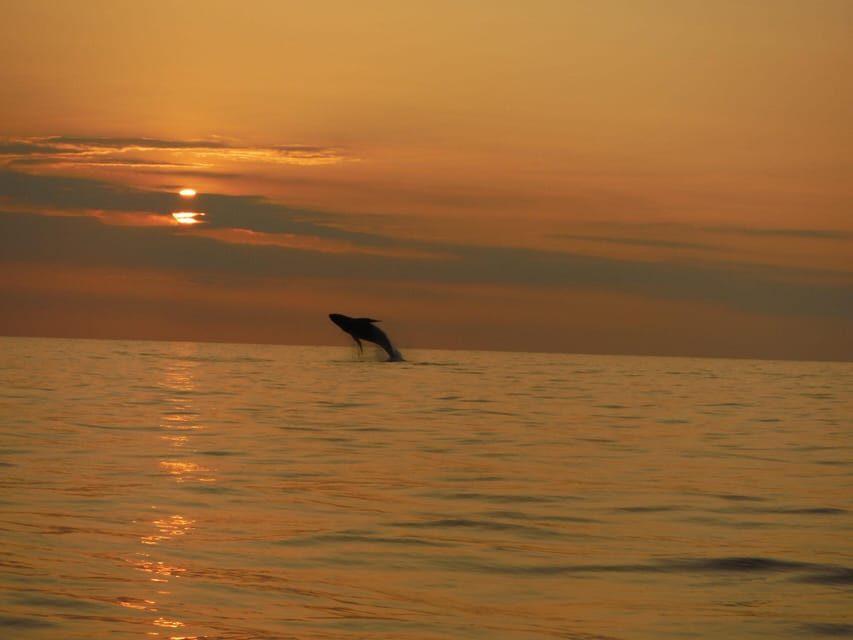
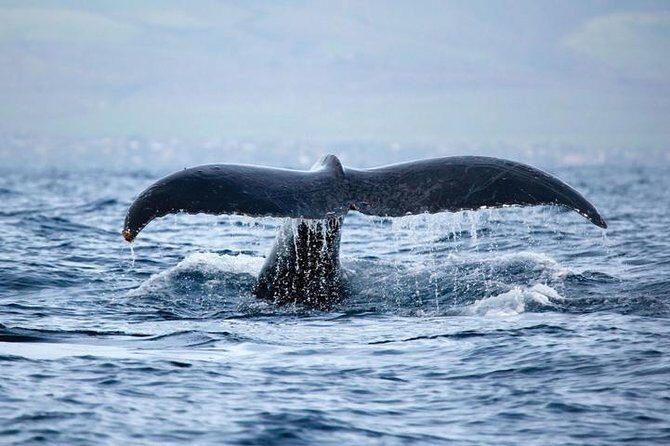
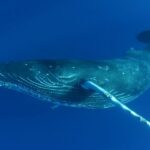
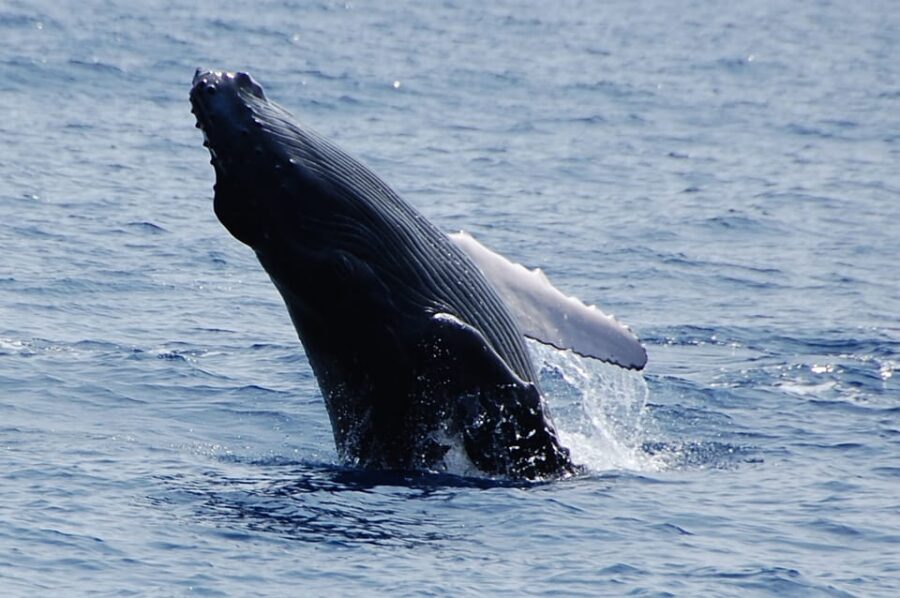
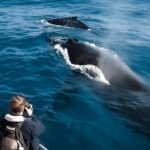
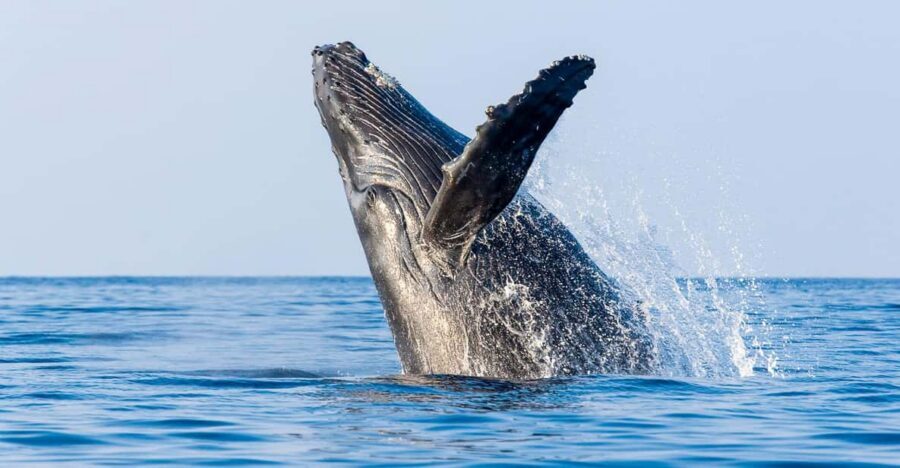
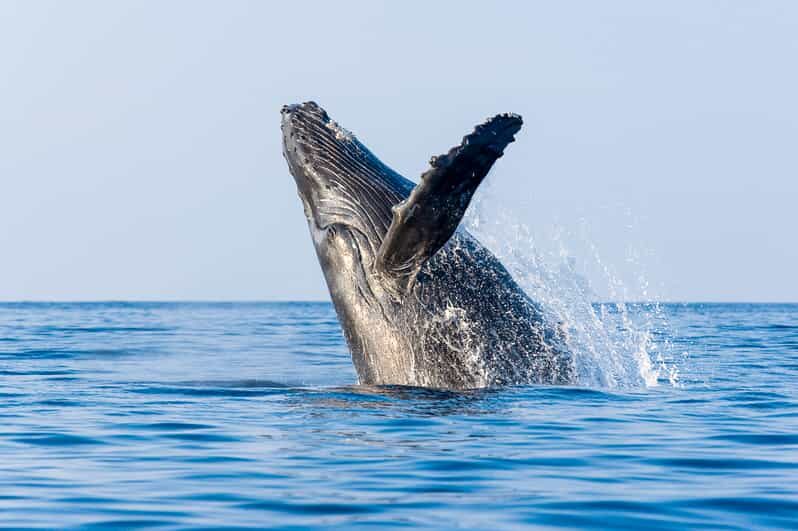
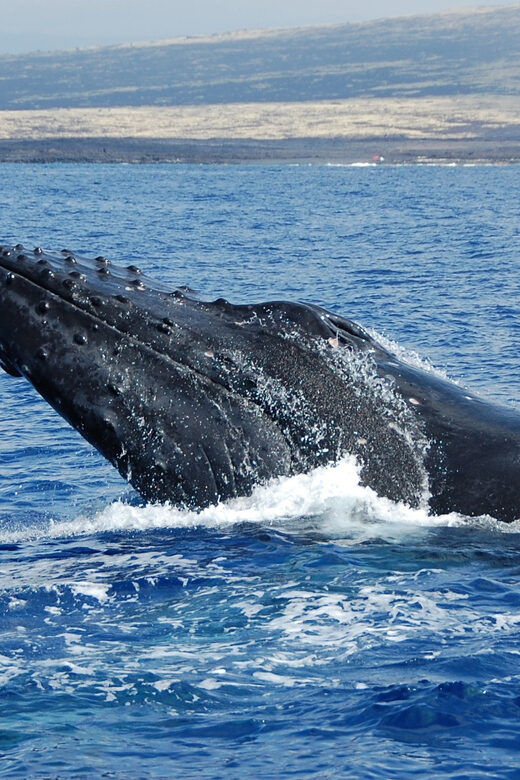
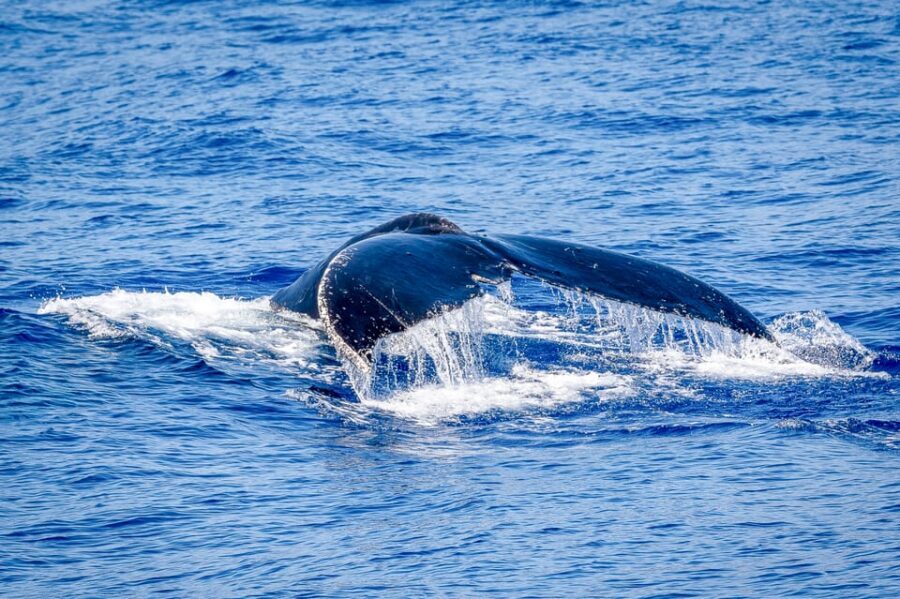
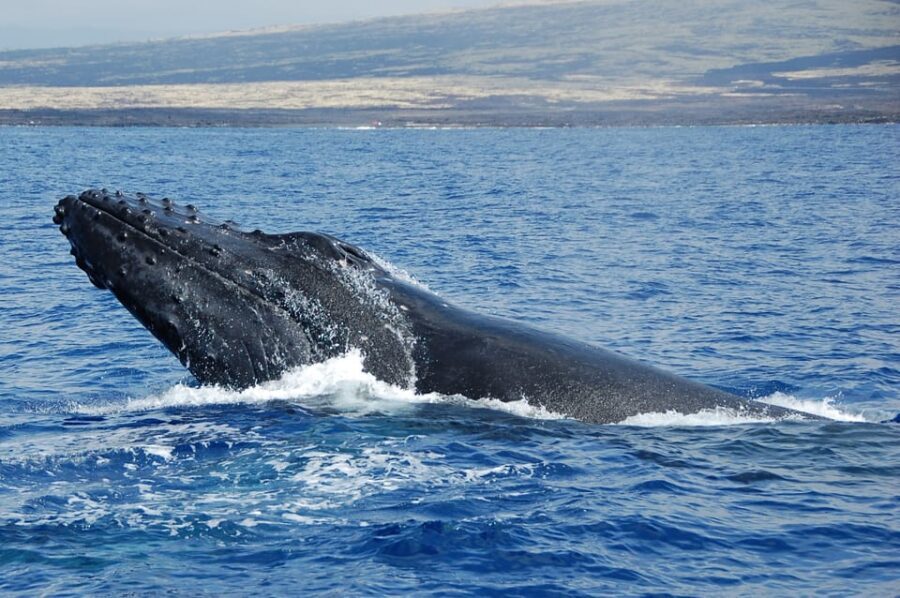
Humpback whale sightings here often come with big visuals: breaching, slapping the water, and lots of time spent watching how whales move through the water column. One of the clearest highlights is the mother-and-calf pairing—calves often stay close, and you may see them swimming together at the surface.
If you’re lucky, you may also catch males competing. During mating season, humpbacks can show head-to-head battle behavior while vying for females. You’re basically watching a high-stakes ocean event unfold with no safety rails—just whales, water, and the crew doing their job of finding the action.
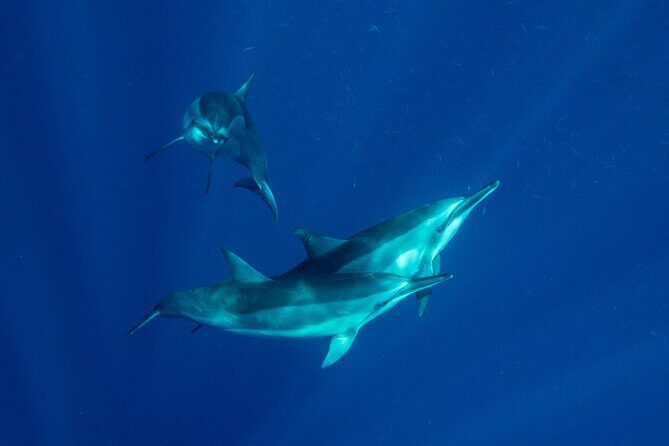
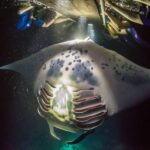
A lot of cruises also pick up extra marine life beyond humpbacks. Depending on the day, people have reported dolphins, flying fish, and even sharks on some trips. On a few sailings, riders have mentioned hammerhead sharks, manta rays, and whale sharks alongside the main humpback sightings. You can treat this as bonus wildlife rather than a promise.
One more realistic note: distance can vary. Some people get what feels like a close encounter, while other sightings are farther out. The common thread is that the crew keeps searching once whales are found, so even a slower start usually turns into meaningful viewing time.
The 150-minute flow: how the cruise stays productive on the water
This experience runs about 150 minutes (2.5 hours). That length is long enough to make repeated passes and line up with whale activity, but short enough that you’re not stuck on the boat all day.
A typical pattern you should expect is searching, finding, then repositioning. The crew actively guides you to where to look, and they’re checking that everyone is comfortable as the boat maneuvers. That attention shows up in the way people describe their experience: seeing whales often takes some patience, and the crew works to keep the whole group in the right viewing area.
You’ll also spend time with the hydrophone audio during sightings. If whales are singing, it becomes one of those rare moments where you feel like you’re tuning into the ocean rather than just scanning it.
If you’re hoping for the biggest breach moments, keep your eyes up and stay patient. Some sightings happen right away. Others build over the ride, sometimes with calmer moments before an active display.
Boat comfort, snacks, and crew energy that matter more than you think
This isn’t a stuffy boat tour. Many riders describe the boat as comfortable and, in some cases, covered, which helps when the wind picks up. A smaller boat layout can also make whale spotting feel more personal because you’re not looking at wildlife through a crowd.
Snacks and drinks are included to keep you from getting stuck in the unpleasant part of a longer outing—hangry and dehydrated. The snack lineup is specific: chips, granola bars, rice krispies, and fruit snacks. Drinks include water, juice, and ginger ale.
The crew experience is a big part of the value. Captains and staff have been described as attentive to comfort and safety, and they work hard to get people positioned for sightings. Depending on the day, you might hear from a captain such as Aidan, Bryce, Simon, or Jacob. Crew members like Eloe and Ula have also been mentioned by riders as part of the onboard energy.
One consideration to keep in mind: audio and music can be a mixed bag. A rider noted that the public address system was hard to hear on the main deck and that loud rock music felt distracting. If you’re sensitive to sound, I’d plan to choose a spot where you can still focus on the guide and the ocean.
Other boat tours in Island Of Hawaii



What to bring for Kona weather and boat motion
Because this is a boat cruise, the weather feel changes fast. Even when the sun is strong, the wind and ocean spray can make it chilly in a hurry.
Bring sunscreen, a hat, and sunglasses. Pack a long-sleeve jacket or sweatshirt for comfort on the water. If you’re prone to motion sickness, use medicine that works best when taken the night before and again about an hour before departure.
Also, think simple. You’ll be scanning ocean surface cues—breaches, flukes, and surfacing patterns—so clothes that let you move your head easily (and keep you warm enough to stay outside) make the biggest difference.
Price and value: what $115 buys you on the Big Island
At $115 per person for a 2.5-hour Kona whale watching cruise, you’re paying for three things: time on the water, dedicated searching and positioning, and the hydrophone-based whale singing component.
The hydrophone is the pricing difference-maker. Seeing humpbacks is great, but hearing the singing is the unique feature that turns the cruise into a full-body wildlife experience. Add snacks and drinks, plus a live English guide, and the ticket starts to feel less like a sightseeing add-on and more like a complete outing.
Then there’s the risk-reducer: if whales aren’t spotted on your tour, you receive another cruise for free. There are no refunds attached to that guarantee, but the replacement value matters because whale sightings can never be fully controlled by any operator.
So who does this ticket make sense for? People who want something more than a standard surface-spotting cruise. Families who want a guided, comfortable experience. And anyone who’s excited by the idea of hearing humpback songs, not just watching them.
Who should book, and who should skip it
This cruise can be a great fit if you want guided whale watching with real-time singing via hydrophone and a crew that aims to get you into the viewing zone.
It’s not suitable for pregnant women, people with heart problems, or people with back problems. If any of those apply, it’s better to pick a different kind of Big Island experience that doesn’t involve boat motion.
If you’re traveling with kids, the included snacks and the attention to passenger comfort are pluses. If you’re an older teen or adult who wants pure wildlife focus, the combination of humpback behavior and hydrophone audio is a strong match.
Should you book this Kailua-Kona whale watching cruise?
I’d book it if hydrophone whale songs are on your must-do list and you want the cruise to feel like a guided hunt, not a passive drift. The included snacks and drinks also make it easier to stay out for the full 2.5 hours without your energy crashing.
I’d hesitate only if you’re very sensitive to noise on boats or you’re worried about how your body handles water motion, since the tour environment is still a real ocean ride.
If you want a memorable Big Island whale outing that goes beyond spotting, this one’s a solid choice, especially for people who love humpbacks and want to hear their singing.
FAQ
How long is the Kailua-Kona whale watching cruise?
The cruise lasts about 150 minutes, or 2.5 hours.
What’s included with the ticket?
The ticket includes the 2.5-hour cruise, snacks (chips, granola bars, rice krispies, fruit snacks), beverages (water, juice, ginger ale), and a hydrophone speaker.
Where do I meet the crew?
You meet at Honokohau Harbor near the pavilion next to the public restrooms. The harbor is on the north side of Kona, with directions provided for how to park and reach the boat ramp area.
Is hotel pick-up and drop-off included?
No. Hotel pick-up and drop-off are not included.
What should I bring for the tour?
Bring sunscreen, a hat, sunglasses, and a long-sleeve jacket or sweatshirt. If you get motion sickness, bring medicine that is most effective when taken the night before and again at least 1 hour before the scheduled tour.
Can I cancel and get a refund?
Yes. You can cancel up to 24 hours in advance for a full refund.
What happens if whales are not spotted on my tour?
If whales are not spotted, you will receive another cruise for free (with no refunds).
Who should avoid this activity?
It’s not suitable for pregnant women, people with heart problems, or people with back problems.