REVIEW · ISLAND OF HAWAII
Kailua Kona: Night Manta Ray Adventure on the Big Island
Book on GetYourGuide →Operated by Hang Loose Boat Tours · Bookable on GetYourGuide
Manta rays at night feel unreal. This Kailua Kona experience puts you in the water under lights where manta rays feed close up, not from a boat-and-hope distance. I especially like how the crew keeps things calm and structured with safety briefings and hands-on help, and I love that you get real snorkel time plus a guided night cruise.
The main drawback to plan for is the physical side: it’s not ideal if you have back or heart problems, and if you’re prone to seasickness, you’ll want to take the recommended motion sickness medicine ahead of time because the boat ride can feel choppy depending on conditions.
One more heads-up: mantas aren’t guaranteed on every outing, but you do have a safety net. If manta rays aren’t spotted, you’ll receive another cruise free (no refunds), which is a nice piece of comfort when you’re spending island time and money.
In This Review
- Key Highlights You’ll Care About
- Kailua Kona After Dark: Why This Night Snorkel Works
- The Boat Ride Out: 20–30 Minutes That Builds Anticipation
- Gear Up Like a Pro (Even If You’re Not a Snorkeler)
- The Manta Ray Spot: Lights, Plankton, and That Inches-Away Moment
- The Option to Ride Along If You Don’t Want to Snorkel
- Price and Value: Is $121 Worth It
- What to Pack: The Small Stuff That Makes the Night Better
- Seasickness and Nerves: How to Avoid a Bad Feeling
- Who Should Book This Tour (and Who Should Skip It)
- Should You Book This Night Manta Ray Snorkel in Kona
Key Highlights You’ll Care About
- Lights attract plankton, and the crew positions you so manta rays come in to feed
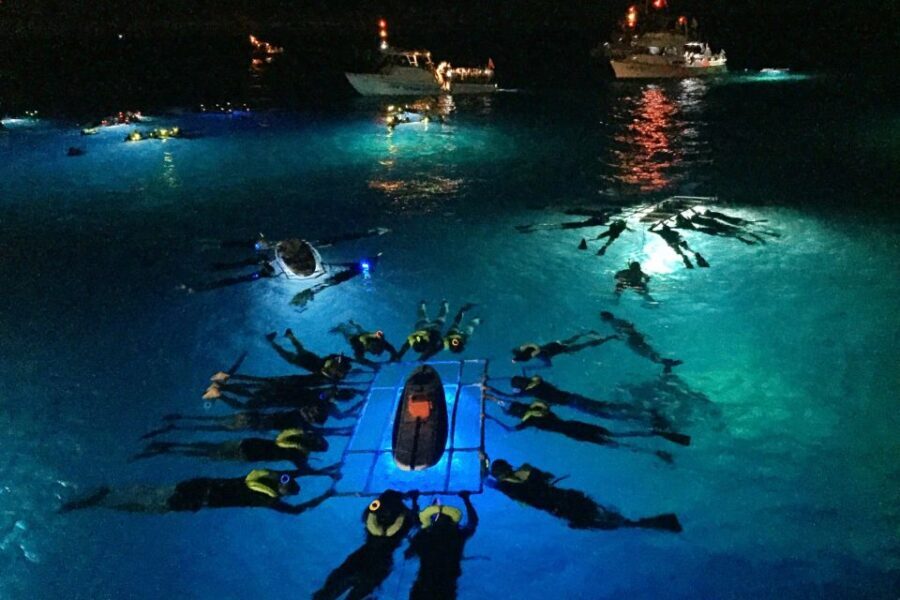
- About 45 minutes in the water with the option to hold on to the light boards
- Snorkel gear and wetsuit tops provided, plus snacks and drinks on board
- Crew help is built in, including “Uber style” rides to/from the viewing area for some guests
- If you don’t spot mantas, you get another cruise free (no refunds)
- A 150-minute total experience that’s long enough to matter, not so long you burn the night
Kailua Kona After Dark: Why This Night Snorkel Works
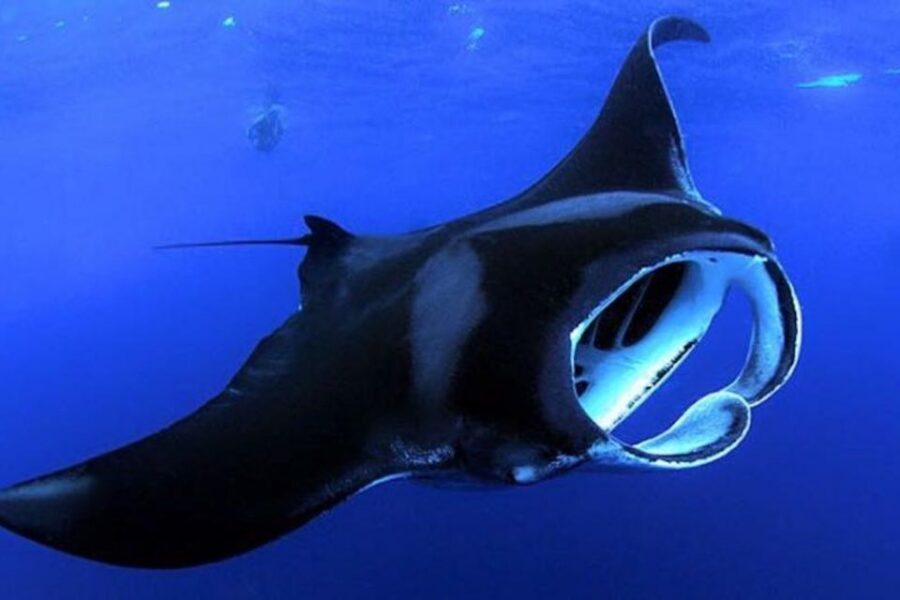
Night manta ray tours can sound like a big marketing pitch. This one earns its reputation because it changes the rules of the ocean. Instead of hoping you’ll see something, you’re snorkeling where manta rays feed at night, and the setup is designed around how they move and gather.
The lights are the key. Light draws in plankton, and manta rays show up to eat. Then you’re not just observing from above. You’re floating, holding on, and watching elegant giants glide inches from you in open water.
I also like the vibe the crew brings to the experience. Even when guests say they’re not strong swimmers, the guides focus on making the process feel doable. Names that kept showing up in the feedback include Vincent, Jordan, Noah, Bryce, Aidan, Gary, Simon, AJ, and Ula, and the common theme is the same: safety first, then fun.
Other Manta Ray night snorkel tours in Island Of Hawaii
The Boat Ride Out: 20–30 Minutes That Builds Anticipation
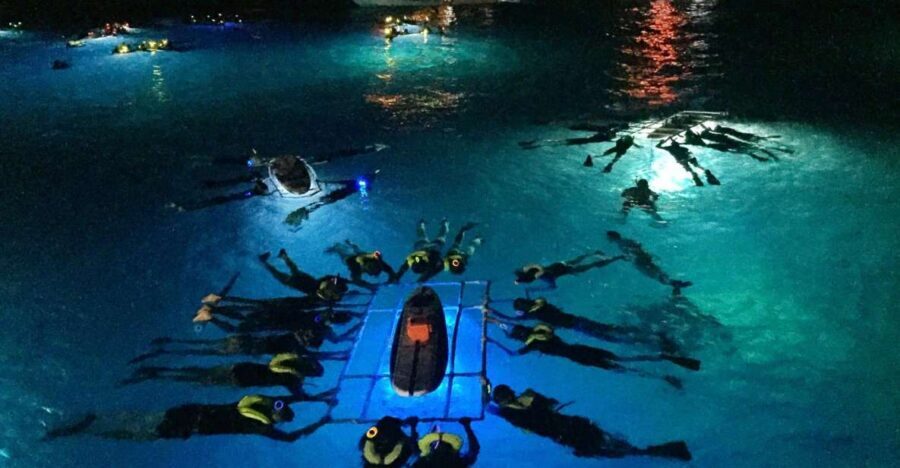
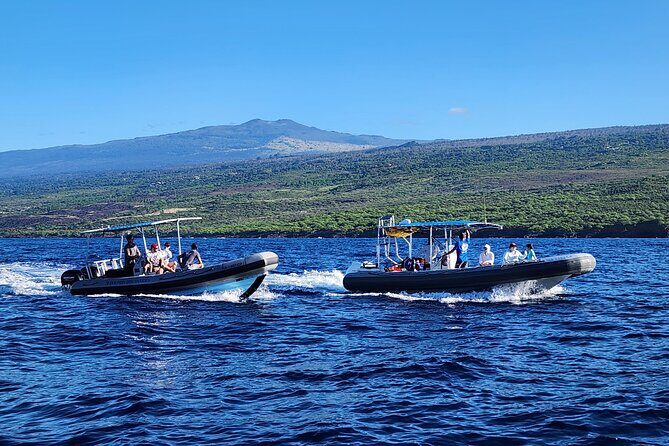
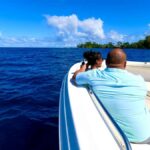
The experience starts with a safety briefing, then gear up. After that, you cruise out to the manta sight. The boat ride is about 20–30 minutes each way, which is just long enough to feel like you’re headed somewhere special without dragging your energy down.
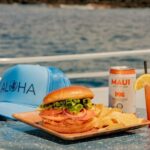
On board, you also get snacks and drinks. The provided menu is simple and practical: water, juice, ginger ale, plus chips, granola bars, rice krispies, and fruit snacks. It’s not a full meal, but it’s the right kind of fueling for a night swim when you might be on the edge of nerves or cold.
If you’re easily thrown off by waves, this is where you should plan carefully. One guest described the tour as choppy, and another made a clear note: bring motion sickness medicine, because it’s most effective when taken the night before and again at least an hour before the scheduled tour.
There’s also a small comfort detail that pops up in feedback: at least one guest said there was a hot shower back on the boat afterward. That’s not a reason to book, but it is a good “night tour reality check” that they think about comfort when you’re wet and cold.
Gear Up Like a Pro (Even If You’re Not a Snorkeler)
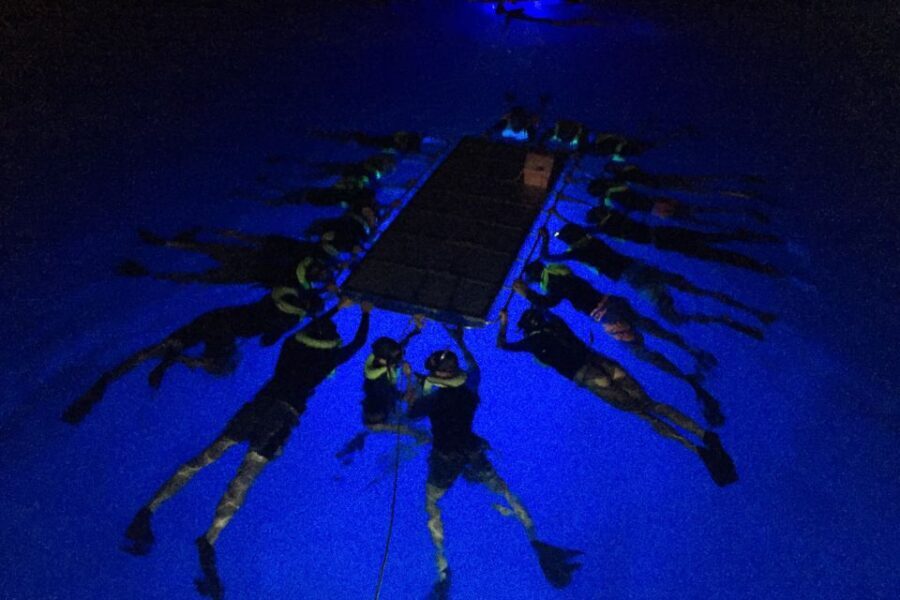
You’ll get snorkeling equipment and wetsuit tops provided. That matters more than people think. Night water near Kona can feel colder than you expect, and the wetsuit top helps you stay in the water comfortably enough to enjoy the show.
The way the crew sets you up is part of why this tour feels approachable. You’re given flotation tools, and in real-world feedback you’ll see things like life jackets and noodle floats being used to help guests float flat. If you’ve never snorkeled before, you’re not left to figure it out in the dark. The guides actively help with getting adjusted to the mask and snorkel setup.
Once you’re near the viewing area, crew will put in the light boards. This is a big “how it works” point: you hold onto the flotation setup and the board area so your body stays stable while you watch manta rays glide in.
And yes, bring your underwater camera if you can. You’ll want it. The whole point is being close enough to catch the motion and the angles you don’t get from a surface viewing spot.
The Manta Ray Spot: Lights, Plankton, and That Inches-Away Moment
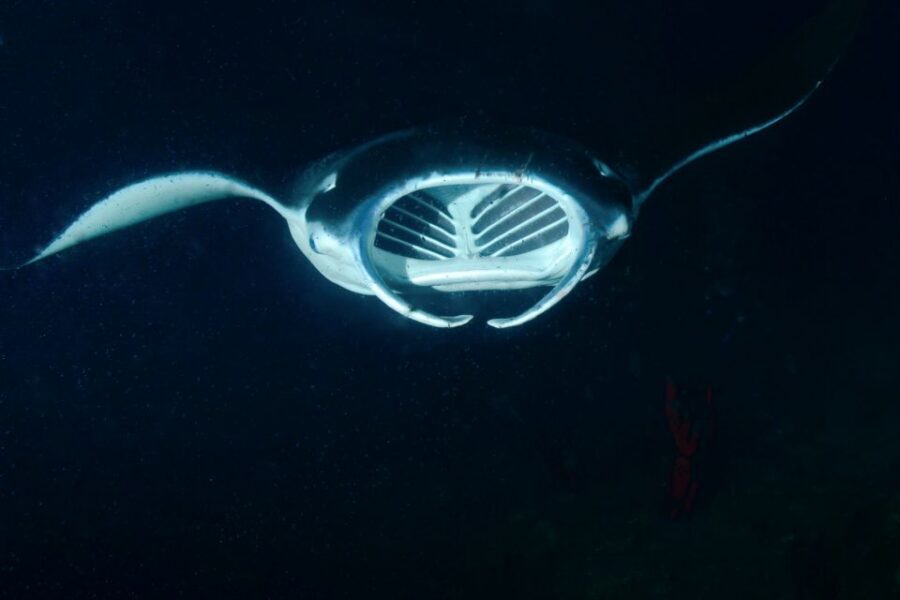
This is the reason you’re here. After the boat ride, you spend about 45 minutes in the water watching. That time doesn’t feel rushed. It’s long enough to settle in, get comfortable with the rhythm of floating, and actually see manta rays show up more than once.
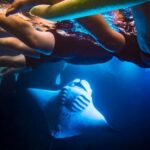
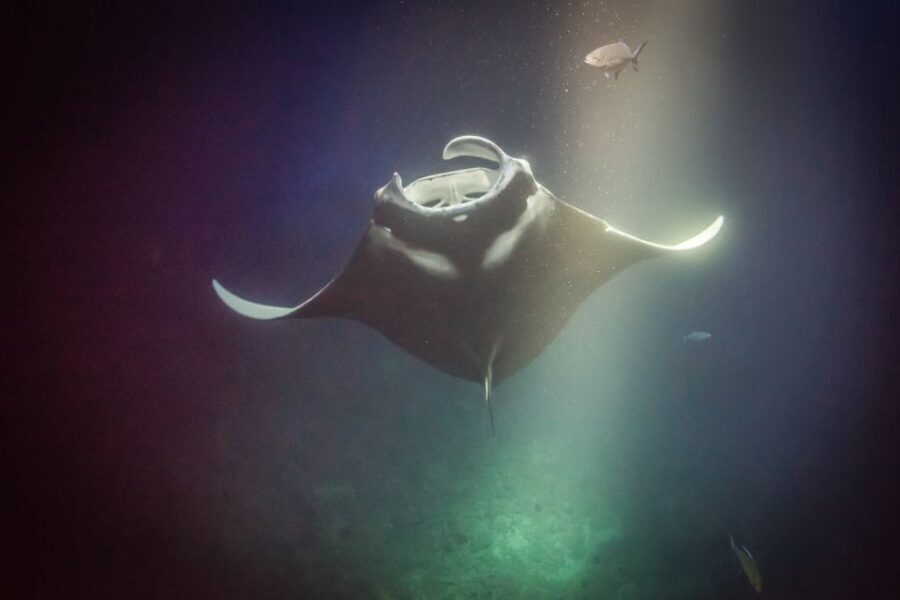
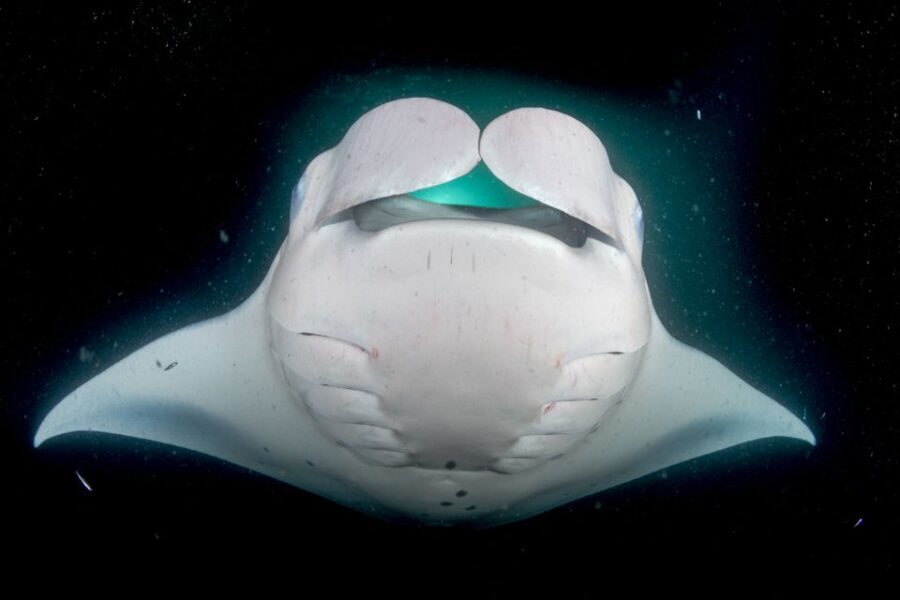
Here’s what’s special about the setup: you’re in a feeding zone. The light attracts plankton, and manta rays move in to feed. In multiple feedback notes, guests describe rays swimming extremely close, so close that you feel like you’re in the same space as the animal rather than watching it from a distance.
You’ll also notice the behavior is more dramatic than you might expect. Several descriptions mention manta rays coming in nearly touching, gliding past your face area, and doing movement patterns that look almost playful or rolling. One honeymoon couple summed it up like a once-in-a-lifetime highlight, and that’s the right mental frame for what you’re signing up for.
Important rules help keep it safe and respectful: you’re not allowed to touch marine life. The guides manage the experience so you can watch without crowding the animals or messing with the ecosystem.
The Option to Ride Along If You Don’t Want to Snorkel
Not everyone wants to snorkel at night. Good news: there’s a ride along option for people who would rather not get in the water. That means you can still take part in the cruise and experience the night manta ray activity from a viewing perspective.
This is also why the tour tends to work for mixed groups. You can have one person who’s ready to snorkel and another who isn’t, and you’re not forced into a one-size-fits-all plan.
Other evening experiences in Island Of Hawaii

Price and Value: Is $121 Worth It
At $121 per person, the price sits in the “special activity” category. The question is what you get for the money, and the math is pretty solid.
You’re paying for:
- A guided 2 to 2.5-hour night cruise and snorkel/watch experience
- Snorkel equipment and wetsuit tops included
- Snacks and beverages on board
- A crew-led safety setup with light boards and flotation support
- Another cruise free if manta rays aren’t spotted
That last point is key for value. Manta sightings are partly nature and partly timing. Knowing you won’t just be out the money if the ocean doesn’t cooperate helps make the cost feel more protected than many tours.
There’s also an optional expense you may want to plan for. GoPro rental is available at the site (subject to availability), which can be a good upgrade if you want clean footage without relying on a phone inside a mask.
What to Pack: The Small Stuff That Makes the Night Better
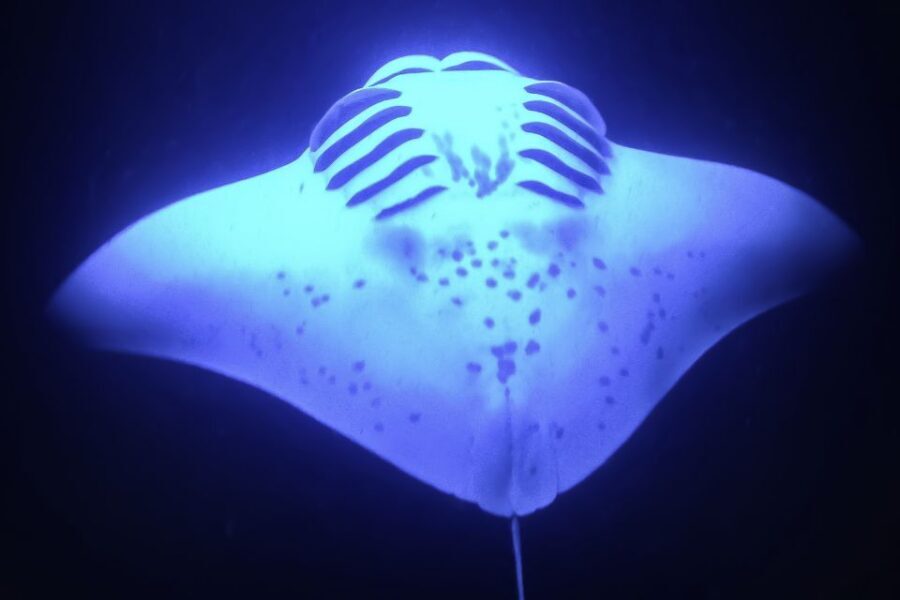
Bring the practical items and you’ll have a smoother experience. The tour guidance lists:
- Hat
- Swimwear
- Change of clothes
- Towel
- Sunscreen
- Sunscreen-friendly extras like sunglasses
- A jacket or sweatshirt
- Motion sickness medicine if you need it
I’d treat the jacket as mandatory. Even if the water feels manageable, the boat ride and ride back can get chilly and windy after you’re wet. Change of clothes is also huge because you’ll want to stop being cold fast.
If you’re the camera type, plan for night photos too. Light boards and night water can create different exposures than day snorkeling, so having your device ready ahead of time helps. If you’re renting a GoPro, check availability early rather than assuming it’s guaranteed.
Seasickness and Nerves: How to Avoid a Bad Feeling
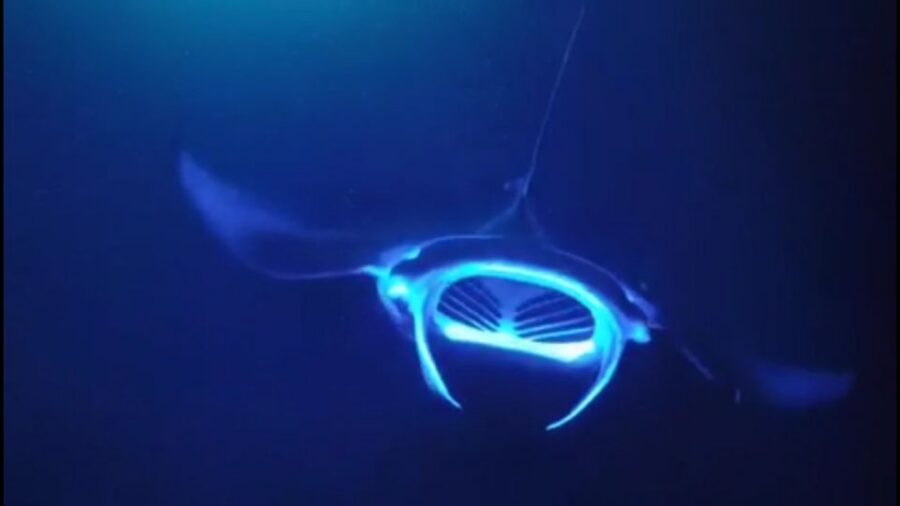
Night snorkeling can be intimidating, even for people who are comfortable in daytime water. The good news from the feedback is that the crew is practiced at calming people down and helping with physical steps like getting into position and adjusting snorkeling gear.
Still, you should take seasickness seriously. The tour guidance is specific: motion sickness medicine works best if you take it the night before and again on the day of the tour at least an hour before your scheduled start. If you’ve had issues on boats in the past, don’t gamble with willpower.
Also, if you’re uncomfortable with night water, remind yourself what you’re doing: holding steady, floating, watching, breathing steadily. This isn’t a long-distance swim. It’s a controlled viewing experience designed for closeness to the animals while keeping you stable.
And if you do feel anxious, focus on the people in charge. Multiple guests praised crew members for checking in constantly and being nearby to help anyone who lost flotation or needed a gear adjustment. That kind of support can turn a scary start into a great night.
Who Should Book This Tour (and Who Should Skip It)
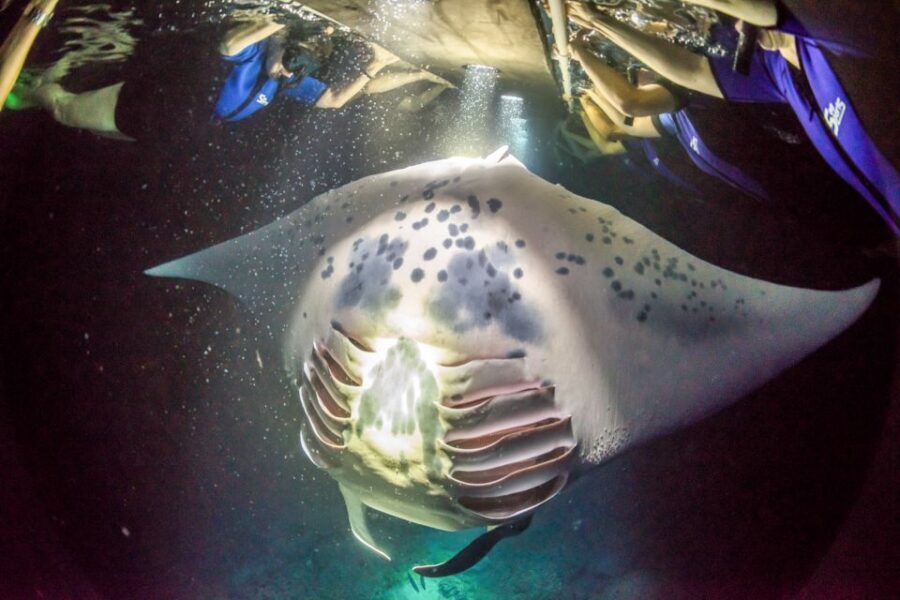
This is a strong fit if you want one of the most memorable marine encounters on the Big Island. If you like wildlife and you’re curious about how manta rays behave at night, you’ll likely feel like you got access to something rare and real.
It also tends to work well for non-expert snorkelers because flotation support is part of the experience. People mentioned they weren’t great swimmers, yet still managed to enjoy the water time thanks to life vests, noodle floats, and crew help.
That said, the tour is not suitable for:
- Pregnant women
- People with back problems
- People with heart problems
If you fall into any of those categories, it’s better to choose a different Big Island activity that doesn’t require night water exposure.
Age is another consideration. One guest noted they felt children under 7 shouldn’t go, mostly for fear of the night setting. The tour data doesn’t list an official child age rule, so treat that comment as advice to consider comfort level, not as a strict policy.
Should You Book This Night Manta Ray Snorkel in Kona
I think you should book this tour if you meet two conditions: you can handle being on a boat at night (or you’ll prepare for seasickness), and you’re excited by the idea of seeing manta rays up close in a feeding zone. The combination of light boards, close sightings, and guided support is what makes it more than just another “tour that might be cool.”
You might skip it if you hate cold, you’re extremely prone to motion sickness even with medication, or you’re in the categories listed as not suitable. In those cases, the cost won’t feel worth it compared to other Big Island experiences.
If you do book, do two things: pack warm layers for the ride back and take motion sickness medicine on schedule if you need it. Then show up ready to float, watch, and enjoy a night performance you can’t recreate anywhere else.