REVIEW · ISLAND OF HAWAII
Big Island: South Kona Snorkeling and Coastline Exploration
Book on GetYourGuide →Operated by Sea Quest Hawaii · Bookable on GetYourGuide
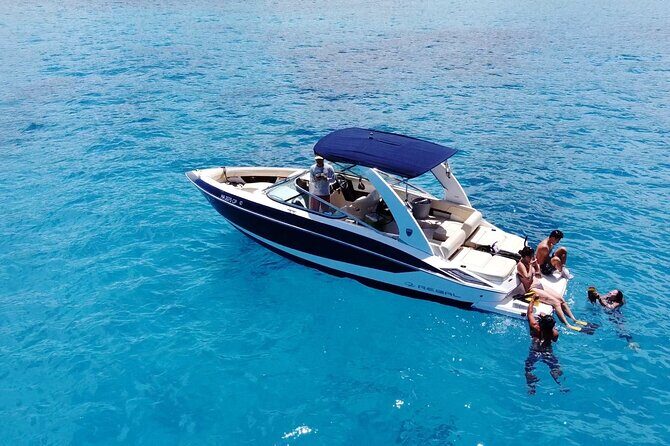
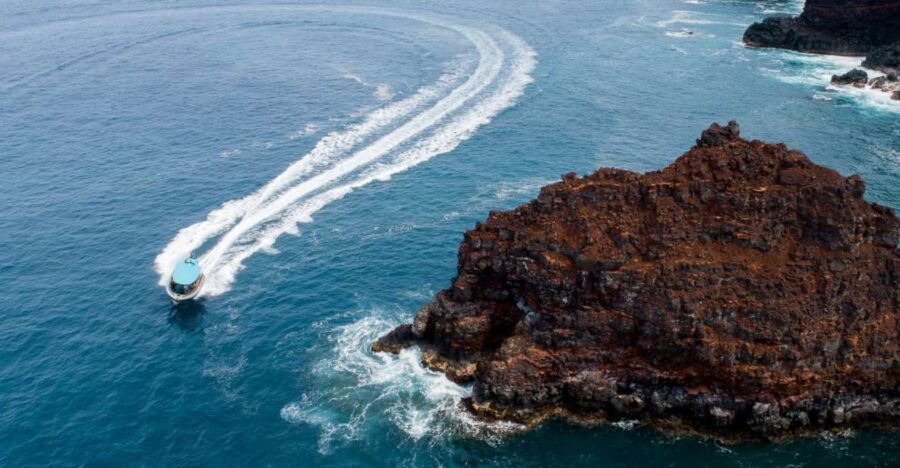
Black sand, sea caves, and three snorkel sites. This South Kona tour is built for variety: you bounce between three reef areas and then hang out on a shoreline side quest that you can’t really reach on your own. The ride is on a shade-covered rigid-hulled inflatable, so the day stays comfortable even when the sun is doing its job.
What I like most is the mix of underwater time and geology time. You get real reef snorkeling at Kealakekua Bay, then you shift to places with serious cultural and coastal meaning like Pu’uhonua O Honaunau (Place of Refuge). On top of that, the crew makes it easy with a safety-first approach—on many trips, you’ll see captains like Captain MJ and staff such as Hazel & Grace helping everyone find their rhythm.
One thing to plan around: this isn’t for everyone. Pregnant women and people with back injuries can’t take the tour, and you should also budget for basics like a towel and sunscreen since those aren’t included.
In This Review
- Key Things That Make This Tour Worth Your Time
- South Kona in 5 Hours: The Boat, the Pace, and What You’re Really Buying
- Stop 1: Kealakekua Bay’s 315-Acre Sanctuary Reef (and What to Look For)
- The Lunch Reset: Shade, Captain Cook Views, and a Real Break From the Water
- Stop 2: Pu’uhonua O Honaunau (Place of Refuge) and Honaunau Bay’s Lava Rock
- Stop 3: Remote Black Sand, Sea Caves, and Lava Tubes Up Close
- The Marine Life Playbook: How This Tour Delivers Turtles, Dolphins, and Fish
- Gear, Water Entry, Safety, and Who This Fits (or Doesn’t)
- Value for $200: What You Get That DIY Snorkeling Usually Misses
- Should You Book This South Kona Snorkel and Coastline Tour?
- FAQ
- How long is the South Kona snorkeling and coastline tour?
- Where do I check in before the tour?
- How many snorkeling stops are included?
- What’s included in the price?
- What should I bring with me?
- Is this tour suitable for children, pregnant women, or people with back problems?
- Is there a cancellation option or reserve-pay-later option?
Key Things That Make This Tour Worth Your Time
- Three different snorkeling zones: Kealakekua Bay, Pu’uhonua O Honaunau/Honaunau Bay, and a remote black sand coastline area
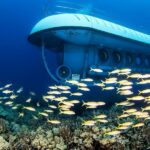
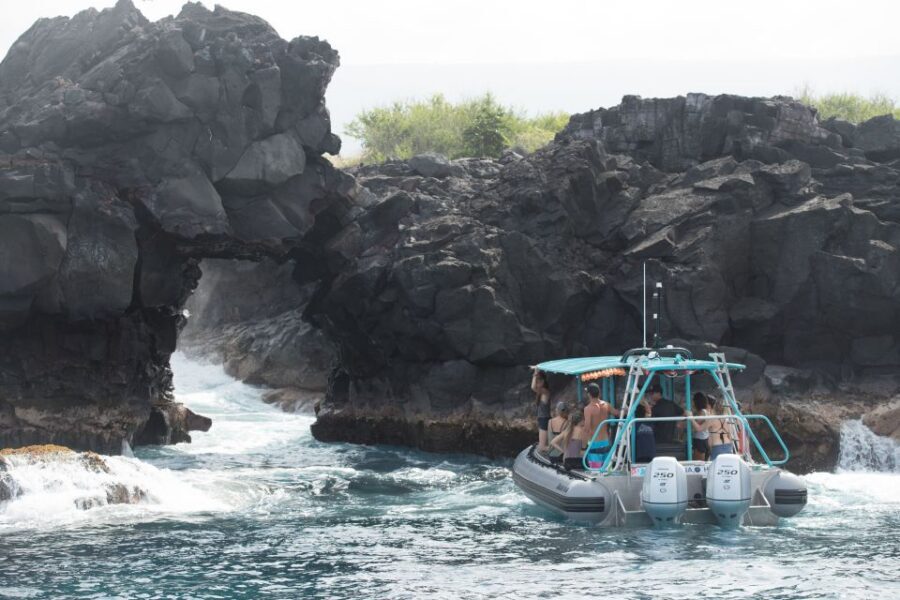
- A covered rigid-hulled inflatable: shade during the fast hops between sites, plus a small-boat feel
- Geology that shows up by boat: sea caves and lava tubes you can’t see the same way from shore
- A crew that watches the details: help with water entry (including using the ladder) and active safety checks
- Included food and drinks: snacks, water/juice, and a deli lunch eaten in shade with an iconic backdrop
South Kona in 5 Hours: The Boat, the Pace, and What You’re Really Buying
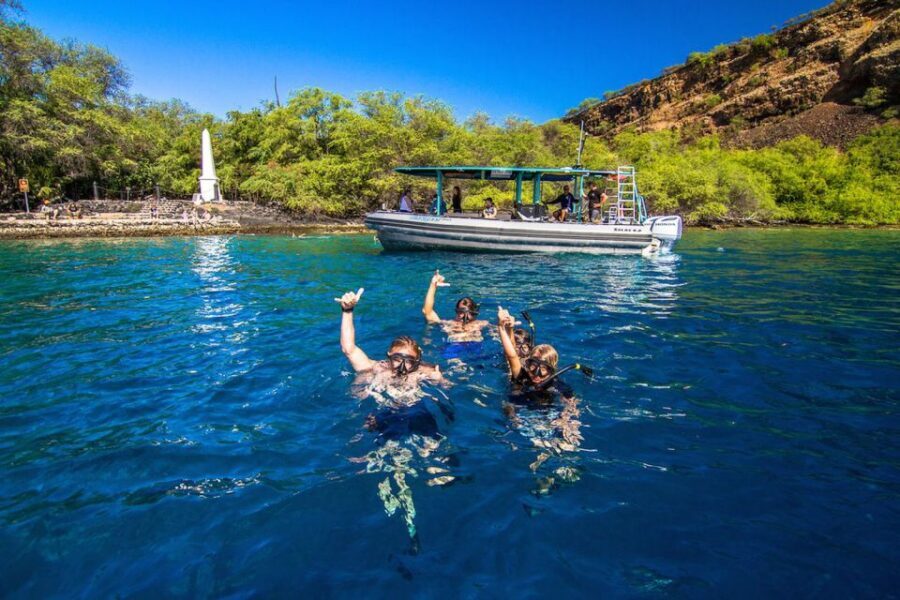
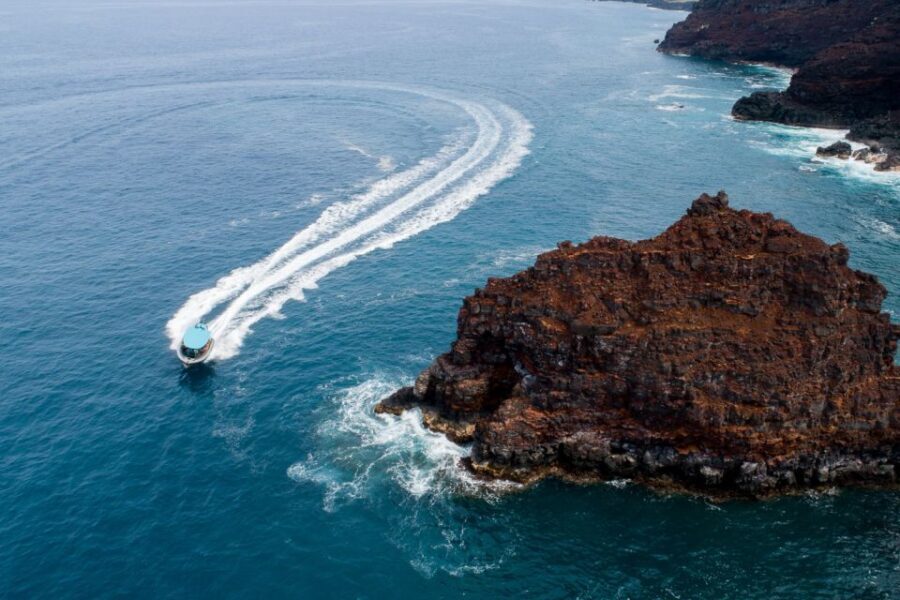
This is a 5-hour outing with one goal: you want more than one snorkel stop, plus you want coastline features up close. The boat matters here. It’s a rigid-hulled inflatable with shade cover, and it’s fast enough to make remote stops feel reachable in a half-day.
That speed is also why timing feels tight—in a good way. You’ll spend enough time in the water to feel like snorkeling is the main event, but you won’t be waiting around for long stretches. If you prefer slow, laid-back boat days with no urgency, this may feel more like an action-filled coastal tour.
Price-wise, $200 per person sounds steep until you look at what’s included: snorkeling gear and flotation devices, plus snacks and lunch, plus the transport to three distinct sites. For many people, the value comes from not having to arrange multiple half-day activities or transportation on your own. And since the operator is part of the Hawaii Ecotourism Association and emphasizes ocean protection and sustainability, you’re not just paying for a ride—you’re paying for an operation that claims to care about healthier reefs.
Other Kona snorkel tours in Island Of Hawaii

Stop 1: Kealakekua Bay’s 315-Acre Sanctuary Reef (and What to Look For)
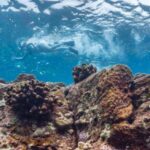
Kealakekua Bay is the anchor stop of the day. You head into the protected waters of a 315-acre marine sanctuary, and the reef there is the classic mix of coral structure and schools of tropical fish. The water can be clear enough to make the reef feel close even when you’re not right on top of it.
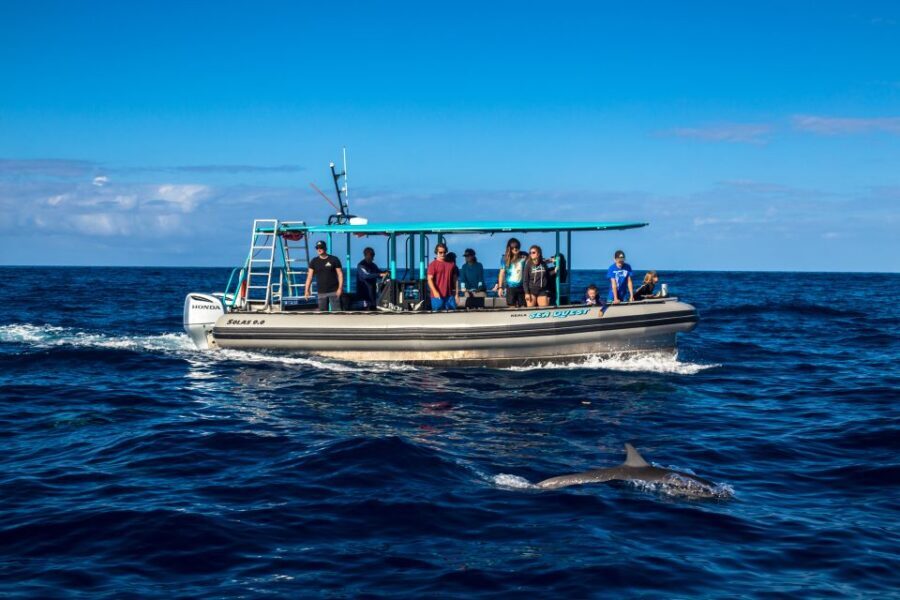
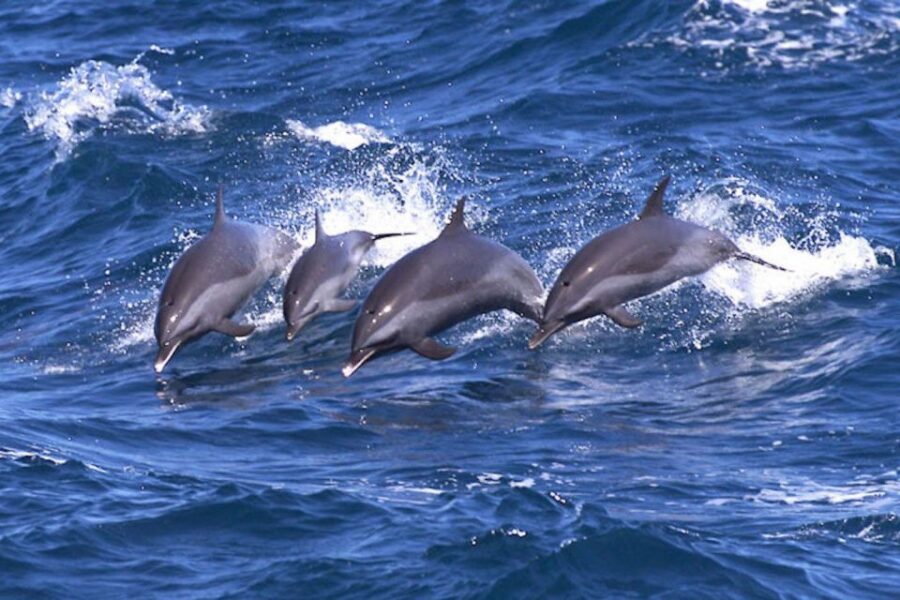
The crew typically keeps you oriented, and they point out interesting sights both on the boat ride and once you’re in the water. One of the best reasons to start here is variety: you get coral and fish without it turning into a one-note experience. On some outings, you might even spot spinner dolphins cruising nearby while you’re still in the early rhythm of snorkeling.
Practical tip: when you enter the water, focus on control first, not speed. Keep an eye on your breathing, and let the reef come to you. If you rush, you can miss the small stuff—coral texture, tiny fish darting out of nooks, and the way light moves over the reef.
The Lunch Reset: Shade, Captain Cook Views, and a Real Break From the Water
You don’t do snorkel-stop after snorkel-stop back-to-back with no break. After the first marine sanctuary session, you switch gears to lunch in the shade under the canopy. The setting is part of the point: you’ll eat with the Captain Cook monument as a backdrop and the cliffs of the bay rising above you.
Food included here is not just a token sandwich. You’ll get deli-style lunch, plus snacks, water, and juice. Many people come away saying the meals hit the right note because they’re simple, filling, and easy to handle after a swim.
This break changes how the rest of the day feels. After lunch, you’re not just tired—you’re re-centered. You’ll be ready for another snorkel zone and a more “coast-focused” third stop with sea caves and lava features.
If you’re the kind of snorkeler who gets cold or stiff during long sessions, the lunch break is the moment to warm up, shake out your shoulders, and adjust before the second and third water times.
Stop 2: Pu’uhonua O Honaunau (Place of Refuge) and Honaunau Bay’s Lava Rock
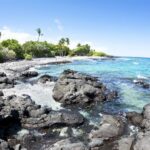
The second stop brings you to Pu’uhonua O Honaunau, known as the Place of Refuge. That name is more than marketing. You’re snorkeling near Honaunau Bay, where lava rock flats and coastal features shape the shoreline and the underwater habitat.
This is also where you’ll notice the snorkeling can feel different from the first reef area. Instead of only thinking about reef “garden” vibes, you start paying attention to the way smooth lava rock flats create movement for fish and structure for coral growth. It can be a relief if the first stop felt busy or if you prefer snorkeling where the coastline feels physically close.
Cultural angle matters here. The tour frames this stop as a meaningful place, and that helps the day feel grounded instead of just being a sightseeing checklist. Even if you don’t go deep into interpretation on the water, you’ll come away with a clearer sense of why this coast is treated with care.
Stop 3: Remote Black Sand, Sea Caves, and Lava Tubes Up Close
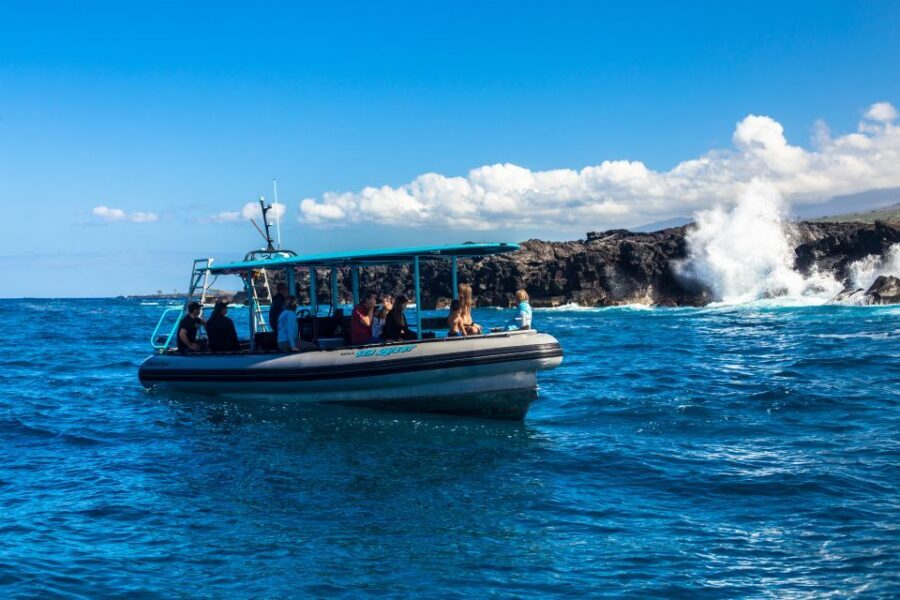
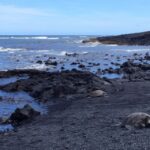
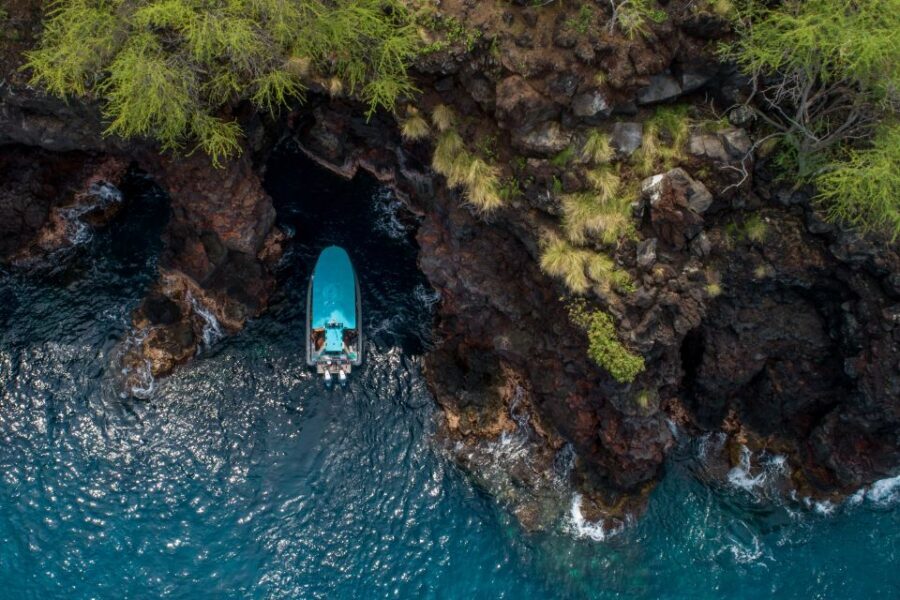
The third stop is the “locals and island experts would still miss this” kind of coastline. You’ll go to a remote black sand beach area and also have a shot at seeing coastal features like a stone arch and unusual lava rock formations formed over thousands of years.
This is where the boat ride turns into part of the experience. Instead of only snorkeling a standard reef, you explore sea caves and lava tubes—up close, in a vessel designed to be maneuverable. That matters because these formations aren’t something you can safely wander up to. You see them from the water, at the right angle, and with space to turn without forcing the shoreline.
What to watch for here is your comfort with the water and your ability to snorkel efficiently. Caves and lava tubes can shift how you feel in the water because visibility and currents can vary with conditions. Stay calm, follow the crew’s cues, and keep your focus on where they’re guiding you rather than trying to “master” every nook.
Also, the remote nature of the third stop means you’re more likely to feel like you got off the typical path. People repeatedly mention seeing turtles, different fish types, and even surprises like a small shark during the day—wildlife that you wouldn’t plan for but that makes the effort feel worth it.
Other snorkeling tours in Island Of Hawaii
The Marine Life Playbook: How This Tour Delivers Turtles, Dolphins, and Fish
This tour sells a lot of promise, but the real value is how it increases your odds across the day. Three reef sites means three chances to see different species and reef conditions. And the boat access lets the crew try for marine life sightings along the way rather than only at the snorkeling site.
From the experiences described, common highlights include sea turtles and plenty of reef fish. Some outings also include dolphins—spinner dolphins show up sometimes near the Kealakekua area, and other days include different dolphin types. One report even mentions a small shark, which is a reminder that reef ecosystems are active and not just for show.
Here’s the reality check I think you should keep: the ocean doesn’t guarantee sightings. Your best strategy is to be ready mentally for variety rather than one single target animal. If you go in expecting turtles and leave thinking you must’ve seen them only if you got the “perfect” moment, you might be disappointed.
Instead, look at the whole day as a sequence of opportunities: reef fish in coral structure, turtles cruising along edges, dolphins passing through, and then the geologic coast features once you’re back above water.
Gear, Water Entry, Safety, and Who This Fits (or Doesn’t)
You get snorkeling gear and flotation devices, plus water and juice. That takes away a chunk of hassle from planning. You still need to bring a towel and sunscreen, and you need your swimwear ready to go.
Water entry is from the boat, and that’s where a lot of practical comfort comes in. Some people note ladders on the boat and that the crew helps with entry, including slowing you down and using the ladder step-by-step. That’s good news if you want assistance and you respect the process.
Now the constraints are real. This tour isn’t suitable for children under 5. It also isn’t for pregnant women, people with back problems, or people with mobility impairments. If any of those apply, skip it and look for a different style of tour that matches your needs.
Safety is part of what makes the trip feel smooth. The best captains keep close watch on the group and the timing between snorkeling and boat movement, so you’re not left wondering if you’re doing it right. For many people, that safety attention is tied to the fact that this is a smaller group setup where staff can actually notice what’s happening.
Value for $200: What You Get That DIY Snorkeling Usually Misses
Let’s do the math with your time, not just your wallet. A DIY day might mean renting gear, arranging transport, finding reef access points, and then hoping you picked the right spot for that day’s water conditions. This tour handles the “find it for me” part by using a guided route and moving between three locations.
You also pay for the “right kind of access.” The sea caves and lava tubes, plus the remote black sand area, are the kind of places that are difficult to reach safely and quickly by yourself. The vessel is designed to get you up close to the coastline features you’re there to see.
Then there’s the included comfort: shade-covered boat time, snacks and lunch, and drinks onboard. That means you’re less likely to spend your day tracking food logistics. For people who hate the cost of buying meals and drinks at every stop, including them matters more than it sounds.
If you’re traveling as a family, or you’re mixing ages like grandparents and kids, the structure helps. You get guided snorkeling and planned breaks, and you don’t have to constantly negotiate where everyone goes next.
Should You Book This South Kona Snorkel and Coastline Tour?
I’d book it if you want one organized half-day that combines snorkeling at protected reefs, a cultural stop at Place of Refuge, and a geology-focused third act with caves and lava tubes. The $200 price makes sense when you value guided access, included gear and food, and the chance of wildlife like turtles and dolphins.
I’d skip it if you’re any of the following: pregnant, dealing with back issues, traveling with mobility limitations, or looking for a short, calm, shore-based snorkel day. This is a hands-on, water-active tour with a real boat component, and it works best when you can handle that style.
If your top priority is comfort and simplicity, pack what’s required (swimwear, towel, sunscreen) and show up at check-in on time at Sea Quest. That small prep step makes the whole day feel smoother before you even hit the water.
FAQ
How long is the South Kona snorkeling and coastline tour?
It’s a 5-hour tour, combining sightseeing with three snorkeling stops and time for lunch.
Where do I check in before the tour?
You check in at Sea Quest and arrive 15 minutes before the activity start time.
How many snorkeling stops are included?
You’ll snorkel at three unique reef and coastline locations during the 5-hour experience.
What’s included in the price?
Snacks and lunch, water and juice, snorkeling gear and flotation devices, plus the guided sightseeing and snorkeling.
What should I bring with me?
Bring swimwear, a towel, and sunscreen.
Is this tour suitable for children, pregnant women, or people with back problems?
No. It isn’t suitable for children under 5, pregnant women, or people with back problems.
Is there a cancellation option or reserve-pay-later option?
Yes. You can cancel up to 24 hours in advance for a full refund, and you can reserve now and pay later.
If you want, tell me your travel month and whether you’re snorkeling for the first time, and I’ll suggest how to plan your day around water conditions and comfort.