REVIEW · BIG ISLAND OF HAWAII
Mauna Kea Arnott’s Adventures
Book on Viator →Operated by Arnott's Lodge · Bookable on Viator
One of Hawaii’s coldest skies is waiting. This Mauna Kea sunset and stargazing tour takes you up to near 14,000 feet with a timed acclimation stop, then points you toward the Milky Way from high above the clouds.
I love that it’s built for an intimate group (max 13), so you’re not stuck behind a sea of coats and elbows. You also get a warm jacket, which matters a lot when the wind kicks in at elevation.
One thing to think about first: there’s no dinner, and the altitude can hit hard, especially if you’re not used to big elevation changes. If you’re prone to altitude issues (or have respiratory concerns), this is the kind of trip you should approach with extra caution.
In This Review
- Key Things That Make This Tour Feel Worth It
- Getting To Mauna Kea From Hilo Without the Big-Bus Chaos
- Stop 1 at Onizuka: The Acclimation Period That Sets Up Your Sunset
- The Summit Drive: Watching the Sunset Above the Clouds
- Onizuka Again: Laser-Pointer Stargazing (No Telescopes)
- What I’d Pack for a Mauna Kea Night (Because It’s Cold)
- Restroom Timing and Photo Timing: Small Things That Make You Happier
- Price and Value: What $255 Really Pays For
- Who Should Book This (and Who Should Pause)
- Guides and the Human Touch on Mauna Kea
- Should You Book Arnott’s Mauna Kea Sunset and Stargazing Tour?
- FAQ
- Where does the tour start?
- How many people are on the tour?
- What’s included in the price?
- Are telescopes provided for stargazing?
- Do I need to bring food or dinner plans?
- What if the tour can’t run due to weather?
Key Things That Make This Tour Feel Worth It
- Small group size (13 max) helps the guide keep track of everyone in the cold and thin air
- Jacket included cuts down the chance you’ll freeze at the summit
- Onizuka Astronomy Complex gives you a short exhibit stop and acclimation before the summit push
- Summit sunset timing aims to get you above the clouds when weather cooperates
- Laser-pointer stargazing is guided, but there are no telescopes provided
- Strong altitude notes in the tour info mean you know what you’re signing up for
Getting To Mauna Kea From Hilo Without the Big-Bus Chaos
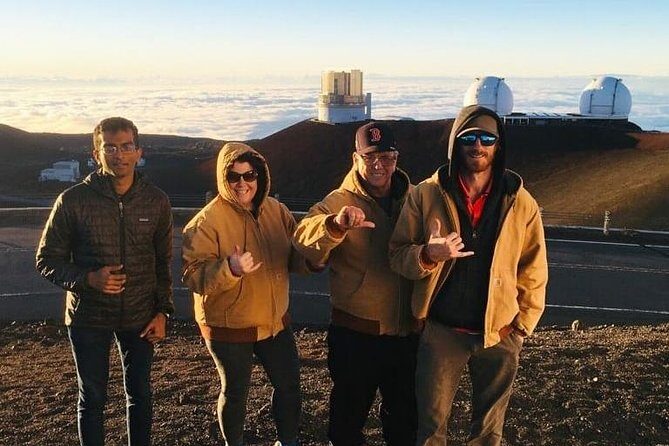
This tour runs out of the Big Island with pickup in Hilo (or you can meet at the Onizuka Visitor Center on Mauna Kea). The upside of starting in Hilo is simple: you’re closer to the east side logistics, and your evening climb is already planned around road and elevation timing.
The group size is the real comfort factor. With 13 people max, the drive up and stops don’t feel like a cattle call. I like that the tour format makes it easier for the guide to check in, especially when you’re breathing slower and your body is adjusting.
If you’re staying in Kona or Waikoloa, Kona pickup only happens if the tour has at least four passengers. That means you should confirm your meeting plan before you book, so you’re not surprised by a last-minute change in where you’ll start.
Other Mauna Kea stargazing and summit tours in Big Island of Hawaii
Stop 1 at Onizuka: The Acclimation Period That Sets Up Your Sunset
Your first real step is the Onizuka Astronomy Complex, where you get about 30 minutes at the visitor area. The goal here isn’t just sightseeing. It’s your built-in buffer to acclimate around 9,000 feet / 2,743 meters, so the later jump to the summit doesn’t feel like a sudden slap.
This stop also includes an admission ticket, which you’ll appreciate because it reduces the guesswork. You’ll see exhibits in a cozy indoor setting before you head higher. It’s a good moment to slow down, sip water, and let your heart rate settle.
This is also where I’d focus on doing the boring basics right: dress correctly, take a few minutes to catch your breath, and decide what you’ll do for bathroom timing. At altitude, you want to avoid rushing. Measured movements keep the experience more comfortable.
The Summit Drive: Watching the Sunset Above the Clouds
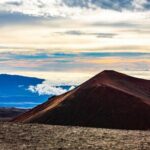
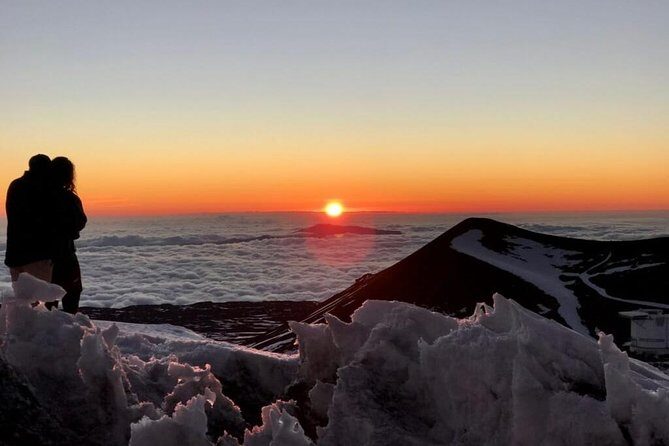
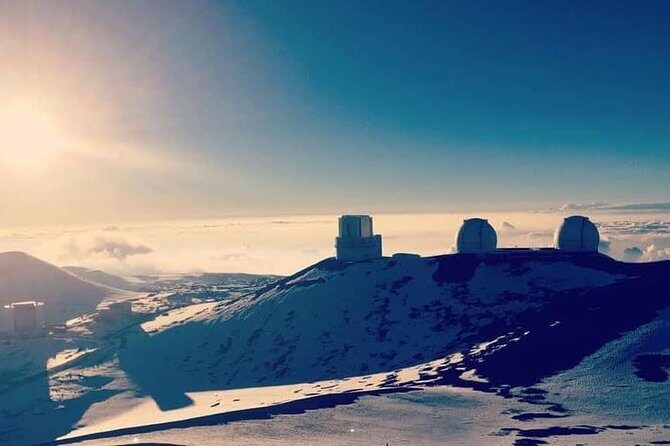
Then comes the part you actually came for: the summit area at 13,796 feet / 4,205 meters. You ride up by vehicle and arrive above the clouds, which is the magic trick. When the weather is clear enough for sunset viewing, you get that wow-factor view with less humidity haze than you’d expect lower down.
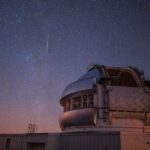
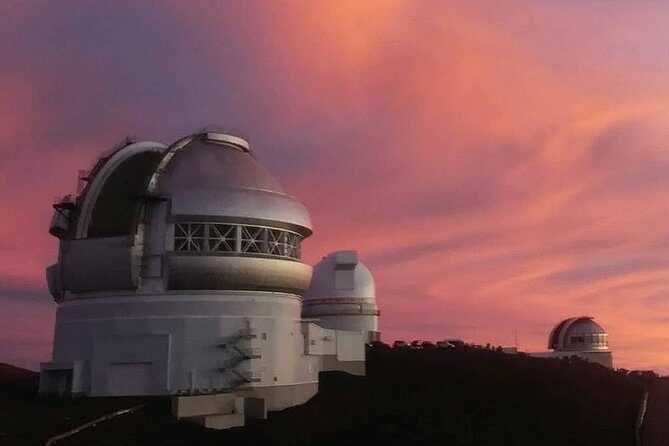
You’ll also notice the international telescopes along the way as you climb. Even if you don’t get telescope time, it’s still cool to see how serious the science is at the top of this sacred mountain. That contrast—tourists in winter layers beside equipment for world-class astronomy—adds a layer of perspective.
You’re scheduled for about 30 minutes at the summit for this sunset moment. That timing is short, but it’s the right kind of short. At that altitude, long hangs can turn into cold-body fatigue fast, and the tour needs time to move you for stargazing.
Ticket-wise, the summit admission is listed as free for this stop. Still, keep an eye on the details for the Onizuka stargazing stop later, because that one is listed as not included.
Onizuka Again: Laser-Pointer Stargazing (No Telescopes)
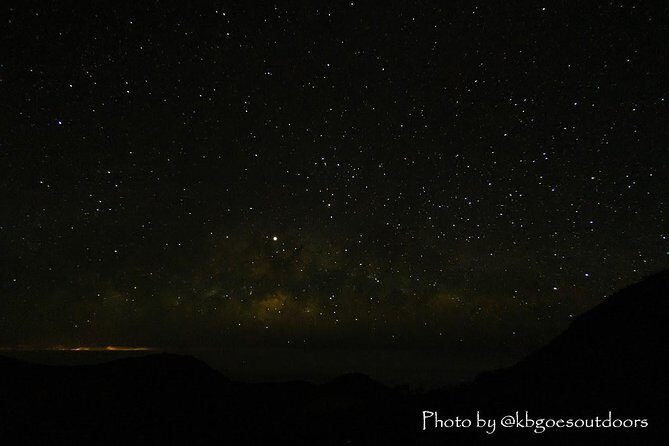
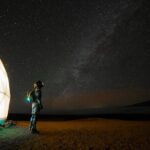
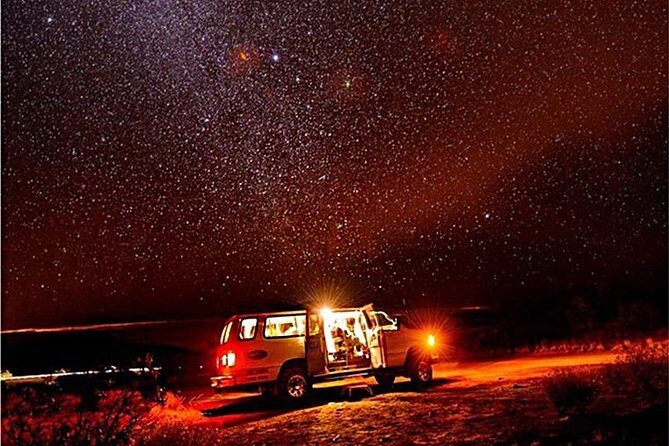
After the summit, you return to the Onizuka Astronomy Complex for a guided stargazing session. The session is about 15 minutes, and it uses a laser pointer with your local guide directing you to key sky sights.
Here’s the honest expectation check: there are no telescopes provided. This isn’t a sit-and-look-through-a-giant-scope experience. It’s more like a guided “look here, now, and notice this” night-sky lesson paired with a quick chance to see the Milky Way.
If you’re into astrophotography, this is where preparation pays off. One of the best practical tips I saw was to plan around a new moon when possible. Less moonlight means darker skies, and that boosts what you’ll see and what your camera can capture.
For gear, bring a camera that can do night exposure, or a smartphone with night capture options. I’d also plan to use phone settings like night mode plus slower shutter options if your phone supports them. The guide can help with phone-friendly tips, and some guests even mention getting help taking photos.
What I’d Pack for a Mauna Kea Night (Because It’s Cold)
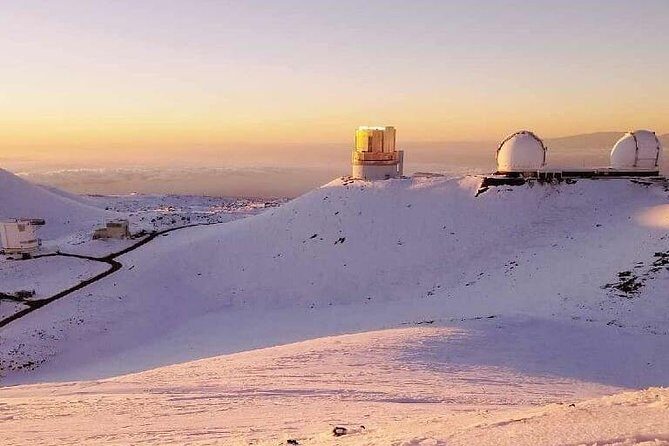
Your biggest enemy here is temperature, not distance. Even with a jacket provided, the summit can feel brutally cold, especially with wind. Pack like it’s winter, because it is.
From what people emphasized, you’ll want:
- A warm hat or beanie and something for your ears
- Heavy-duty gloves if you have them
- Layers you can put on and swap without losing time
- A scarf or neck warmer (wind finds neck gaps fast)
- A water bottle
Bring snacks and plenty of water. Dinner isn’t included, and there’s no meal offered during the time window. It’s smart to fuel before the last ascent, because altitude plus empty stomach plus cold is how your comfort plan collapses.
Altitude sickness prevention is mostly common sense: take it slow, make measured movements, and don’t treat the summit like a casual hike. If you feel chest tightness, throat tightness, shortness of breath, or unusual shaking, treat it as a stop-sign. The tour info also warns against certain situations, like respiratory conditions and avoiding intoxicants.
Also skip carbonated drinks right before and during the tour if you can. It sounds minor, but at elevation it can add to discomfort for some people. I’d rather drink water and keep things calm.
Restroom Timing and Photo Timing: Small Things That Make You Happier
At high altitude, bathroom logistics become more than an afterthought. The Onizuka Visitor Center can have longer queues, and the summit area has porta-potties. Your best strategy is to use breaks when offered, even if you think you can wait.
Photo timing matters too. The sunset moment is weather-dependent, and stargazing depends on darkness. That’s why it helps to check sky conditions if you can, and to remember that cloud cover can limit what you see even when you’re on schedule.
If you want Milky Way shots, give yourself time to set up and then let your eyes adjust. Night photography tips that work in the real world: stabilize the phone, use the longest shutter you’re comfortable with, and don’t expect instant results if your first shot is blurry.
Price and Value: What $255 Really Pays For
At $255 per person for about 7 hours, you’re paying for a few key things that are hard to DIY safely and comfortably.
You get:
- A guided drive and timing that gets you to the summit window
- Admission coverage details tied to the Onizuka and summit stops (with one listed as free and one listed as not included)
- A jacket to make the cold manageable
- A laser-pointer stargazing guide and high-altitude context
What you don’t get is equally important. There’s no dinner, no snacks provided, and no telescopes. So if you’re expecting hot drinks, a meal break, or telescope viewing, this is not the tour that checks those boxes.
That’s why the value comes down to your expectations. If you pack your own food and dress for winter, the guided astronomy and summit views can feel like a solid buy. If you show up hoping the tour will handle comfort food, you may feel shortchanged for the price.
Who Should Book This (and Who Should Pause)
This tour works best if you’re ready for a high-altitude evening and you can handle cold weather. The tour is age 13+ and calls for travelers with a strong physical fitness level. It’s also not recommended if you have respiratory conditions.
There are also a few situational “don’t ignore this” items. The tour info says not to attend within 24 hours of scuba or manta ray diving. That’s a good reminder that altitude and pressure-related physiology can be a bad mix.
If you’re worried about how your body reacts, I’d take the altitude seriously. One guest described needing to turn around due to altitude symptoms, and another suggested driving up first to see how you feel before committing. That’s not a small point. Mauna Kea is a real elevation jump, and comfort varies a lot person to person.
On the plus side, service animals are allowed, and the group size is small enough for the guide to manage safety and pacing.
Guides and the Human Touch on Mauna Kea
The best part of most Mauna Kea nights is the people guiding you through the “what am I looking at” moments. This tour gets high marks for guides who explain the sky and the mountain with care.
I noticed several guide names show up in top reviews, including Eris, Andrew, Andras, Andres, and Donna. While you can’t pick your guide from this info, it’s a useful signal: people leave feeling cared for, not just transported.
That shows up in practical moments too. Guests mention the guide checking in on how everyone is feeling, offering breaks to watch lava overflow from a distance when conditions allowed, and sharing tips for photos with iPhones. If you like having someone translate the experience into something you can actually see and remember, that’s where this tour wins.
Should You Book Arnott’s Mauna Kea Sunset and Stargazing Tour?
Book it if:
- You want a guided summit sunset with a small group
- You’ll dress for winter and bring snacks and water
- You’re excited by guided stargazing using a laser pointer, not telescope time
- You can handle altitude and you don’t have respiratory issues
Skip it or think hard first if:
- You’re not comfortable with cold, wind, and elevation
- You’re expecting a full meal or hot drinks (they’re not included)
- You might be sensitive to altitude changes and you don’t know your limits
If weather is poor, the experience can be canceled and you’ll get a new date or a full refund. Since this is a weather-driven nighttime activity, I’d also plan your Big Island schedule so you can be flexible.
FAQ
Where does the tour start?
The tour begins in Hilo and meets guests in Hilo or at the Onizuka Visitor Center on Mauna Kea. Kona pickup is only offered if there are at least four passengers.
How many people are on the tour?
This is a maximum of 13 travelers, making it an intimate small-group experience.
What’s included in the price?
The price includes all fees and taxes, plus a jacket. Admission is covered for the first Onizuka stop, listed as free for the summit, and not included for the final Onizuka stargazing stop.
Are telescopes provided for stargazing?
No. Stargazing uses a laser pointer and there are no telescopes provided.
Do I need to bring food or dinner plans?
Dinner is not included, so you should plan to bring snacks and water to stay comfortable through the evening.
What if the tour can’t run due to weather?
If the tour is canceled due to poor weather, you’ll be offered a different date or a full refund.