REVIEW · ISLAND OF HAWAII
Big Island: Snorkel with Manta Rays – Manta Guarantee
Book on GetYourGuide →Operated by Sea Paradise Sailing & Snorkeling Tours · Bookable on GetYourGuide
Manta rays right under your belly at dusk. This Big Island snorkel takes you from Keauhou Bay to the World Famous Manta Ray Village, then lets you float above the rays as a light draws plankton upward for feeding.
I love the setup: you’re in a roomy 50-ft sailing catamaran called HokuNui, and the whole ride and water time are run with clear, efficient steps. I also appreciate the practical extras, like prescription masks, plus wetsuits and a purpose-made manta floatation device.
One thing to consider up front: this tour is not for beginners. If you can’t swim and snorkel comfortably in the ocean without assistance, you won’t be a fit, and the experience isn’t designed for wheelchair users.
In This Review
- Key points before you go
- Manta Ray Village at sunset: what makes this snorkel special
- Keauhou Bay and the 50-ft HokuNui: your first 30 minutes matter
- The water session: how the manta floatation device changes everything
- What you’ll actually see under you
- Guides and captain: how the crew keeps the mood safe and fun
- Snacks, hot cocoa, and the ride back: closing the loop comfortably
- Price and value: what $141 gets you
- Who this tour fits best (and who should skip it)
- Small logistics that make the experience smoother
- Should you book the manta ray snorkel?
- FAQ
- How long is the manta ray snorkeling portion?
- What gear is included?
- Are prescription masks available?
- Do I need to rent a GoPro?
- What should I bring?
- Are shoes allowed on the boat?
- Who can participate in the water?
- Is it refundable if my plans change?
Key points before you go
- Manta float + built-in light: the light attracts plankton so mantas come up close.
- About 45 minutes in the water: long enough to settle in without rushing.
- Modern sailing catamaran (HokuNui): short ride to the site and lots of comfort onboard.
- Prescription masks included: a big deal if you need vision help underwater.
- Safety-focused crew in the water: guides stay engaged and ready to help.
Manta Ray Village at sunset: what makes this snorkel special
This is one of those rare wildlife experiences where the magic isn’t just that animals show up. It’s that the whole system is designed to make the mantas behave naturally and still put you in the right place.
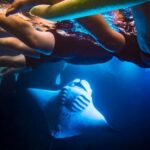
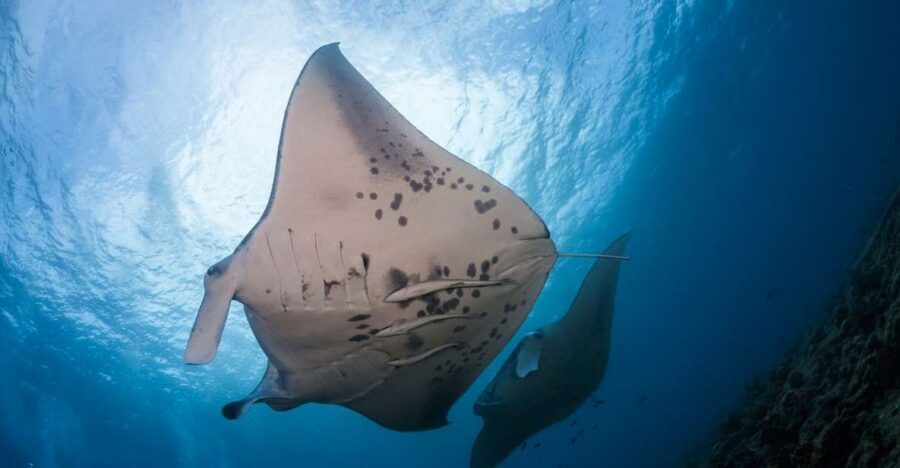
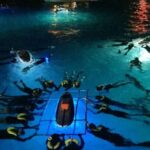
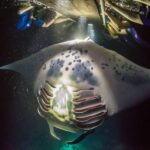
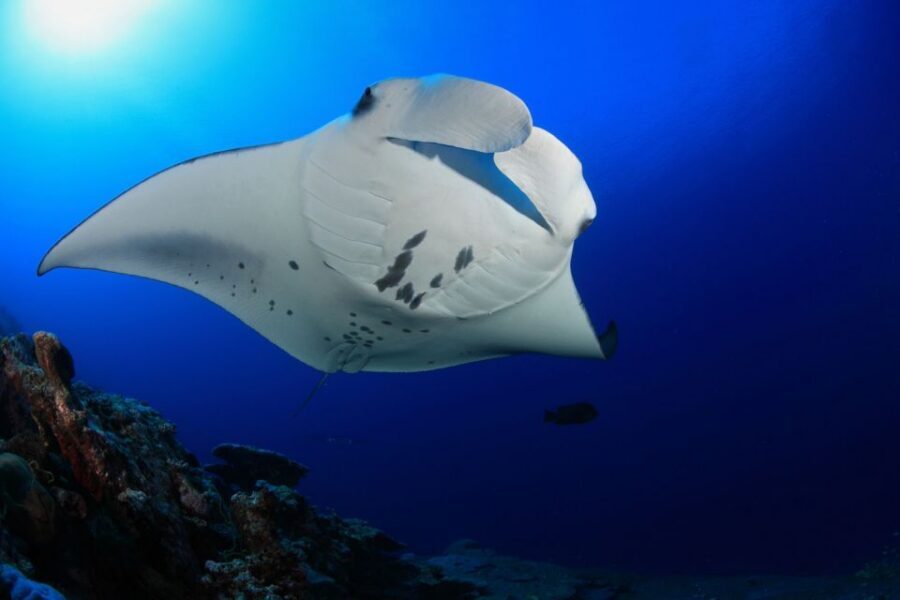
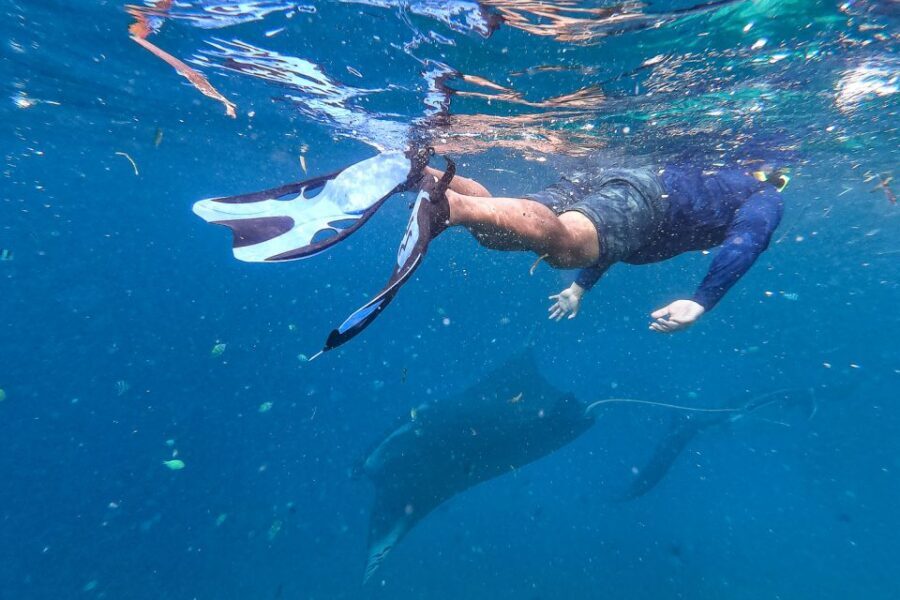
Here’s how it works: plankton rises at night, and the light on your manta float helps attract it toward the surface. That’s the meal signal. The mantas then glide in, feeding calmly underneath you. Instead of chasing fish or getting knocked around by waves, you mostly float—watching them cruise, angle their bodies, and “dance” as they feed below your line of sight.
That float-based approach also changes the vibe. You’re not constantly fighting to stay oriented. You can hold steady, look down, and let the animals do their thing. And when you see a manta ray that close—gentle, unhurried—it tends to feel more like watching a living sculpture than typical snorkeling.
Other Manta Ray night snorkel tours in Island Of Hawaii
Keauhou Bay and the 50-ft HokuNui: your first 30 minutes matter
Your day starts at Keauhou Bay Pier. Check in 15 minutes early with the crew in grey shirts so you can get fitted before boarding. You’ll want to arrive ready, because you’ll be fitted for a wetsuit right away.
A nice touch here is that the tour asks you to wear swimwear when you arrive. That makes the wetsuit fitting quicker, and it reduces the awkward shuffle time right before going out. (You’ll still want to plan for wet gear on the way back, since the tour doesn’t mention special changing facilities at the pier.)
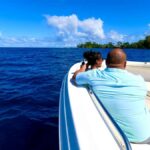
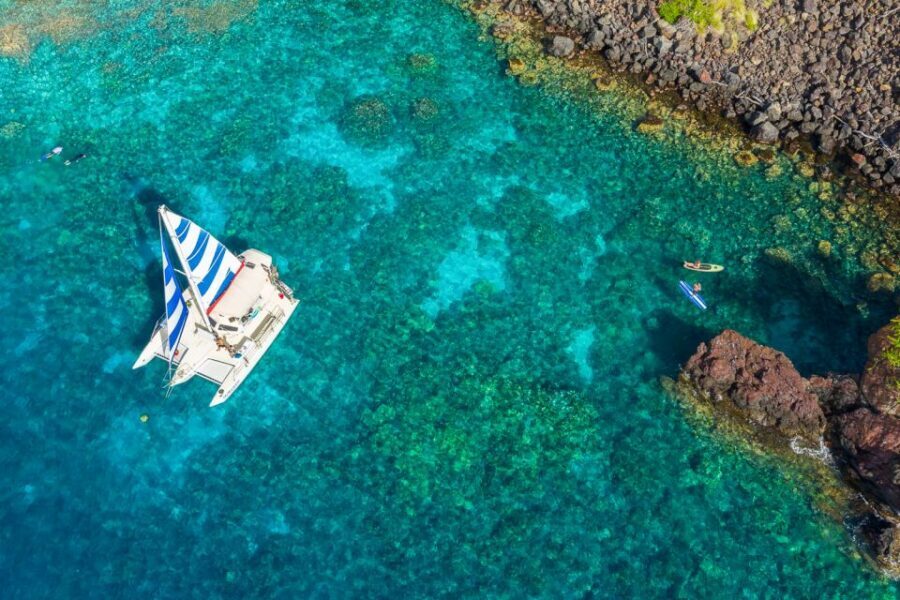
Then you board HokuNui, described as a 50-ft spacious sailing catamaran. The ride to the manta area is short once you’re underway—people consistently note the trip feels efficient. As the sun sets, you coast toward the World Famous Manta Ray Village, which helps set the mood: cooler air, darker water, and the feeling that you’re arriving right when the ocean starts “working” for the night feeding cycle.
Practical note: this is a shoeless boat. The tour is explicit about it. Bring shoes that are easy to remove, and expect to walk in socks (or barefoot where allowed) once you’re onboard.
The water session: how the manta floatation device changes everything
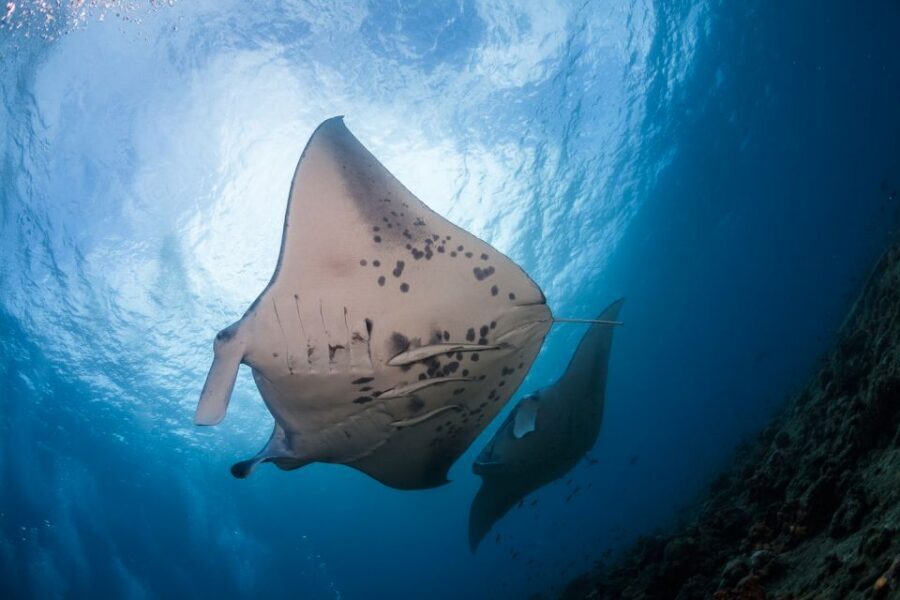
After you reach the site, you’ll get a briefing from expert guides. This is where the tour earns its high marks—clear instructions reduce confusion the moment you’re about to enter the water.
Then you’ll be guided onto the state-of-the-art manta floatation device. You’ll float above the mantas while they feed below. The crew also guides you on how to hold position and how to manage comfort. The snorkeling time is about 45 minutes, which I think is the sweet spot. It’s long enough that you can stop trying to “perform” and just watch, but not so long that you lose focus or get worn out.
Since you’re mostly stationary, your biggest physical challenge is usually posture—holding your head steady, keeping your arms and shoulders relaxed, and maintaining calm breathing. One small but helpful tip from experienced snorkelers: keep your arms straight while holding onto the floating dock. It helps reduce shoulder and neck fatigue during the waiting and watching.
What you’ll actually see under you
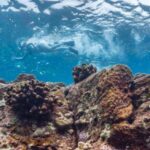
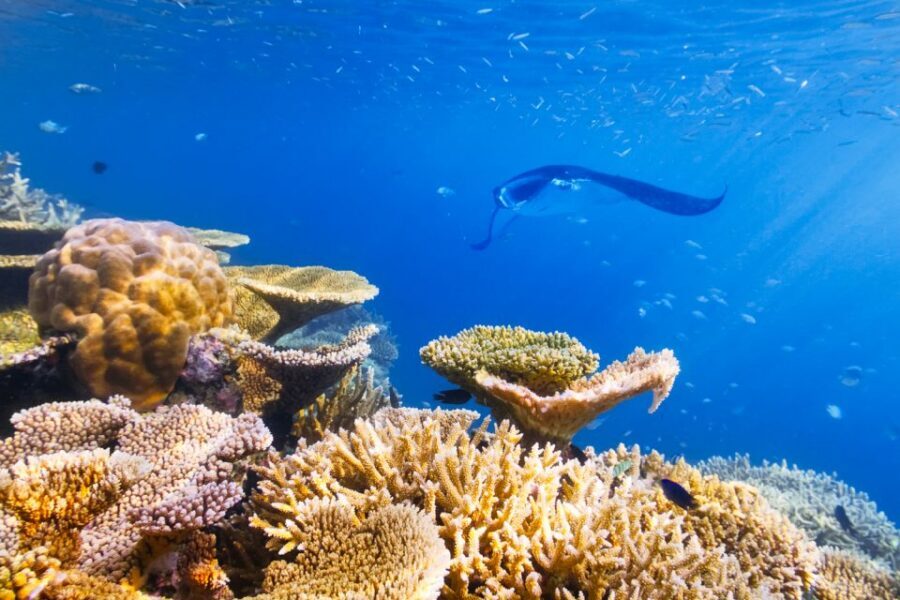
This tour isn’t about coral reefs or a quick sample of sea life. It’s about manta rays feeding at the surface.
When everything clicks, you’ll get to see multiple mantas glide in close to the float and feed inches below you. You may notice them rubbing against the float area while moving—an experience people often describe as oddly intimate because the mantas are so big and so still in motion.
Also, you’re not limited to just manta rays. Some encounters include other fish around the feeding area, especially when the plankton attraction is drawing in more marine life. The core experience, though, stays focused: mantas, close-up, calm, and unbothered.
One realistic consideration: animal appearances aren’t a factory output. One participant was disappointed by a slower or briefer manta encounter than expected. That’s the tradeoff with wildlife-based experiences. The good news is that the tour style is built around maximizing your odds by using the light-and-plankton setup—and the name includes a Manta Guarantee, which suggests they take sightings seriously.
Guides and captain: how the crew keeps the mood safe and fun
This kind of snorkeling works only if the guides manage two things at once: calm instruction and real attention in the water.
People consistently mention a competent, friendly crew, and at least one named leader stands out: Capt T-Roy. That matters because a captain and crew can change the whole tempo—from how quickly you get suited up, to how organized the water entry feels, to whether you feel confident handling the float.
In the water, it’s also reassuring when guides stay close and check in with anyone who feels uncomfortable. Since you’re floating and breathing normally rather than doing constant swimming, “I’m fine” can sometimes hide the early signs of fatigue. A safety-minded crew helps catch that before it becomes a problem.


Snacks, hot cocoa, and the ride back: closing the loop comfortably
When your snorkel session ends, the crew guides you back onboard. This is another place where small details add up: snacks and drinks are waiting, including hot cocoa and other warm beverages.
That warm option is smart on the Big Island. Even if the water is refreshing, the air can feel cool when you’re wet and sitting still. Bringing a towel helps a lot. The tour also suggests packing a light sweater for after the experience, which fits how the end-of-tour usually feels: damp hair, wind, and a quick change to get comfortable.
If you’re sensitive to motion, plan ahead for the boat ride too. One tip I like: if you get motion sick, sit on the outside part of the boat. Motion can hit differently depending on your seat, and that advice is practical enough to try.
Price and value: what $141 gets you
At $141 per person for a total tour length of about 2 hours, this isn’t a bargain-price activity. But it also isn’t just renting gear and hoping for the best.
Here’s what you’re paying for, in plain terms:
- A dedicated manta-ray float system (not just basic snorkel gear)
- A crew-led briefing and in-water guidance
- Wetsuits and snorkel gear (including masks, and prescription masks)
- Time in the water that’s long enough to make the experience land
- Warm and light refreshments afterward
If you’ve priced manta-focused snorkeling elsewhere, the floatation device and guided safety component are often what separate a smooth, confidence-building outing from a chaotic one. When the mantas show up close and calm, this tour can feel like you paid for a front-row seat to a natural feeding event—not just an activity.
That said, because it’s wildlife-based, the real value depends on your comfort level with the water and your flexibility if manta sightings are slower.
Who this tour fits best (and who should skip it)
This experience is a strong match if:
- You’re a confident swimmer and snorkeler able to handle the ocean without assistance.
- You like calm wildlife watching rather than fast reef snorkeling.
- You wear corrective lenses and want prescription masks included.
This tour is not a match if:
- You can’t meet the swimming/snorkeling requirement. The tour states you must be able to swim without assistance.
- You use a wheelchair. It’s listed as not suitable for wheelchair users.
Also, if you’re prone to motion sickness, you can still consider it, but do yourself a favor and choose a seat wisely. Bring your own plan (like Dramamine if you use it) and keep an eye on how you feel during the boat portion.
Small logistics that make the experience smoother
These are the details that decide whether you feel relaxed or stressed.
Wear swimwear on arrival. You’ll be fitted into a wetsuit, so the easier you make that, the better.
Bring a towel and light sweater. You’ll want to dry off and warm up after you’re back onboard.
Shoes off on the boat. Wear something easy to remove and avoid anything hard to take off quickly.
Plan for wet gear after. One participant wished there were a better place to change out of wet swimsuits before heading back. Since the tour data doesn’t mention dedicated changing space, bring what you need to manage that smoothly (a dry shirt or quick-dry towel can help).
Should you book the manta ray snorkel?
If you want manta rays up close and you’re comfortable swimming in open water, I’d say this is a very solid booking. The biggest reasons are the float-based manta viewing setup, the 45-minute water session, and the practical comfort pieces like wetsuits and prescription masks.
Book it if:
- You can swim and snorkel confidently.
- You love wildlife experiences where the animals come to you.
- You want a guided, safety-first outing with warm drinks and snacks afterward.
Skip it if:
- You’re not confident in open water.
- You’re counting on this to be calm and hands-off if you’re a beginner (the tour’s requirements are clear that you need real comfort).
- You need wheelchair accessibility.
If you’re a fit, this is the kind of night snorkel that can stick with you for a long time: floating still while manta rays glide below you, feeding like they’ve been doing this forever—because they have.
FAQ
How long is the manta ray snorkeling portion?
Snorkel time is approximately 45 minutes, with a total tour duration of about 2 hours.
What gear is included?
Snorkel gear is included, including masks and snorkels, wetsuits, manta floatation device, and light snacks, beverages, and hot cocoa.
Are prescription masks available?
Yes. Prescription masks are included.
Do I need to rent a GoPro?
No. GoPro rental is optional and not included.
What should I bring?
Bring swimwear and a towel. The tour also suggests bringing a light sweater for after the tour.
Are shoes allowed on the boat?
No. The boat is shoeless, and shoes are not allowed.
Who can participate in the water?
All guests entering the water with the manta rays need to be experienced swimmers and snorkelers able to swim without assistance.
Is it refundable if my plans change?
Yes. Free cancellation is available up to 24 hours in advance for a full refund.