REVIEW · BIG ISLAND OF HAWAII
Manta Ray Snorkeling by Night in Kailua-Kona, Hawaii
Book on Viator →Operated by Eka Canoe Adventures · Bookable on Viator
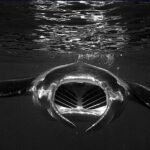
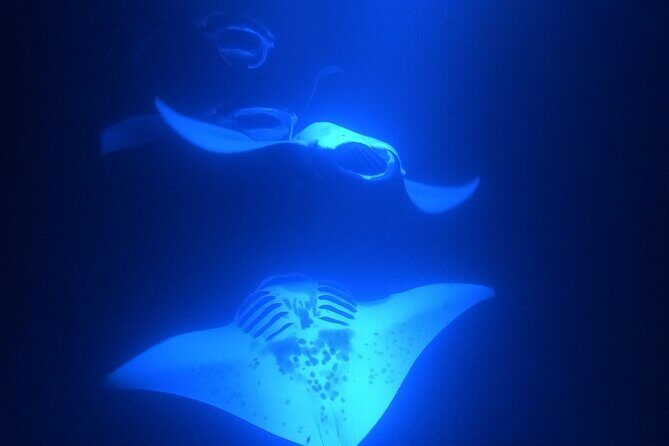
Manta rays at night feel unreal. In Kailua-Kona, this small-group snorkeling cruise brings you close to wild manta rays after dark using purpose-built lightboards and a lighted flotation setup that draws in plankton. I especially love the small-group max of 12 (it feels personal, not cattle-car crowded), and the historic-style double-hulled canoe that changes the whole vibe of getting to the site. The main drawback to keep in mind: manta rays are wild, so you are not guaranteed a sighting.
Safety and comfort are handled with real structure. You’ll meet in Kailua-Kona, put on a wetsuit top and snorkeling gear, then enter the water with help and clear instructions, with USCG-certified captains and experienced guides supporting the process. If you get anxious about nighttime water or you’re not a confident swimmer (or can’t climb a short ladder unassisted), this trip may be stressful.
In This Review
- Key things that make this manta snorkel work
- How the Kona night manta hunt works (plankton first, rays second)
- Canoe ride in the dark: why the double-hull matters
- Getting in the water: wetsuit tops, floatation gear, and ladder reality
- Timing and water time: what 1 hour feels like at night
- Small group max 12: the attention you want when it’s dark
- Price check: is $127.10 a good value in Kona?
- Manta ray guarantee: what to do if the ocean is quiet
- Practical tips that make the night easier
- Who this manta ray snorkeling suits best
- Should you book this manta ray snorkeling at night?
- FAQ
- How long is the manta ray snorkeling tour?
- What time does the tour usually run?
- Is this a small group?
- What if no manta rays are spotted on our tour?
- Do I need to be a strong swimmer?
- What snorkeling gear is included?
- Where do we meet in Kailua-Kona?
- What should I bring for after the water time?
- What is the minimum age?
- Can I cancel and get a refund?
Key things that make this manta snorkel work
- Night lightboards bring plankton close: the attraction is food (plankton), not feeding the manta rays.
- Small group keeps attention on you: max 12 people means easier guidance and calmer water time.
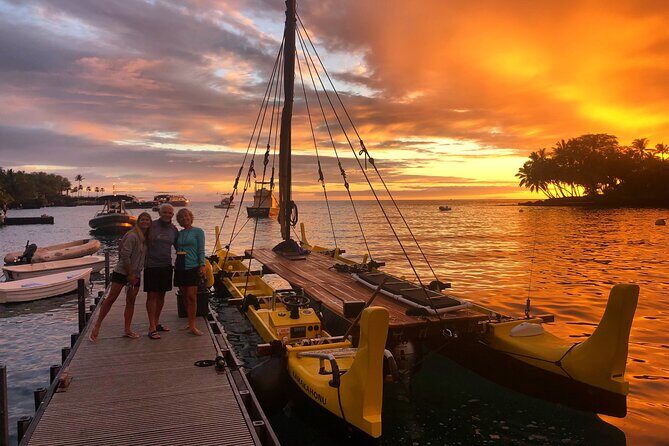
- Canoe ride is part of the experience: a double-hulled Hawaiian sailing canoe makes the trip feel distinct from big boats.
- Guided floating and snorkeling: you’re in the water with a guide, plus a lighted floatation device to support viewing.
- Manta ray guarantee for rescheduling: if you don’t spot a ray, you get another attempt (no refunds for missed sightings).
How the Kona night manta hunt works (plankton first, rays second)
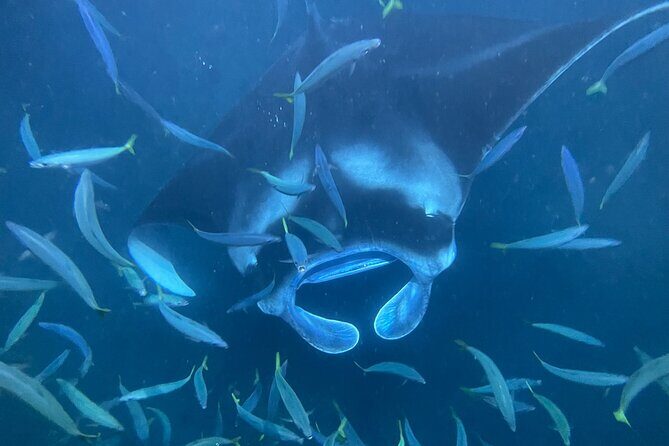
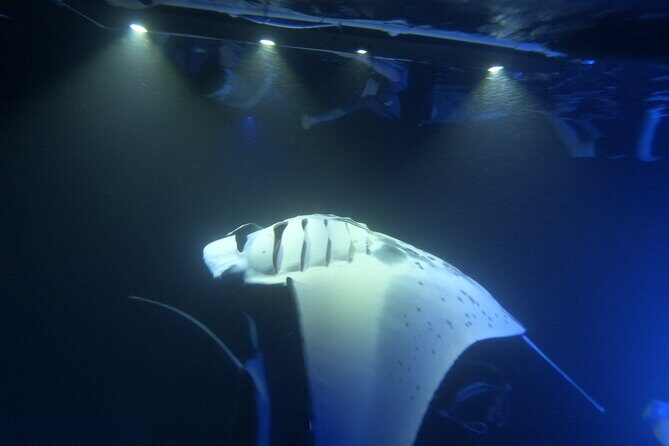
This is built around one simple idea: manta rays show up when their food is present. At the Kona coast site, the crew uses lighted equipment and purpose-built lightboards to attract plankton, which brings manta rays to the area to feed. So you’re not waiting around in total darkness hoping for a miracle—you’re in a controlled, guided setup designed to improve your chances.
That matters for your expectations. When you book manta snorkeling at night, the natural question is how much control you really have. Here, the “control” is over the lighting plan and the viewing setup, not over the manta rays themselves. The result is that a great night can feel extremely close and active, while a slower night can still be a cool ocean experience—but with no guarantee.
One more detail that affects the feel in the water: the light system is described as blue-hued and designed for effectiveness. In practice, lighting isn’t just about helping you see. It also shapes what the manta rays do once they arrive, because the plankton reaction is what gets them moving into your viewing area.
Other Manta Ray night snorkel tours in Big Island of Hawaii
Canoe ride in the dark: why the double-hull matters
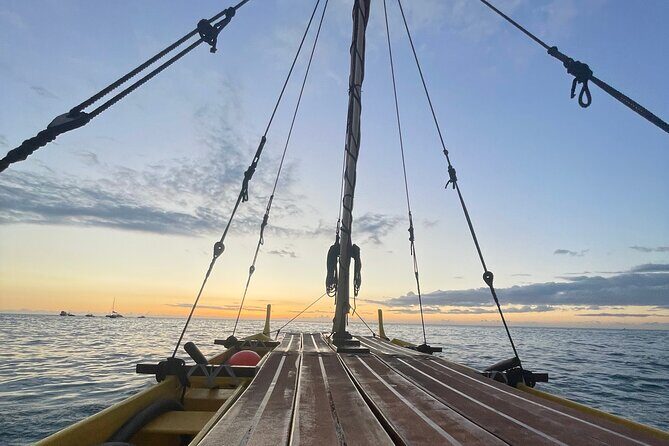
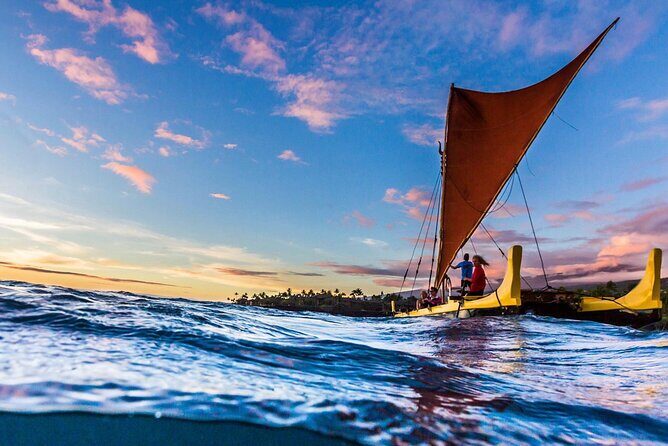
The short cruise out isn’t the main event, but it sets the tone. Instead of a large motor boat, you go on a historically accurate double-hulled Hawaiian sailing canoe style ride. Even if you’re mostly focused on the snorkeling, getting there this way changes the pacing and reduces the “organized excursion factory” feeling.
Many people love this format because it turns the trip into a sequence: meet up → gear up → quick sail out → brief transitions to the water → snorkeling time under moonlit skies → back to shore. The canoe is part of the story you’ll remember, not just transportation.
If you’re the type who enjoys atmosphere—calm water sounds, a small group moving together, and guides talking you through what happens next—this canoe approach is a real value add.
Getting in the water: wetsuit tops, floatation gear, and ladder reality
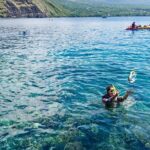
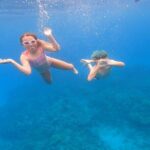
Night water off Kona can feel cooler than daytime, and this operator provides a wetsuit top for warmth. You also get floatation devices and snorkeling equipment, including options for normal use and Rx snorkeling gear. That’s a practical big deal. Fewer trips to rent gear means less friction and more time spent doing the actual experience.
You should also plan for the entry and exit. The requirement is that you must be able to swim and climb a short ladder unassisted. That means this isn’t a “stand in ankle-deep water and watch” kind of tour. You’re floating and snorkeling as part of the viewing process, so your body needs to handle nighttime conditions plus a ladder step.
What I like about the way the trip is structured is that help is built into the process. People have praised the staff for being encouraging when it’s time to enter the water, and for taking safety seriously during boarding and ladder moments. If you’re nervous, that supportive coaching can be the difference between backing out and having a memorable night.
Also note who the trip isn’t for: it’s not recommended for people who recently had surgery, and it may not work well for those with mobility or physical restrictions.
Timing and water time: what 1 hour feels like at night
The advertised duration is about 1 hour, but you should think in terms of total cruise plus time in the water. The experience is described as running roughly 1 hour 15 minutes, with actual snorkel time commonly lasting 45 minutes or more once the manta rays show up and the team gets everyone positioned.
So the night feels short on paper, but usually not short in reality. Once you’re in the water with the lighted viewing setup, you’re not moving around constantly. You’re floating, watching, and following the guide’s pacing. That makes the time feel richer than a fast boat tour.
Departure times can vary. Some people have gone at 6:00pm and others at 8:15pm, which affects the overall vibe. Earlier starts can include a sunset moment before you head into the darker phase. Later starts can mean more moonlit water time from the beginning.
A practical tip: if you’re prone to motion sickness, plan ahead. The tour doesn’t include motion sickness medication, and guides will support you during the water time, but the best defense is to come prepared.
Small group max 12: the attention you want when it’s dark
Maximum group size is 12. That number matters more than it sounds. In open water at night, more people means more chaos during entry, more crowding around the lightboard/float points, and less personal guidance.
With a smaller group, you typically get:
- clearer instructions on how to hold position and snorkel safely
- faster check-ins from the guides
- less waiting for others during the transition in and out of the water
The tone tends to be calm and focused. Many people specifically mention feeling safe the entire time, with crew members staying engaged and vigilant.
You’ll also hear narration. During the waiting moments (when you’re floating before manta rays arrive), a guide provides information about the rays and what you’re looking at. That turns waiting time into learning time instead of “just treading water.”
Past groups have also named multiple crew members and guides, including Ni’Koa, Kalala, Kama, Chris, Lance, Chaden, Beck, Tayler, and Rob. The roster varies by night, but it’s a good sign that people remember specific staff for professionalism and encouragement.
Other evening experiences in Big Island of Hawaii
Price check: is $127.10 a good value in Kona?
At $127.10 per person for about an hour, this isn’t a budget activity. But it also isn’t overpriced in the way many one-of-a-kind tours can be.
Here’s the value math that makes sense for your money:
- Equipment is included: wetsuit top, floatation devices, snorkel gear, and Rx snorkeling gear. You’re not paying extra for rentals.
- Night operation costs money: staff, boats/canoes, and specialized manta attraction lighting all run at night.
- Small-group experience: fewer people can reduce the stress factor and improve your viewing time quality.
- Safety and standards are emphasized: the operation is described with USCG-certified captains, safety protocols, and well-maintained gear.
One review notes frustration that the time felt short for what someone expected. That’s a real risk anytime you buy a short ticket. If you want a long, slow evening, this may not fit. But if you want a focused manta-ray encounter window where you’re actually in the water rather than waiting all night, the short format can feel like a strength.
My advice: compare like for like. In Kona, manta ray tours vary mainly by group size, guide-to-guest attention, and the quality/effectiveness of the light system. If those pieces match what’s described here, the price has a logical basis.
Manta ray guarantee: what to do if the ocean is quiet
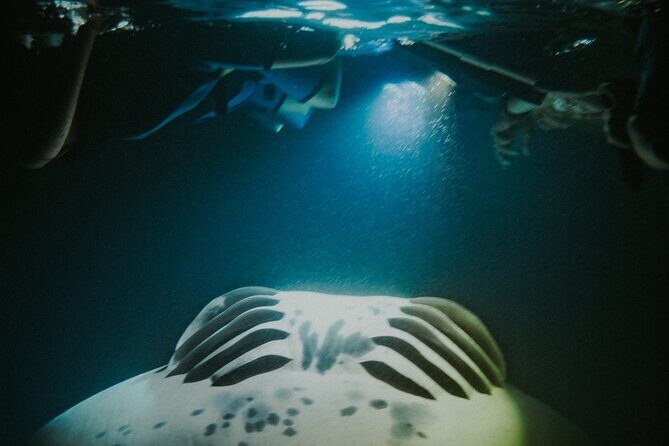
The operator can’t guarantee manta ray sightings because they’re wild. That’s not a unique issue in Kona—it’s how the animal behavior works. Even with the same light setup, some nights are active and some are slower.
If you don’t spot a manta ray during your tour, the “guarantee” works as a second chance. You can return another evening or on a future visit to Kona, Hawaii, based on available seats. Importantly, refunds aren’t offered for missed sightings, so the plan is rescheduling, not cash back.
For you, that means two things:
- If manta rays are the absolute centerpiece of your trip, consider building in schedule flexibility.
- If you only have one night in Kona, it can help to accept that wildlife has its own timetable.
Practical tips that make the night easier
These are the small things that usually separate a smooth evening from a stressful one:
- Bring a towel. People strongly recommend having something dry ready for after you’re back on land.
- Wear what keeps you warm. You get a wetsuit top, but nighttime water and wind can still feel chilly.
- Opt in to the text message updates if offered during booking. The reminders include pictures and instructions to help you find parking and the check-in location.
- Plan for no extras: coffee/tea and snacks aren’t included, and private transportation isn’t included either.
- If you’re nervous about ladder entry, don’t white-knuckle it. Tell the crew early that you want step-by-step help.
Also, you’ll meet at 78-7130 Kaleiopapa St in Kailua-Kona, and the tour ends back at the same meeting point. It’s also noted as near public transportation, which can make timing easier if you’re not driving.
Finally: remember the manta rays are completely wild animals. They’re not fed or trained. Your job is to stay safe, stay calm, and let the rays do what wild rays do.
Who this manta ray snorkeling suits best
This experience fits best if you:
- can swim and can climb the short ladder unassisted
- are comfortable with nighttime water conditions
- want a small-group format with lots of guidance
- care about the canoe ride atmosphere as part of the outing
It may be less ideal if you:
- have mobility issues or recent surgery
- want a guaranteed manta ray sighting with no wildlife variability
- prefer long, slow tours rather than a focused time window
Families can go too. The minimum age is 5 years old, and multiple family groups have had positive experiences—especially the ones who were helped with confidence during the entry process.
Should you book this manta ray snorkeling at night?
If your heart is set on seeing wild manta rays from close range, this is the kind of tour that makes sense. The small group size, guided floating/snorkeling, included wetsuit top and gear, and the canoe format combine into a night that feels organized without feeling industrial. I also like that the manta attraction method is plankton-based, not feeding.
Book it if you’re willing to do two things: swim well enough for ladder entry, and accept that manta rays follow their own schedule. If that wildlife uncertainty will ruin your trip mood, then plan a backup night in Kona so you’re not hanging everything on one evening.
Overall, for most people, the value isn’t just the manta rays—it’s the way the night is run. Calm guides, focused attention, and a setup designed to get you watching quickly once the lights do their job.
FAQ
How long is the manta ray snorkeling tour?
The experience is about 1 hour (approx.). One description also mentions around 1 hour 15 minutes total, with actual snorkel time commonly lasting 45 minutes or more.
What time does the tour usually run?
Tours depart in the evening. People have booked departures around 6:00pm and 8:15pm, depending on the night’s schedule.
Is this a small group?
Yes. The maximum group size is 12 travelers.
What if no manta rays are spotted on our tour?
The operator can’t guarantee manta ray sightings because they’re wild. If you don’t see a manta ray, the manta ray guarantee provides another chance to come back for an attempt on a different evening or a future visit (pending available seats). Refunds aren’t offered for missed sightings.
Do I need to be a strong swimmer?
You must be able to swim and climb a short ladder unassisted.
What snorkeling gear is included?
You get snorkeling equipment, floatation devices, and a wetsuit top. Snorkel gear includes normal and Rx options.
Where do we meet in Kailua-Kona?
Meet at 78-7130 Kaleiopapa St, Kailua-Kona, HI 96740, and the activity ends back at the meeting point.
What should I bring for after the water time?
A towel is a good idea, since you’ll want to dry off after nighttime ocean time. Coffee/tea and snacks are not included.
What is the minimum age?
Minimum age allowed onboard is 5 years old.
Can I cancel and get a refund?
Yes. Free cancellation is available up to 24 hours in advance for a full refund. Canceling less than 24 hours before start time is not refunded.