REVIEW · BIG ISLAND OF HAWAII
Kaimana Ocean Safari
Book on Viator →Operated by Kaimana Ocean Safari · Bookable on Viator
A Kona ocean safari that feels like a real expedition.
I love the small-group vibe and the way the crew treats safety like part of the fun. I also love the safari-style scanning along the dramatic coastline, where you’re searching shallow drop-offs and open-ocean water. The catch: this is deep water, so you’ll need to swim well and climb a ladder—this isn’t a mellow stroll for true beginners.
What makes this tour special is the mix of adventure and education. You’ll cruise, watch, and learn about Hawaii’s marine life while the crew looks for the animals that are actually around that day. The “safari” approach fits how Hawaii works: you’re not buying a guaranteed checklist—you’re buying time on the water with people who know where to look and how to act when you find them.
In This Review
- Key reasons this safari works
- The setting: why Kona is a great place to hunt marine life
- What makes it a true small-group ocean safari (not a cattle-call)
- The big promise (and the honest limitation): you can’t guarantee sightings
- Your morning at sea: how the safari search usually plays out
- Stop style 1: coastal scanning and spotting potential wildlife
- Stop style 2: snorkel time that may mix reef and open-water conditions
- Stop style 3: off-shore pursuit for pelagic life
- Safety and fitness: the ladder matters more than you think
- What you get (and what you need to bring)
- The guide factor: why people keep praising the crew
- Wildlife moments that tend to make the trip worth it
- Value: is $200 a fair price?
- Who should book this safari (and who should pick something else)
- Tips to get the most out of your Kaimana Ocean Safari
- Should you book Kaimana Ocean Safari?
- FAQ
- How long is the Kaimana Ocean Safari?
- Where does the tour start and when?
- What wildlife might I see during the tour?
- Do I need to be a strong swimmer?
- What’s included in the price?
- What should I bring with me?
- How many people are on the boat?
Key reasons this safari works
- Max 6 travelers: easier help in the water and more personal attention
- Safari-style search: the boat reads the coastline and offshore conditions, not just one fixed spot
- Deep-water potential: you could see shallow reef creatures and open-ocean wildlife in the same trip window
- Clear in-water rules: the crew gives a strong safety briefing so you can focus on the moment
- Marine-respect mindset: guests repeatedly note the careful spacing and conservation-minded behavior
The setting: why Kona is a great place to hunt marine life
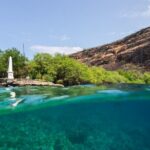
Kona is one of those places where the ocean changes fast. Along parts of the coastline you get quick depth drops, which matters for snorkeling. If the water is cooperating, that depth shift can put you near both reef-adjacent animals and creatures that normally live farther out.
That’s the main idea behind Kaimana Ocean Safari: you’re not only planning where to snorkel—you’re also planning how to find. The crew starts by scanning the coast for wildlife from the boat right away, so the morning doesn’t feel like dead time waiting for something to happen. Instead, you’re learning the ocean while you move through it.
Other dolphin and wildlife tours in Big Island of Hawaii

What makes it a true small-group ocean safari (not a cattle-call)
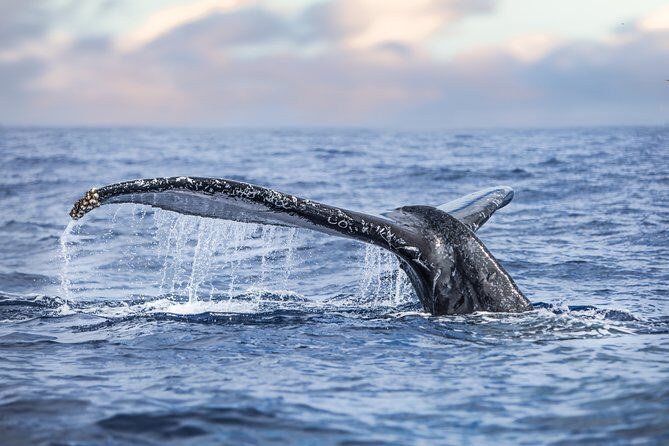
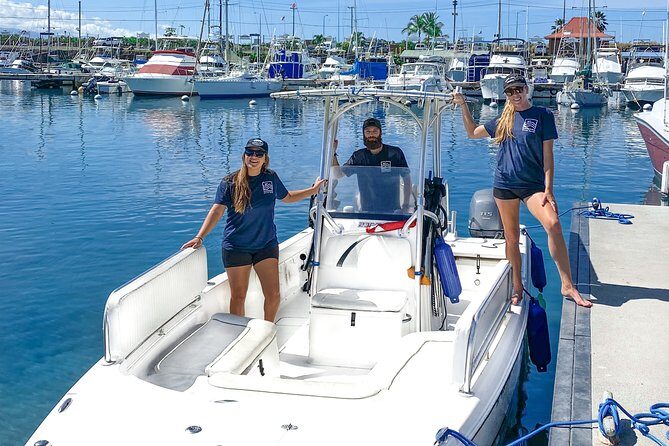
This is capped at 6 travelers, which changes the whole feel. On a small boat, you get more hands-on help getting fitted with snorkeling gear, and the crew can manage different comfort levels without turning the experience into a one-size-fits-all routine.
That small size also makes the trip more flexible when conditions shift. Marine life isn’t on schedule. If the crew spots dolphins, whales, or manta rays moving through an area, a small group is easier to reposition quickly and safely.
And the vibe matches the leadership style people praise most: friendly, calm, and very focused on marine stewardship. Names that show up again and again in guest stories include Cam and Dev, plus other guides such as Kay, Olivia, Alice, Morri, and Liv. (Exact crew can vary by day, but the approach seems consistent.)
The big promise (and the honest limitation): you can’t guarantee sightings
Here’s the deal you should go in with. Nature controls the schedule. This tour can’t promise specific animals every time. What it does offer is the best shot during a full four hours on the water, using a safari-style search that targets both shallow and pelagic possibilities.
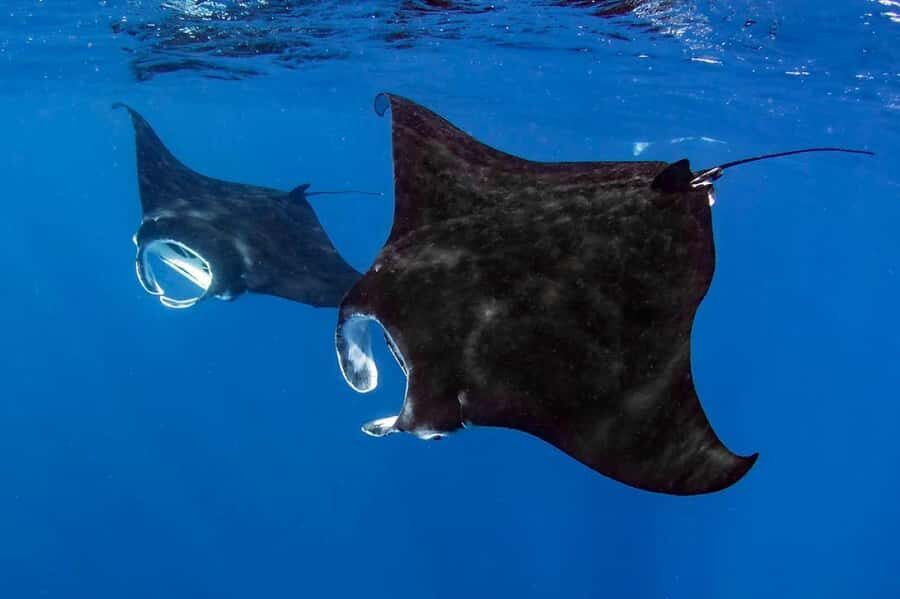
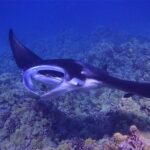
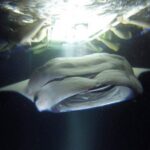
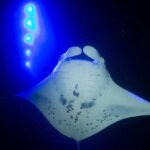
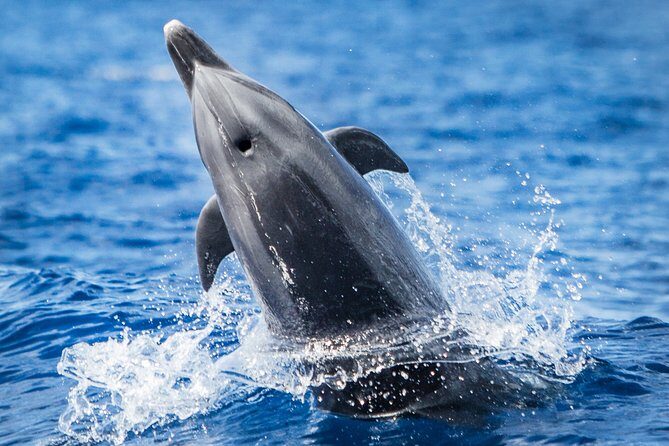
The tour’s own wildlife list includes: sea turtles, a variety of fish, dolphins, whale species, sharks, and manta rays. Based on what people describe, you may also get close enough for truly memorable interactions—when the animals are there and conditions allow it.
If you’re hoping for a guaranteed manta ray or a whale-sighting bingo card, you might feel frustrated. If you want a guided ocean day with real chances and real education, this style makes sense.
Your morning at sea: how the safari search usually plays out
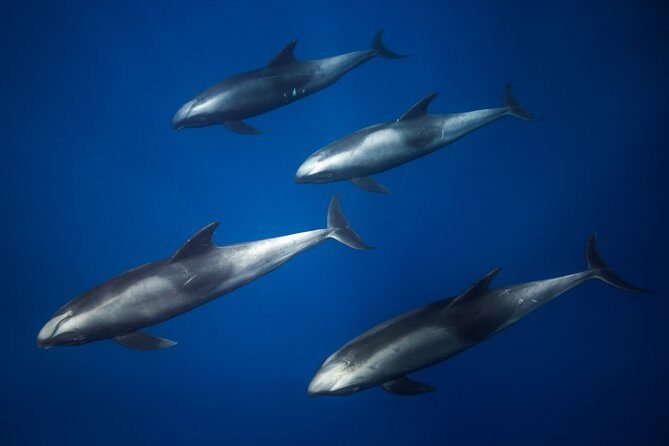
Your tour starts at 8:00 am at 74 Kealakehe Pkwy, Kailua-Kona, and it ends back at that same meeting point. It’s set up to feel like you’re living inside a wildlife search, not just visiting a snorkel location and calling it done.
From the moment you step aboard, the crew begins scanning the Kona coastline. The reason is depth: Hawaii’s coast can have a rapid, deep drop-off, meaning you can encounter animals in different parts of the water column during the same overall outing.
Stop style 1: coastal scanning and spotting potential wildlife
Think of this as the “eyes on the ocean” phase. The crew watches for signs of marine activity and then decides where to position the boat. This is also when you’ll get that educational part—learning what the guides expect and how they want you to behave if you enter the water near animals.
A few more Big Island of Hawaii tours and experiences worth a look
Stop style 2: snorkel time that may mix reef and open-water conditions
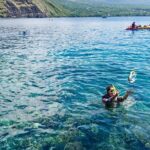
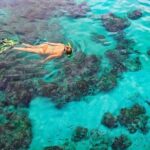
You’ll have snorkeling equipment included, and you’ll get several chances to get in the water during the four-hour window (the exact rhythm can change with wind, visibility, and animal movement).
Some days may include more reef-friendly snorkeling options so a wider range of swimmers can participate. Other moments may be more “open water,” where the reward can be bigger animals—but the entry and swimming demands are higher. Your guides will make the call based on conditions.
A key point: the crew notes you go into deep water for open-ocean wildlife on nearly every tour, and the search for pelagic life can take time. That means the schedule is built around the search, not around a strict checklist of stops.
Stop style 3: off-shore pursuit for pelagic life
Pelagic animals don’t hang around like fish in a tank. They travel. When the crew finds a lead, the safari approach helps: instead of staying locked to one location, you move to where the life is.
People describe spotting dolphins, whale species, manta rays, and sharks, sometimes with close boat encounters. If you’re the type who loves watching animals behave naturally rather than rushing from one spot to the next, you’ll probably love this part.
Safety and fitness: the ladder matters more than you think
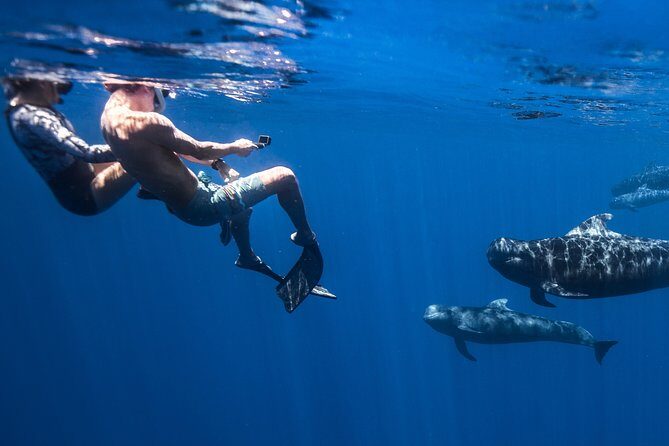
The tour requires a level of comfort in the water. You should be able to swim and have a degree of athleticism. You also must be able to climb up a ladder to participate.
There’s also an in-water weight limit of 300 lbs, and a 4 ft height limit for children. Service animals are allowed, and the tour is described as suitable for travelers with moderate physical fitness.
So ask yourself honestly: can you handle open water with guidance, plus a ladder entry and exit while staying calm? If the answer is no, you’ll likely feel stressed instead of excited. If the answer is yes, this tour can feel like a front-row seat to Hawaii’s marine world.
What you get (and what you need to bring)
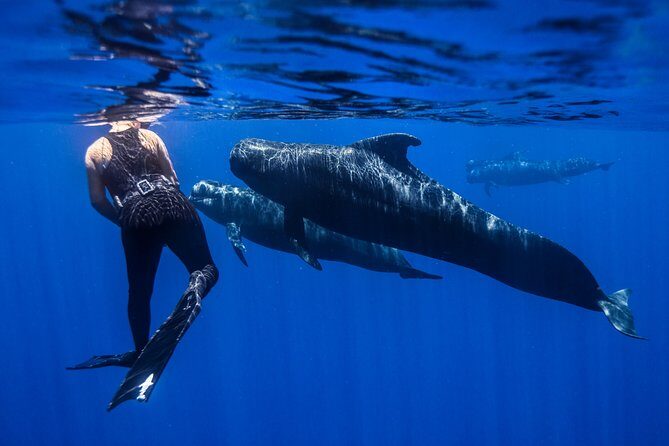
Included:
- Snorkeling equipment
- Snacks
- Bottled water (the company states they do not support single-use plastic and that filtered water is provided on the boat)
Not included:
- Towels
- Rash guards
- Sun protection
You’ll want reef-safe sunscreen: the guidance is zinc only and bring what you’ll need.
Practical tip: if you like to travel light, consider packing a simple rash guard and a quick-dry towel just in case. The tour gives you the snorkeling gear, so you can focus your packing on comfort and sun protection.
The guide factor: why people keep praising the crew
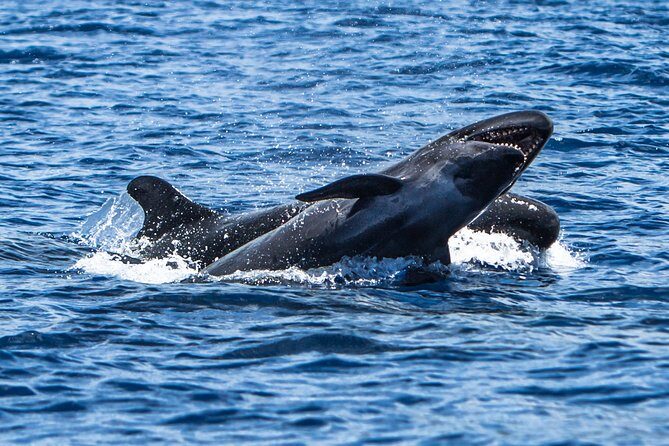
A lot of ocean tours say they’re educational. This one actually seems to match how guests describe the experience: clear briefing, helpful gear support, and a strong respect for wildlife behavior.
You’ll hear repeatedly that guides are friendly and take safety seriously. Many guests also mention moments where guides helped them feel secure when animals appeared close to the boat. And in multiple accounts, the crew is praised for doing wildlife encounters responsibly—keeping distance and removing trash.
That’s more than a feel-good point. It affects your experience. When a crew manages safety and animal behavior well, you spend more time watching and less time worrying.
Wildlife moments that tend to make the trip worth it
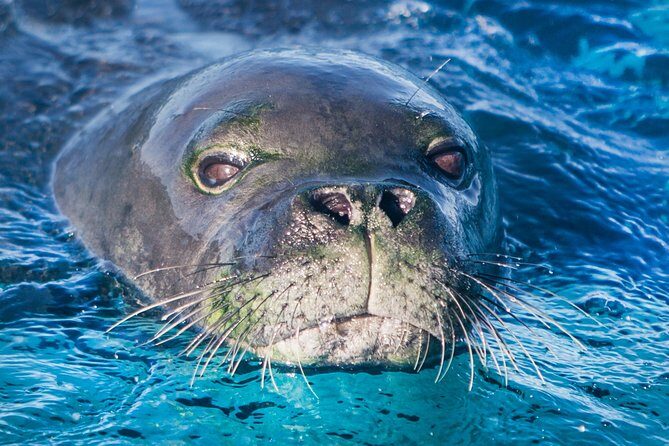
Since sightings can vary, I’d focus on categories rather than promises. The tour’s described possibilities include:
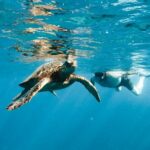
- Sea turtles and lots of fish species
- Dolphins (spinner and bottlenose show up in guest stories)
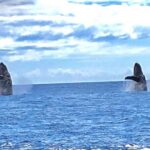
- Whale species, including humpback and pilot whales mentioned by guests
- Sharks, including white-tip and oceanic types mentioned
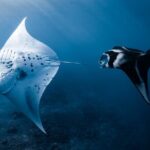
- Manta rays, with guest stories describing multiple manta rays and close encounters
One of the most magical patterns in guest stories is the mix of boat time plus water time—spot something on the surface, then get into the water for a better look when conditions and animal behavior allow it.
Even when the day isn’t loaded with multiple big animals, the safari-style search still gives you a lot to do: scanning, learning, and reacting to what shows up.
Value: is $200 a fair price?
At $200 per person for about four hours, this isn’t a budget snorkel. But it also isn’t priced like a big, impersonal cattle-call tour.
The value hinges on three things:
- Small group size (max 6), which tends to improve safety and help in the water.
- Open-ocean search style, which gives you a broader chance at pelagic encounters compared with a single reef stop.
- Included gear + snacks + filtered water, meaning you’re not adding a bunch of extras just to get basic comfort.
If you want a calm reef snorkel only, you may find cheaper options. If you want a guided morning that can turn into dolphins, manta rays, and whale sightings—and you’re okay with the “wildlife isn’t guaranteed” reality—this price starts to make sense.
Who should book this safari (and who should pick something else)
Best fit if you:
- Want a small-group ocean day
- Are comfortable with open water and ladder entries
- Can swim and handle a more active snorkeling style
- Like wildlife education and boat-based searching
Maybe choose a different option if you:
- Are true beginner-level in the water and don’t want to rely on ladder steps
- Travel with very young kids or anyone under the 4 ft limit
- Want a guaranteed reef-only snorkeling plan with low physical demands
Tips to get the most out of your Kaimana Ocean Safari
- Bring reef-safe sunscreen (zinc only) and plan for sun.
- If you have your own reusable bottle, consider bringing it since filtered water is provided.
- Go in with flexible expectations: your best day is the one where you trust the guides and enjoy the search.
- Pay attention during the safety briefing. Guests consistently credit that clarity with helping them feel safe when big marine life shows up.
Should you book Kaimana Ocean Safari?
If your idea of a perfect Big Island day is time on the water, a serious wildlife search, and a crew that prioritizes safety and marine respect, I’d say yes—especially if you’re comfortable swimming and climbing a ladder.
If you only want shallow, easy snorkeling, or you’re counting on a specific animal, this may not match your style. The safari format is a trade: you gain more potential variety and real excitement, but you accept that Hawaii stays wild.
If you fit the fitness requirements and you’re excited by the chance of open-ocean encounters, Kaimana Ocean Safari is a strong bet.
FAQ
How long is the Kaimana Ocean Safari?
It’s listed at about 4 hours on the water.
Where does the tour start and when?
It starts at 8:00 am at 74 Kealakehe Pkwy, Kailua-Kona, HI 96740, and it returns to the same meeting point.
What wildlife might I see during the tour?
The tour notes potential sightings of sea turtles, various fish species, dolphin and whale species, sharks, and manta rays. Exact sightings can’t be guaranteed.
Do I need to be a strong swimmer?
You should be able to swim and climb a ladder. The tour also notes a degree of athleticism, and it may not be ideal for beginners or some children.
What’s included in the price?
Snorkeling equipment, snacks, and bottled water (filtered water is provided on the boat) are included.
What should I bring with me?
Bring towels, rash guards, and sun protection, plus reef-safe zinc-only sunscreen. If you want, bring a reusable bottle.
How many people are on the boat?
The tour has a maximum group size of 6 travelers.