REVIEW · BIG ISLAND OF HAWAII
Manta Ray Night Snorkel Experience of a Lifetime
Book on Viator →Operated by Snorkel Big Island · Bookable on Viator
Manta rays under the stars beat any aquarium. I love how this night snorkel runs with USCG-licensed captains and certified in-water guides, plus the vibe stays calm on a small boat capped at 18. My only heads-up: manta rays are wild, so sightings are never guaranteed.
This is a roughly 2-hour outing on Hawaii’s Big Island, usually with a 15–20 minute boat ride to either the northern Garden Eel Cove site (often called Manta Heaven) or farther south to Keauhou (Manta Village). You’ll slide in, float, and hang on the custom light board while the ocean does its thing—then look up at stars and city lights on the ride back.
In This Review
- Key Things I’d Plan Around
- Price and What You’re Really Paying For
- Meeting Point to Check-In: How to Avoid a Stressful Start
- The Boat Ride Out: Stars, City Lights, and Motion Reality
- On the Water: Wetsuit, Safety Briefing, and the Light Board Moment
- Cold water is real, so dress like it
- Small but useful tips
- Garden Eel Cove vs Keauhou: Two Sites, Different Feel
- The Wildlife Reality Check: Manta Policy Without Sugarcoating
- What success looks like
- When things go wrong
- Crew and Atmosphere: Helpful, Small-Team Energy (and the Occasional Miss)
- Who Should Book This: Fit Check Before You Commit
- Families and kids
- If you get cold easily or have motion sickness
- What to Pack (Simple List That Actually Helps)
- Should You Book It?
Key Things I’d Plan Around
- Gear and wetsuit are included so you can travel lighter
- Two manta-ray zones: Garden Eel Cove (Manta Heaven) or Keauhou (Manta Village)
- Custom light board helps draw plankton that brings mantas in to feed
- Safety is built in with USCG-licensed captains and American Red Cross certified in-water guides
- Sighting odds vary because mantas can take the night off
- You’ll need to climb the ladder and be comfortable in the water; English helps a lot
Price and What You’re Really Paying For
At about $79.46 per person for roughly two hours, this falls into the “reasonable for what you get” category—mainly because the big costs are already handled: snorkel equipment, a shorty wetsuit, and certified in-water guidance. You’re not paying extra for the core experience.
The part that’s harder to price is the wildlife element. You’re not booking an exhibit. You’re booking a nighttime hunt for manta rays in a wild feeding area, using lighting and site selection to maximize your chances. That’s why the operator has a manta policy (try again on another night, with rules depending on how you booked) and also why refunds can be tricky when no mantas show up. It’s not the kind of activity where “guaranteed” should be the expectation.
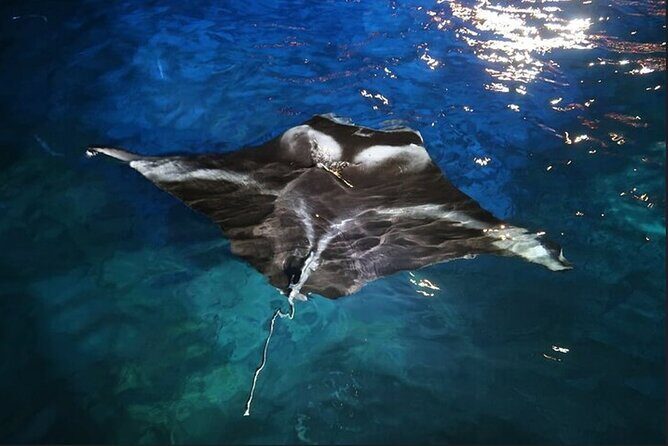
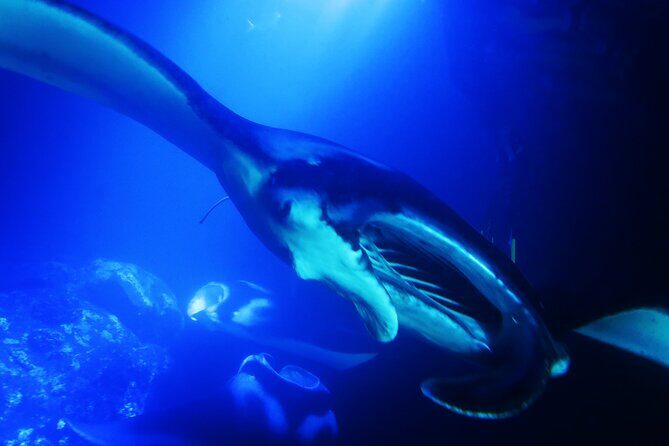
Still, when it clicks, it’s the kind of nature encounter that feels personal: mantas can cruise close enough that you notice their size, their movement, and how calm they are as they feed.
Other Manta Ray night snorkel tours in Big Island of Hawaii
Meeting Point to Check-In: How to Avoid a Stressful Start
The meeting address is Snorkel Big Island at 74-380 Kealakehe Pkwy, Kailua-Kona. The ride begins from Honokohau Harbor, with a boat trip of about 15–20 minutes once you’re on the water.
Here’s the practical trick: confirm your check-in time directly with the tour provider. Check-in can be up to 40 minutes early and no less than 15 minutes prior to tour time. I’ve learned to treat that as non-negotiable, especially for night activities where finding staff is part of the challenge.
Two more planning points that matter:
- The tour is English operated. You’ll need to understand verbal safety instructions.
- You should be able to climb up a boat ladder independently.
If you’re thinking, “I can probably do that,” do a quick self-check before you go. One missed step in the dark turns an adventure into a hassle.
The Boat Ride Out: Stars, City Lights, and Motion Reality
Once you depart Honokohau, you’re looking at a short ride—again, about 15–20 minutes—to the feeding zone. Depending on conditions, you’ll head either to Garden Eel Cove (often labeled the northern manta spot, Manta Heaven) or farther south to Keauhou (the Manta Village area).
This ride is part of the payoff. The operator encourages you to look up for stars and city lights during the return trip. It’s also the time when you can get your bearings, settle your breathing, and mentally switch from “beach mode” to “night ocean mode.”
One note: this is the ocean at night. A few people reported feeling seasick, especially during the boat portion and while floating. If you’re prone to motion sickness, plan ahead. If you’re not sure, consider packing what you normally use for that. (One person specifically mentioned using Gravol.)
On the Water: Wetsuit, Safety Briefing, and the Light Board Moment
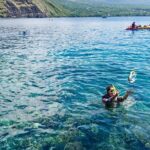
You’ll gear up on the start side: snorkel equipment and a shorty wetsuit are included. You’re also working with USCG-licensed captains plus American Red Cross certified in-water guides. That matters because night snorkeling has two risks: cold surprises and disorientation.
After you’re out to the site, the setup is straightforward:
- You’ll slide in and relax while hanging onto a custom-made light board.
- The guide helps place you so you get the best view and stay safe as mantas move around you.
- You watch the water column for the feeding behavior that brings those giants close.
How long are you in? The time in the water isn’t spelled out in the core details, but plan around about 30 minutes. One review even described a minimum time approach when mantas weren’t showing up. So even in the best-case scenario, you’re not doing an all-night long swim—you’re doing a focused window.
Cold water is real, so dress like it
Even with a wetsuit, people mentioned the water can feel cold. I’d treat this as a “bring layers” situation. A sweatshirt can make the moment after you pull out much more comfortable, and a towel helps because you’ll likely be wet and chilled.
Other evening experiences in Big Island of Hawaii
Small but useful tips
A few practical ideas that come straight from the field:
- Bring a towel.
- Consider bringing a water bottle (one person mentioned it after swallowing saltwater through the snorkel).
- Expect dark conditions. If you hate fumbling around in low light, arrive early so you don’t start the tour hunting for your group.
Garden Eel Cove vs Keauhou: Two Sites, Different Feel
The tour doesn’t promise one exact spot every time. You’ll either snorkel at:
- Garden Eel Cove (northern manta site, nicknamed Manta Heaven), or
- Keauhou (farther south, called Manta Village)
This matters for your expectations because water depth and local conditions can affect how mantas travel and where they feed. One thing I took from the experience is that the guides aren’t just pushing you into the water and hoping for the best. When mantas aren’t positioned where they should be, they may adjust location or buoy position to improve viewing.
You won’t control the ocean, but you can trust that the crew is trying to set you up for the best angle—especially since multiple reviews praised the team’s effort to get everyone into a good viewing stance.
The Wildlife Reality Check: Manta Policy Without Sugarcoating
This is the biggest part to understand before you book.
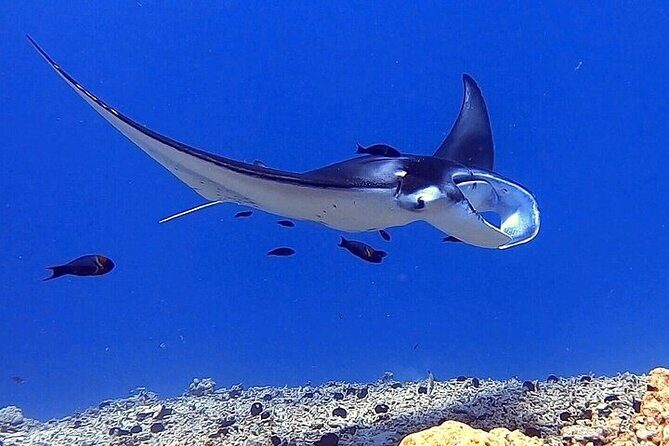
Manta rays are wild animals. The operator cannot guarantee mantas on any given night. Their stated manta policy includes:
- If you don’t see mantas, you can try again on another night.
- People who purchased at the full online booking price may come back free.
- If you booked through a 3rd party or at a discounted rate, the re-visit may cost an additional $60 per person.
- If the charter is set and mantas don’t show up, refunds may not be available because the operator still incurs costs.
There’s also a simple truth here: at peak times, seats can be extremely limited, so it’s smart to plan your schedule around flexibility if you’re aiming for a second chance.
What success looks like
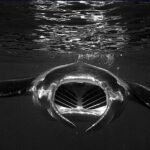
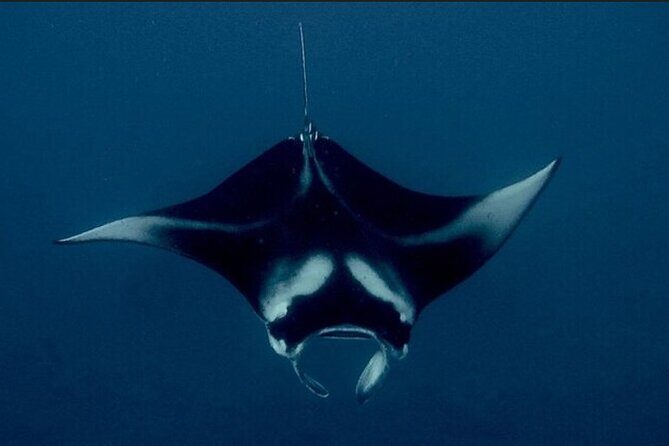
When things go right, it’s not subtle. Multiple people described mantas cruising close—sometimes close enough to brush past. Some reported seeing multiple rays (a range from 3 to 12–15 across different trips), including mantas doing acrobatics or somersaults.
When things go wrong
A few experiences landed short: no mantas at all, or only one manta seen at a distance. In at least one case, someone believed a key light wasn’t working well enough. Another described an early-to-late dynamic where earlier groups may fill mantas before later groups enter.
Even with that, it’s still worth saying: these are wild animals. But it’s also fair to judge the operation. If the lighting or energy feels off, ask questions early rather than hoping it improves later.
Crew and Atmosphere: Helpful, Small-Team Energy (and the Occasional Miss)
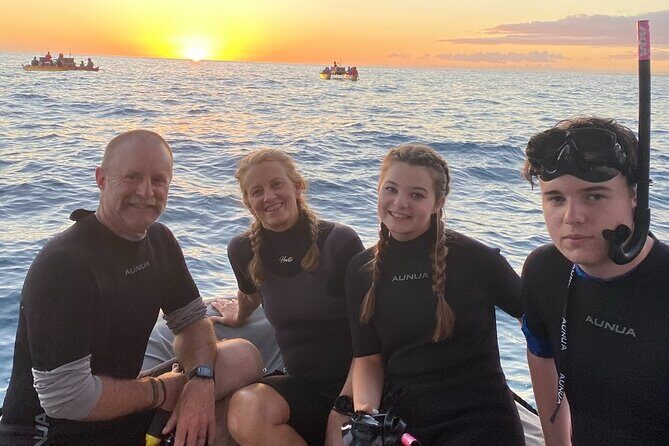
Most of the praise points to how the crew runs the operation with safety and attention:
- Guides keeping close watch in the water
- Clear instruction before you go in
- Friendly, organized handling on small boats
Names that popped up in real accounts include Captain Kelly, plus crew members such as Jay, Elijah, and Jonathan. Several people singled out their helpfulness and the way they made the experience feel smooth even for first-timers who were nervous.
That said, not every night seems perfect. A small number of reviews mention:
- Staff feeling chaotic during check-in or outfitting
- A late boat return due to rough water
- Lack of response to an email after the tour
- Low engagement or a pessimistic tone during the trip
- Missing bathrooms at the start area
So here’s my balanced take: choose this tour for the manta experience and the small-group feel, but don’t treat it like an airport-style process. It’s an ocean operation, and tonight’s ocean is always the boss.
Who Should Book This: Fit Check Before You Commit
This is a serious, skill-and-comfort-based activity.
You should be ready if you:
- Have basic swimming skills
- Have previous snorkeling experience (the operator states this requirement)
- Can independently climb back onto the boat via the ladder
- Can converse in English to follow safety instructions
- Don’t have physical or mobility restrictions that make ladder boarding hard
A few reviews also noted the snorkel itself felt manageable even for less experienced swimmers. That’s encouraging, but I’d still follow the operator’s stated requirement. If you’re unsure, ask before booking rather than assuming you’ll “figure it out” in the dark.
Families and kids
One family trip mentioned taking kids around 10–13 years old, with everyone loving it. That doesn’t mean it’s automatically kid-proof—night water still demands calm and close listening—but it does suggest the crew can make it work when kids are comfortable.
If you get cold easily or have motion sickness
Bring layers and plan for seasickness. Cold and movement are the two recurring comfort issues, more than fear of the ocean itself.
What to Pack (Simple List That Actually Helps)
For a night snorkel, you don’t need fancy gear. You need comfort and warmth.
Bring:
- Your own towel
- A warm layer (for before and after, especially if you run cold)
- Any personal items you need for basic safety comfort
If you use anything for seasickness, have it ready before the boat ride. One review suggested Gravol by name, which tells me people do rely on medication rather than just “toughing it out.”
Also, note what’s not included:
- Prescription snorkel mask (if you need one, bring it or plan for an alternative that works for you)
- Private transportation (you’ll need to get yourself to the meeting point area)
Should You Book It?
Yes—if manta rays are your goal and you can handle the wild-not-guaranteed reality.
Book this tour if you want:
- A small-group night snorkel (max 18 travelers)
- Included gear and wetsuits
- A setup designed around safety with USCG-licensed captains and Red Cross certified in-water guides
- A real chance at close mantas using the light board at Garden Eel Cove or Keauhou
Skip or reconsider if:
- You can’t climb the boat ladder on your own
- You’re not comfortable snorkeling at night or lack prior snorkeling experience
- You’re sensitive to cold and don’t plan to layer up
- You need a guaranteed viewing experience like an aquarium
If you go in knowing the ocean might say no to mantas one night, you’ll be set up to enjoy the ride, the stars, and the amazing feeling when those gentle giants finally show up.