REVIEW · CAPTAIN COOK HAWAII
Hawaii: Hala Tree Coffee Farm Tour and Tasting
Book on GetYourGuide →Operated by Hala Tree · Bookable on GetYourGuide
Coffee grows where you can smell it. This hour at Hala Tree Coffee Farm turns a simple drink into a hands-on look at 100% Kona Coffee, from orchard to cup. I like how it focuses on what’s happening on the farm, not just coffee talk.
I also like the pacing: you get to see the actual coffee plants with ripe red cherries, then you learn how harvesting and roasting connect to flavor. If you’re the type who likes practical food education, this fits.
One possible drawback: it’s only 1 hour, so serious coffee nerds may want more time for roasting details or a bigger tasting range.
In This Review
- Key highlights to watch for
- What This 1-Hour Hala Tree Kona Coffee Tour Covers
- Finding Hala Tree From Kona: Hwy 11 and the Church Sign
- Coffee Orchards and Red Cherries on the Walking Portion
- Sustainable Coffee Production Lessons That Connect to Your Cup
- How Roasting Works: Smell, Steps, and the Art Part
- Premium Kona Coffee Tasting with an Ocean View Moment
- Price and Value at $10: When It Works Best
- Who Should Book Hala Tree and Who Might Skip It
- Should You Book This 1-Hour Hala Tree Coffee Farm Tour?
- FAQ
- How long is the Hala Tree Coffee Farm Tour and Tasting?
- What is included in the tour price?
- Where do I meet if I’m coming from Kona?
- What language is the tour guide in?
- What is the cancellation policy?
- Can I reserve now and pay later?
Key highlights to watch for
- Red cherry spotting during the orchard walk (and what that stage means)
- Sustainable coffee production explained in plain terms, tied to farm decisions
- Harvest-to-roast clarity, so the process makes sense end to end
- Roasting demonstration + aroma time, where you learn by senses, not slides
- Premium Kona tasting paired with an outdoor, ocean-view setting
- Family-friendly vibe thanks to the farm dogs being part of the experience
What This 1-Hour Hala Tree Kona Coffee Tour Covers
This is a short, focused farm experience built around the full Kona coffee story. You’re not just there for a sip. You’re there to see the plants, understand the work, then taste what that work produces.
The flow usually starts with a guided walk through the coffee orchards. You’ll look for ripe cherries (the red ones), and you’ll get the basics of how coffee moves from the farm to the roasting stage. The guide also shares the farm’s story and how sustainable practices fit into the day-to-day reality of growing Kona coffee.
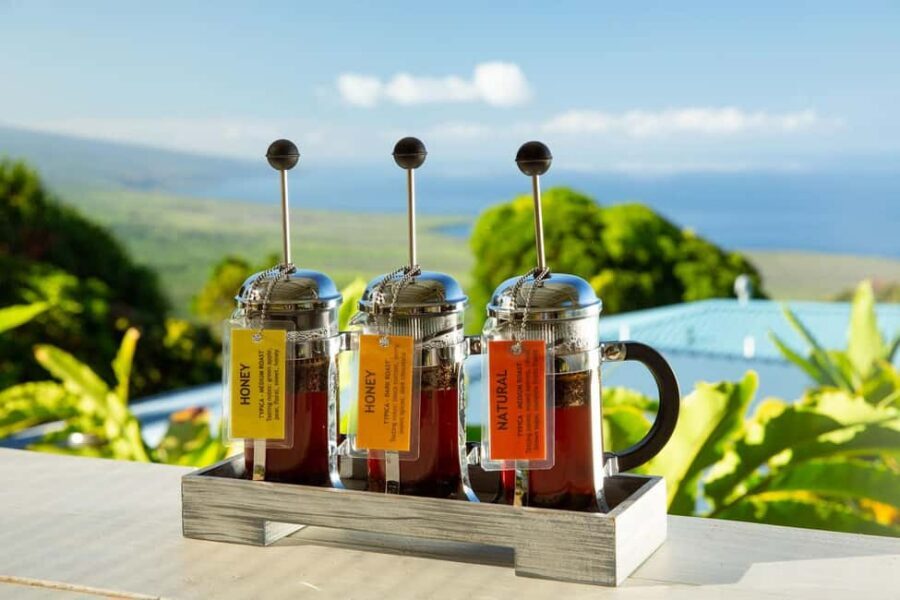
Then you shift from “plant talk” to “process talk.” You’ll spend time learning the roasting steps and get an aromatic experience that’s hard to get from a store shelf. Finally, you end with a tasting of Hala Tree’s premium Kona Coffee. The tasting part matters because it turns all the earlier explanations into something you can recognize in the cup.
If you’re visiting Hawaii and want something that feels genuinely local, not just another stop on a list, this one does that. It’s also a good length for people who don’t want to burn half a day driving and waiting around.
If you're still narrowing it down, here are other tours in Captain Cook Hawaii we've reviewed.
Finding Hala Tree From Kona: Hwy 11 and the Church Sign
If you’re coming from Kona, plan on doing it by car. The meeting point is straightforward if you follow the directions carefully.
Take Hwy 11 to Mile marker 109. When you see a blue sign for Bile First Mission Church, go up the road. The farm is just above the church.
That detail matters because the tour itself is only 1 hour. You don’t want to arrive late and cut into the tasting and roasting part. If you’re using GPS, I’d still keep an eye out for the church sign so you can correct quickly. A tiny navigation mistake can cost you minutes in a tour this short.
Coffee Orchards and Red Cherries on the Walking Portion
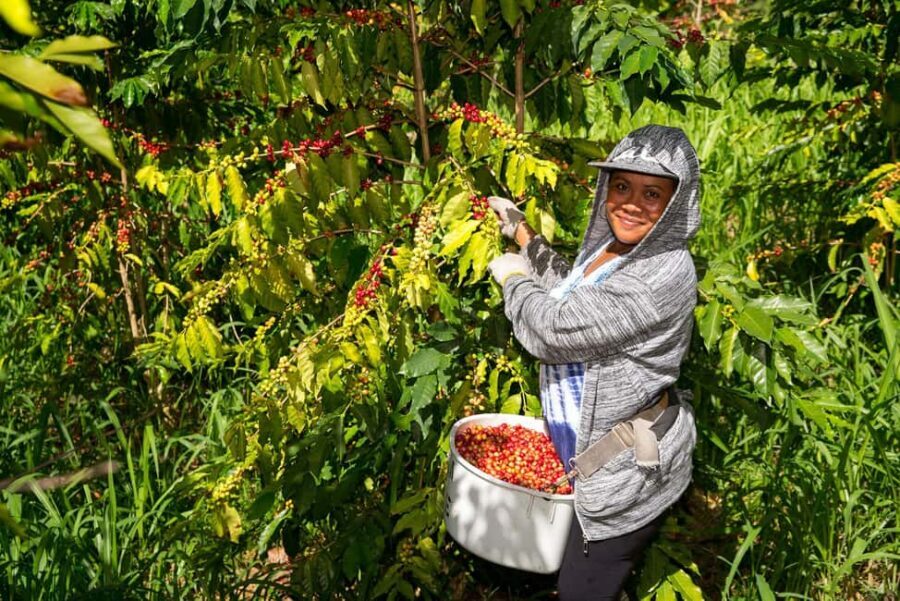
The orchard walk is where the tour becomes real. Coffee can feel abstract until you stand among the plants and notice how the crop changes through the season.
As you walk the rows, you’ll see ripe red cherries and hear what you’re looking at. That’s the first big value of the experience: it trains your eye. After this, when you see photos of coffee farms or you visit another plantation, you’ll know what ripeness looks like and how it links to timing.
This part also tends to be good for families. One of the standout notes from real visitor experience is that the farm dogs are around, and kids can have fun while the adults listen. If you travel with children, that can make the difference between a “quick educational stop” and an actual enjoyable outing.
The walk also sets expectations for the rest of the tour. When you learn later about harvesting and roasting, it lands better because you already saw the raw material. Instead of learning coffee as a vague concept, you learn it as a chain of steps that start with the cherry on the branch.
One practical consideration: wear shoes you’re comfortable walking in. Farm surfaces can be uneven, and you’ll want traction without babying your feet.
Sustainable Coffee Production Lessons That Connect to Your Cup
The tour doesn’t just focus on what to do. It focuses on why it’s done that way on a Kona coffee farm.
You’ll learn about sustainable coffee production, and you’ll hear how the farm’s approach affects the way coffee is grown. The goal isn’t to turn you into an agronomist. It’s to help you understand that coffee quality isn’t only about roasting. It’s also about how the plants are cared for, how decisions are made in the field, and how the process stays consistent enough to produce premium Kona results.
You’ll also hear about the estate’s past—enough to give context for why the farm operates like it does today. I like this approach because it gives meaning. You’re not touring coffee like it’s a factory line. You’re touring a working place where the work has evolved over time.
Where this becomes useful for you is in how you taste at the end. When a guide explains the farming approach alongside harvesting and roasting, your attention shifts. You start noticing what you taste and linking it back to earlier steps.
And yes, it’s okay if you’re not the type who studies food. Even if you’re simply trying to find better coffee, this kind of explanation helps you understand what “premium Kona” actually means.
How Roasting Works: Smell, Steps, and the Art Part
Roasting is where coffee education becomes sensory. Even if you’ve read about roasting before, seeing and discussing the process in person helps.
During this part of the experience, you’ll learn the intricate processes involved in harvesting and roasting. You’ll also engage in the art of coffee roasting, including an aromatic experience that helps you connect process to smell.
Why roasting matters: it’s the step where the flavor you care about gets shaped. Beans go from green raw material to a roasted product with the notes you recognize in the cup—aroma first, then flavor development. When you hear about the steps as a flow rather than random facts, it makes your tasting more interesting and less like guesswork.
If you’re the kind of person who likes questions, this is the section where you’ll want to listen closely. Roasting steps can sound technical, but the tour keeps it tied to the real end result: premium Kona coffee in your cup.
Also, the aroma experience is a big deal. Coffee smell isn’t just pleasant; it’s information. It helps your brain prep for what you’re about to taste. Even if you don’t consider yourself a coffee person, you’ll probably notice a difference in how you evaluate the cup once you’ve been introduced to aroma this directly.
Premium Kona Coffee Tasting with an Ocean View Moment
The tasting is the payoff—and it sounds like it’s set up to feel special without turning into a fancy lecture.
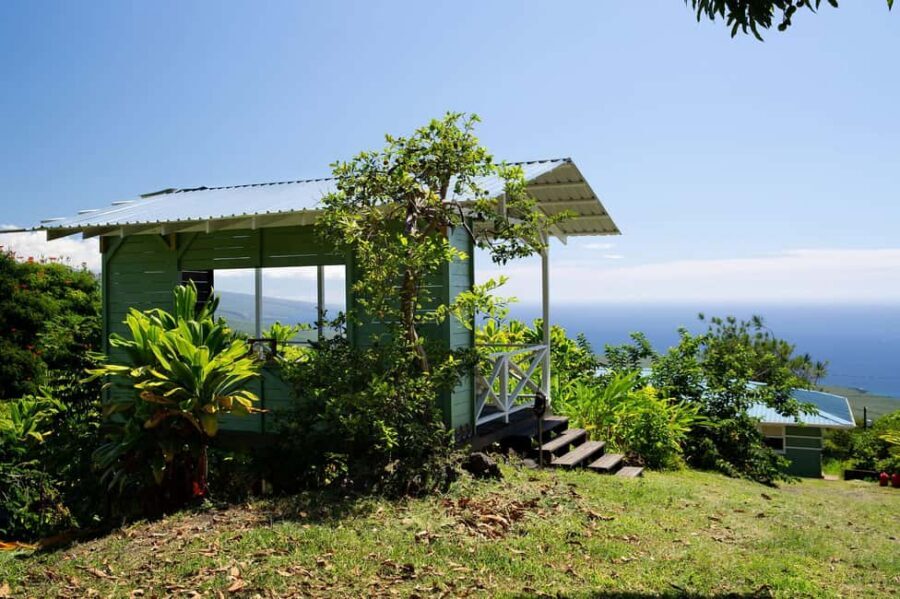
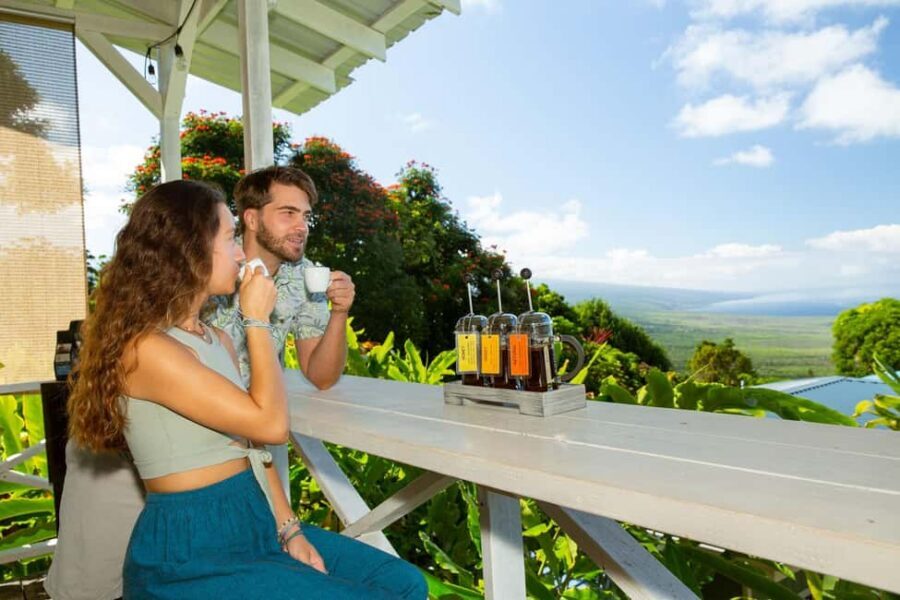
You’ll enjoy a tasting session of Hala Tree’s premium Kona Coffee after the farm walk and roasting learning. One detail that sticks from visitor experience is the setting: you get a view that includes the ocean, which changes the whole tone of tasting. Coffee tasting outdoors with real scenery is a lot more relaxing than tasting in a shop counter line.
What I like about ending with tasting is that it makes the earlier information usable. You’ve just seen cherries, learned about production, and discussed roasting. Now you can taste and think, Ah, that’s what the work leads to.
Keep your expectations practical. A tasting like this is typically about letting you sample and learn what premium Kona can taste like—not about turning you into a professional taster. That’s good news. It means you can enjoy it without pressure.
If you like taking things home, ask about purchase options on-site during or after the tasting (availability isn’t listed here, so I can’t promise specifics). Even if you just want a souvenir, coffee from Kona can be a meaningful one because you understand the farm behind it.
Price and Value at $10: When It Works Best
At $10 per person for about 1 hour, this tour is priced to be an easy add-on. It’s not a long commitment, and the included experiences cover more than the average “quick tasting” stop.
Here’s the value math that matters:
- You’re paying for a guided farm walk and education, not just a drink.
- The tasting is included, so you don’t need to guess whether the tour is worth it once you arrive.
- You get roasting and production explanations, which can make coffee purchases later feel more informed.
Compared to many short activities in Hawaii, the cost is relatively approachable, especially since the experience includes multiple learning components (orchards, sustainable production, harvesting/roasting, tasting). If you’re traveling with a mixed group—someone who wants coffee knowledge and someone who just wants a fun outdoors hour—this balances both.
The main value tradeoff is the time. With only 1 hour, you won’t get deep technical detail or a long, multi-drink flight. If your goal is maximum tasting variety, you may feel it’s brief. If your goal is a solid overview plus a real Kona tasting in a farm setting, $10 feels fair.
Who Should Book Hala Tree and Who Might Skip It
I’d book this if you want a real farm experience tied to the coffee you drink. It fits especially well if:
- You like learning by seeing what’s on the plant, not just reading labels
- You enjoy hands-on food stories and sensory moments like aroma
- You’re traveling with kids and want a calmer activity (the farm dogs can help the vibe)
- You’re curious about what sustainable farming means in everyday practice
I’d be a bit cautious if:
- You want a long tasting session with lots of different roasts or regions (this one is short)
- You don’t drink coffee at all, since the tasting is a core part of the experience
For most people, it lands in the sweet spot: short enough to fit a busy day, educational enough to feel earned, and scenic enough to make the hour feel like more than just “a stop.”
Should You Book This 1-Hour Hala Tree Coffee Farm Tour?
Yes, you should book it if you want an affordable, guided introduction to 100% Kona Coffee that connects farm work to roasting and then to tasting. The combination of seeing red cherries, learning about sustainable production, getting roasting lessons, and ending with Kona tasting—often with an ocean view—is exactly the kind of practical, authentic experience that makes a trip feel grounded.
If you’re short on time but still want something genuinely local, this is the kind of hour that pays you back later, every time you order Kona or look at coffee in a new way.
FAQ
How long is the Hala Tree Coffee Farm Tour and Tasting?
The tour lasts about 1 hour.
What is included in the tour price?
You get a guided tour of the Hala Tree Coffee farm, learning about coffee production and sustainable practices, time around the coffee orchards and roasting, and a tasting session of Hala Tree premium Kona Coffee.
Where do I meet if I’m coming from Kona?
Take Hwy 11 to Mile marker 109. When you see a blue sign for Bile First Mission Church, go up the road, and the farm is just above the church.
What language is the tour guide in?
The live tour guide is in English.
What is the cancellation policy?
You can cancel up to 24 hours in advance for a full refund.
Can I reserve now and pay later?
Yes. You can reserve your spot and pay nothing today, then pay later.