REVIEW · KAILUA KONA
Kailua-Kona: Manta Ray Watching Nighttime Boat Trip
Book on GetYourGuide →Operated by Kona Coast Boat Tours · Bookable on GetYourGuide
Night snorkeling is a whole different world. This Kailua-Kona manta ray night boat trip turns the Big Island’s dark ocean into a front-row show—gentle giants gliding right below you. You’ll hear facts about why manta rays gather here, cruise out from shore, then (if you choose) suit up and swim in their space from a safe distance.
I especially love how the crew runs this like a real operation, not a free-for-all. Guides named Kelly and Bryce (with crew members like Elayo/Ilio, Koa, and Mana showing up in accounts) are consistently praised for patient coaching and for keeping nervous first-timers calm. And I like the way the experience doesn’t force you to be an expert to enjoy it—you can watch from the boat, or snorkel close up, with gear provided.
One thing to plan for: it can get chilly on the water at night, even if you’re sweating in the parking lot. A warm layer and a towel make a real difference on the ride back, and the meeting point can take a minute to find if you arrive without checking the exact spot.
In This Review
- Key things to know before you go
- Why Kona’s Night Manta Ray Scene Feels Magical
- Catamaran at Night: The Part That Starts the Experience
- Meeting Your Guides: Safety, Snorkel Help, and Manta Facts
- Watching From the Boat vs Snorkeling Close Up
- What You’ll Do on the Water: A Typical 2-Hour Flow
- Marine Life Moments You Might Get (Besides Mantas)
- Comfort Checklist: Towel, Warm Layer, and Photo Gear
- Price and Value: Is $75 Worth It?
- Group Size and the Feel of the Experience
- When This Tour Is a Perfect Fit
- Who Should Skip This One
- Little Downsides to Know Before You Book
- Should You Book Kona Coast Boat Tours for Manta Ray Night Snorkeling?
- FAQ
- Is hotel pickup included?
- Where exactly do we meet?
- What gear is included?
- Do I have to swim to see manta rays?
- What should I bring?
- Who can’t join?
Key things to know before you go
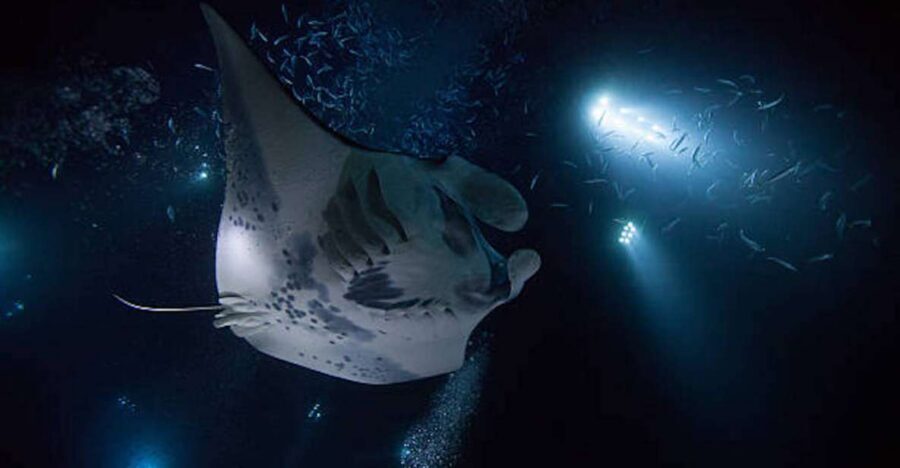
- Manta rays up close, safely: The snorkel portion is designed so you can see manta rays very near without touching or harassing them.
- First-timer friendly coaching: Many accounts highlight calm, step-by-step help for new snorkelers and non-routine swimmers.
- Late-night vibes at Honokohau Harbor: Crews run the trip late, and you’ll be gathering at the harbor area (not at the airport or hotels).
- Snacks, gear, and a wetsuit top: You’re not left scrambling for equipment before you’re in the water.
- Time in the water can feel long: Several outings mention plenty of time once they locate the right spot.
- Bring warmth: Nights cool fast once you’re out on the water and drying off.
Why Kona’s Night Manta Ray Scene Feels Magical
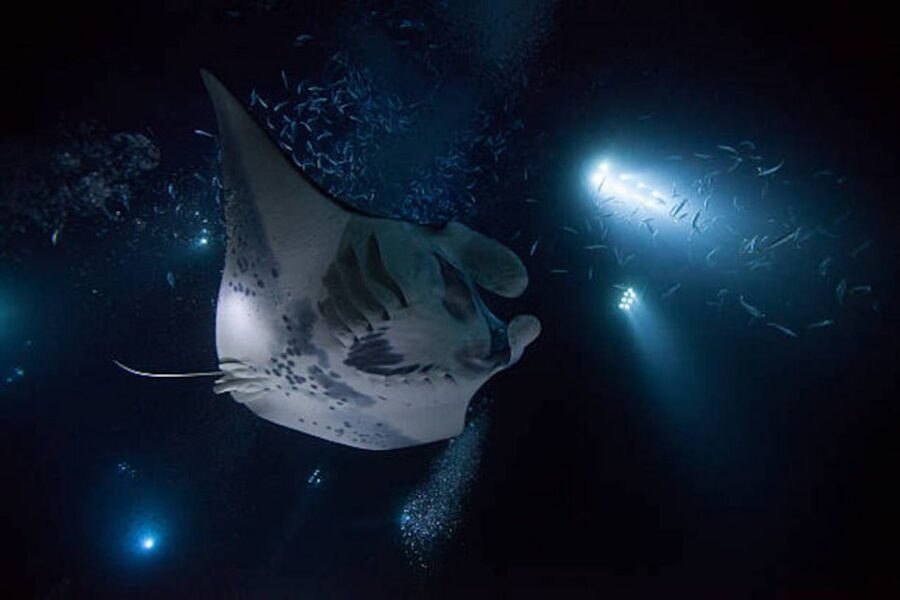
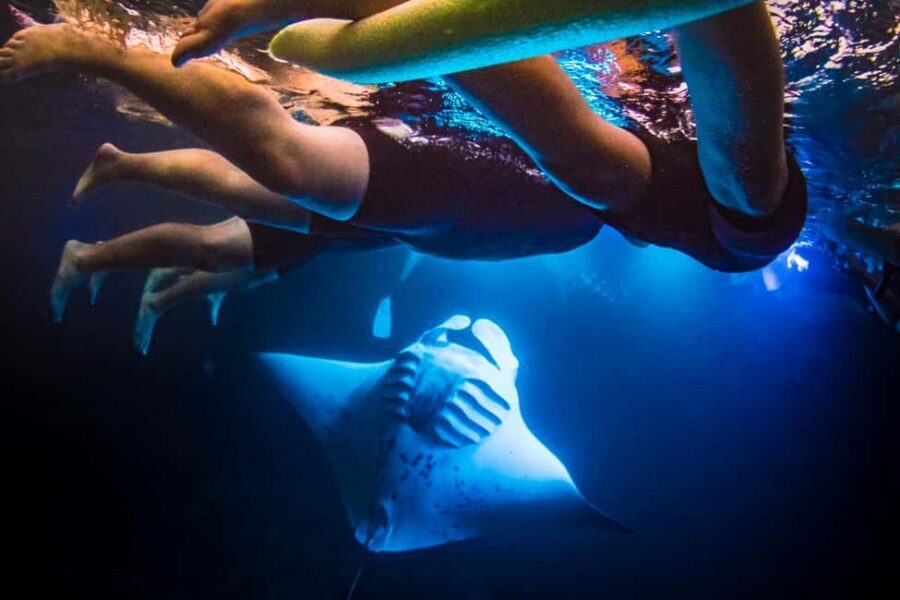
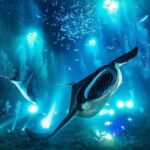
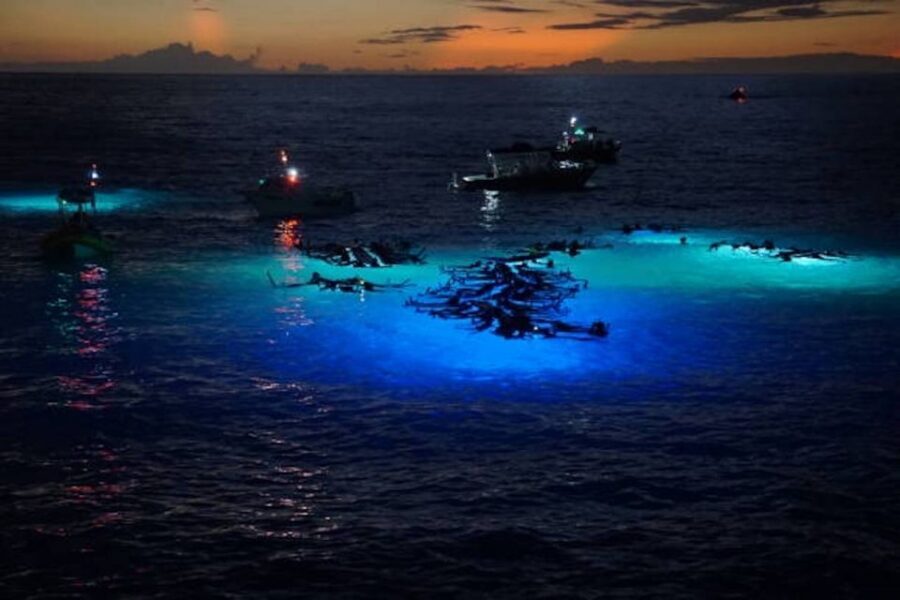
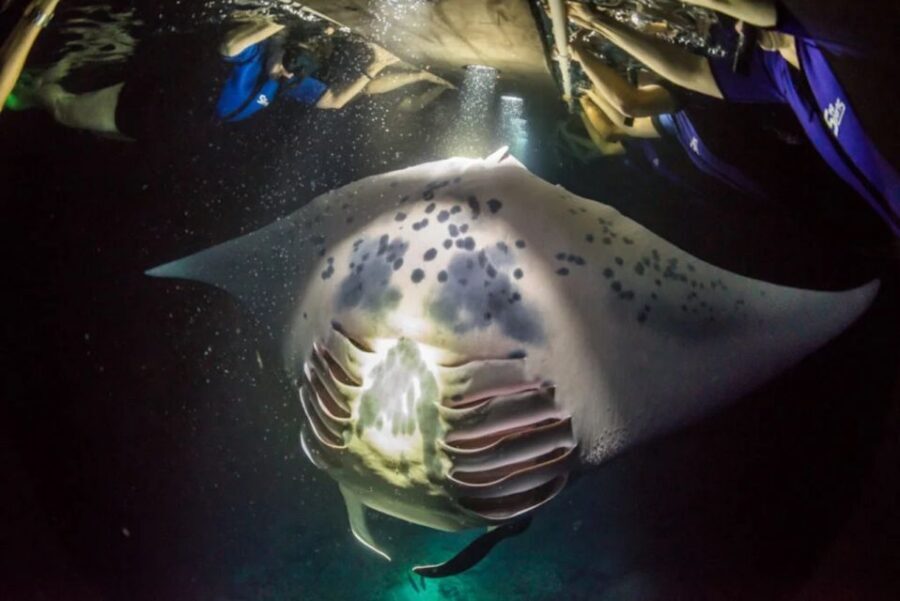
The biggest reason this tour works so well is timing. At night, the ocean feels darker and quieter, and that changes your whole sense of scale—those manta rays look even more dramatic when you’re floating above them in low light. You’re not just seeing wildlife from far away; you’re watching behavior—slow spirals, graceful passes, and that odd moment when you realize they’re moving with confidence right under the boat.
This also matters for your brain. Daytime snorkeling often has too much going on. Night brings focus: you follow the guide, keep your bearings, and then the water starts doing its own show. The result is why people call it a bucket-list experience, even if they’ve done plenty of other water tours.
Kailua-Kona is also known for manta-ray activity in the right seasons, and your guide’s job is to translate what you’re seeing into something meaningful. Expect facts about what brings manta rays toward these warm waters and how the team looks for the best viewing.
Other Manta Ray night snorkel tours in Kailua Kona
Catamaran at Night: The Part That Starts the Experience
You’ll meet at the harbor area south of Kona Airport, near Honokohau Harbor. The directions are simple but specific: turn into Honokohau Harbor from the main highway, take the second right, and meet your crew member in front of the restrooms.
Two practical points make this smoother:
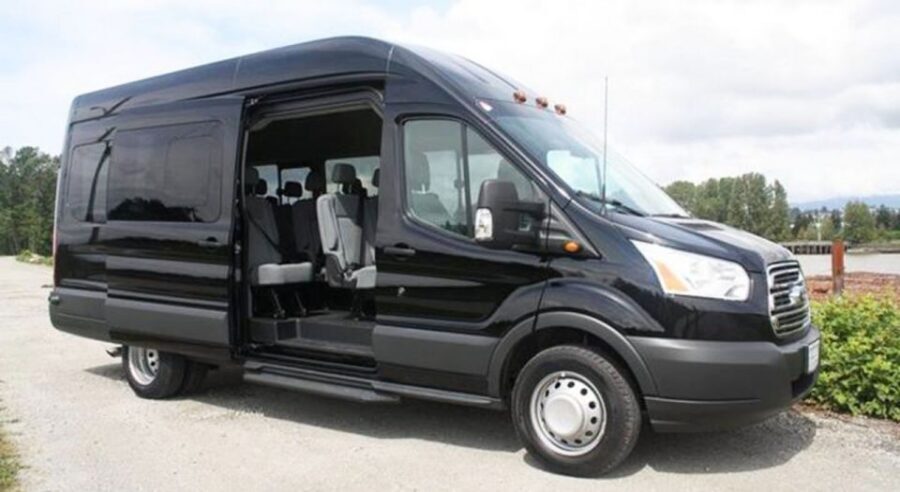
- No hotel pickup means you need to plan your own ride to the harbor.
- Multiple boats can operate from the same harbor area, so you’ll want to confirm the exact boat location as instructed.
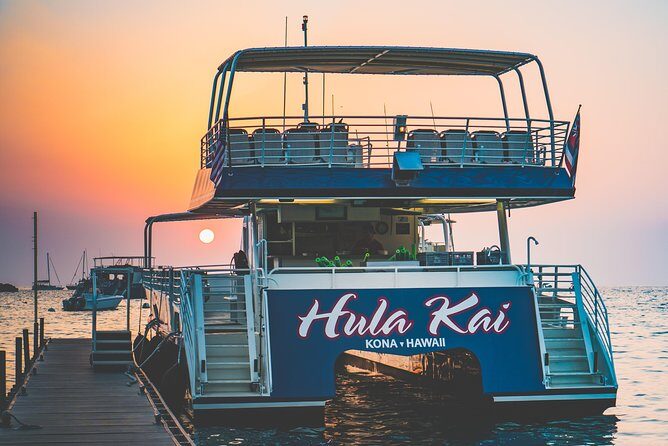
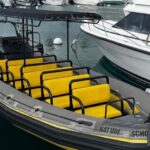
Once you’re on the catamaran, the tone usually shifts quickly into “adventure mode.” Many accounts describe music on board and a comfortable setup, with the boat being spacious enough that you can get settled before suiting up. The ride away from shore is also part of the fun—night sea life isn’t just what’s under you, it’s the whole feeling of being out there.
Some trips are reported as smooth; others mention choppy water when it’s windy. Either way, the crew is there to help you get through the ride and keep your attention where it belongs.
Meeting Your Guides: Safety, Snorkel Help, and Manta Facts
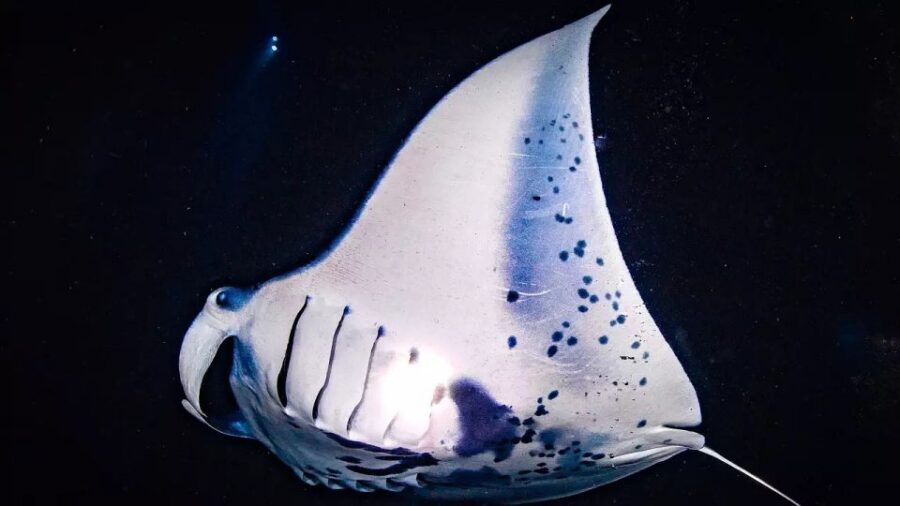
The most praised aspect across outings is the crew’s vibe and competence. Names like Kelly, Bryce, Elayo/Ilio, Koa, and AJ show up repeatedly, and the details are consistent: clear instructions, a patient approach, and a strong focus on safety at night.
Here’s what that means for you:
- If you’re nervous about being in the water after dark, the guides are used to that fear. People mention the team doing a calm job of easing worries fast.
- If you’re new to snorkeling, you’re not expected to figure it out alone. Several accounts call out step-by-step help for novice snorkelers.
- If you want photos, you’ll get time and encouragement for that too, since the crew wants you to actually capture the moment—not just survive it.
You should also know what to expect in the water. Night snorkeling adds challenges: visibility drops, your body position matters more, and you can’t just look wherever you want. That’s why good guides matter. When they spot rays, they help you get into a comfortable spot and stay there long enough to enjoy it.
Watching From the Boat vs Snorkeling Close Up
This is the biggest decision you’ll make, and it affects how much you’ll enjoy the tour.
If you choose just the boat ride, you still get the night cruise, the manta-ray narration, and the chance to spot rays from above. But one clear theme in accounts is that you often won’t feel as close or as “in the action” unless you snorkel.
If you choose the swim/snorkel option, you get the real payoff: manta rays gliding beneath you, sometimes coming very near the group. Gear is included—snorkel gear, a wetsuit top, and life jackets—so you can show up and suit up without buying extra equipment.
One review-level tip matters here: if you’re on the fence, the snorkeling portion is the part that people most strongly recommend. A good way to think about it is this: the boat ride is the trailer. Snorkeling is the movie.
Also, you’ll be in the water at night, which is why “not a strong swimmer” is a real consideration. The tour is not suitable for non-swimmers, and children under 5 are not recommended. If you’re comfortable in open water and can follow instructions, this can be a thrilling, confidence-building experience.
What You’ll Do on the Water: A Typical 2-Hour Flow
The tour runs about 2 hours, and that time moves quickly because you’re transitioning from boarding to cruising to the manta-ray area and then into the water (if you selected snorkeling).
A common flow looks like this:
- Meet at the harbor and get oriented with your crew.
- Cruise out at night while your guide explains the manta-ray story and what you should watch for.
- Light snacks on board during the ride (you’ll be able to refuel without turning it into a full meal).
- Suit up and snorkel near where the rays are expected and spotted.
- Return to Kona after the encounter.
One verified booking notes the crew arrives around 9:30pm on a late departure. Times can vary by date and schedule, so check your confirmation and be ready for a true night tour.
In the water, guides typically focus on getting you into a good viewing position and keeping groups organized. Several accounts mention plenty of time in the water, including reports of around 40 minutes to about an hour depending on conditions and where the team finds the rays.
Other boat tours in Kailua Kona
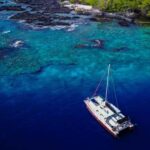


Marine Life Moments You Might Get (Besides Mantas)
The star of the show is, of course, manta rays. But don’t be surprised if the ocean adds extras.
Some accounts mention:
- Dolphins joining the party
- A monk seal spotted during the outing
- Turtles, including sightings near the marina heading out
Even when you don’t get bonus animals, you still get something valuable: a clear view of manta behavior in the wild. People describe the experience like an underwater ballet—slow, controlled motion that feels calm rather than chaotic.
Comfort Checklist: Towel, Warm Layer, and Photo Gear
This tour runs at night, and the ocean has a way of turning comfortable air into chilly wind fast. A few practical items show up again and again.
Bring:
- Swimwear
- A towel
- A waterproof camera (or waterproof phone case)
Also, follow the advice given by people who’ve done it: pack something warm for before you get wet and right after you’re done. Several accounts mention the ride getting chilly and emphasize that the “warm up later” phase is part of the experience, not an afterthought.
One more small-but-real tip: stargazing can be part of the vibe. A few accounts mention sitting up top for stars or the moon, but also note it can get windy there, so dress accordingly and hold on.
Price and Value: Is $75 Worth It?
At $75 per person for a 2-hour night experience, the value hinges on what you want out of it.
This price makes sense when you consider what’s included:
- Boat trip
- Guide/instructor
- Snorkel gear
- Wetsuit top
- Life jackets
- Light snacks
That’s not just a “transport fee.” You’re paying for a guided wildlife encounter, nighttime coordination, safety gear, and the chance to be in the water near mantas without handling any of the logistics yourself.
Where it really earns value, though, is time and support. Multiple accounts highlight the crew staying patient, helping first-timers, and working hard to make sure you see manta rays. People also mention good cost vs. value and long enough time in the water that it doesn’t feel rushed.
There’s one caution on value: if you pick the boat ride only and you’re expecting manta rays to be right in your face, you may leave a little underwhelmed. The snorkeling option appears to be the main reason people call it worth the money.
Group Size and the Feel of the Experience
This is one of those tours where “small group” matters. When the crew can manage fewer people, you typically get better instruction in the water and less crowding around the best viewing spot.
Some accounts mention groups around 7 people, while others report about 12. Either way, it tends to feel manageable, not like a cattle call. That’s a big deal at night when attention and spacing keep the experience calm.
It also explains why the guides seem to have enough time for nervous swimmers. You’re not just a number—you’re someone they can actually guide.
When This Tour Is a Perfect Fit
You’ll probably love this tour if:
- You want a true nighttime wildlife encounter on the Big Island
- You’re comfortable snorkeling with coaching (or you’re willing to learn quickly)
- You want something more memorable than a typical snorkel day
- You like guided nature stories told in a fun, relaxed way
It can also suit solo travelers, since people report feeling safe and comfortable even when doing it alone.
Who Should Skip This One
This tour isn’t for everyone, and the limits are clear.
Skip it if:
- You’re not a swimmer (the tour is listed as not suitable)
- Your child is under 5
- You want a fully passive experience only from the boat and you’re hoping for the closest manta encounters without snorkeling
If you’re cautious about nighttime water, don’t automatically rule it out. But be honest about your swimming ability and your comfort with the ocean after dark.
Little Downsides to Know Before You Book
No tour is perfect, and these are the practical downsides that show up.
- Cold at night: It can get chilly on board and afterward.
- Choppy ride in wind: Some departures are smoother than others.
- Equipment condition: One account mentions a wetsuit top that smelled and looked tattered. That’s not universal, but it’s worth knowing.
None of these issues should scare you off, but they do argue for packing smart and showing up ready for nighttime conditions.
Should You Book Kona Coast Boat Tours for Manta Ray Night Snorkeling?
If your goal is manta rays up close, I’d book this—especially if you choose the snorkel/swim option. The included gear, the patient coaching, and the consistent ability to produce strong manta sightings are exactly the kind of reasons people remember this as a top Big Island moment.
Book it if:
- You can swim and snorkel (or you’re willing to be coached)
- You want a late-night, high-reward wildlife experience
- You’d rather pay for safety, gear, and guidance than wing it on your own
Don’t book it if:
- You need a warm, daytime-style ocean outing
- You’re hoping to skip the water entirely and still see mantas at extremely close range
FAQ
Is hotel pickup included?
No. Hotel pickup and drop-off are not included, so you’ll need to get yourself to the meeting point at Honokohau Harbor.
Where exactly do we meet?
Meet the crew at Honokohau Harbor, about 4.5 miles south of Kona Airport and 3.5 miles north of Kailua Kona town. After turning into Honokohau Harbor, take the second right and meet in front of the restrooms.
What gear is included?
The tour includes snorkeling gear, a wetsuit top, life jackets, and light snacks. You’ll also have a guide/instructor on board.
Do I have to swim to see manta rays?
You can watch from the boat, but the closest and most memorable manta-ray encounters tend to come from the snorkeling option. If you want the up-close experience, choose snorkel/swim.
What should I bring?
Bring swimwear, a towel, and something waterproof for photos like a waterproof camera. It’s also highly recommended to pack something warm for your way back.
Who can’t join?
The tour is not suitable for children under 5 years old, and it’s not suitable for non-swimmers.
If you want, tell me your swimming comfort level and whether you’re considering the boat-only option or snorkeling. I’ll help you pick the choice that matches your comfort and your goal.