REVIEW · KULA HAWAII
Maui: Alpaca Farm Visit with Hands-On Activities
Book on GetYourGuide →Operated by Maui Alpaca LLC · Bookable on GetYourGuide
Alpacas meet you with big, calm eyes. On Maui’s Upcountry slopes near Haleakalā National Park, this short visit mixes alpaca feeding with fiber know-how and a spinning wheel demonstration. You also get time at an Angora Bunny Village, so the hour feels full without rushing.
I especially like two parts: you can get up close fast with the alpacas (feeding and photos are the main event), and you get real education about fiber—what it is, what it’s used for, and how it turns into yarn. The guide I heard about most is Erin, known for being fun and kid-friendly, which matters if you’re traveling with young ones.
One thing to consider is logistics. Transportation isn’t included, and the farm sits in Upcountry terrain, so you’ll want to plan your ride and timing well for a 1-hour visit.
In This Review
- Key things to notice before you go
- Entering The Alpaca Farm Estate On Haleakalā’s Slopes
- Alpaca Pasture Time: Feeding, Holding, and Photo Moments
- Fiber Education and The Spinning Wheel Demo That Turns Interest Into Skill
- Angora Bunny Village: Soft Fur Time With Clear Care Learning
- Upcountry Calm and The ‘Aina Theme Behind The Visit
- Price and Value: What $79 For One Hour Actually Buys
- Who This Tour Fits Best (And Who Might Skip It)
- Small-Group Energy and The Guide Factor
- FAQ
- How long is the Maui alpaca farm visit?
- What’s included in the $79 per person price?
- Is transportation to the farm included?
- Are food and drinks included?
- Is the tour in English?
- How big is the group?
- What activities happen first during the tour?
- Is there a place to buy gifts?
- Should you book this Maui alpaca farm visit?
Key things to notice before you go
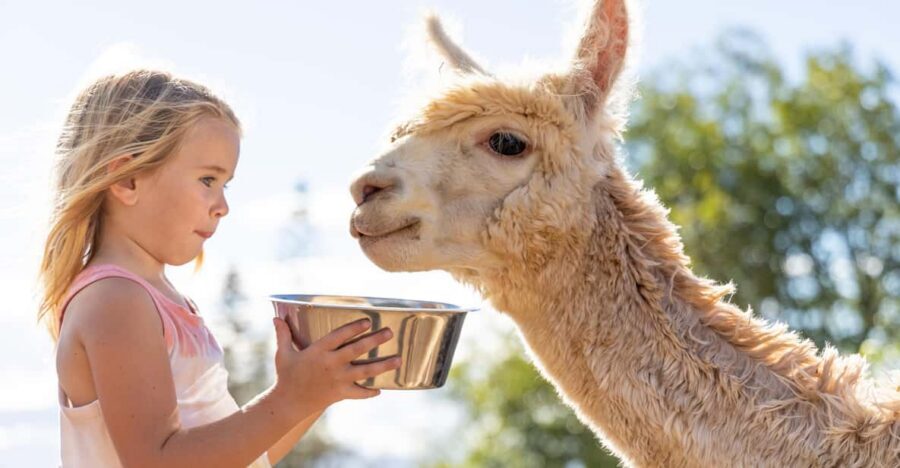
- You start with alpacas, not speeches: feeding comes first, so you’re warmed up and smiling quickly.
- Fiber education is hands-on in spirit: you learn the types of alpaca fiber and how processing works.
- Watch a spinning wheel in action: it turns theory into something you can actually see.
- Angora Bunny Village adds a second animal focus: soft Angora bunnies make it extra kid-pleasing.
- Small group keeps it personal: limited to 10 participants, which helps questions and animal interaction.
Entering The Alpaca Farm Estate On Haleakalā’s Slopes
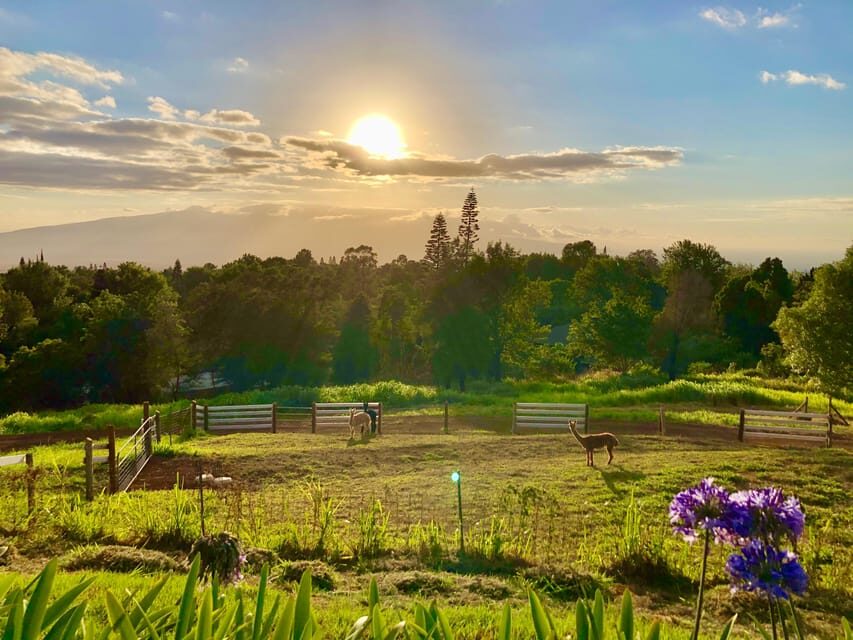
This tour takes place at an eight-acre farm estate on the slopes of Haleakalā National Park. That setting matters because you’re not in a rushed roadside stop. You’re on a working property where animals are the center of the day, not background scenery.
You’ll typically have a live English-speaking guide leading the experience for a small group (10 people max). That small size is a big deal on animal tours: it helps the guide manage feeding time and keeps everyone from crowding the animals.
If you’re thinking about timing, remember the total experience is about one hour. So your best move is arriving ready—comfortable shoes, water if you need it, and your camera charged—because the good part starts right away with the alpacas.
If you're still narrowing it down, here are other tours in Kula Hawaii we've reviewed.
Alpaca Pasture Time: Feeding, Holding, and Photo Moments
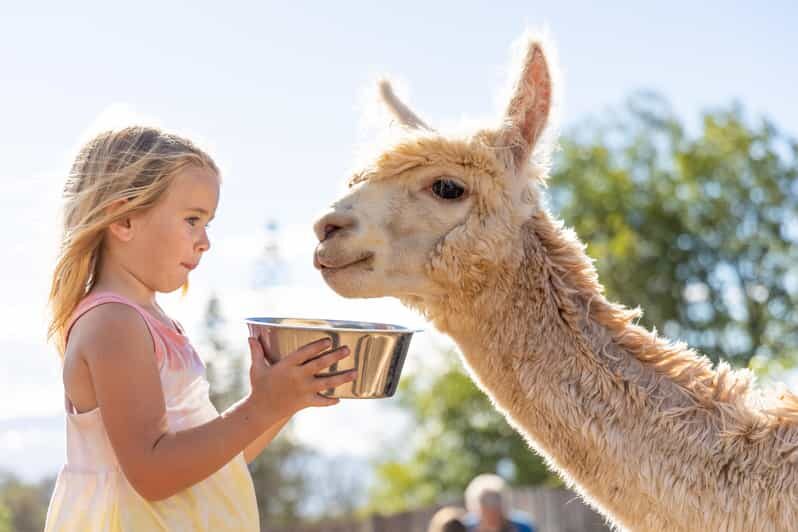
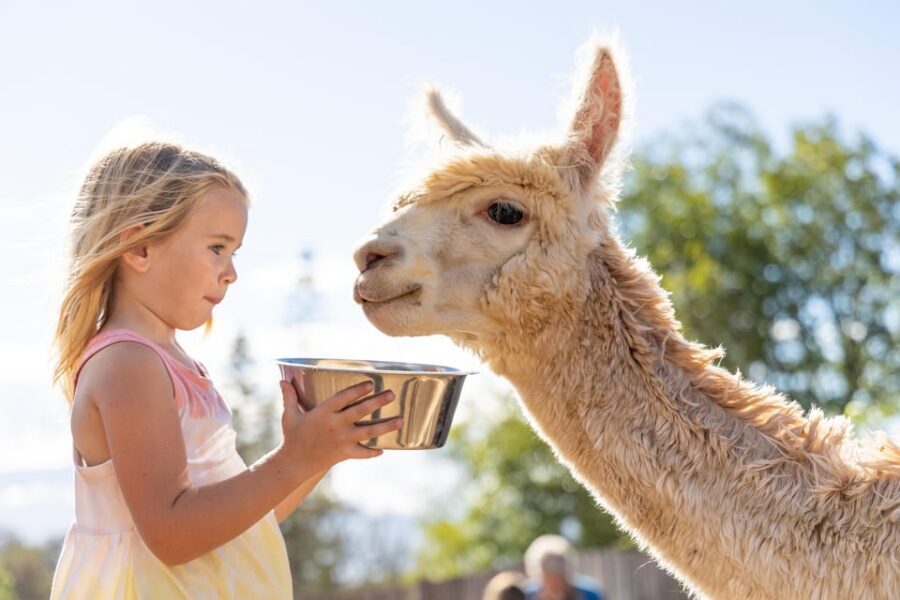
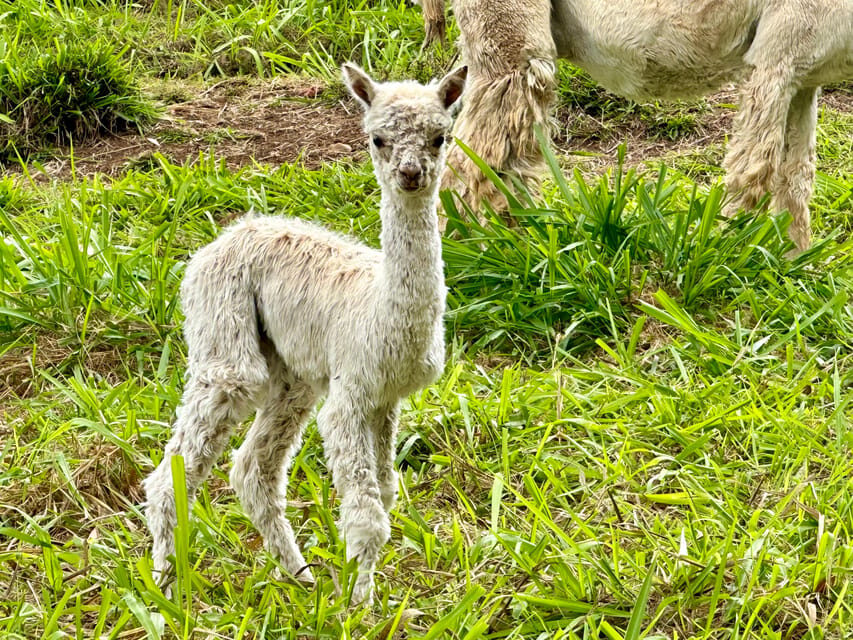
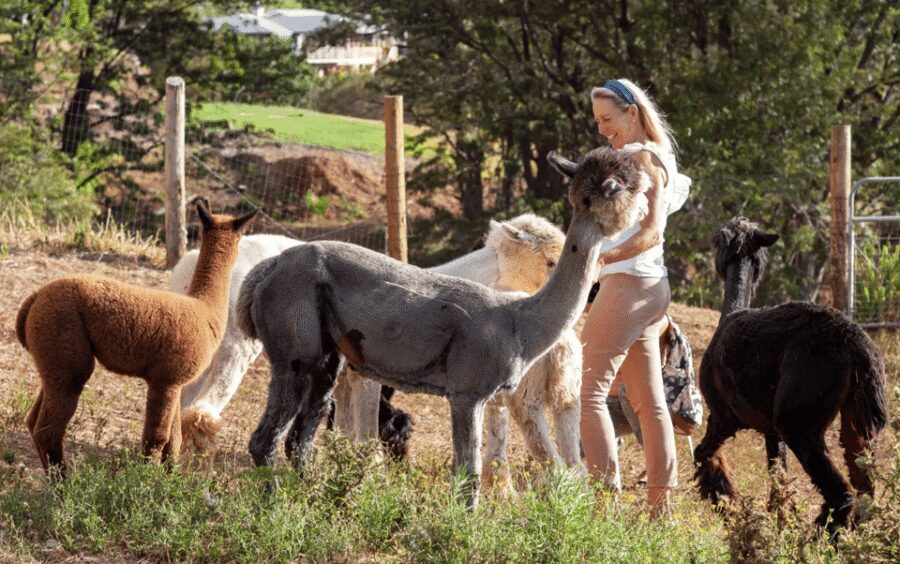
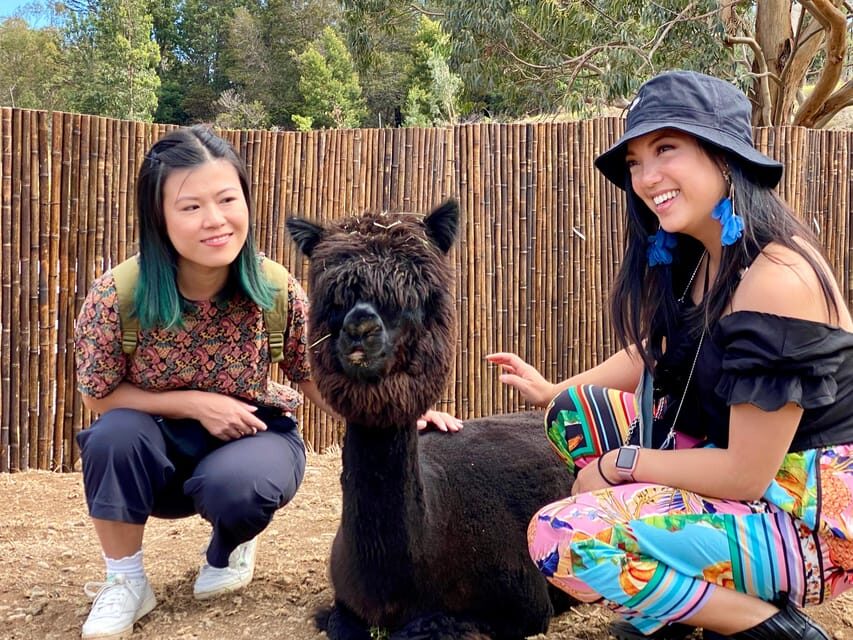
The first real highlight is the alpaca pasture time. You meet the alpacas, then feed them while you get your close-up moments. It’s the kind of experience that turns instantly from I’ve seen alpacas online to I can’t believe how calm they are in person.
You’ll also have plenty of chances for self-photos. Alpacas are photogenic, but the practical win here is that you’re not waiting around for perfect lighting or a staged setup. The animals are right there, and the guide keeps the experience moving at an animal-friendly pace.
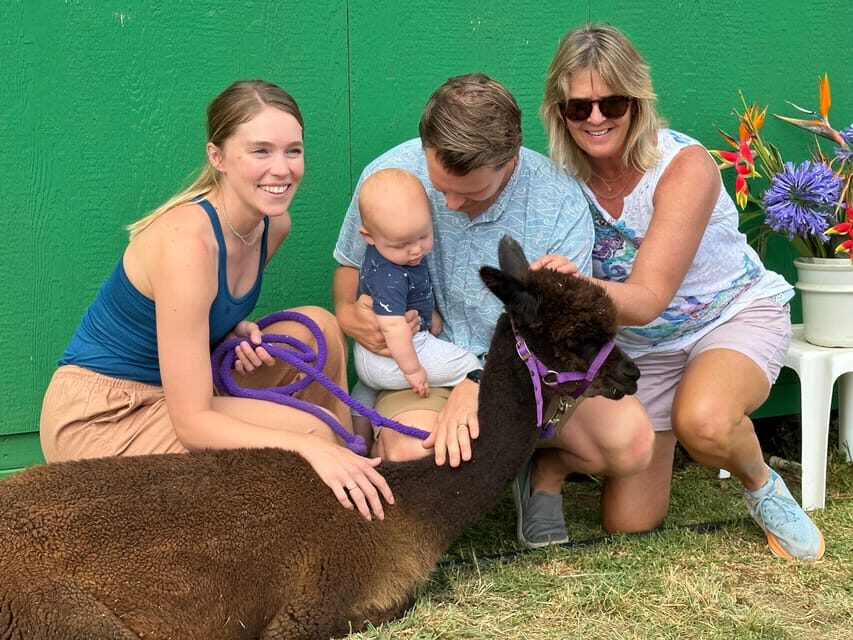
Many families love this part because it’s interactive. Kids usually get the most out of it: petting and holding come up during the tour flow, and the guide’s energy helps young visitors feel comfortable without turning it into chaos. If you want a low-stress family activity, this pasture time is the core of that.
A small consideration: animal time is always limited by the animals’ comfort and the tour schedule. So if your goal is an hour of nonstop cuddling, you may want a longer animal experience elsewhere. Here, the focus is variety within a short visit.
Fiber Education and The Spinning Wheel Demo That Turns Interest Into Skill
After the alpacas, the tour shifts from animals to their fiber. You’ll learn about different types of alpaca fiber and how they’re used, which is more useful than it sounds. A lot of people see products like scarves and sweaters but never learn what’s behind the texture, warmth, and quality.
Then you watch a traditional spinning wheel demonstration. This is where the tour gives you context you can carry home. When you see fiber being turned into yarn, you connect the dots between an animal’s fleece and the finished craft.
I like this sequence because it changes the tempo. You go from quick, physical interaction (feeding and photos) to something more explanatory—but still visual. If you’ve got someone in your group who likes crafts, textiles, or just learning how things work, this is the part that keeps their attention.
This section also fits with the sustainable angle of fiber production. You’ll hear about sustainable practices and how fiber processing works, which gives meaning beyond the cuteness factor.
Angora Bunny Village: Soft Fur Time With Clear Care Learning
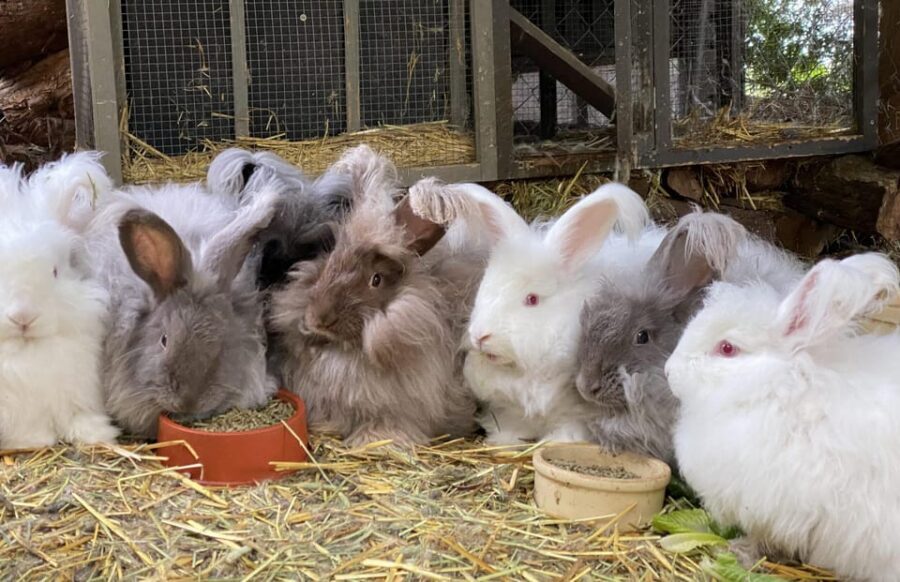
The last major activity is the Angora Bunny Village. If you’ve ever wanted an animal encounter that feels gentle and fluffy, this is the section that delivers. Angora bunnies are soft, and the experience is built around interacting with them while learning about their care.
This matters for two reasons. First, it helps kids and adults understand that these animals are living creatures, not toys. Second, the tour doesn’t stop at petting; you learn the unique qualities of their fiber and what goes into caring for them.
This is a great second animal focus after alpacas. It keeps the tour from feeling one-note. And it works well for mixed groups: someone who’s more into alpacas still gets that moment, and someone who’s more into bunnies gets their own highlight.
One practical tip: like all animal interactions, treat the time as a privilege. Move slowly, follow the guide’s instructions, and keep expectations realistic. You’re there to learn and interact, not to rush the animals.
Upcountry Calm and The ‘Aina Theme Behind The Visit
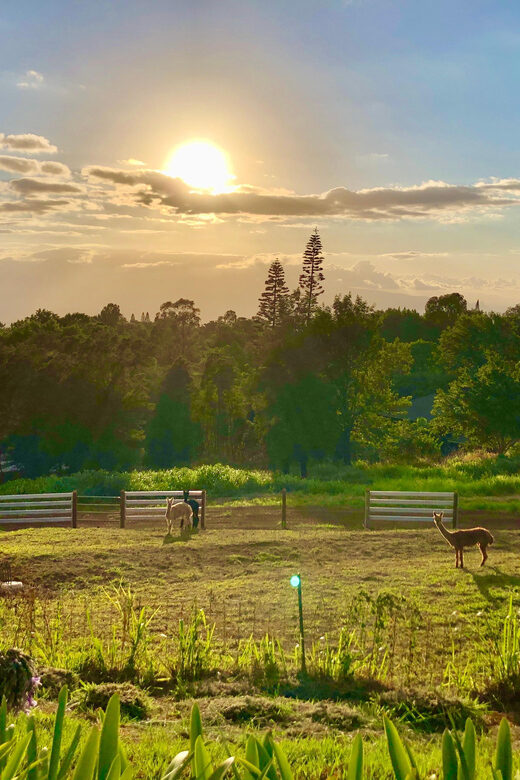
The tour wraps up with time to explore the Upcountry surroundings and the idea of ‘Aina, or the land and its healing through animals and nature. You don’t just leave after a checklist of activities. You get a chance to absorb the slower pace of the farm environment.
This is where the tour feels more like a visit than a sprint. After feeding, spinning-wheel learning, and bunny time, the setting gives you a breather. If you’re visiting Maui and you want something different from beaches and resorts, this farm stop is a nice balance.
Also, it’s a good reset if your day already includes driving and sightseeing. One hour here gives you a human-scale experience, close to animals, with a clear educational thread.

Price and Value: What $79 For One Hour Actually Buys
At $79 per person for a 1-hour experience, you’re paying for several included activities packed into a small-group setting. You get alpaca feeding, fiber education, a spinning wheel demo, and an Angora Bunny Village visit.
Here’s the value logic I use: you’re not just buying admission to an animal pen. You’re paying for guided interaction plus explanation plus live demonstrations. For many people, that’s worth it because learning and interaction are bundled in, and the group size stays small.
What’s not included matters too. Transportation to the farm isn’t provided, and food and drinks aren’t included. So factor in a ride cost or plan your timing around where you’re staying in Maui.
If you’re doing this with kids, the cost often feels more reasonable because the activities are hands-on and attention-friendly. If you’re traveling as a couple and you enjoy crafts, the spinning wheel demo and fiber lesson can justify the price by turning it into more than just animal viewing.
If you’re budget-focused and you only care about feeding animals, you might compare against lower-cost petting options. But if you want a balanced mix of animals plus fiber craft education, $79 can make sense.
Who This Tour Fits Best (And Who Might Skip It)
This is a strong match for families with kids because the pacing is simple and the main moments are interactive: alpaca feeding, petting/holding, and bunny time. It’s also a good pick for animal lovers who like guidance and don’t want to figure everything out on their own.
Pairs well with craft-minded travelers too. If you enjoy textiles, want to understand alpaca products beyond marketing, or you just like seeing traditional tools used, the fiber and spinning wheel segment is a win.
It may be less ideal for adults who want an extended, unsupervised hangout with animals. This is short by design. You get a lot of variety, but not hours of slow wandering.
If you’re the kind of traveler who likes organized, friendly guidance and a small group experience, you’ll likely feel comfortable from the start.
Small-Group Energy and The Guide Factor
Small groups can be a quality signal, and here it shows up in the flow. When a tour is limited to 10 participants, the guide can actually manage feeding moments and keep everyone safe and calm around the animals.
The guide name Erin came up in conversations about the visit, and the key idea was that Erin’s approach is cheerful and fun, especially with younger kids. That matters because an animal tour is partly about setting the mood: relaxed, respectful, and guided.
You’ll also find that the staff style tends to feel passionate and knowledgeable. That combination usually means fewer awkward pauses and more clear explanations while you watch and interact.
And there’s another practical plus: a small gift shop. It’s the kind of place where you can grab something for kids and adults before you head back out, which is handy if you want a Maui souvenir that ties to alpacas and fiber.
FAQ
How long is the Maui alpaca farm visit?
It lasts about 1 hour.
What’s included in the $79 per person price?
You’ll get alpaca feeding, fiber education, a spinning wheel demonstration, and a visit to the Angora Bunny Village.
Is transportation to the farm included?
No. Transportation to the farm is not included.
Are food and drinks included?
No. Food and drinks are not included.
Is the tour in English?
Yes, the live tour guide speaks English.
How big is the group?
The group is small, limited to 10 participants.
What activities happen first during the tour?
You begin with meeting and feeding the alpacas in their pasture, then move into the fiber education and spinning wheel demonstration.
Is there a place to buy gifts?
There is a small gift shop on-site.
Should you book this Maui alpaca farm visit?
I’d book it if you want a short Maui experience that mixes animals with something useful to take home. The alpaca feeding and photo time give instant joy, and the fiber education plus spinning wheel demo turns that joy into real understanding. Add the Angora Bunny Village and you get a second animal highlight that works especially well for families.
Skip it if you mainly want a long, relaxed animal hangout or if you don’t have an easy way to get to Upcountry. Since transportation and food aren’t included and the total time is about an hour, you’ll want your day to fit the schedule.
If your Maui trip includes driving anyway, this is one of the nicer ways to spend a focused hour—close to animals, with a craft lesson you’ll remember after you leave the farm.