REVIEW · BIG ISLAND OF HAWAII
Kohola Whale Watching Excursion
Book on Viator →Operated by Kaimana Ocean Safari · Bookable on Viator
Winter is prime whale season on the Kona coast, and this trip turns it into a close, calm experience. I especially like the small-boat setup (max 6) and how you’re guided toward the whales’ real behaviors, not just quick sightings. I also love the whale-song audio element that helps you “hear” what you’re watching. One thing to consider: if the ocean is rough, your time on the water can get shortened, since safety comes first.
This is a Kohola (humpback whale) excursion run by Kaimana Ocean Safari, starting at Honokohau Harbor in Kailua-Kona. If you can climb a vertical ladder, the crew will try to fit in a short snorkel, but the main focus stays on finding and observing the whales in the wild during their winter migration and breeding season. Captain Cam and Alyssa are the names I keep seeing linked with this trip, and people consistently point to how warmly they run the outing and how careful they are about minimizing disruption.
In This Review
- Key Things That Make This Whale Trip Work
- Kona Winter Whales: What You’re Actually Chasing
- From Honokohau Harbor: Why the Small Boat Is the Point
- The 3-Hour Flow From Departure to Return
- When Whales Surface: What to Watch (and How to Enjoy It)
- Snorkeling When Time Allows: Ladder Access and Water Reality
- Price and Value: Why $160 Can Make Sense
- Who This Is Best For (and When to Rethink It)
- Weather and Rough Seas: The Honest Part
- Should You Book the Kohola Whale Watching Excursion?
- FAQ
- What time does the Kohola Whale Watching excursion start?
- Where does the tour meet?
- How long is the experience?
- What’s included in the tour price?
- What should I bring since bottled water isn’t included?
- How many people are on the boat?
- Is snorkeling guaranteed?
Key Things That Make This Whale Trip Work
- Six-person max means more visibility and less crowd chaos when whales surface nearby
- Whale songs with underwater audio helps you track behavior even when the viewing is brief
- Real-time scanning for Kohola centers the experience on spotting patterns, not doing a checklist
- Short snorkel is optional and time-dependent, with clear limits on who can participate
- Snacks and soda included, but bring your own reusable water bottle
- Winter humpback behavior window covers mating, resting, and calf-related activity in Kona’s waters
Kona Winter Whales: What You’re Actually Chasing
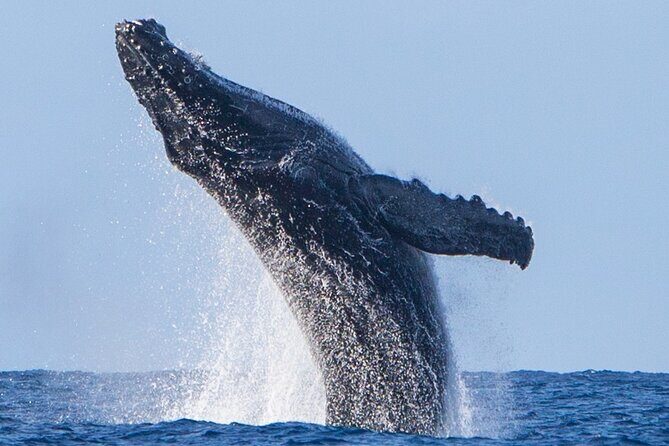
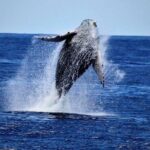
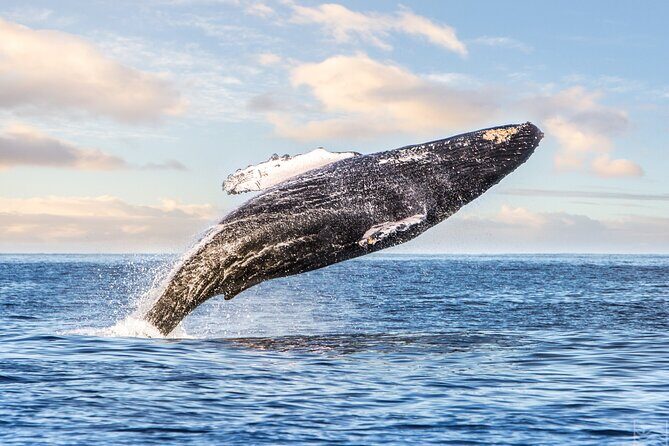
“Kohola” is the Hawaiian name for humpback whales, and this excursion is built around one key seasonal truth: winter is when these whales show up in the waters off Big Island. The trip is designed to help you observe whales as they migrate to Hawaii, mate, rest, and (when conditions line up) get close enough for memorable, natural behavior to stand out.
Here’s the practical part: humpbacks don’t guarantee a whale sight every minute. What you can control is choosing a setup that gives you more time “in the game.” This is a small-vessel outing, and the pitch is simple—stay focused on finding whales and spending time where you have the best odds of watching them do what humpbacks do.
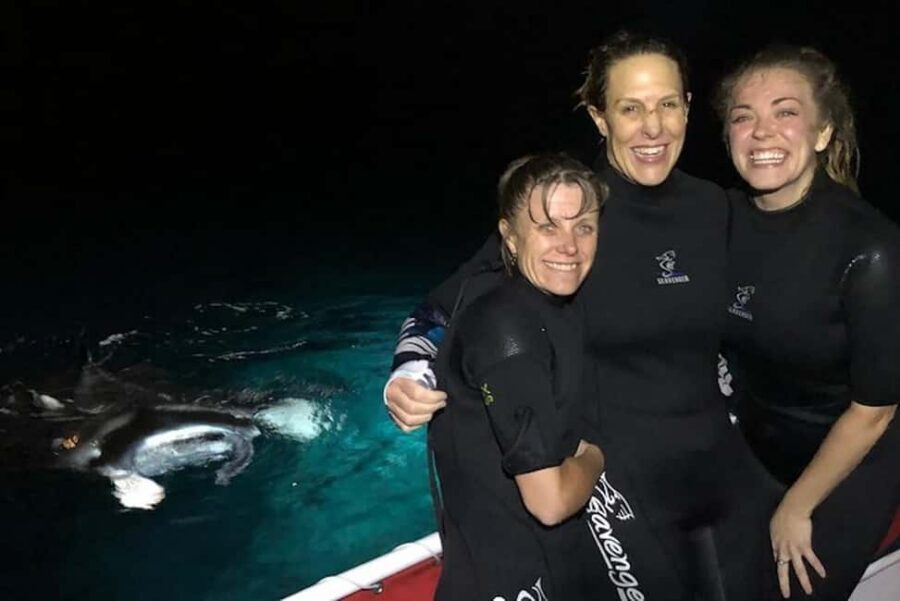
You’ll also get a different kind of connection than you’d expect from a big sightseeing boat. The tour emphasizes their natural sounds, including their haunting songs. One review specifically called out an underwater microphone, which is the kind of extra detail that can turn a brief surfacing into a longer moment of understanding.
Other whale watching tours in Big Island of Hawaii
From Honokohau Harbor: Why the Small Boat Is the Point
The meeting point is KIWAILUKA Big Island Hawaii / Honokohau Harbor in Kailua-Kona. The tour starts at 1:00 pm and runs about 3 hours.
The big value here is the vessel size. This experience caps at 6 travelers, and it’s also described as smaller and more personal than the “big boat” style whale tours. When you’re on a smaller boat, you typically get:
- easier sightlines when whales are at the surface
- a less crowded feeling when animals are close
- more flexibility for the crew to reposition based on where the whales are showing activity
You’re also dealing with real ocean variables. Smaller boats can move with the waves more noticeably, which is why safety and sea conditions matter. But if you want your whale watching to feel like you’re working with the ocean (instead of just passing by it), a tight group size is a big advantage.
Also, the tour can be run as a private charter if you prefer privacy and luxury. It still has a minimum number of people needed to run the tour, so it’s smart to check dates if your schedule is tight.
The 3-Hour Flow From Departure to Return
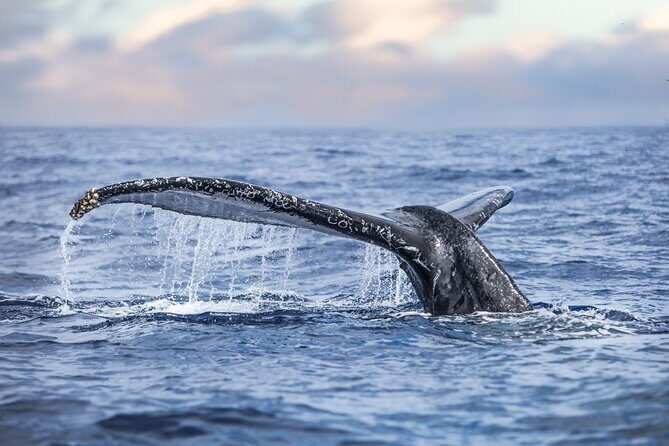
I like tours with a straightforward plan, and this one keeps it simple: you go out, you scan, you observe, and you head back. With a 3-hour window, you’re not spending the whole day traveling. You’re carving out a focused chunk of time when winter whales are more likely to be active and visible.
In practice, the day typically looks like this:
- You meet at Honokohau Harbor around the listed start time.
- The crew gets you oriented, explains what to expect, and (in general terms) sets expectations for water conditions and whale sightings.
- Then the main work begins: scanning the Kona coast for Kohola and positioning to maximize viewing opportunities.
- If time and conditions allow, the crew may fit in a short snorkel segment.
- You finish back at the meeting point.
Because the tour is small, the “stops” are less like a fixed itinerary and more like reactive positioning—following where whales surface, call, or show activity. That’s a big reason people describe moments like being surrounded by multiple humpbacks. When whales are social or clustered, this type of small-vessel approach can put you in the middle of the action (without turning it into a noisy stampede).
When Whales Surface: What to Watch (and How to Enjoy It)
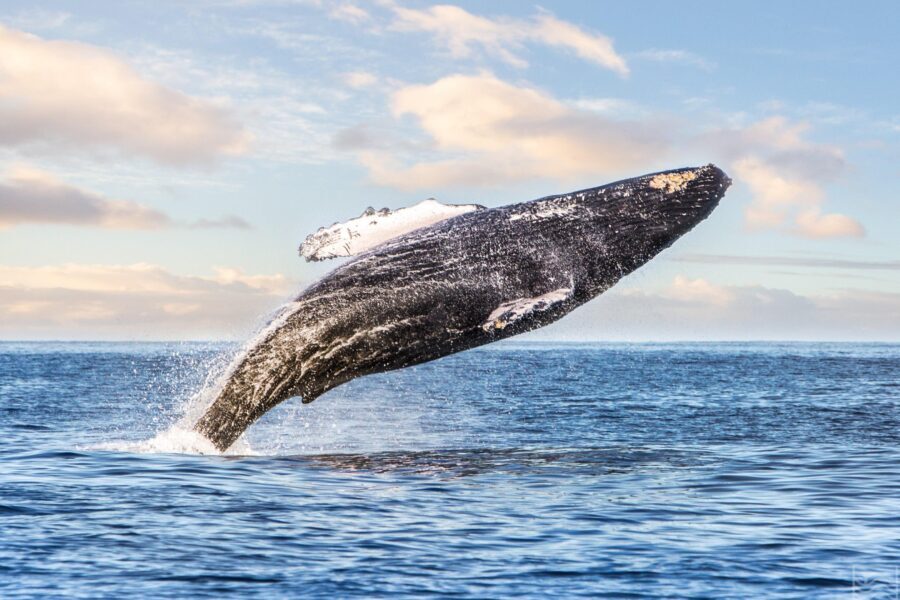
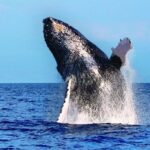
This tour’s core promise is observing humpbacks in the wild—birth-related behavior, mating behavior, resting, and play. Even if you’re new to whale watching, you can get a lot out of paying attention to patterns.
Here’s what I’d focus on during your time on the water:
- Surface rhythm: humpbacks may surface briefly, then disappear for a bit. Watching the interval helps you predict when they’ll come back around.
- Breathing and spouts: when whales rise, that visible blow/spout can be your cue that the sound and activity are nearby.
- Social grouping: if more than one whale is active in the area, you’ll often see them change spacing, which can signal interaction.
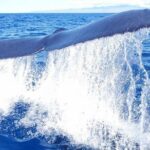
- Tail and movement cues: when you see stronger body movement, it’s often the lead-in to another visible moment.
What makes this excursion stand out is that it doesn’t only rely on eyes. The inclusion of underwater whale-song audio (reported in reviews) can help you stay engaged even when sightings are short or when the group is moving between viewing angles.
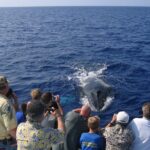
One review described an extraordinary moment—being surrounded by roughly 8–9 whales at once. That’s not something I’d promise, but it’s a strong indicator of what the crew is aiming for: putting you near active whales and keeping you in position long enough to notice real behavior.
Also, dolphins may show up. More than one account mentioned dolphin sightings, including a white dolphin. If you’re hoping for an added wildlife bonus, this trip has that potential.
Snorkeling When Time Allows: Ladder Access and Water Reality
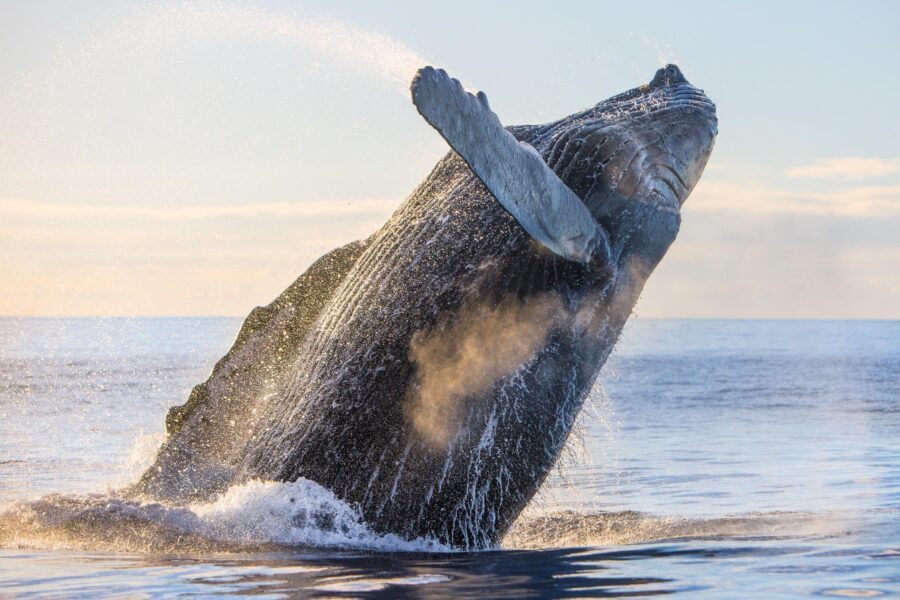
The snorkeling piece is important to understand before you book, because it’s optional and conditional. The tour includes use of snorkeling equipment, and a short snorkel may happen if there’s time.
But there are clear rules:
- You should have moderate physical fitness.
- You must be able to climb a vertical ladder if you want to snorkel.
- There are size/weight limits tied to participation requirements (including being at least 4 feet tall and under 250 lbs).
- There’s also a rule about major surgery within the past 6 months.
So here’s the practical truth: treat snorkeling here as a “maybe.” The main focus is humpback whale observation, and if the sea state or whale positioning takes priority, the crew will likely choose safety over checkboxes.
Still, if you can snorkel, the reward is simple. You’re already on a whale-focused outing; snorkeling can add another layer of ocean time in a way that doesn’t turn the day into a water-sports production. Just plan to keep it short and steady if conditions aren’t calm.
And yes: bottled water is not included. You’ll want your own reusable bottle so you can hydrate after you’re back on board.
Other whale watching tours in Big Island of Hawaii

Price and Value: Why $160 Can Make Sense
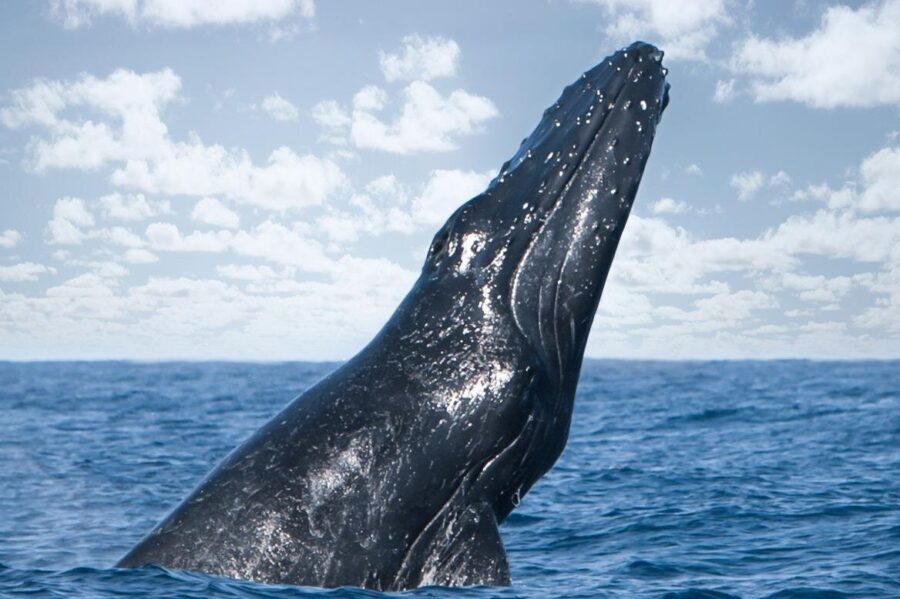
At $160 per person for about 3 hours, this isn’t a budget whale cruise. But price can be fair when you look at what you’re buying: access, comfort, and positioning.
What you’re getting for your money:
- A small group limited to 6 travelers
- A professional crew (Captain Cam and Alyssa are specifically mentioned by name)
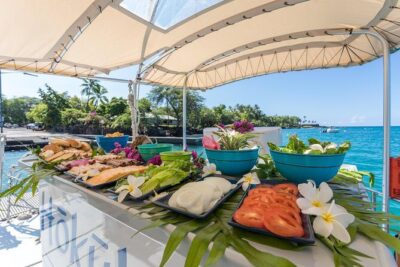
- Snacks and soda/pop
- Snorkeling equipment (if you snorkel)
- Mobile ticketing and English-language service
What you’re not getting:
- Bottled water (bring a reusable bottle)
The “value math” here is mostly about time and odds. Big boats can carry lots of people, but they often spend more time moving between viewing points. This tour aims to spend time with active whales, and the smaller vessel makes it easier to see what’s happening when whales are close.
There’s also an emotional value that’s hard to price: multiple accounts describe feeling welcomed and cared for like family. That matters on a trip like this, because when the ocean is doing its thing—rolling, shifting, changing conditions—you want a crew that keeps everyone calm and safe.
If the trip ends up getting shortened due to rough seas, one review said a portion of the fee was refunded to offset that change. I can’t promise that for every outing, but it’s a sign the company tries to be reasonable when conditions don’t cooperate.
Who This Is Best For (and When to Rethink It)
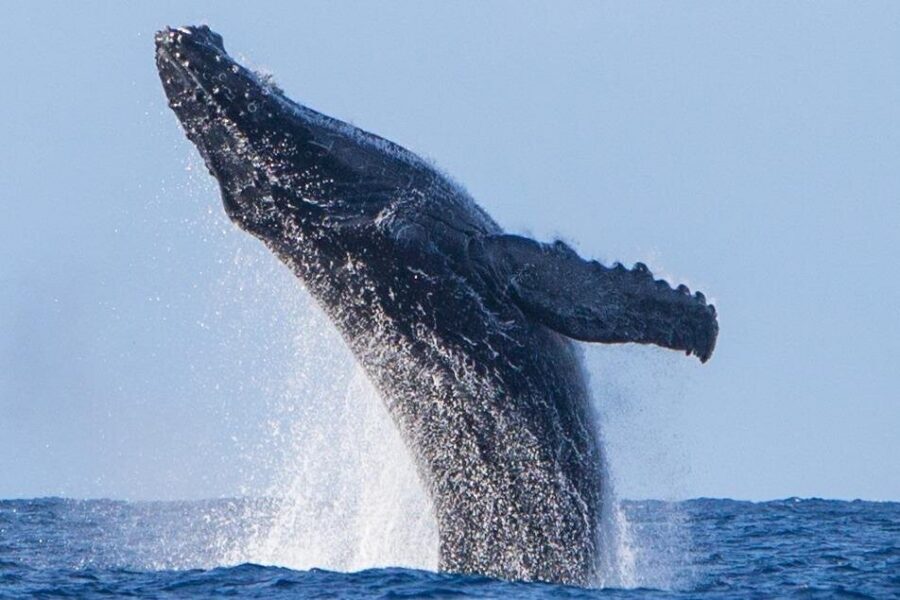
This tour is a great match if you:
- want a small, intimate whale watching experience rather than a crowded crowd-pleaser
- prefer wildlife-first guiding instead of a long list of stops
- appreciate extra details like whale-song audio
- can handle moderate movement on the water
It may be a less ideal match if:
- you’re not comfortable with basic physical requirements (including climbing a vertical ladder if you snorkel)
- you’ve had major surgery in the last 6 months
- you fall outside the height and weight limits (must be 4 feet or taller and under 250 lbs)
- you’re sensitive to choppy conditions, since smaller vessels feel motion more clearly
It’s also clearly family-friendly in the sense that older visitors can enjoy it—one account mentioned parents who were ecstatic about the whales and also about dolphins coming close. That said, this isn’t a stroller-and-easy-boarding kind of trip. It’s small and hands-on, by nature.
Service animals are allowed, which is a helpful detail if you rely on one.
Weather and Rough Seas: The Honest Part
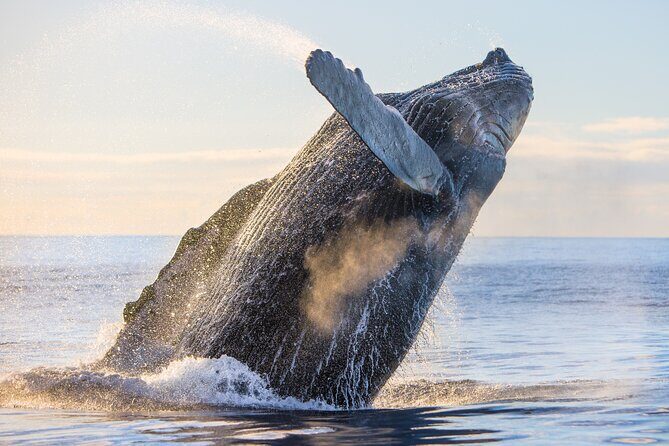
This is whale watching. That means you’re at the mercy of the ocean. The experience is described as requiring good weather, and conditions can affect how much time you actually spend in the water.
One review described seas being rough, which led to no swimming and the trip being cut short by about an hour. That’s exactly the type of scenario you should plan for mentally when you book a small-vessel outing.
My advice: go in with flexibility. If you’re only trying to “check snorkeling” off your list, you may be disappointed. If you’re there for whales first, you’re more likely to walk away happy—even when the ocean gets cranky.
Should You Book the Kohola Whale Watching Excursion?
Book it if you want a whale trip that feels personal, not industrial. The strongest reasons to choose this one are the small boat (max 6), the focus on whale behavior, and the extra whale-song audio detail. Add in snacks and soda, and the $160 price feels more like paying for access and time on the water than for a generic sightseeing cruise.
Hold off or ask more questions first if you’re set on snorkeling as the main goal, or if you’re worried about physical access (especially ladders) or medical restrictions. Also, if you’re the type who panics with motion on water, remember that smaller vessels can feel rougher.
If your priority is humpback whales in Kona during winter—plus the real chance of dolphins—you’re making a smart choice with Kaimana Ocean Safari. The crew names that keep coming up, Captain Cam and Alyssa, are tied to a calm, careful approach that keeps the experience about the animals.
FAQ
What time does the Kohola Whale Watching excursion start?
The start time is 1:00 pm.
Where does the tour meet?
You meet at KIWAILUKA Big Island Hawaii, Honokohau Harbor, Kailua-Kona, HI 96740, USA.
How long is the experience?
It lasts about 3 hours.
What’s included in the tour price?
It includes snorkeling equipment (if you snorkel), snacks, and soda/pop.
What should I bring since bottled water isn’t included?
Bring your own reusable water bottle.
How many people are on the boat?
This activity has a maximum of 6 travelers.
Is snorkeling guaranteed?
No. Snorkeling equipment is included, and a short snorkel is included if time allows. You must also be able to climb a vertical ladder to snorkel.