REVIEW · BIG ISLAND OF HAWAII
Late-Morning Whale Watch on our Power Catamaran
Book on Viator →Operated by Ocean Sports · Bookable on Viator
Whale songs come through a microphone at sea. This Ocean Sports cruise keeps you in Humpback Whale Sanctuary waters quickly, so you spend less time crossing and more time watching, and the late-morning departure lets you start slow.
I love how direct the whole setup feels: you’re out for about 90 minutes, and you’re not stuck on a long transfer before the fun starts. I also love that the trip includes an underwater hydrophone, so the whales are more than just sightings.
Onboard, you get a relaxed, roomy catamaran ride plus snacks and refreshing drinks, and the crew keeps the experience moving with expert interpretation from marine naturalists. The other big plus is the see-a-humpback or ride-again free promise, which takes some of the stress out of booking a wild-animal tour.
One possible drawback: whales are wild, and conditions can affect what you see. Also, on at least one day, sound/announcements were harder to catch from the boat, and the check-in spot can be different depending on harbor rules.
In This Review
- Key things to know before you sail
- Late-morning whale watching on the Kohala Coast
- The stable power catamaran and what “roomy” means in practice
- Marine naturalists, live whale sound, and why the hydrophone changes everything
- What the 90 minutes look like once you’re on the water
- Snacks and drinks included: more than a perk
- The return-for-free guarantee, and the reality of wild whales
- Price and value: how $125 stacks up on the Big Island
- Where you meet and how to avoid check-in headaches
- Who should book this Ocean Sports whale watch
- Possible downsides to plan for (no sugarcoating)
- Should you book this late-morning whale watch?
- FAQ
- What time does the late-morning whale watch depart?
- How long is the cruise?
- Where is the meeting point for the Ocean Sports whale watch?
- What is included with the ticket?
- Is it guaranteed to see a humpback whale?
- What’s the maximum group size?
- Are kids allowed on this tour?
- What language is the tour offered in?
- What happens if the weather is poor?
Key things to know before you sail
- Less travel time by departing within sanctuary waters, not across the island
- Late start at 10:30am so your morning isn’t swallowed by buses and boats
- Underwater hydrophone helps you hear whale singing, not just see spouts
- Snacks and drinks included, including beer and wine, with reports of mimosas and mai tais
- Free return guarantee if you do not see a humpback during your outing
- Max 65 travelers, with at least one note that they voluntarily limit crowding
Late-morning whale watching on the Kohala Coast
If your Big Island days run on island time, this timing helps. The cruise starts at 10:30am, which means you’re not dragging yourself out at sunrise just to chase a breath of mist on the horizon. You also get the advantage of being in the right waters fast, since the trip runs in the Humpback Whale National Marine Sanctuary area on the Kohala Coast.
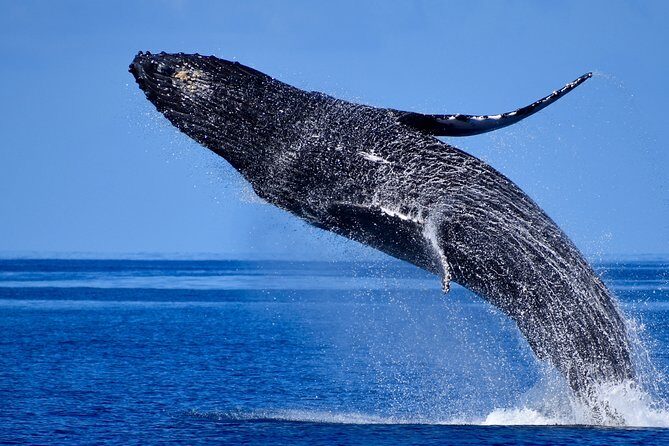
The shorter ride matters more than it sounds. When time is limited to about 1 hour 30 minutes, every minute you’re on the water counts. A lot of whale watch value comes from efficiency: fewer hours traveling, more hours scanning for behavior like tail slaps, breaches, and mother-calf nursing.
This is also a good fit if you want a whale encounter without eating your whole day. Many whale watchers start earlier and return later. Here, you get out, you learn, you watch, and you’re back around the meeting point without feeling like your schedule got eaten.
Other whale watching tours in Big Island of Hawaii
The stable power catamaran and what “roomy” means in practice
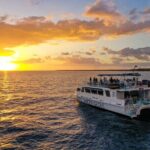
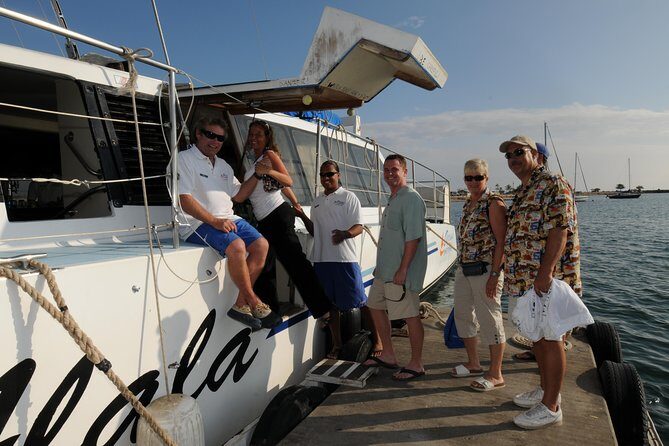
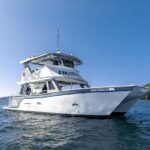
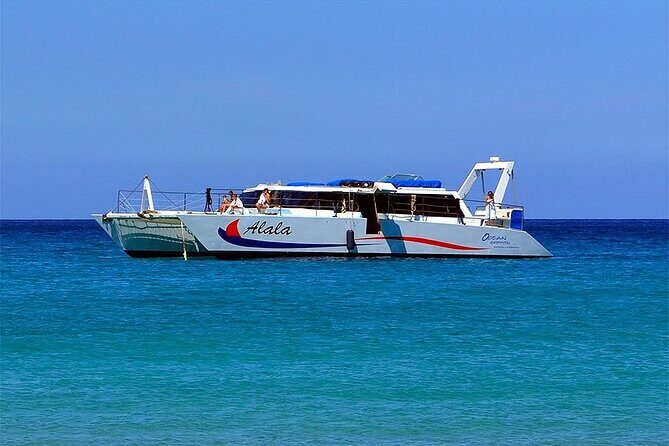
You’ll be on a stable, spacious, comfortable power catamaran. That description is practical, not just marketing. Catamarans tend to feel steadier than smaller boats, and the layout gives you space to move around for photos and to find a good sightline.
Group size is capped at 65 travelers. That cap is important because whale spotting is a lot easier when you’re not packed in tight. On one cruise, someone noted they didn’t realize there would be so many people on board. Ocean Sports also mentions voluntary reservation caps to reduce crowding, which is a good sign if you’re sensitive to tight quarters.
If you’re booking for a family, couples trip, or first-time whale watch, this size is usually the sweet spot. It’s small enough to feel like a real outing with attention, but large enough that the boat can run efficiently and keep the scanning going.
Marine naturalists, live whale sound, and why the hydrophone changes everything
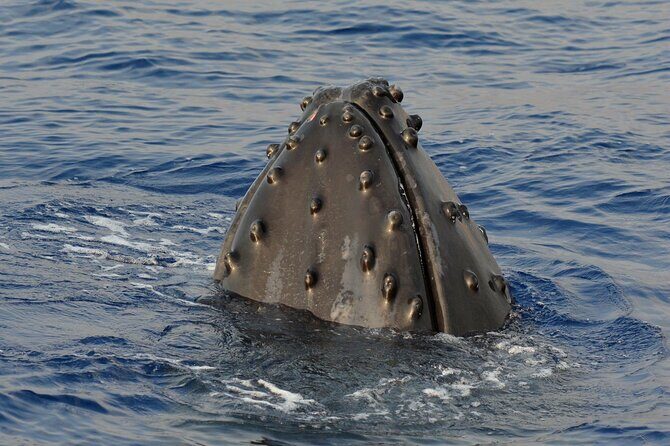
The standout educational element is the underwater hydrophone. Instead of only hearing guesses like whale songs you can read about later, you get a real-time way to understand what humpbacks are doing beneath the surface. Humpbacks sing in ways you might not imagine until you hear it yourself, and that sound turns a long watch into something you can experience even before a whale surfaces.
You’ll also get expert interpretation from marine naturalists. That matters because humpbacks have patterns. Once you know what you’re seeing—surface behavior, breathing timing, and social activity—you don’t just spot a whale. You start following a story.
From the feedback, the naturalist-led approach shows up in a few common ways:
- People talk about hearing whale calls/sounds with the mic and recognizing the energy of the interaction
- People mention learning Hawaiian lore and how the whales fit into local geography and culture
- People often praise the crew for keeping explanations clear while still running the hunt efficiently
This is a great choice if you’re the type who wants the thrill, but also wants to understand what’s going on out there.
What the 90 minutes look like once you’re on the water
You’re out for about 1 hour 30 minutes, which is long enough to find whales and build momentum, but short enough to stay focused. Most people who love this trip describe a feeling of being “right to the action,” not stuck wandering.
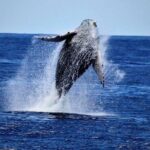
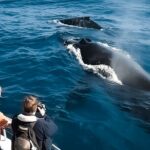
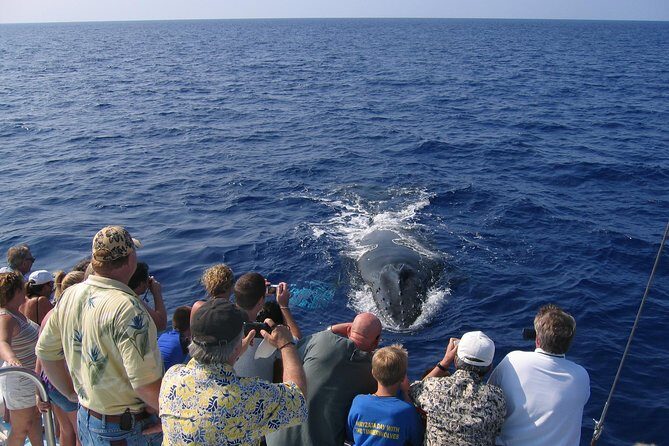
A common theme in the experience is how quickly whales can appear once you’re in the sanctuary area. Some people report seeing whales right away. Others describe a range of behavior—breaches, mother-and-calf activity close to the boat, and even dolphins showing up alongside the whales.
Here’s what you should plan for mentally: humpback watching is not a theme-park ride. The best cruises feel like the crew is steering you to where the whales are acting, and then you follow. If the whales breach repeatedly, the whole mood changes. If they surface quietly and just breathe, the mood changes too. Either way, you’re there for behavior.
Also watch for the moments that make people talk later—like that time you can hear the slap or the clear pattern of whale movement when a pod is active. When whales approach close enough to get those classic “barely underwater, then suddenly right there” views, the hydrophone and narration usually make the moment feel bigger.
Snacks and drinks included: more than a perk
At sea, included food and drinks aren’t just comfort. They keep people relaxed, and relaxation helps you actually enjoy the hunt. Your ticket includes snacks plus soft drinks and adult beverages like beer and wine.
More than one person highlights the onboard treats in a very practical way: the crew is consistently serving, so you’re not stuck waiting for someone to find you. There are also mentions of mimosas and mai tais being served as part of the drink experience. If you’re planning a celebratory day—family gathering, anniversary, or just a “we did it” moment—this adds a nice layer without adding cost.
Is it a dinner cruise? No. It’s still a whale watch. But it’s comfortable enough that you can spend the hour and a half focused on whales, not on sourcing refreshments.
Other catamaran and sunset sails in Big Island of Hawaii





The return-for-free guarantee, and the reality of wild whales
The promise is simple: see a humpback whale during your trip, or take the cruise again for free until you do. That’s a major value feature on a Big Island activity where wildlife results can swing day to day.
But let’s keep it real. The same policy that helps you sleep better doesn’t mean you can demand whales perform on schedule. When conditions are right, the experience can be spectacular—multiple whales, breaches, and close-up behavior. When conditions are less favorable, you might get fewer sightings, shorter whale contact, or more waiting.
One practical detail worth knowing: the boat follows federal guidelines that limit how close you can approach whales. The result is that sometimes you get close because the whales choose to come near, not because the boat forces it. If you’ve dreamed about a whale encounter, this is why the “whales choose” part can still lead to jaw-dropping moments, even when the boat stays responsible.
In other words: the guarantee helps with outcome stress, and the rules help protect the whales and keep the hunt ethical.
Price and value: how $125 stacks up on the Big Island
At $125 per person, this isn’t a budget add-on, but it’s also not priced like a luxury private charter. The value comes from what’s included and what you avoid.
You’re paying for:
- A 1.5-hour cruise in the sanctuary area
- Professional guidance with marine interpretation
- Snacks plus soft drinks, beer, and wine
- Access to the hydrophone experience
- The option to ride again for free if you don’t see a humpback
You’re also saving time. Departing within the whale sanctuary waters means you’re not spending a huge chunk of your ticket time in transit. If you’ve ever done a long boat transfer for a short watch period, you know how quickly costs can turn into “I paid to sit on a boat.” This format is built to prevent that.
One more planning angle: this trip is often booked around 17 days in advance on average. If you’re traveling during peak season or on popular dates, it’s smart to book early so you don’t get stuck choosing a schedule that fights your other Big Island plans.
Where you meet and how to avoid check-in headaches
You’ll meet at 69-1081 Ku’uali’i Pl, Waikoloa Village, HI 96738, USA. The tour ends back at the meeting point.
That sounds straightforward, but there’s one reality on the water: some harbors have secured rules, and that can affect exactly where check-in happens. On at least one occasion, people reported confusion when they showed up at an expected location. The fix is simple: give yourself extra time to confirm the right check-in place when you arrive, and ask staff if there’s any question about where to go.
Also, keep in mind the trip uses a mobile ticket and is offered in English. If your group has anyone who prefers paper backups, I’d still treat the mobile ticket as your main plan since that’s what’s listed.
Who should book this Ocean Sports whale watch
This is one of those tours that fits a wide range of travelers because the format is clear and the experience is short.
You’ll likely enjoy it if:
- You want humpback whales on the Big Island without committing to a full day
- You’re a first-timer who wants more than a quick spotting, with real interpretation
- You care about hearing whales through the hydrophone, not just seeing spouts
- You’re traveling as a family or couple and want included comfort (snacks and drinks)
You might want a different option if you’re specifically chasing a long snorkeling session or a full-day ocean adventure. Ocean Sports does offer upgrades to a Snorkel Adventure Cruise or a Pau Hana Sunset Cruise, but those require paying the difference in fares.
If you’re the type who hates crowds, look closely at sailing days. Even with a cap, whale season brings more demand. The good news is they do operate with crowd limits in mind.
Possible downsides to plan for (no sugarcoating)
Even with a great setup, there are a few things that can shape your day.
First: weather. This experience requires good weather. If it’s canceled due to poor conditions, you’ll be offered another date or a full refund.
Second: the sound system and announcements. One person couldn’t hear the Captain’s briefing clearly due to boat noise. That doesn’t mean you’ll have the same problem, but it’s a reminder that you might not catch every word while the engines are running.
Third: whale variability. The best days can be whale-heavy, with breaches and pods. The tougher days still count as success if you see humpbacks, but you may not get the same number or closeness as the top stories. The free return option is the safety net, but it’s still a wildlife tour.
Finally: rare operational issues happen in real life. One booking described a mechanical problem after departure. It’s not something you should expect, but it’s also a reminder that sea days can’t be run like perfectly scheduled land events.
Should you book this late-morning whale watch?
If you want a whale watch that feels efficient, comfortable, and genuinely instructional, I think it’s an easy yes. The combination of sanctuary waters, late-morning timing, and the hydrophone makes this more than a drive-by wildlife moment. Add in snacks and drinks, plus the free return guarantee, and the value becomes clear.
Book it if you’re flexible and you want to maximize your chance of a memorable humpback encounter without sacrificing your whole day. If you’re extremely sensitive to crowds or need a very quiet onboard experience, do your homework on sailing dates and plan to arrive early so you’re not rushed.
Bottom line: for the Big Island, this is one of the whale watches that feels designed for real humans and real schedules.
FAQ
What time does the late-morning whale watch depart?
The start time is 10:30am.
How long is the cruise?
It’s about 1 hour 30 minutes.
Where is the meeting point for the Ocean Sports whale watch?
The meeting point is 69-1081 Ku’uali’i Pl, Waikoloa Village, HI 96738, USA.
What is included with the ticket?
You get snacks, soft drinks, and beer and wine, plus a professional guide and the onboard whale interpretation (including the hydrophone experience).
Is it guaranteed to see a humpback whale?
You’ll see a humpback whale or you can take the trip again for free until you do.
What’s the maximum group size?
The tour/activity has a maximum of 65 travelers.
Are kids allowed on this tour?
Most travelers can participate, and children must be accompanied by an adult.
What language is the tour offered in?
The tour is offered in English.
What happens if the weather is poor?
This experience requires good weather. If it’s canceled due to poor weather, you’ll be offered a different date or a full refund.