REVIEW · BIG ISLAND OF HAWAII
Guided Hike Adventure: Kilauea Iki and Lava Tube
Book on Viator →Operated by Volcanoes Hiking Guides · Bookable on Viator
The ground here is still talking. You’ll get two big hits in one day: Kilauea Iki lava-lake walking and a stop at Nahuku Lava Tube, all in a pace that feels doable for most people with moderate fitness. The one catch is you’ll need to be comfortable on uneven trail and you’ll want decent weather, because this trip depends on it.
This is a smart half-day plan for Volcanoes National Park—about 4 hours 30 minutes of guided time—without the “my whole day disappeared” feeling. I like that you start and finish at the Kīlauea Visitor Center, so it’s easy to orient yourself and then get back to your other Big Island plans.
You also won’t show up empty-handed. The tour includes trekking poles and other practical add-ons like rain gear, backpacks, and binoculars, and the group is capped at 10, which helps the guide manage timing and footing.
In This Review
- Key points before you go
- A practical hike that pairs two volcanic “modes”
- Getting oriented at the Kīlauea Visitor Center and Halemaumau views
- The Kilauea Iki Trail: walking the crater like you’re reading the ground
- Nahuku–Thurston Lava Tube: why the tube belongs in this itinerary
- Pace, timing, and group size: the comfort factor you’ll feel
- Included gear: what it means for your packing list
- Weather matters more than you think on this hike
- Price and value: what $150 buys you
- Who this hike suits best
- Should you book this guided Kilauea Iki and Lava Tube hike?
- FAQ
- How long is the guided hike?
- What distance will I hike?
- Where does the tour start?
- What’s the group size?
- What language is the tour offered in?
- What’s included with the tour?
- What’s the cancellation policy?
Key points before you go
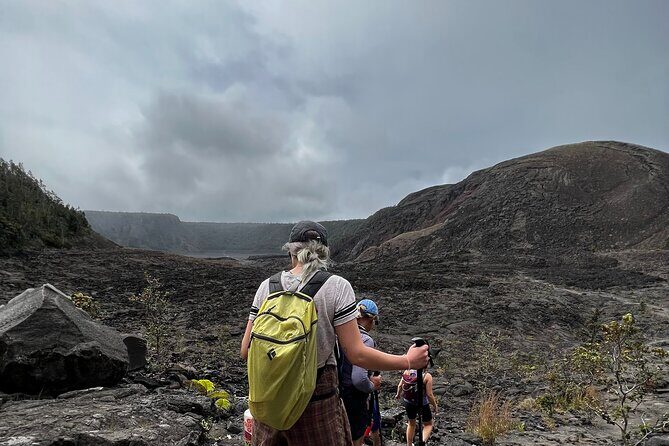
- Kilauea Iki’s hardened lava lake (1959) gives you a real-world view of how volcanic ground changes over time
- Nahuku–Thurston Lava Tube adds a second kind of geology: the inside of the volcanic system
- Small group (max 10) makes it easier for the guide to keep pace and help as needed
- Gear is included (trekking poles, rain gear, backpacks, binoculars), so you can travel lighter
- Moderate hike, 4.5 miles (7.24 km) means it’s active, but not a full-on endurance event
A practical hike that pairs two volcanic “modes”
If you like geology but don’t want to spend the day piecing together your own route, this is a tidy plan. You’re not just walking through a park—you’re moving through two different outcomes of volcanic activity: a crater area shaped by a lava lake, then a lava tube formed by flowing magma and later changing conditions.
The day also has a human rhythm. The tour starts at the Kīlauea Visitor Center, begins with crater views, then transitions into on-the-ground travel. That flow matters because it helps you understand what you’re looking at while you’re still in the right mindset.
And yes, the group size helps. When you’re in a max-of-10 setting, it’s easier for the guide to notice if someone is slipping behind, if weather shifts, or if the group needs a quick timing reset.
Other Volcanoes National Park tours in Big Island of Hawaii



Getting oriented at the Kīlauea Visitor Center and Halemaumau views
You meet at Kīlauea Visitor Center, 1 Crater Rim Drive, Volcano, HI 96785. Then you’re off on a guided hike through Volcanoes National Park for about 4.5 miles (7.24 km), rated moderate.
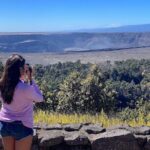
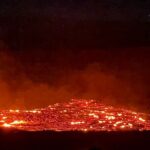
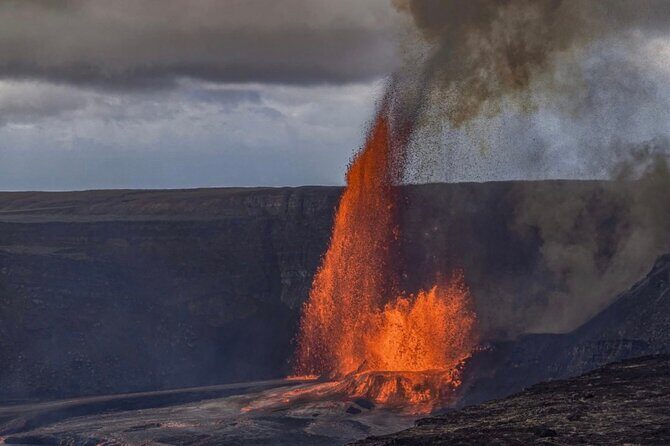
The early part is built around context. The hike kicks off with views of Halemaumau Crater. That’s a smart move because it sets the tone before you go deeper into the lava features—so your eyes have something to “hang the story on” while you walk.
What I’d watch for in this phase: your footing and your energy level. Early enthusiasm is great, but the later section includes real crater terrain. A steady start makes the whole hike feel calmer.
The Kilauea Iki Trail: walking the crater like you’re reading the ground
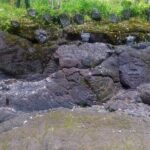
Next comes the Kilauea Iki Trail, and this is where the tour earns its reputation. You trek across Kilauea Iki crater’s hardened lava lake from 1959. That means you’re stepping on rock formed by lava that once flowed and pooled like a lake—then cooled and changed.
What you’ll likely notice as you cross: the ground won’t feel like a normal hiking path. Even if the trail is marked, lava terrain has its own texture and contours. That’s why trekking poles help. They’re included on purpose, not as a souvenir item.
This is also the section where good guidance matters most. A great guide doesn’t just point and move on. They connect what you’re seeing with what it means—how the crater formed, what hardened lava looks like after time, and how this specific area fits into the Big Island’s overall volcanic behavior. The guides for this hike (including Caine and Jennifer, who are specifically noted for being fun and well paced) are the reason the walking feels more like understanding than sightseeing.
If you’re the type who likes to stop, look, and ask questions, this is your stretch. Binoculars are part of the included kit, so you can spend a little more time at the spots where looking closer helps.
Nahuku–Thurston Lava Tube: why the tube belongs in this itinerary
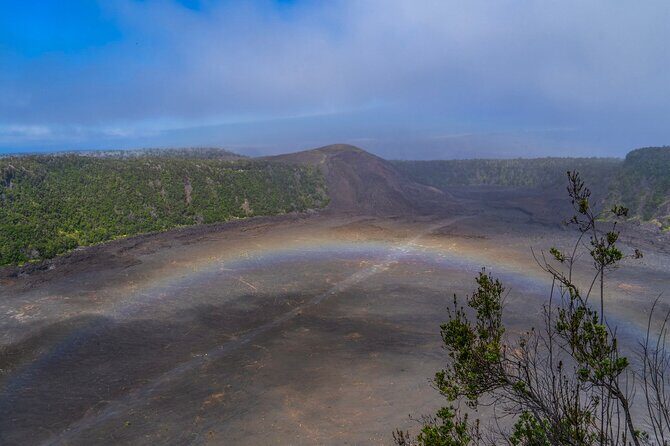
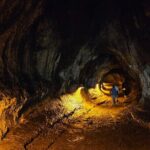
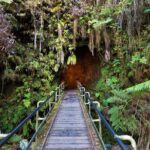
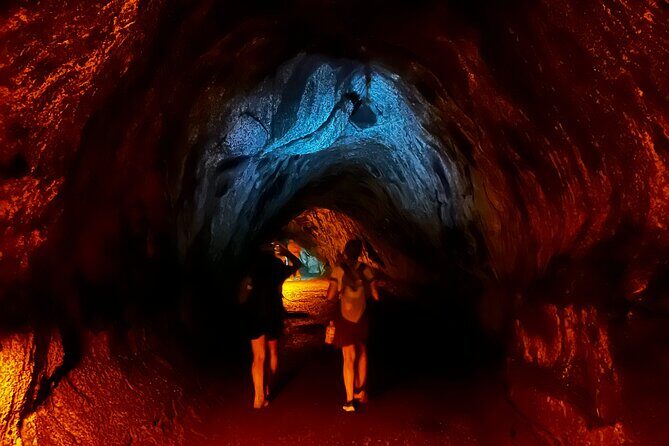
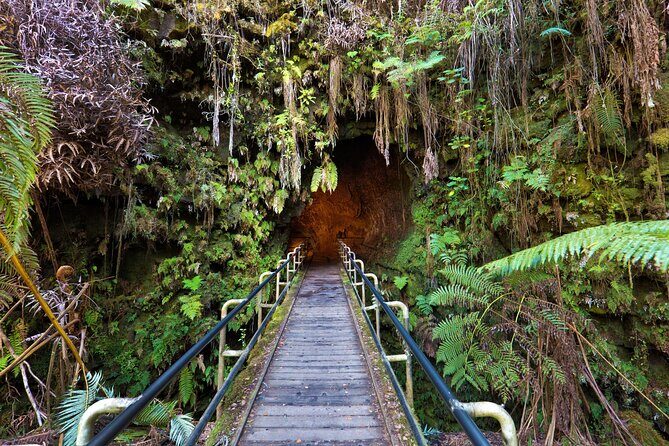
After the crater crossing, the tour shifts gears to Nahuku Lava Tube (listed as Nahuku–Thurston Lava Tube). This isn’t just a “nice add-on.” The tube gives you a different perspective on volcanic activity because it’s about how lava traveled beneath the surface.
In practical terms, this part changes the sensory feel of the hike. Even if you stay focused on safety and footing, being inside a lava tube is a noticeable break from open-air crater walking. The guide’s job here is to help you connect the tube environment to what you were seeing just outside it.
Why that pairing is valuable: you’re getting both the “lava pooled” story (hardened lava lake) and the “lava flowed through channels” story (lava tube). If you only did one, you’d miss a big piece of how volcanic landscapes form.
Also, because this is a guided experience with a max of 10, it’s easier to keep the group together when everyone is taking it in at slightly different speeds. That matters here because exploration tends to create natural pauses.
Pace, timing, and group size: the comfort factor you’ll feel
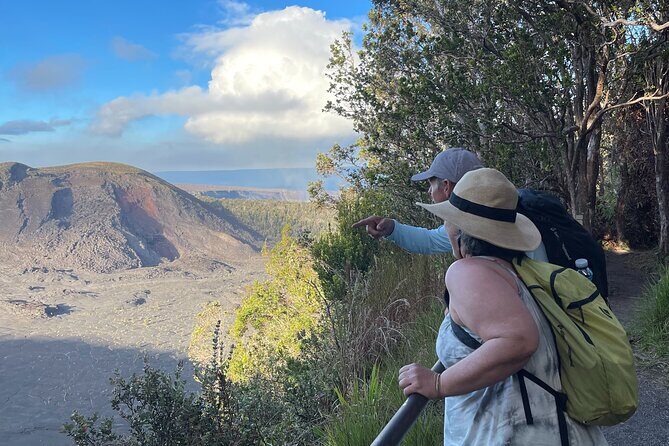
The itinerary runs about 4 hours 30 minutes. That timing is a sweet spot. Long enough to get real volcanic variety—short enough that you don’t feel cooked afterward.
The group limit (maximum 10 travelers) isn’t a trivial detail. In a small group, your guide can:
- watch footing more closely on uneven terrain
- adjust how long you linger at views
- keep the whole tour from turning into a stretched-out wandering session
Both Caine and Jennifer are called out for pacing and communication, and that’s exactly what you want on an active hike. If you’re trying to plan the rest of your day, a guide who keeps the group moving efficiently is a gift.
And since the tour includes rain gear and trekking poles, you’re not stuck trying to improvise with whatever you packed for a different activity earlier. It’s a “show up and hike” setup.
Other guided tours in Big Island of Hawaii




Included gear: what it means for your packing list
This tour includes trekking poles, backpacks, rain gear, and binoculars. That’s a lot of practical weight handled for you.
Here’s how that can help you:
- Trekking poles reduce strain on rough or uneven ground, especially if the surface is damp
- Rain gear matters because Volcanoes National Park weather can change fast, and this experience requires good weather to operate
- Backpacks mean you’re not juggling extra items while hiking
- Binoculars can make crater and feature viewing more rewarding
You’ll still want to wear shoes suited for moderate hiking, because no included gear replaces traction. But compared with many tours where you bring everything yourself, this one is set up to reduce friction.
Weather matters more than you think on this hike
This activity requires good weather. If it’s canceled due to poor weather, you’ll be offered a different date or a full refund.
So before you book, think about your schedule. If you’re on a tight Big Island itinerary with no flexible day, you might want to pick dates with some breathing room. Volcanoes National Park is worth it—but the park is also the park. Conditions can shift.
The good news: this is built as a guided, small-group hike with a professional provider (Volcanoes Hiking Guides), so when weather is right, everything tends to run smoothly. When it isn’t, the tour isn’t pretending conditions don’t matter.
Price and value: what $150 buys you
At $150 per person for about 4.5 miles with a guide, it’s not a budget walk. But it’s also not an expensive “lecture with no effort” situation.
Here’s what supports the value:
- a guided experience through Kilauea Iki lava terrain and Nahuku–Thurston lava tube
- a moderate duration (4 hours 30 minutes), so you get substantial guided time
- small-group size (max 10), which is hard to replicate on your own without coordination
- included gear: trekking poles, rain gear, backpacks, binoculars
- English-speaking instruction
If you’re traveling with limited hiking experience, the guide is often the difference between seeing features and actually understanding them. And if you’re a careful planner, the included gear can also reduce what you have to pack or buy.
Who this hike suits best
This is best for you if you:
- want a guided Volcanoes National Park experience that includes both crater terrain and a lava tube
- like learning while you move, not just reading signs at stops
- are comfortable with a moderate hike distance of 7.24 km / 4.5 miles
- appreciate small groups and clear pacing
It might be less ideal if you:
- struggle with uneven terrain or have mobility limits that make crater and lava rock hiking hard
- don’t have flexibility for weather changes, since the experience depends on good conditions
Should you book this guided Kilauea Iki and Lava Tube hike?
I’d book it if your goal is a high-meaning, guided volcanic day that’s active but not extreme. The combination of Kilauea Iki’s 1959 hardened lava-lake crossing plus the Nahuku–Thurston lava tube is a smart way to see more than one “side” of the volcano at a time when most visitors only touch the surface—literally and figuratively.
If you’re on the fence, do this simple check: can you handle a moderate 4.5-mile hike and are you okay with the possibility of a weather-based reschedule? If yes, this tour is a strong match for your Big Island itinerary.
FAQ
How long is the guided hike?
It’s about 4 hours 30 minutes.
What distance will I hike?
The hike is 7.24 km / 4.5 miles.
Where does the tour start?
It starts at Kīlauea Visitor Center, 1 Crater Rim Drive, Volcano, HI 96785, USA.
What’s the group size?
The tour has a maximum of 10 travelers.
What language is the tour offered in?
The tour is offered in English.
What’s included with the tour?
Included items are trekking poles, backpacks, rain gear, and binoculars.
What’s the cancellation policy?
Free cancellation is available. You can cancel up to 24 hours in advance for a full refund (cut-off times are based on local time). The experience requires good weather, and if it’s canceled due to poor weather, you’ll be offered a different date or a full refund.