REVIEW · BIG ISLAND OF HAWAII
Big Island Hawaii Self-Guided Driving Tour
Book on Viator →Operated by Travel with Action · Bookable on Viator
Big Island driving gets way better with stories in your ear. This self-guided road trip is built for flexibility: you follow the audio to each stop, pause when you want, and rely on offline maps so you are not stuck hunting signal. I especially like the value here (one purchase per car for up to four people) and the way the hands-free audio plays as you get near each location. One thing to plan for: the drive can run long, and the app needs a bit of setup care to work smoothly.
You start on your own time, explore in small bites, and still feel like you are getting a guided tour without a bus schedule or crowd flow. Stops range from Hilo waterfalls and lava landmarks to Kona beaches, burial sites, and the big finish at Hawaii Volcanoes National Park. If you want a simple, scenic loop with minimal decision-making, this is great. If you want someone to physically meet you and escort you through tricky entrances, you might find the self-navigation part a little fiddly.
In This Review
- Key takeaways before you go
- How the offline audio self-drive really works
- Car audio: keep it simple
- Price and value: $16.99 per group is the whole point
- Timing reality check: 2–3 hours on paper vs real road time
- Stop-by-stop: Hilo waterfalls, lava sounds, and quiet breaks
- Stop 1: Hilo and the Hilo “waterfall + lava” story zone
- Intermediate stop: the “singing tires” deck at 203 Kilauea Ave
- Surfer cove near downtown Hilo: scenic, not swim-friendly
- Near Pepeekeo: the short out-and-back trail (0.8 km)
- Botanical stops in the Hilo orbit
- Stop 3: Sugar Mill Road small waterfall
- Kolekole Beach Park: a county park stop
- Hamakua to Kohala: water features, a train museum, and big coastline
- Stop 4: 19 HI-19 World Botanical Gardens and Waterfalls
- Laupahoehoe Train Museum and the April Fools Day tsunami memorial
- Stop 5: Kohala Coast
- Anna Ranch Heritage Center (Waimea)
- Kona coast: white sand, black lava edges, and a lot of meaning in small places
- Stop 6: Hapuna Beach and a workout-ready trail
- Stop 7: Waikoloa Beach, Kīholo Bay, and state park shorelines
- Kaloko-Honokōhau National Historical Park and Honokōhau settlement
- Kona historic core and the west-coast finish: burials, Captain Cook, and black sand
- Stop 8: Kailua-Kona beach area and snorkeling-style coves
- Kuamoʻo Burials (Lekeleke Burial Grounds)
- Captain Cook area name detail
- Puʻuhonua o Hōnaunau National Historical Park
- Toward Honaunau and the belt road
- Black pebbles, lava caves, and the Volcanoes finale
- Pebble Beach at 87 Hawaiʻi Belt Rd
- Centuries-old lava caves and tube systems
- Punaluʻu Beach and black sand formation
- HI-SEAS Mars analog site mention
- Stop 11: Hawaii Volcanoes National Park (Kīlauea and Mauna Loa)
- App tips and driving cautions that can save your day
- Download on real Wi‑Fi/cellular
- Start-point finding can cost time
- Audio + car connection: keep backup options ready
- Driving: twisty stretches happen
- Should you book this self-guided driving tour?
- FAQ
- How much does the Big Island Hawaii self-guided driving tour cost?
- How long should I plan for?
- Does it work without cellular signal or Wi‑Fi?
- Is it a group tour with a guide?
- What language is available?
- Do I need to buy attraction tickets in advance?
- How do I start the tour once I arrive?
- Do I need to download anything before I begin?
- How do I listen while driving?
- What are the tour’s hours?
- What is the cancellation policy?
Key takeaways before you go
- Offline maps, hands-free audio: The app guides you by location so you can drive and listen.
- One price per car (up to 4): You avoid per-person tour pricing.
- Lifetime access: Download once, then use the same tour on future trips.
- A long perimeter route: Expect 6 to 8 hours if you do a lot of stops, not just a quick half-day.
- Some stops need stairs or careful parking: A few beaches and viewpoints are not “park and stroll.”
- Setup matters: Download the tour on strong Wi‑Fi/cellular before you hit weak-signal areas.
How the offline audio self-drive really works
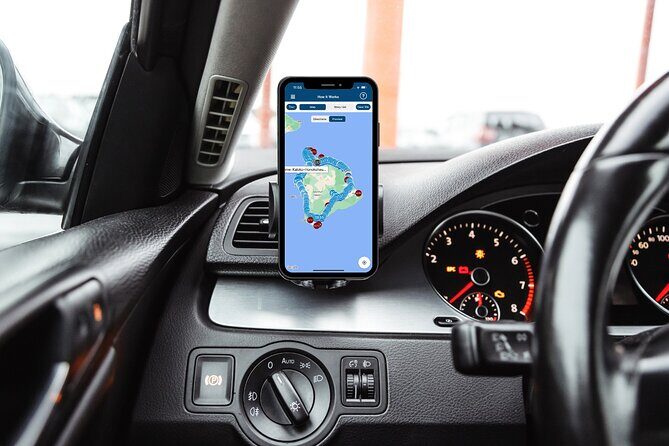
Think of this as a self-guided route with an audio assistant. You download the separate Action’s Tour Guide App, then enter the password that comes by email and text after booking. Once you are at the starting point, you open the app and the audio begins automatically at the first marker. From there, the stories typically play on their own as you reach each next location.
The practical win is offline operation. You do not need cellular data or Wi‑Fi to keep the route working, and that matters on Hawaii Island where signal can be spotty. The audio is designed to be easy while driving, and the tour encourages a stop-and-go pace so you can take photos, stretch, and grab snacks without worrying about catching up to a group.
Other guided tours in Big Island of Hawaii

Car audio: keep it simple
To get sound while moving, the tour notes you can connect your phone to the car stereo using Bluetooth, USB, or AUX. Playback is compatible with Apple CarPlay (and Android Auto support is described as coming). If you plan to rely on the car screen for directions, keep your expectations realistic: some people find the onboard screen experience awkward, so having the phone visible can help.
Price and value: $16.99 per group is the whole point
At $16.99 per group (up to 4 people), this is priced like a budget add-on that can replace an expensive guided day. The real value is that you get a single purchase per car, which makes a huge difference on a family trip or a couple sharing one vehicle.
You also get lifetime access with no expiry. That means you can use the same tour on another trip, or split it across multiple days. Many people like doing Hawaii Volcanoes National Park on one day and then knocking out Kona on another, instead of trying to do everything before dark.
One more value detail: the tour emphasizes that many stops are free to access, while the larger “entry ticket / reservation” costs are not included in your purchase. In real life, that usually means: you will likely be fine for most roadside pull-offs and public parks, but you should still expect that a few hikes, museums, or paid viewpoints might have their own costs.
Timing reality check: 2–3 hours on paper vs real road time
The duration listed is about 2 to 3 hours, but the route description says it is over 300 miles with more than 210 audio stories, and that completing the full thing takes roughly 7 to 8 hours. That gap is the key planning point.
Here is how I’d think about it:
- If you treat this like a “do a few stops and keep driving,” you can create a shorter day.
- If you follow most markers and actually walk into each place, plan for a full half-day to full day of driving.
- If you start later and stop often, you will be cutting it close before dark.
You also have an on-tour window of 6:00 AM to 9:00 PM. If you want an easy finish with daylight for beaches and overlooks, I’d aim for an early start.
Stop-by-stop: Hilo waterfalls, lava sounds, and quiet breaks
This route begins in the Hilo area, and it sets the mood fast: wet rainforest vibes, lava stories, and short scenic stops.
A few more Big Island of Hawaii tours and experiences worth a look

Stop 1: Hilo and the Hilo “waterfall + lava” story zone
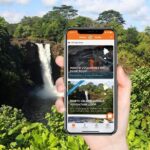
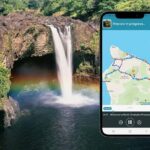
Hilo is the base for a lot of Big Island’s east-side character. The tour focuses on major landmarks around Wailuku River State Park, especially Rainbow Falls (with its colorful mist effects). It also points you toward the Boiling Pots, which are basalt lava rock pools nearby.
This is also your connection point to Hawaii Volcanoes National Park narratives, since Hilo sits right before you head into that volcanic interior world.
Practical note: Hilo’s weather can be changeable. Even if your day starts clear, bring light rain gear for the garden and waterfall-type stops later in the route.
Intermediate stop: the “singing tires” deck at 203 Kilauea Ave
One of the fun roadside moments is at 203 Kilauea Ave. The tour describes a steel grid deck that makes a singing sound from car tires as you drive over it. It’s a quick stop, but it’s exactly the kind of offbeat local detail that makes an audio tour feel worth it.
Surfer cove near downtown Hilo: scenic, not swim-friendly
There’s also a picturesque cove less than two miles from downtown Hilo. The key reality check here is the conditions: rocky bottom and occasional strong currents make it more of a viewing spot for experienced surfers than an easy swimming beach. Parking is limited, and you may need to climb stairs down and back up.
If you plan to stop, go prepared for a short walk and keep your expectations for beach time modest.
Near Pepeekeo: the short out-and-back trail (0.8 km)
You’ll get a tidy hiking option: a generally easy 0.8-kilometer out-and-back trail near Pepeekeo. The tour describes it as taking around 13 minutes on average, and it’s open year-round. Dogs are welcome, but must be on a leash.
This is a great “stretch your legs” stop when you do not want a long hike.
Botanical stops in the Hilo orbit
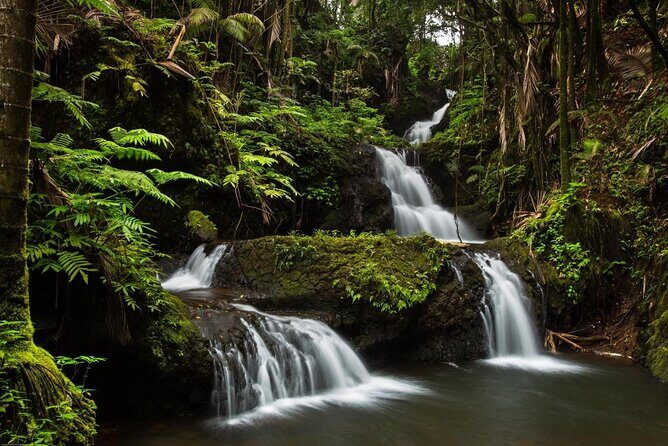
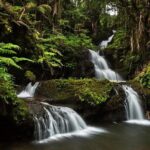
The route includes the Hawaii Tropical Bioreserve and Garden. This nonprofit botanical garden and nature preserve is the kind of place where short pauses feel better than speeding through. Expect the east side to be greener and wetter, so wear something you can handle if the ground is slick.
Then later, you get a similar nature break again at the World Botanical Gardens and Waterfalls area (more on that in the next section).
Stop 3: Sugar Mill Road small waterfall
There is a small waterfall stop on Sugar Mill Road. These are “quick but worth it” moments—less time-consuming than a major attraction, and often perfect when you want water sound with minimal effort.
Kolekole Beach Park: a county park stop
Kolekole Beach Park is listed as a Hawaii county park. Again, this is the type of stop that fits a flexible audio-driven day: drive in, take a few minutes, then decide if you want to linger.
Hamakua to Kohala: water features, a train museum, and big coastline
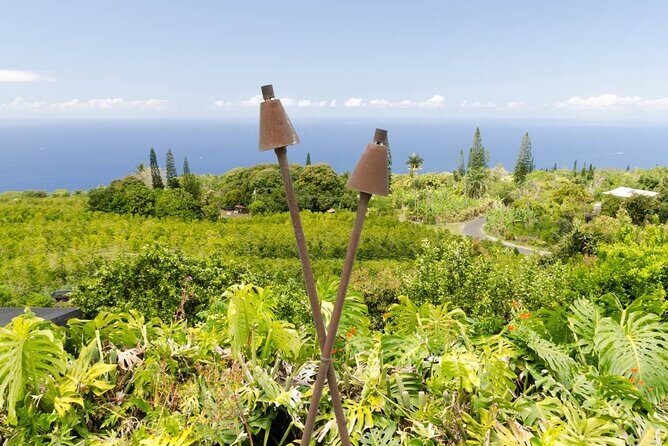
As you move west and north, the tour shifts from east-side water and rainforest to more variety—heritage sites, ranch land stories, and open-coast views.
Stop 4: 19 HI-19 World Botanical Gardens and Waterfalls
At 19 HI-19, you reach the World Botanical Gardens and Waterfalls. The tour describes it as a commercial botanical gardens spot with a large waterfall, between Umauma and Hakalau. The location is specific: the corner of Leopolino Road and Hawaii Belt Road, State Highway 19.
If you hate waiting in lines, this can be a nice detour because it is a stop you can control. Go early or late in the day depending on your comfort with rain and mist.
Laupahoehoe Train Museum and the April Fools Day tsunami memorial
The tour then highlights the Laupahoehoe Train Museum, focused on preserving and promoting history in the North Hilo and Hamakua districts and the role of railroads on the island.
Right after that, you get one of the most sobering stories on the route: the April 1, 1946 April Fools Day tsunami. The tour notes the Aleutian Islands earthquake as the source and describes heavy loss of life, with specific mention of students and teachers who drowned in the inundated school building at Laupahoehoe. A monument now stands at Laupāhoehoe Point.
This is not a “pretty photo” stop, but it adds context you would miss if you only drove for beaches and overlooks.
Stop 5: Kohala Coast
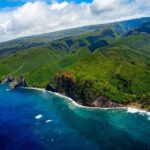
Kohala Coast is a visual shift. The tour describes rugged lava fields and suggests you may not fully see it from Queen Kaahumanu Highway, but the coast has some of the island’s finest resorts.
Even if resorts are not your thing, the coast driving here is where the island starts to feel more austere and volcanic—lava everywhere, sky bigger, and fewer trees.
Anna Ranch Heritage Center (Waimea)
You also visit the Anna Ranch Heritage Center, a former cattle ranch named for Anna Leialoha Lindsey Perry-Fiske (1900–1995). It’s a heritage stop that helps break up the “just scenery” rhythm with human-scale history.
Kona coast: white sand, black lava edges, and a lot of meaning in small places
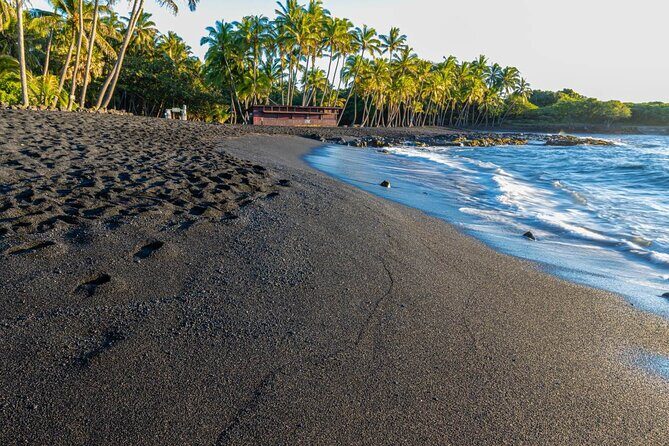
Kona is where the route becomes a mix of big views and smaller historic stops. You get beaches, snorkeling-style coves, burial grounds, and places tied to early Hawaiian battles and later cultural touchpoints.
Stop 6: Hapuna Beach and a workout-ready trail
Hapuna Beach is described as the largest of the island’s white sand beaches and has been consistently rated among top lists. It’s a classic “hour well spent” stop if you want sand and an ocean horizon that looks postcard-simple.
Right after, the tour includes a 7.7-kilometer out-and-back hiking trail near Waikoloa Village. It’s generally considered easy, and the tour notes an average completion time of about 1 hour 44 minutes. If you want a walk you can finish without a major commitment, this fits.
There’s also a lookout point mentioned for ocean views, sunset, and passing whales. Timing your stop near golden hour can make this one feel like the payoff of the day.
Stop 7: Waikoloa Beach, Kīholo Bay, and state park shorelines
Waikoloa Beach (near Puako) is included, and the route also points out it can be confused with Waikoloa Village. That’s useful because you are driving, and place names matter when you are trying to hit the right turn.
Kīholo Bay is described in the ahupuaʻa of Puʻu Waʻawaʻa, and the tour includes a volcanic detail: surrounding land flanked by lava flows from Hualalai around 1801 and another from Mauna Loa in 1859. This kind of info helps you “read” the land while you’re looking at it.
Then you get Kekaha Kai State Park, with main areas listed: Maniniʻowali Bay, Makalawena beach at Puʻu Aliʻi Bay, and Mahaiʻula Bay. That gives you a checklist for what to look for once you park.
Kaloko-Honokōhau National Historical Park and Honokōhau settlement
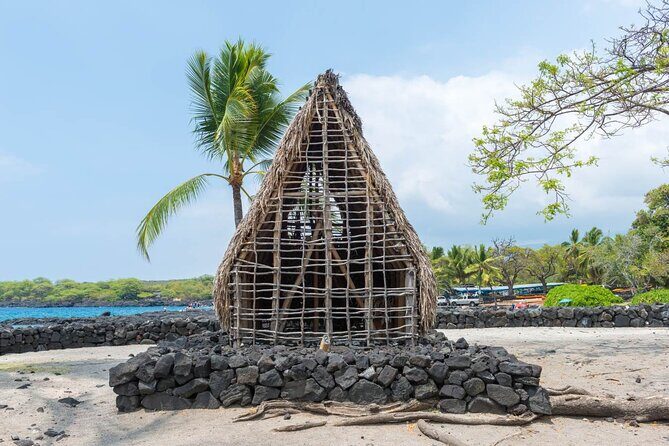
Kaloko-Honokōhau National Historical Park is included, with the Honokōhau Settlement highlighted as a National Historic Landmarked archaeological site. This stop adds a cultural layer, and it’s the kind of place where you can spend time quietly without feeling like you need a formal guided talk.
Kona historic core and the west-coast finish: burials, Captain Cook, and black sand
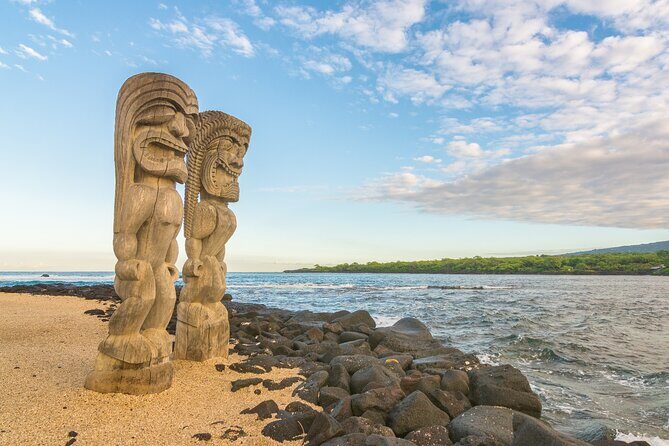
From Kailua-Kona through Honaunau and toward the Volcanoes finish area, the route keeps switching between nature and meaning.
Stop 8: Kailua-Kona beach area and snorkeling-style coves
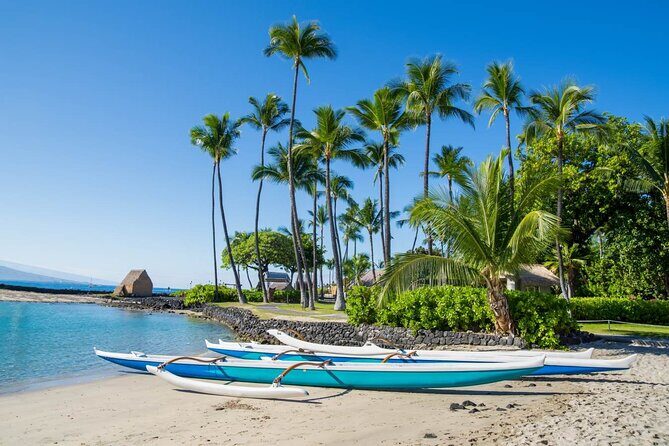
At Kailua-Kona, you get a public park with white sand beach and a rocky shoreline, plus lifeguard-overseen swimming and surfing. The tour also lists a smaller nearby beach and reef with generally calm water, described as a popular snorkel spot.
If you are choosing stops based on time, this is one where your preferences matter: beach and water activity can eat an hour fast.
Kuamoʻo Burials (Lekeleke Burial Grounds)
The route includes the Kuamoʻo Burials, also known as the Lekeleke Burial Grounds. The tour describes it as a historic Hawaiian burial site for warriors killed during a major battle in 1819.
This is one of those places that changes how you look at the region. Even without long explanations, the location tells a story. Approach it respectfully and keep time for reflection if that matters to you.
Captain Cook area name detail
You also pass through the Captain Cook area. The tour notes the community name ties to a post office located at the Captain Cook Coffee Co. in the early 1900s.
It’s a small detail, but it’s a reminder that even “simple place names” on Hawaii Island often connect to earlier life patterns.
Puʻuhonua o Hōnaunau National Historical Park
Puʻuhonua o Hōnaunau National Historical Park appears on the route. This is a big cultural stop, and it pairs well with the burial-site mention earlier by grounding the region in Hawaiian history rather than just scenery.
Toward Honaunau and the belt road
The route shifts into volcanology context again (Kīlauea is an active shield volcano), plus a quick education on Kona coffee and the Hawaii Belt Road (Māmalahoa Highway).
That matters because it helps you understand why the island looks the way it does when you drive between regions: it’s not random. It’s built on volcano-driven geography.
Black pebbles, lava caves, and the Volcanoes finale
This last stretch is where the route becomes unmistakably volcanic: pebble beaches, lava tubes, black sand, and active volcano country.
Pebble Beach at 87 Hawaiʻi Belt Rd
Pebble Beach is described as black pebbles instead of sand, giving a black sand appearance but not the same easy footing. It’s a cool photo stop, and it’s also a reminder to wear shoes you can walk on confidently.
Centuries-old lava caves and tube systems
The route includes lava caves and tube systems once used by native tribes for shelter and water collection. This is one of those “you are driving over history” ideas: you are not just looking at lava—you are hearing how people used it long ago.
Punaluʻu Beach and black sand formation
Punaluʻu Beach is included with black sand made of basalt created by lava flowing into the ocean. The tour notes the explosive cooling effect as it reaches the water.
If you do one “wow” beach on this route, this area is a strong candidate. Just remember the rocks and sand can be sharp and the sun can be intense even when the wind feels cool.
HI-SEAS Mars analog site mention
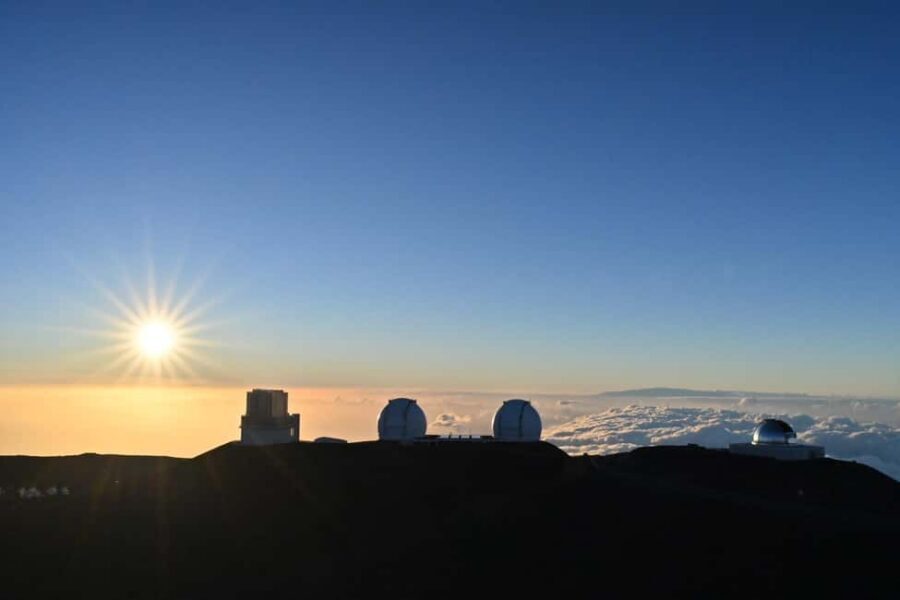
There is also a stop that mentions Hawaiʻi Space Exploration Analog and Simulation (HI-SEAS), described as a Mars and Moon simulation located on a Mars-like site on Mauna Loa. Even if you do not tour anything specific, the idea gives you another lens: Hawaii Island is not just a natural lab; it’s used as a stand-in world for science.
Stop 11: Hawaii Volcanoes National Park (Kīlauea and Mauna Loa)
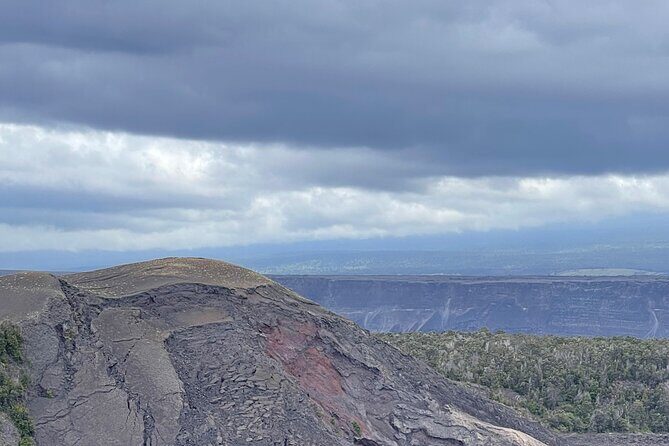
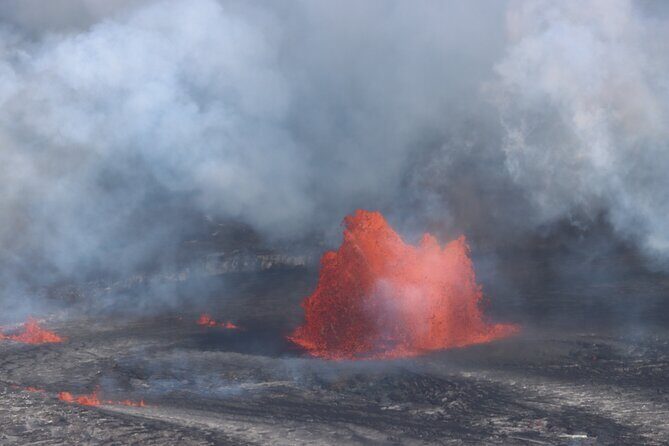
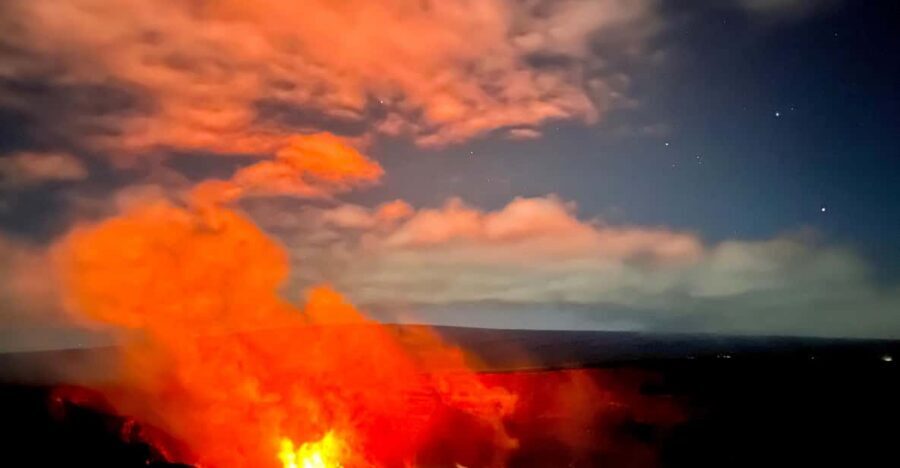
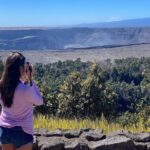
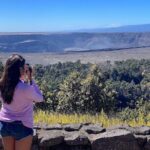
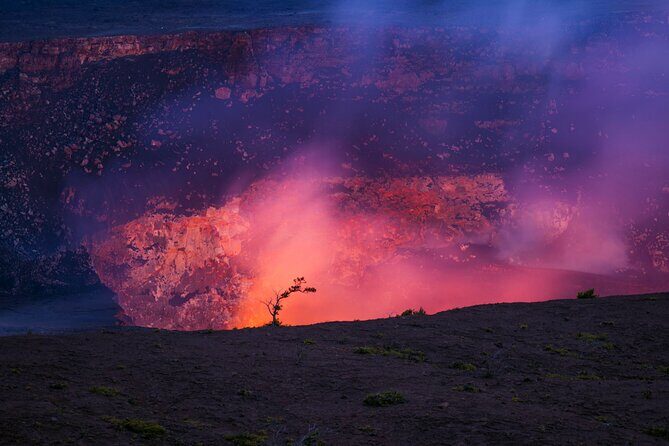
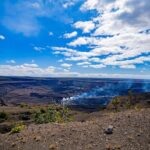
The finale is Hawaii Volcanoes National Park, with emphasis on active volcanoes Kīlauea and Mauna Loa. The tour points to key drive routes and stops:
- Crater Rim Drive with steam vents and the Jaggar Museum viewpoint over Halemaʻumaʻu Crater
- Thurston Lava Tube (Nāhuku) with thick ferns marking the entrance
- Chain of Craters Road weaving over lava
- Trails that crisscross the park
If you are short on time, plan your visit by choosing one “big picture” drive/viewpoint and one walking stop. If you have more time, the lava tube plus one trail can be the perfect pairing.
App tips and driving cautions that can save your day
The tour sounds straightforward, and it often is. But the app experience is sensitive to setup and playback.
Download on real Wi‑Fi/cellular
The tour explicitly says you MUST download the tour while in strong Wi‑Fi/cellular, and it then works offline after download. If you start with an incomplete download, you may get freezing or missing audio later.
Start-point finding can cost time
Several people found the starting point a little hard to locate at first. My advice: do not treat the first 10 minutes like a bonus—treat it like a setup window. Pull over, confirm you have the right direction, then start the audio.
Audio + car connection: keep backup options ready
Some people experienced issues with Bluetooth or with how audio interacts with car systems (especially around map display on screens). If you rely on a passenger to help with navigation, you can make the experience smoother. If solo, consider keeping phone navigation open while you drive, so you can sanity-check your route even when the audio is doing the story timing.
Driving: twisty stretches happen
Hawaii roads are not flat and forgiving. The route includes winding driving between stops, and one tricky section can make you think about where you are going. Slow down, leave extra space, and treat any “scary” segment as a sign you should be cautious, not a sign you are lost.
Should you book this self-guided driving tour?
Book it if:
- You want flexibility and hate tour-bus pacing.
- You value budget-friendly learning, especially with a clear narrator and lots of stop-by-stop context.
- You plan to do this as one day or split it into multiple days, using the lifetime access later.
- You like the idea of offline maps and automatic audio markers.
Skip it or think hard if:
- You need a true human host to meet you at the start and manage logistics.
- You want everything to take only 2 to 3 hours no matter what. The full route is far longer.
- You are very dependent on seeing everything on your car’s main screen. The phone-and-audio setup may be smoother than relying on onboard map screens.
If you fit the first group, this can be a satisfying way to learn Hawaii Island’s story by driving it yourself—waterfalls in Hilo, history on the Kona side, and the volcanic climax at the park.
FAQ
How much does the Big Island Hawaii self-guided driving tour cost?
It costs $16.99 per group (up to 4 people).
How long should I plan for?
The listed duration is about 2 to 3 hours, but the full route is described as over 300+ miles and about 7–8 hours to complete if you do all stops.
Does it work without cellular signal or Wi‑Fi?
Yes. The tour includes offline maps and is designed to work without cellular signal or Wi‑Fi after you download the content.
Is it a group tour with a guide?
No. It is self-guided. No one meets you at the start, and only your group participates.
What language is available?
The tour is offered in English.
Do I need to buy attraction tickets in advance?
Attractions passes, entry tickets, or reservations are not included. The route includes many free stops, but you should expect that some places may have their own requirements.
How do I start the tour once I arrive?
Open the Action’s Tour Guide App once onsite, choose the correct tour version if prompted, then enter the password you received. Start at the first story’s point; audio begins automatically and plays as you reach the next markers.
Do I need to download anything before I begin?
Yes. You must download the tour while you are in strong Wi‑Fi/cellular. After download, it works offline.
How do I listen while driving?
The tour advises connecting your phone to your car stereo using Bluetooth, USB, or AUX. Audio playback is compatible with Apple CarPlay, with navigation features described as coming soon.
What are the tour’s hours?
The tour hours are listed as Monday through Sunday, 6:00 AM to 9:00 PM.
What is the cancellation policy?
You can cancel for a full refund up to 24 hours in advance. If you cancel less than 24 hours before the experience starts, the amount paid is not refunded.