REVIEW · BIG ISLAND OF HAWAII
Edible Hibiscus Guided Farm Tour (Big Island)
Book on Viator →Operated by Hawaiian B Natural Farms · Bookable on Viator
Hibiscus tastes better after you see it grown. This Edible Hibiscus Guided Farm Tour on the Hamakua Coast blends hibiscus farming with an end-of-tour tasting of edible flowers, tea, and preserves right outside Honokaa. It’s run in a small, calm setting by the people who grow the plants, so the info feels practical, not scripted.
I especially like the teaching about culinary vs ornamental hibiscus—what’s edible, what’s grown for looks, and why those choices matter. I also like that the tour doesn’t stop at theory; it ends with hands-on samples that let you actually taste the difference.
One possible drawback: a big chunk of the tour is about farming, including a hydroponic greenhouse. If you’re not into plants or gardening talk, you might find the greenhouse portion less exciting than the food part. Also, as with real farms, some foliage in the demonstration garden can show signs of bugs.
In This Review
- Key Takeaways Before You Go
- Honokaa on the Hamakua Coast: Why This Location Works
- Meet the People Behind Hawaiian B Natural Farms
- Stop 1 Outside Honokaa: Demonstration Garden and Hibiscus 101
- Hydroponic Greenhouse Time: What You Should Look For
- The Guided Tasting: Tea, Preserves, and Hibiscus Flowers in Syrup
- Buying Hibiscus Products on the Farm (Without Overdoing It)
- Who This Tour Fits Best (And Who Might Skip It)
- Timing, Weather, and Small Practical Tips
- Should You Book the Edible Hibiscus Guided Farm Tour?
- FAQ
- How long is the Edible Hibiscus Guided Farm Tour?
- Where is the meeting point?
- What language is the tour offered in?
- How many people are on the tour?
- What will I taste during the tour?
- Can I buy hibiscus products at the farm?
- What happens if the weather is bad or the minimum number of travelers isn’t met?
Key Takeaways Before You Go
- Small-group format capped at 12 people, so you can ask questions without shouting over the crowd
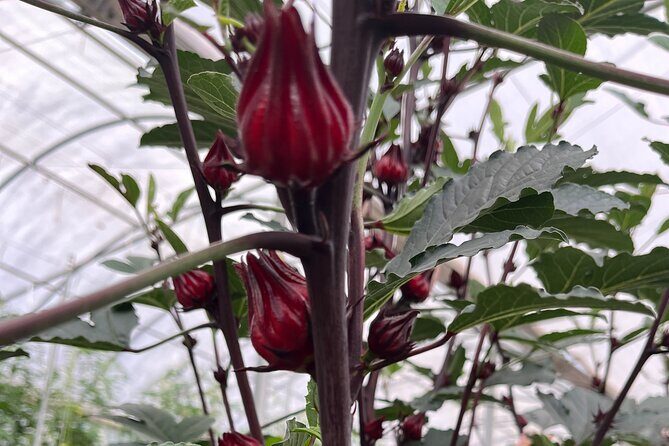
- Culinary vs ornamental hibiscus explained in plain terms, with garden examples
- Hydroponic greenhouse time so you can see how their production works
- Guided tasting featuring hibiscus flowers, preserves, and tea, plus additional edible treats depending on the day
- Ocean views from the farm area add a nice bonus to the whole experience
Honokaa on the Hamakua Coast: Why This Location Works
If you’re already exploring the north side of the Big Island, the area around Honokaa has a slower rhythm than the resort strips. That matters here, because this tour is built like a working farm visit, not a rush-through attraction.
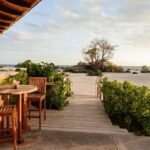
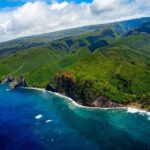
The farm is set in the countryside just outside Honokaa, on the Hamakua Coast. You’ll get time outdoors for the demonstration garden and greenhouse viewpoints, and a few groups note that the ocean is visible from the property areas. Even if you only catch it in small glimpses, it adds a sense of place—you’re learning about a crop grown in Hawaii’s conditions, not just touring a building.
The whole experience is about 1 hour 30 minutes. That’s long enough to include growing and tasting, but short enough that you won’t feel like your day has been hijacked.
Other coffee and farm tours in Big Island of Hawaii
Meet the People Behind Hawaiian B Natural Farms
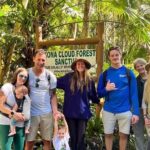
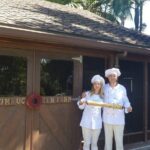
This tour is operated by Hawaiian B Natural Farms, and it’s guided by the owner(s). In particular, Susan is frequently mentioned as the host, along with Lance as her partner. Part of what makes the visit work is the personal, farm-owner style of explaining—clear, friendly, and often funny.
One detail I like from the vibe: the tour feels relaxed enough that you’re not just taking notes. You’re getting explanations, then walking right to where the plants are grown, and then tasting what they make. If you’re the type who likes your food stories backed by real growing conditions, this farm approach fits.
Also, the group size is capped at 12 travelers. That’s a big deal on a farm tour. You spend less time waiting, and you get more direct interaction.
Stop 1 Outside Honokaa: Demonstration Garden and Hibiscus 101
The tour begins at 44-2790 Kalopa Mauka Rd, Honokaa, HI 96727. From there, you head into the farm’s outdoor spaces where the basics of hibiscus farming get explained.
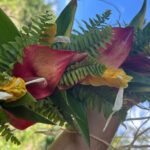
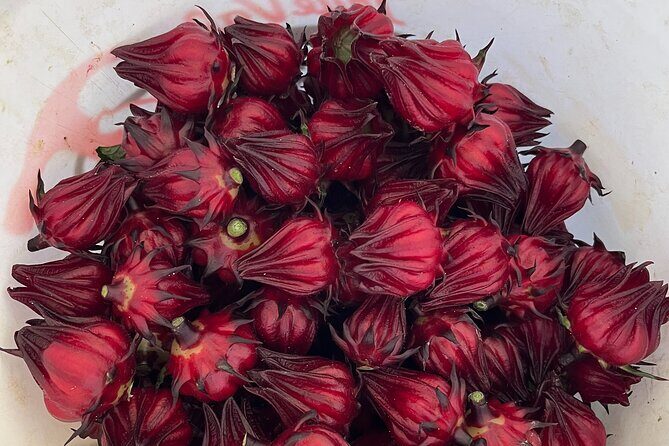
One of the most useful parts is how the tour frames hibiscus as more than a pretty flower. You’ll learn about the history of agriculture in Hawaii in relation to the crop, and you’ll hear the practical difference between ornamental hibiscus and culinary hibiscus.
Here’s why that distinction matters for you as a visitor:
- If you’ve only seen hibiscus as a decorative flower, the lesson helps you avoid assuming every hibiscus is edible.
- Once you understand culinary varieties, the tasting stops feeling random. You start seeing why certain products taste a certain way.
You’ll also visit the outside demonstration garden, where you can see different varieties and the flowers themselves. Depending on the day, you might notice insects have gotten to some plants. That’s not a red flag—it’s a real-farm reality. If you come expecting a showroom-perfect garden, it might feel a little less “photo perfect” than other attractions, but you’ll get a more honest look at how farming works.
Who this stop is best for: first-timers to hibiscus, food-minded travelers, and anyone who likes learning what’s edible versus ornamental.
Hydroponic Greenhouse Time: What You Should Look For
After the outdoor garden portion, the tour continues to the hydroponic greenhouse production area. This is the section that tends to split people into two categories: plant lovers feel like they’ve hit the jackpot; casual visitors just want to get to tasting.
If you’re a gardener or you’ve ever wondered how farms produce consistently without relying entirely on soil, this is the value-packed part. Hydroponics can sound like a buzzword, but in a farm context it becomes a practical question: how do they keep plants healthy, manage growth, and produce reliable harvests?
You’ll see production space and hear explanations from the owners. And because it’s part of a small-group tour, you can ask questions like:
- how they think about plant varieties,
- what they watch during cultivation,
- and how cultivation choices connect to the end products you’ll taste later.
Possible drawback: If your interest is mostly in eating, you may find this portion less immediately satisfying. You’ll still leave with tasting samples, but your “wow” moments might come later.
The Guided Tasting: Tea, Preserves, and Hibiscus Flowers in Syrup
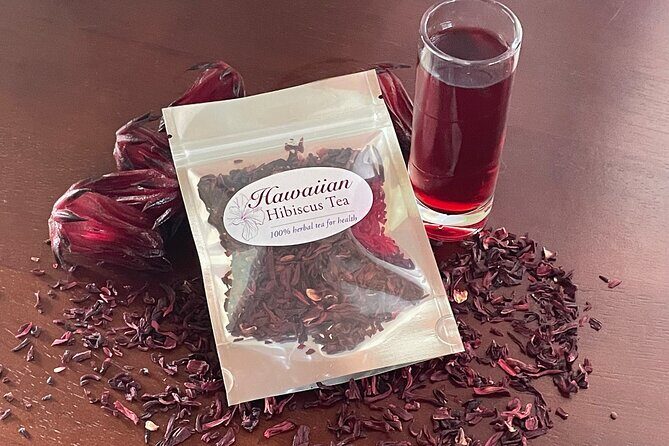
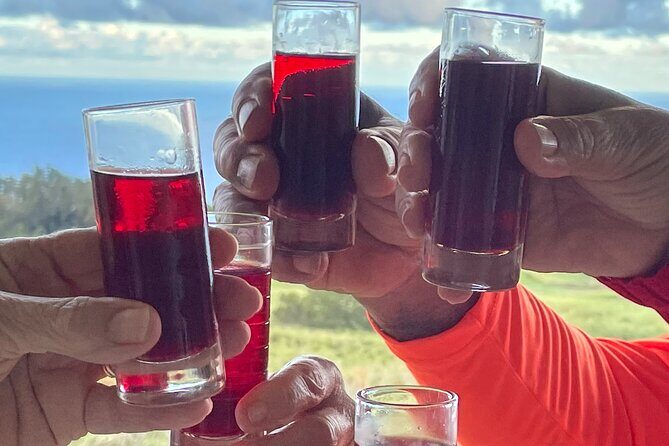
This is where the tour earns its name. The visit concludes with a guided tasting of hibiscus flowers, preserves, and teas. That’s a smart structure: you learn what makes culinary hibiscus different, you see how it’s grown, then you taste it.
From the tasting menu patterns that show up on this tour, you can expect items such as:
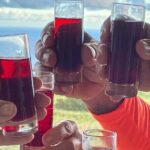
- hibiscus tea (many people single this out as a highlight),
- hibiscus flowers in syrup,
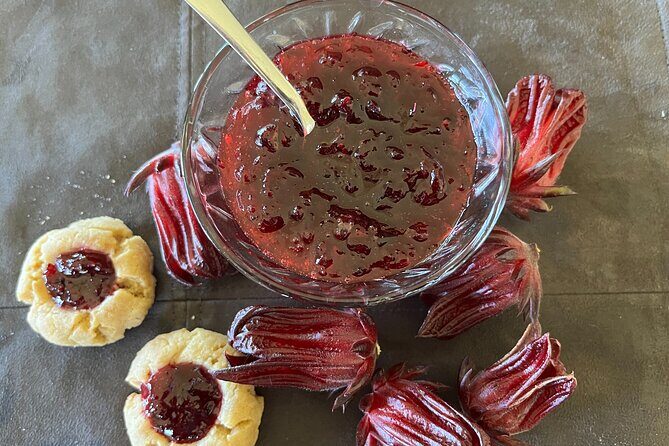
- hibiscus preserves,
- and sweet items like panacotta and shortbread with jam (availability can vary by day).
If you’re wondering what to pay attention to, here’s my practical advice: taste in the order you’re given and note the difference between flower flavor and tea flavor. Flowers in syrup tend to taste richer and more floral at the same time. Tea often feels lighter and more refreshing. Preserves sit somewhere in between—more concentrated sweetness.
Also, don’t treat hibiscus as one flavor. Culinary hibiscus can show up in multiple product forms, and that changes the texture and sweetness. That’s the point of the tasting. You’re learning hibiscus as an ingredient, not just a flower.
If you want a souvenir that tastes like the tour, this is the section to plan for. Most people end up buying something, and you’ll want to budget for it.
Other guided tours in Big Island of Hawaii


Buying Hibiscus Products on the Farm (Without Overdoing It)
The farm shop sells products made on-site, and you can purchase items after the tour. People recommend bringing some money, because it’s easy to walk away wanting at least one jar of preserves and a tin or bottle of tea.
Here’s how to shop smarter:
- Buy one item for variety: tea is a good base because it’s versatile and easy to use at home.
- Pair it with one specialty: flowers in syrup or a preserve gives you the “wow” taste you came for.
- If you’re a food experimenter, pick one sweet baked or plated item type (like those shortbread-and-jam styles you might taste).
If you’re traveling light, consider how products will travel in your luggage. Tea is often easier to pack than glass preserves, depending on packaging. If you’re driving, you’ll have more freedom.
Who This Tour Fits Best (And Who Might Skip It)
This is a great fit if you:
- love food tours that actually connect to how ingredients are grown,
- enjoy gardening or want a real-world look at cultivation,
- want to learn why culinary hibiscus is not the same as ornamental hibiscus,
- want a small-group experience near Honokaa.
You might consider skipping or shortening expectations if you:
- don’t enjoy greenhouse or hydroponic explanations,
- came mainly for high-energy entertainment,
- dislike farms where plants show real-life signs of bugs or imperfect leaves.
The tour does have a clear “food payoff,” but it’s not only tasting. It’s a farming lesson first, tasting second.
Timing, Weather, and Small Practical Tips
The experience runs about 1 hour 30 minutes and ends back at the meeting point. You’ll want to arrive on time because it’s set up as a coordinated walk-through.
A few practical notes:
- This experience is offered in English.
- It’s listed as having confirmation at booking.
- It requires good weather. If it’s canceled due to poor weather, you’ll be offered another date or a full refund.
- It has a free-cancellation window up to 24 hours in advance, and changes within that window aren’t accepted.
- The farm visit is described as suitable for most travelers, but it’s still a working property, so wear comfortable shoes.
If you can, bring a little extra cash for purchases. Even if you prefer card, it’s smart to be prepared.
Finally, because the group is capped at 12, you’ll get more benefit if you’re willing to ask one or two questions. The best farm tours are the ones where you participate.
Should You Book the Edible Hibiscus Guided Farm Tour?
I’d book this tour if you want a compact, high-satisfaction hibiscus experience: real farming plus edible tasting. The mix of teaching (culinary vs ornamental), seeing hydroponic production, and ending with tea and preserves makes it feel complete. And having owners like Susan and Lance guiding you adds that personal, no-rush farm energy.
I’d think twice only if you’re not interested in plants or greenhouse processes. If you mainly want a snack-and-go stop with minimal explanations, this might feel longer than you’d like.
If your goal is to leave the Big Island knowing your hibiscus from the inside out—and with a few edible souvenirs you’ll actually use—this is a strong choice.
FAQ
How long is the Edible Hibiscus Guided Farm Tour?
It’s about 1 hour 30 minutes in total.
Where is the meeting point?
The meeting point is at 44-2790 Kalopa Mauka Rd, Honokaa, HI 96727, USA.
What language is the tour offered in?
The tour is offered in English.
How many people are on the tour?
The tour is capped at a maximum of 12 travelers.
What will I taste during the tour?
You’ll have a guided tasting that includes hibiscus flowers, preserves, and teas. Several hibiscus samples made on-site are part of the experience.
Can I buy hibiscus products at the farm?
Yes. The tour includes time to purchase products at the farm.
What happens if the weather is bad or the minimum number of travelers isn’t met?
The experience requires good weather. If it’s canceled due to poor weather, you’ll be offered a different date or a full refund. If the minimum number of travelers isn’t met, you’ll also be offered a different date/experience or a full refund.