REVIEW · BIG ISLAND OF HAWAII
Hawaiian Tikis and Guava Tea
Book on Viator →Operated by Paradise Unplugged · Bookable on Viator
Tikis in the jungle can be more than a photo stop. This 2-hour walk pairs hand-carved Hawaiian Tikis with a real plant-filled environment, including 300+ hapuʻu ferns, and it’s guided by the builders themselves. The main thing to plan for is the uneven lava path, which can be slow going if your knees or balance aren’t great.
I also like that it feels hands-on and off-grid, not staged. Guides Jason and Nikki share how they created the structures and art on their property, and there’s even a chance for kids to try simple carving and chiseling. One practical consideration: with a max group size of 10, you’ll get a more personal tour, but it can still feel like a lively group if you’re looking for quiet solitude.
If you want a small, authentic slice of Big Island creativity, this is a strong bet. You’ll meet at Jungle King Avenue (Fern Forest) at 2:30 pm, do your walk, and head back to the same spot when it’s done.
In This Review
- Quick hits
- Tikis and Hapuʻu Ferns: Why This Feels Real
- Meeting Point and Timing: A 2:30 pm Fern Forest Plan
- Stop in Fern Forest: 7 Chess Tikis and a Recycled-Pallet Fence
- The Uneven Lava Flow Path: Great for Sights, Worth Preparing For
- Lava Rock Sculptures: The In-Place Detail That Fans Art
- The Okina Prototype House: Recycled Pallets, Mixed-Media Art, Off-Grid Tech
- Hands-On Builds and Kids’ Carving Time
- Guava Tea and Hospitality: A Small Flavor Break in the Middle
- If You Want More Time: The Okina Cabin Idea
- Price and Value: Is $75 Worth Two Hours?
- Who Should Book (and Who Should Think Twice)?
- Should You Book Hawaiian Tikis and Guava Tea?
- FAQ
- How long is the Hawaiian Tikis and Guava Tea tour?
- Where does the tour start?
- What time does it run?
- How many people are in a group?
- Is the tour offered in English?
- What will I see during the tour?
- What does the tour include besides plants and art?
- What is the cancellation window?
Quick hits
- Chess-themed tiki statues: 7 life-sized carvings along a recycled-pallet fence
- Hapuʻu fern count you can’t guess: more than 300 ferns on a natural lava path
- Lava rock sculptures you can spot in place: including a Rasta stone sculpture
- The Okina prototype house: built from 100% recycled pallets with water catchment and solar power
- Small group format: capped at 10 for real questions and interaction
Tikis and Hapuʻu Ferns: Why This Feels Real
The Hawaiian Tikis here aren’t generic souvenir props. You’re looking at hand-carved work integrated into the landscape, plus lava rock pieces treated like part of the property’s daily life. The whole vibe is closer to an ongoing homestead project than a typical guided attraction.
What makes it click is the way art and ecology meet. The walk doesn’t just point at plants. You follow an uneven lava flow path and see hapuʻu ferns growing where they naturally show up. That matters, because it turns your time into more than watching objects. You’re learning how the space works as a system: light, moisture, and the way tropical plants fill in around the rock.
If you're still narrowing it down, here are other tours in Big Island of Hawaii we've reviewed.


Meeting Point and Timing: A 2:30 pm Fern Forest Plan
This experience is scheduled for 2 hours (approx.), starting at 2:30 pm from Jungle King Avenue, Fern Forest, HI 96778. It ends back at the same meeting point, so you won’t need to figure out a long end-point transfer.
Small-group tours change how it feels. With a maximum of 10 travelers, you’re more likely to get answers instead of a lecture. It also helps for families and curious adults who want to ask follow-ups while you’re standing right next to the artwork.
You’ll get a mobile ticket, and the tour is offered in English. It’s also set up for service animals, and the location is near public transportation—useful if you’re building a flexible day around other Big Island stops.
Practical note: since you’ll be on natural ground, I’d dress like you’re going to do a jungle stroll. Closed-toe shoes and comfortable clothes are the difference between enjoying the path and thinking about your footing the whole time.
Stop in Fern Forest: 7 Chess Tikis and a Recycled-Pallet Fence
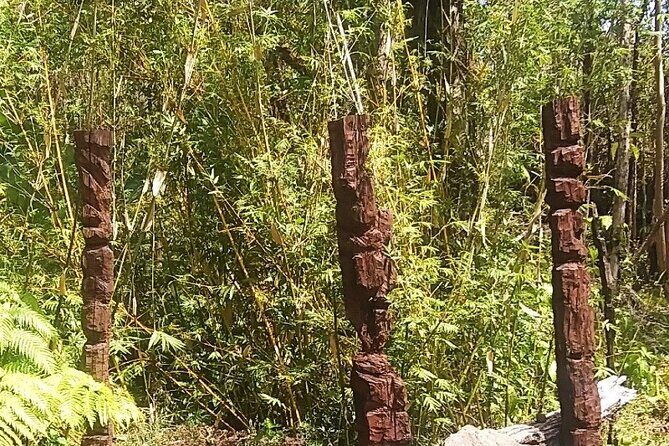
Your tour centers on one main stop: Fern Forest. When you arrive, you’re greeted by seven life-sized tiki statues positioned along a fence made from 100% recycled pallets. The cool detail is the theme: these tiki figures represent the game of chess.
Even if you’re not a chess person, the statues work because they’re treated like living landmarks. They aren’t stuck in a corner or isolated for a single viewpoint. They guide you into the experience, and they give you something to anchor your attention on before you head onto the lava-rock path.
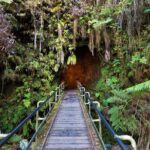
From there, the tour moves into the real star of this stop: hapuʻu ferns. You’ll walk through a naturally formed uneven lava flow area and see over 300 hapuʻu ferns in their natural environment. That scale is hard to “get” from photos, but it’s exactly the kind of plant abundance Fern Forest is known for—and the tour design lets you experience it as a continuous scene.
The Uneven Lava Flow Path: Great for Sights, Worth Preparing For
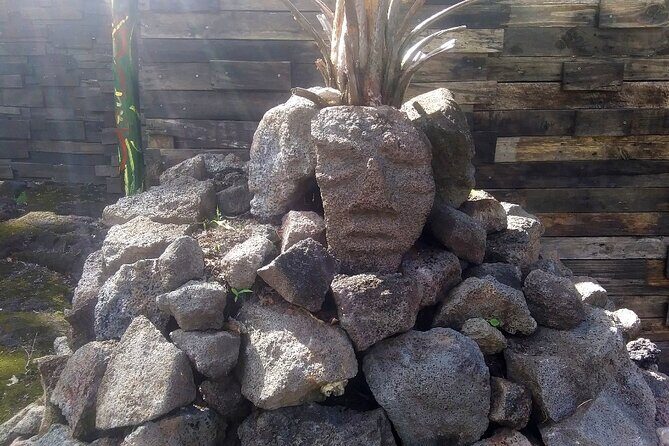
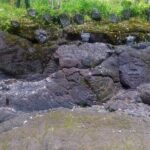
The route uses a naturally uneven lava flow path, which is part of what keeps it authentic. You’re not taking a paved stroll; you’re moving through a place shaped by geology.
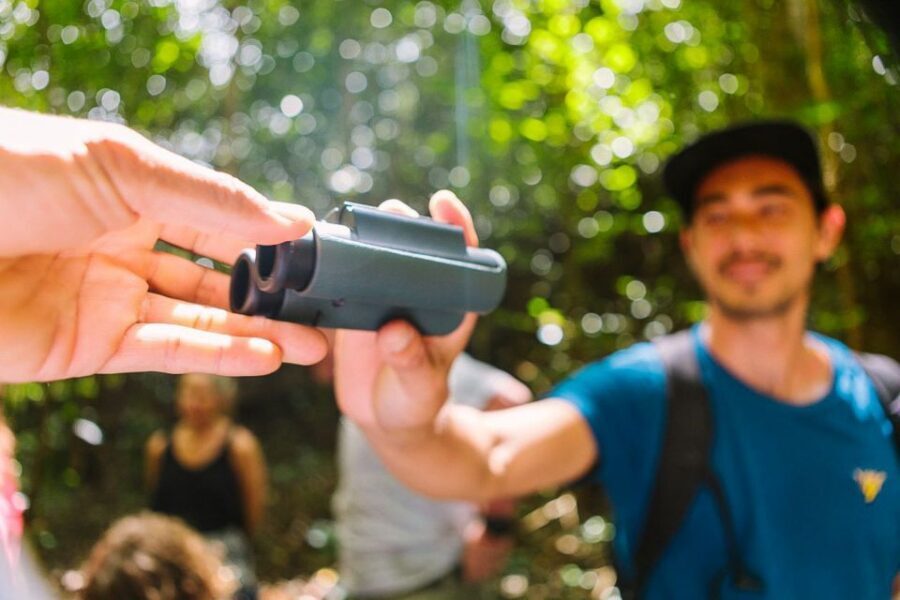
That’s the good news for people who like real ground-level travel. You’ll notice textures, rock edges, and how plants cluster where moisture collects. You’ll also have better chances of spotting wildlife and tropical growth details because you’re moving slowly and staying low to the environment.
The trade-off is basic physical comfort. If you have mobility limitations, you’ll want to go in with eyes open. The path may be uneven, and the tropical setting means it can feel warm and damp even on a mild day. Plan for slower steps and take your time around the ferns and sculptures.
Lava Rock Sculptures: The In-Place Detail That Fans Art
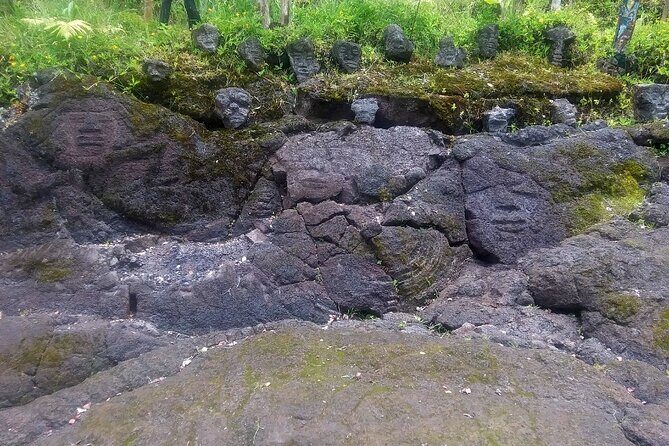
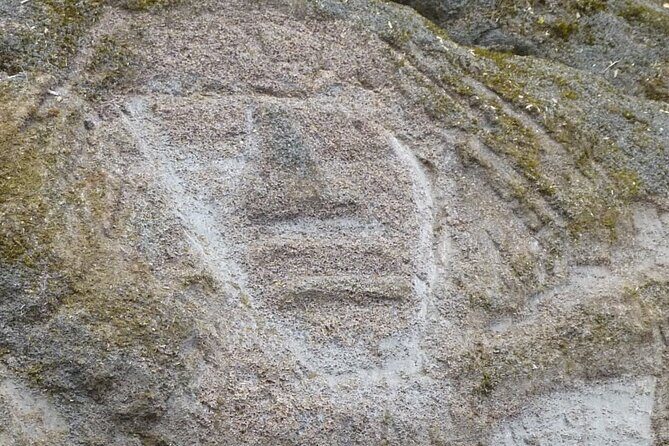
Along the way, you’ll see a collection of lava rock sculptures, including a specific Rasta stone sculpture that’s in situ. This matters because in situ means it’s placed as part of the setting, not moved to a pedestal for effect.
I like this approach because it keeps the tour grounded. You’re looking at creative work built to live here—on rock, among plants, and near the structures the builders created. You’re not just seeing art; you’re seeing how art can act like wayfinding, conversation, and identity for a property.
One more smart part of the tour: it doesn’t rush you from one object to the next. You’re guided through the sequence so the structures and sculptures relate to each other. That makes it easier to remember what you saw after the tour ends.





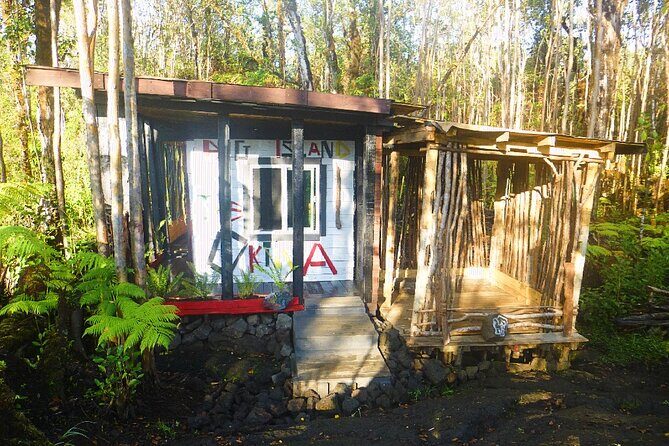
The Okina Prototype House: Recycled Pallets, Mixed-Media Art, Off-Grid Tech
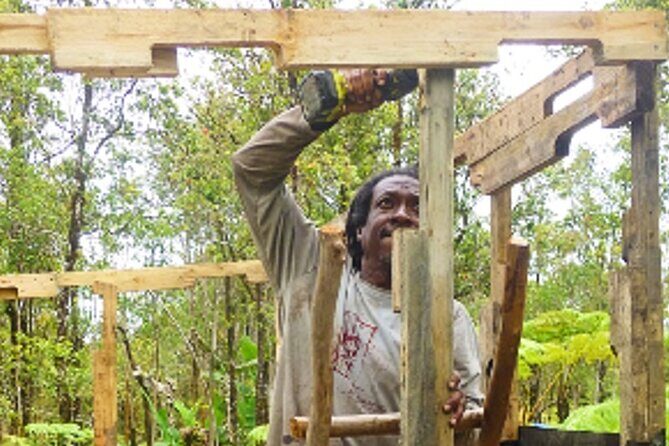
Then you arrive at The Okina, a prototype house built from 100% recycled pallets. This part of the experience is where the tour shifts from outdoor art to an inside look at off-grid thinking.
The hallways and sleeping area are about 100 square feet, so it’s intentionally small. That’s a key detail because it tells you something about the design philosophy: functional space, careful use of materials, and a willingness to work with constraints rather than fight them.
You’ll also see original mixed-media artwork inside, and there are practical off-grid features mentioned as part of the house: a water catchment system and solar electricity. Even if you’re not an off-grid builder yourself, it’s valuable to see these elements explained in plain terms. It turns sustainability from an abstract idea into something you can point to and understand.
I’d also pay attention to how the Okina feels in context. It’s not a museum building set apart from nature. It’s a structure placed within a living jungle environment, which makes the whole concept of off-grid homesteading feel more believable than a brochure version.
Hands-On Builds and Kids’ Carving Time
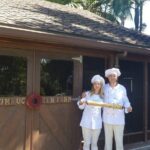
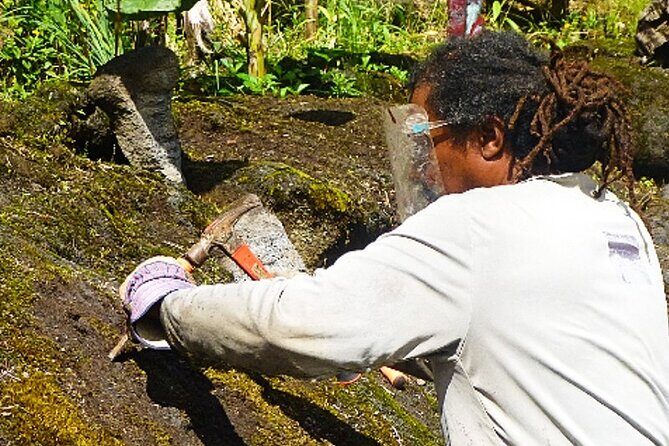
One of the most praised parts of this tour is the interaction level. In the reviews, Jason and Nikki come across as enthusiastic and welcoming, and there’s even a story about them letting a child try carving wood and chiseling rock.
That’s a big deal if you’re traveling with kids who need to do something, not just watch. It’s also a strong sign that the guides see this as a shared learning moment, not only a display.
Even if you’re an adult, that hands-on energy tends to improve the whole tour. You’ll ask different questions, because you’re not sitting back. You’re engaged with the idea that these structures are made by people, not delivered by contractors and van loads.
Guava Tea and Hospitality: A Small Flavor Break in the Middle
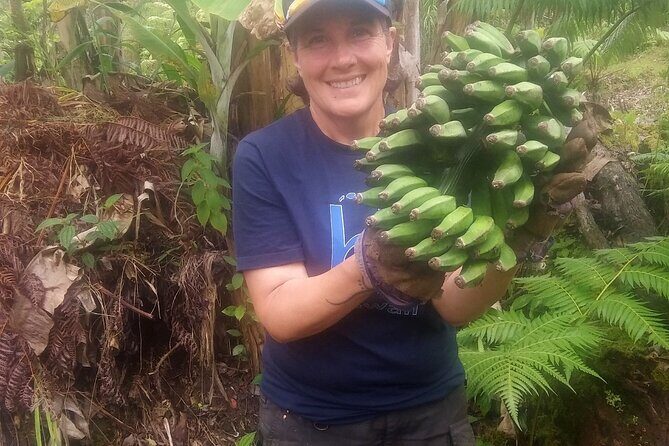
The tour name includes guava tea, so plan for a taste component as part of the overall experience. In a jungle setting, that simple pause can do a lot: it gives you a calm moment after walking the lava path, and it keeps the tour from feeling like a nonstop march through points of interest.
Just as important is the hospitality vibe described in the reviews. People mention a kind, welcoming couple and a feeling that the builders also treat visitors with respect and patience. For me, that’s often the difference between a quirky stop and an experience you’ll remember.
If You Want More Time: The Okina Cabin Idea
One review mentioned booking The Okina cabin for a stay via Airbnb, then experiencing the jungle sounds at night. That’s not part of the core tour duration, but it’s worth considering if you want the off-grid environment to become more than a quick visit.
If you’re the type who plans longer stays for places like Volcano and Hilo areas, an overnight could help you slow down and experience the property beyond daylight viewing. Even without booking, it’s a helpful indicator that The Okina isn’t just a set—it’s a lived-in concept.
Price and Value: Is $75 Worth Two Hours?
At $75 per person for about 2 hours, the price lands in the midrange for Big Island guided activities. What makes it feel worthwhile is that you’re paying for something specific: a small-group tour inside a working, recycled-material art and plant environment.
You’re not just seeing tikis. You’re seeing:
- tiki statues with a chess theme,
- a thick patch of hapuʻu ferns in a natural lava setting,
- lava rock sculptures and an in-place Rasta stone piece,
- and an off-grid style prototype house with solar electricity and water catchment.
That combination is rare. Many tours focus on one theme—culture, nature, or art. Here, you get all three braided together in one compact timeframe.
One more value signal: it’s typically booked about 33 days in advance on average. That’s a hint this experience has a steady demand. If it’s on your short list, don’t treat it like a casual last-minute add-on.
Who Should Book (and Who Should Think Twice)?
I’d point this tour toward three kinds of people:
1) Families who want interaction, not just observation. The carving/chiseling moment makes it more than a walking tour.
2) Art-minded travelers who like how materials and place connect, especially reclaimed pallets and lava rock work.
3) Plants-and-nature curious visitors who want a clear, plant-focused walk that still feels human and creative.
Who might think twice? Anyone who struggles with uneven ground should be cautious because the route uses a naturally uneven lava flow path. The tour is generally described as doable for most travelers, but your body is the final judge. If balance and knee comfort are issues, consider whether you can move steadily over uneven terrain.
Also, if you’re the kind of visitor who wants huge distances, major viewpoints, or lots of separate stops, this isn’t that. It’s focused on one strong setting and a tight storyline.
Should You Book Hawaiian Tikis and Guava Tea?
Book it if you want a small, authentic-feeling experience where you can connect Hawaiian Tikis, real jungle growth, and practical off-grid creativity in one visit. The combination of Jason and Nikki’s builder energy, the chess-themed tiki setup, and the scale of the hapuʻu fern collection is exactly the kind of value that’s hard to recreate on your own.
Skip or reconsider if uneven ground is a dealbreaker for you, or if you prefer big multi-stop tours with lots of driving and variety. This one is about depth in one place, not breadth across many.
FAQ
How long is the Hawaiian Tikis and Guava Tea tour?
It lasts about 2 hours.
Where does the tour start?
The meeting point is Jungle King Avenue, Fern Forest, HI 96778, USA.
What time does it run?
The start time listed is 2:30 pm.
How many people are in a group?
The tour has a maximum of 10 travelers.
Is the tour offered in English?
Yes, the tour is offered in English.
What will I see during the tour?
You’ll spend time in Fern Forest seeing hand-carved Hawaiian tiki statues, lava rock sculptures, and a large collection of hapuʻu ferns, plus the Okina prototype house made from recycled pallets.
What does the tour include besides plants and art?
The experience includes the on-site Okina prototype with mixed-media artwork and off-grid features described as water catchment and solar electricity, and it’s associated with guava tea as part of the tour name.
What is the cancellation window?
You can cancel for a full refund up to 24 hours before the experience’s start time. Within 24 hours, the amount paid is not refunded.