REVIEW · BIG ISLAND OF HAWAII
Self-Guided GPS Audio E-Bike Tour Hawaii Volcanoes National Park
Book on Viator →Operated by Bikevolcano.com · Bookable on Viator
Riding to lava views beats parking drama. This self-guided GPS audio e-bike tour takes you through Hawaii Volcanoes National Park at your own pace, with narration built around geology and the stories of Pele. I love that the route is designed for easy rolling, with most roads and paths downhill, level, and paved.
I also like the practical support you get without it turning into a regimented group day. You pick up your e-bike with helmet and lock, get a safety talk in a shaded staging area, and you’re covered with parking, restrooms, and live human help if something goes sideways.
One real consideration: the whole experience leans on a working, fully charged smartphone for the GPS audio app. If your battery is low or your phone can’t connect properly, you can lose a lot of the magic fast.
In This Review
- Key highlights you will feel right away
- Price and logistics: what $159 gets you on the Big Island
- Before you ride: bikes, deposits, and the smartphone reality check
- What the ride feels like: summit-to-sea views at your own pace
- Volcano House lunch and crater rim riding: the “slow down” part
- Nahuku Crater and the Thurston Lava Tube: quick hike, big payoff
- Kīlauea Visitor Center: use it to make your next stops make sense
- Keanakakoi Crater Overlook: bike-only access and lava-lake views
- Weather and safety: how to have fun when the road gets slick
- What you’ll love most (based on how people talk about it)
- Who this GPS e-bike tour is for
- Should you book this Volcanoes National Park GPS e-bike tour?
Key highlights you will feel right away
- Mostly downhill, paved routes make it doable even if you’re not an experienced cyclist
- GPS audio narration ties together craters, rainforest, lava tubes, and volcanic viewpoints
- Half-day timing leaves your afternoon or morning open for beaches, Mauna Kea plans, or a second hike
- Bike-only access helps you reach lookouts that many visitors only see from farther away
- Shaded setup and live staff support reduce stress before you start riding
- Nahuku–Thurston Lava Tube adds a cool, sensory contrast to all the open-air heat
Price and logistics: what $159 gets you on the Big Island
At $159 per person, you’re paying for the big stuff: the electric bike, safety gear (helmet and lock), and the whole self-guided system. You’re also paying for time saved, because riding is often the easiest way to reach scattered park viewpoints without fighting parking or shuttle schedules.
Plan on extra money for the national park entrance fee. The park fee is $15 per person and isn’t included, so budget that at checkout or buy it online ahead of time so you don’t lose ride time.
Duration matters here too: expect about 4 hours 30 minutes total. That’s long enough to feel like you did something real, but short enough that you’re not stuck in the park until dinner.
Other Volcanoes National Park tours in Big Island of Hawaii



Before you ride: bikes, deposits, and the smartphone reality check
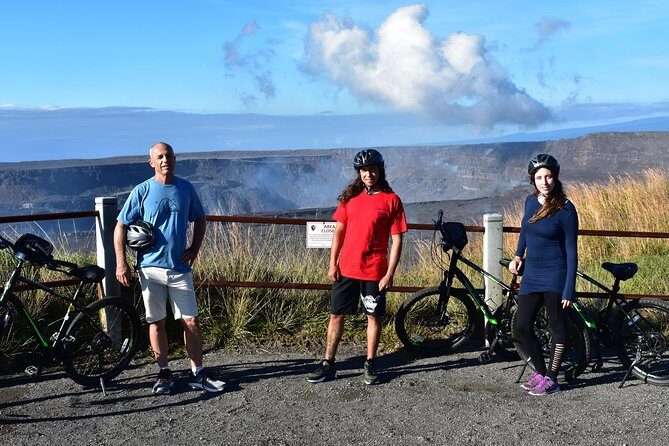
Check-in and setup are a big part of making this work smoothly. You’ll pick up your e-bike around the start time, then you’ll get orientation and a safety lecture in a shaded staging area. Even if you’re comfortable on bikes, don’t treat that talk like optional reading. Small details—like how to handle turns and how the assist feels—matter on volcanic roads.
The bike is an electric comfort hybrid, and you’re responsible for bringing a fully functioning smartphone. The GPS audio app is provided in the form of a free app, but your phone has to do the job. A fully charged phone is required, and one rider update even calls out how fast battery drain can happen when you’re using GPS and audio at the same time.
There’s also an equipment deposit: $1,500 pre-authorized per party. That’s not unusual for bike rentals with gear, but you should know it’s part of the deal before you get blindsided by it.
What the ride feels like: summit-to-sea views at your own pace
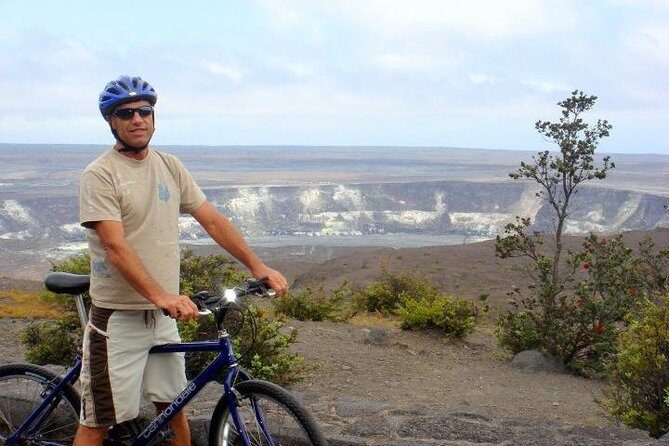
The whole point of a self-guided GPS tour is the pace. You can stop when a view grabs you, skip a side stop, or take a longer break for lunch instead of watching a group file past. That’s especially helpful at Hawaii Volcanoes National Park, where the terrain changes fast and your best angles are often time-dependent.
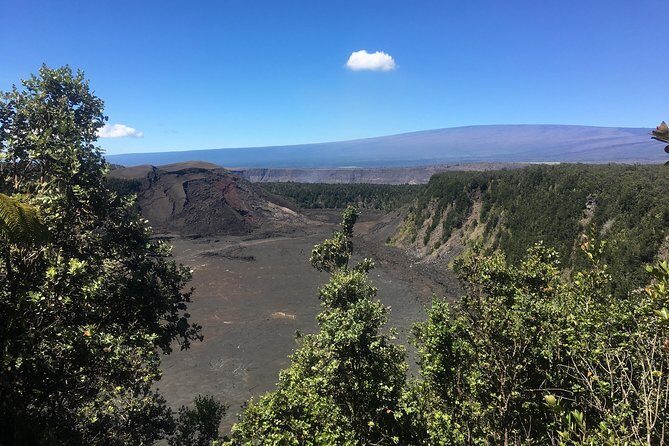
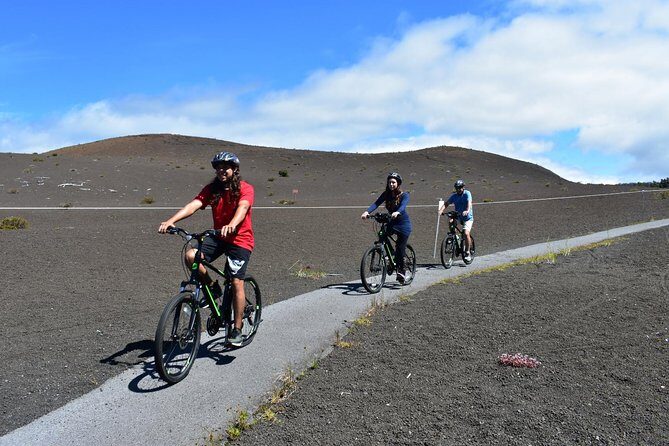
You’ll ride from the trail entrance area into the park and then spend time on scenic, less-traveled trails that are closed to most guided tours. The route is set up so you’re mostly rolling downhill or level on paved sections, which makes the e-bike experience feel more like transportation plus sight-seeing than a workout grind.
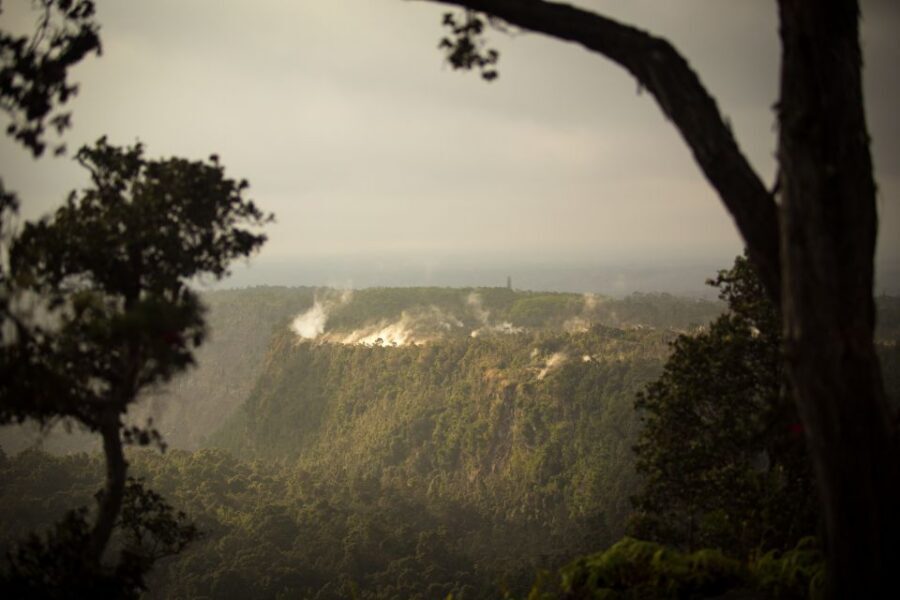
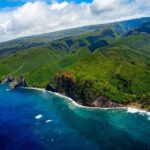
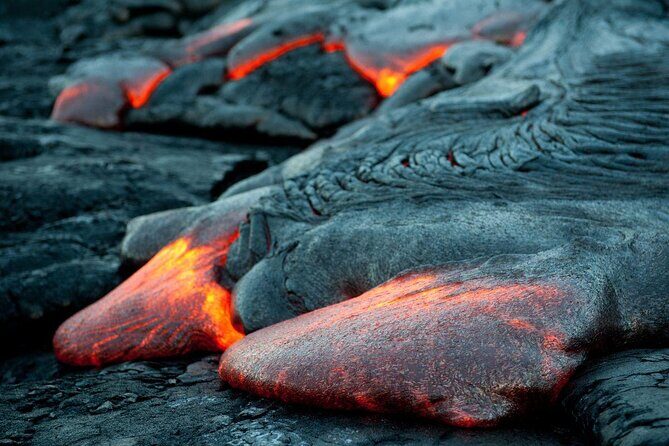
One of the most fun details is the sequence of ecosystems you’ll pass through: fern rainforest, steaming vents, crater edges, and stark volcanic fields. On rare days, conditions may even allow you to see active lava flowing into the sea, so your ride could feel like it’s happening inside a living science exhibit.
Volcano House lunch and crater rim riding: the “slow down” part
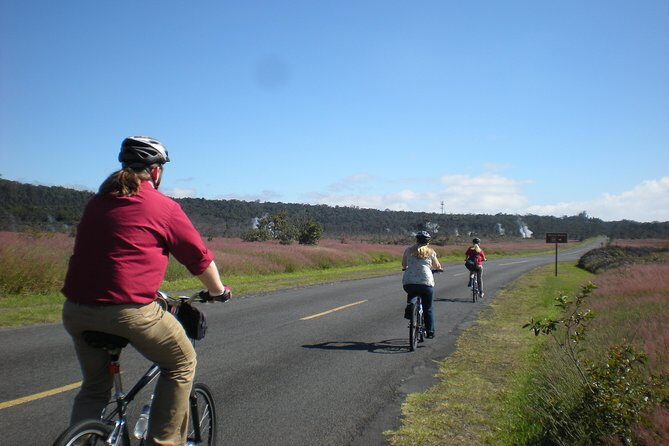
There’s time to slow down during the ride, including lunch at Volcano House. If you’ve only seen Kīlauea from a car, this is where biking changes the whole experience. You get closer angles, more time at the railings and overlooks, and fewer gaps where you’re just parking and walking short distances.
This is also where GPS audio earns its keep. The narration is designed to help you connect what you’re looking at with how it formed—mythology, geology, and the main sights along the way. It turns random-looking terrain into something you can name and explain, which is exactly what makes the rest of your park visit click.
A small practical tip: the GPS map and audio can be a battery drain. If you can, plan for a backup power option or at least keep your phone on low power for ride time. And before you start, make sure you know how to open the audio prompts quickly, because that can be clunky when you’re stopped on a windy road.
Nahuku Crater and the Thurston Lava Tube: quick hike, big payoff
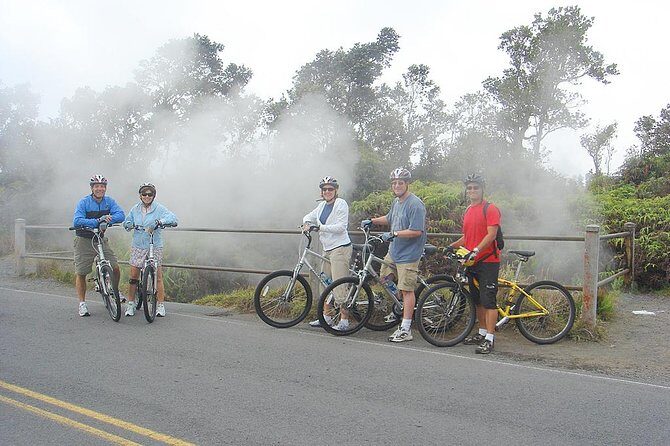
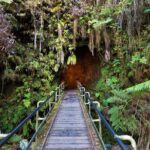
After your main riding loop time, you’ll do a short hike at Nahuku–Thurston Lava Tube. It’s a loop that’s about 15 minutes, which is perfect if you want your legs to do something without turning the day into a training program.
The hike leads you into Nahuku Crater, a 500-year-old pit crater wrapped in native Hawaiian flora. You walk under shade and down into a different mood than the open crater viewpoints. Even though it’s short, the audio lectures make it easier to pay attention to what you’re seeing, including the plants and the area’s cultural significance.
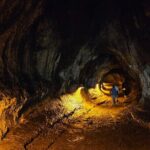
Then comes the Thurston Lava Tube walk. This part feels different from the bike sections because it’s cool and sensory: you step into a massive lava-formed cave and follow the winding interior carved by molten lava. Expect smooth walls, stalactite-like shapes, and vegetation growing around the openings where daylight meets the tube.
For photos, don’t rush. The openings and the tube’s inner curves tend to look best when you take a minute to frame them rather than grabbing a quick shot while walking.
Other ATV and off-road tours in Big Island of Hawaii






Kīlauea Visitor Center: use it to make your next stops make sense
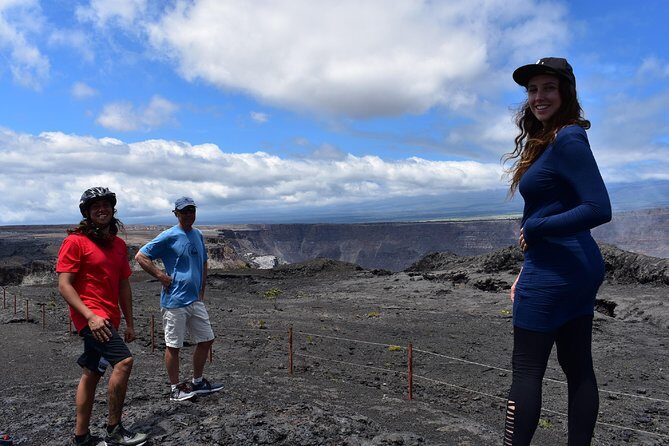
If you’ve ever walked through a visitor center and felt like it didn’t connect to what you’re about to see, use this one strategically. The Kīlauea Visitor Center is your quick setup for understanding the volcanic forces shaping the island. The exhibits cover geology, native wildlife, and cultural heritage tied to Pele.
What makes this stop useful is that it prepares your eyes for what’s coming next. When you already understand the basics—how Kīlauea changes, why the ground looks the way it does—you notice details you’d otherwise miss while you’re busy admiring the view.
Rangers are available too, and it’s worth asking for safety updates and park exploration advice right there. Even if you’re self-guided, a quick ranger check can help you avoid surprises and choose the best timing for viewpoints.
Keanakakoi Crater Overlook: bike-only access and lava-lake views
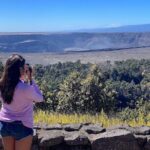
This is one of those moments that feels like the reason you didn’t just drive. Keanakakoi Crater Overlook is accessible only by bike or foot on this self-guided route, and it’s known for panoramic views of Halemaʻumaʻu Crater, associated with Madame Pele.
You’ll ride a 2-mile bike trail through koa and ʻōhiʻa forests to reach the overlook area. That forest stretch matters: it gives you a buffer from the exposed crater edges and makes the final payoff feel earned instead of rushed.
From there, you’re in position for lava viewing when activity is visible. The overlook also lines you up for those dramatic moments—lava fountains that can reach over 1,000 feet are specifically noted—plus close-up views across from the crater area where active lava lake activity may be visible.
Photo tip: treat the lookout like a mini photo session, not a quick roadside stop. If you’re serious about pictures, plan time for adjusting angles and waiting for the visual moment rather than sprinting through the view.
Weather and safety: how to have fun when the road gets slick
Kīlauea summit weather can change fast, and the park can be rainy and misty any time of year. The summit area is often 12 to 15 degrees cooler than sea level, so even if the rest of the island feels warm, you can end up chilled near the crater.
Wear layered clothing and bring a hat and closed-toed shoes. If you don’t own a rain jacket, you can purchase one at Kilauea General Store, but don’t wait until you’re already cold and soaked to solve it.
Safety is part of the deal. This is mostly paved and designed for easy riding, but you still need to be able to steer, shift, and balance on gravel and paved terrain. One caution from rider feedback: if it’s wet, the road can be slick, and faster pacing can become risky. Your best move is simple—keep your speed under control, and if you see rain, lean toward slower and steadier rather than trying to match anyone else’s pace.
What you’ll love most (based on how people talk about it)
The most praised aspect is that the e-bike makes the park feel accessible without making it feel like a chore. Riders highlight the ease of riding, the chance to see volcanic viewpoints from angles cars can’t reach, and the freedom to linger instead of being herded.
Another big winner: avoiding parking hassles. When you ride between major points, you’re not constantly competing for a spot or losing time to short walks from distant lots. That becomes a quiet form of enjoyment, because you’re spending your energy on scenery instead of logistics.
People also love the way the audio tour connects the dots. Even when the ride is easy, the narration makes it feel educational. You’ll get better at identifying craters, lava tube features, and why the terrain looks the way it does.
On the service side, staff and guides come up repeatedly by name in good ways. You may encounter people like Chris, Gwendolyn, Gwen, Pretty, and Aaron, who are described as friendly and strong at explaining the volcano and local culture.
Who this GPS e-bike tour is for
This tour fits best if you want a half-day plan that still feels like you saw a lot. If you’re the type who gets impatient with slow cars and tight schedules, self-guided pacing will feel like relief.
It’s also a good match if you like mixing open-air views with one short hike and one lava tube walk. The day has variety without turning into a marathon.
I’d think twice if you’re a brand-new cyclist. The tour isn’t recommended for beginners because you need real comfort steering and balancing on mixed surfaces. It’s also not available for people under 15, and there’s a weight limit of 270 pounds, so check those boxes early.
Should you book this Volcanoes National Park GPS e-bike tour?
Book it if you want an efficient, scenic way to hit volcanic highlights without feeling trapped by a coach schedule. The combination of mostly downhill riding, GPS audio that explains what you’re seeing, and the chance to reach bike-only overlook areas is a strong value play for a half-day.
Skip it or plan differently if your phone is unreliable or you hate depending on tech. Make sure your smartphone is fully charged, your app works before you leave the shop, and you know how you’ll handle audio prompts on the go.
If your goal is to see lava-world views while keeping the day flexible, this is one of the better ways to do it on the Big Island.