REVIEW · BIG ISLAND OF HAWAII
3.5 Hour Kailua-Kona Ocean Kayak and Snorkel Tour
Book on Viator →Operated by King Kayak Hawaii · Bookable on Viator
Chase dolphins by kayak at sunrise. This small-group outing from Keauhou Bay pairs coastline paddling with sea-cave stops and snorkeling. I love the steady, unhurried pace with real help from the guides, and I love that you’re on the water early—when spinner dolphins are most likely to show up. One heads-up: if the ocean is rough, snorkeling can get harder and motion sickness can sneak in.
Check in around 6:50am near 78 Ehukai St, Kona, then get lifeguard-level safety coaching before you paddle. The best part for first-timers is that the group stays tiny (around 4 to 8 people), so you’re not just floating along hoping for the best.
You’ll snorkel at two reefy stops, then head back late morning to beat Kona’s afternoon heat. And yes, there’s often a chance to do cliff jumping—optional, but it’s the kind of moment you’ll talk about later.
In This Review
- Key Things That Make This Kona Kayak and Snorkel Tour Worth It
- Why 6:50am on the Big Island Feels Like a Cheat Code
- Meeting at 78 Ehukai St: What You’ll Do Before You Paddle
- Paddling Past Sea Caves, Blowholes, and Lava Edges
- Two Reef Stops: How Snorkeling Actually Plays Out
- Cliff Jumping: Optional Adrenaline, Not a Requirement
- Guides in Action: Why Ryan and Miles Keep Showing Up in Reviews
- Price and Value: What $99 Buys You on the Water
- Who Should Book This (and Who Might Not Love It)
- Should You Book This Kona Ocean Kayak and Snorkel Tour?
- FAQ
- How long is the Kailua-Kona ocean kayak and snorkel tour?
- Where do we meet for the tour?
- Does this tour include hotel pickup or drop-off?
- Do I need kayaking experience before I go?
- What animals might I see?
- Is cliff jumping part of the tour?
- What should I bring for comfort and snorkeling?
- What if I get motion sickness?
- Who should not book this?
- What happens if the weather is bad?
- How late can I cancel for a full refund?
Key Things That Make This Kona Kayak and Snorkel Tour Worth It
- Tiny groups (about 4–8 people) mean more personal guidance and less waiting around.
- Early-morning timing gives you a real shot at spinner dolphins near Keauhou Bay.
- Sea caves and lava features add variety beyond the usual paddle-and-snorkel plan.
- Snorkeling for coral and 50+ fish species with a chance at sea turtles, manta rays, and more (seasonal).
- Optional cliff jumping for the brave, with an easy skip if you’d rather stay safe and steady.
- Stable kayaks and clear instruction make this doable even if you haven’t kayaked before.
Why 6:50am on the Big Island Feels Like a Cheat Code
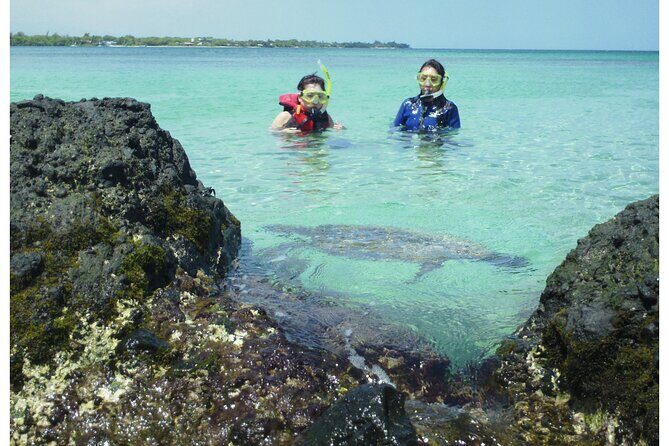
Kailua-Kona is gorgeous, but mornings are the move. You start early so the water often feels calmer, and that makes kayaking easier on your arms and your focus. It also lines up with when spinner dolphins are most commonly seen in the area—so your first goal is basically: get out there before the day gets loud.
There’s a practical payoff too. By the time you finish, you’re back late morning, so you’re not marinating in sun and sweat through the hottest part of the day. In Kona, that matters.
If you’re the type who likes nature without crowds, this is a strong fit. The tour stays small and stays moving, so you get that feeling of being out on the ocean yourself, not parked in a long line of people all doing the same checklist. Just keep your expectations flexible if weather shifts—because the ocean drives the plan.
Other kayak and outrigger canoe tours in Big Island of Hawaii
Meeting at 78 Ehukai St: What You’ll Do Before You Paddle
You’ll meet near 78 Ehukai St, Kailua-Kona, with check-in starting around 6:50am. This is not a pickup-and-dropoff tour, so plan to drive or arrange your own transport to the meeting area.
Once you’re there, guides run a safety briefing and give paddling instruction before you head out. This is the part that makes a big difference if you’re new: you’re taught how to get in and out, how to position your body, and how to paddle so the kayak actually goes where you want it to go.
There’s also a gear detail worth taking seriously. You’ll provide shoe sizes so fins fit correctly, which helps a lot once you’re on the reef and switching between walking and swimming. If you show up with ill-fitting fins, snorkeling becomes less fun and more like work.
And if you’re prone to motion sickness, don’t wait until you feel sick. One of the best pieces of advice from the experience is to consider motion-sickness help ahead of time.
Paddling Past Sea Caves, Blowholes, and Lava Edges
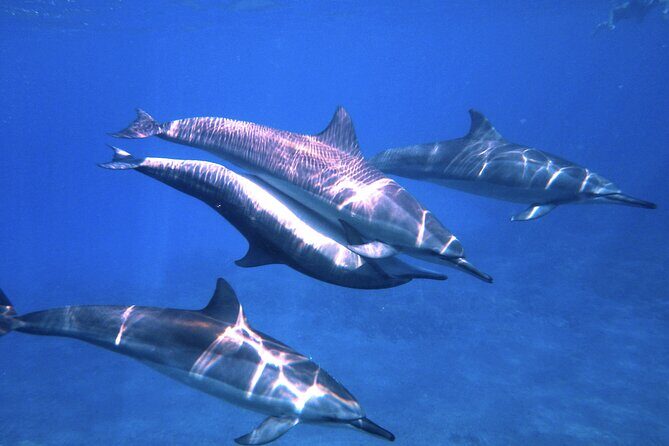
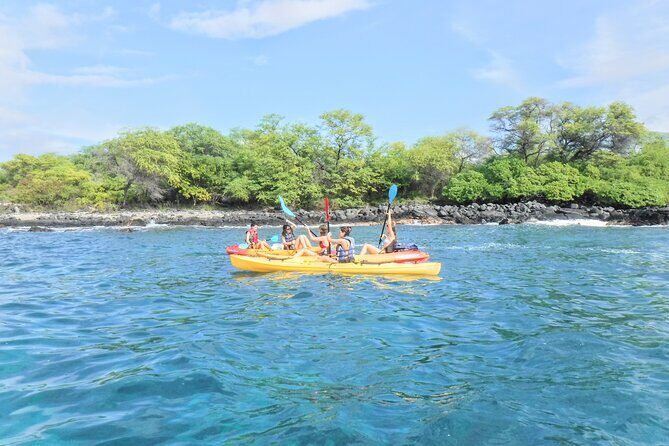
The core experience is the kayak itself—up close with the Kona coastline where the cliffs meet the water. You paddle along the coast, and the route includes sea caves and stops where you can look around (and, depending on conditions, explore more closely).
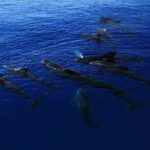
This is also where you might see wildlife beyond fish. Early on, you’re watching for Hawaiian spinner dolphins. Later, you keep scanning the water as you move between snorkeling stops.
On the geology side, this area is full of features that don’t look like anything else you’ll see on the islands. Depending on the day and timing, you might get to check out places like blowholes, lava tubes, and local landmarks such as The Elevator and The Rings. These names matter because they help you orient once you’re looking at the rock formations for real.
Now for the reality check: ocean conditions matter. Several people describe choppier water at times, and while that can make kayaking more intense (roller-wave energy, more body movement), it can also affect snorkeling visibility. If the sea is rough, your guide will still keep things safe—but the experience shifts from calm-carry to active-work.
Two Reef Stops: How Snorkeling Actually Plays Out
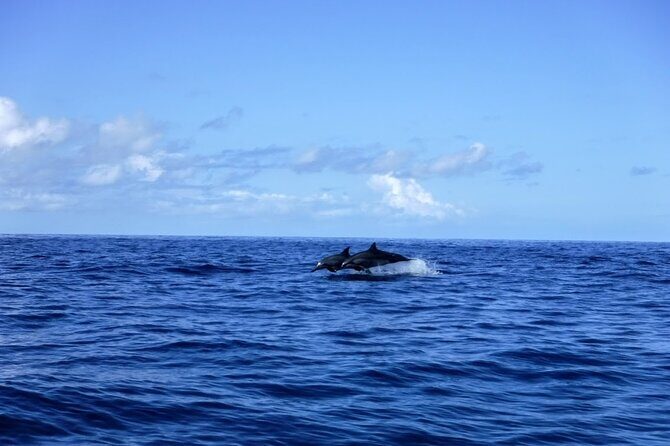
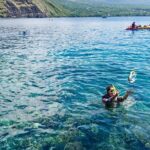
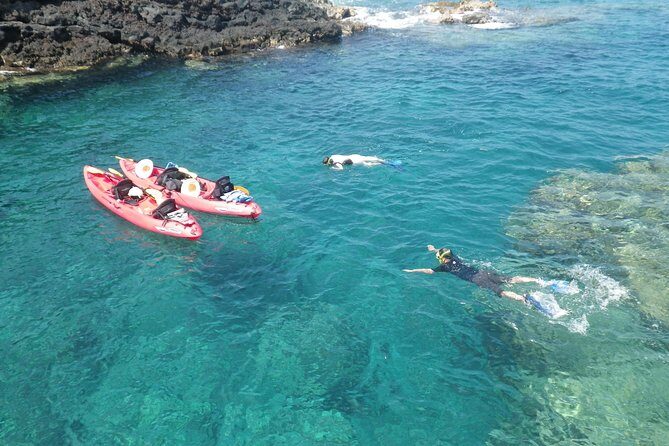
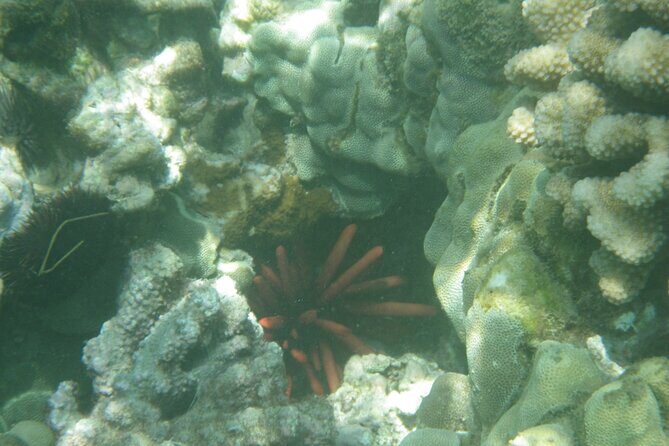
Snorkeling is a major highlight here, not an afterthought. The plan includes breaks at two favorite snorkeling areas where you can get under the surface and look at coral and fish. The fish tally is impressive—more than 50 species of colorful fish is part of the pitch, and the reef quality is repeatedly praised.
What makes these stops valuable is that you’re not just swimming in open water. You’re snorkeling in spots chosen for what you can see up close: coral structure, fish activity, and that “clear enough to make it worth it” feel.
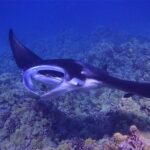
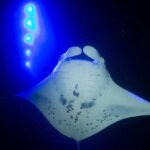
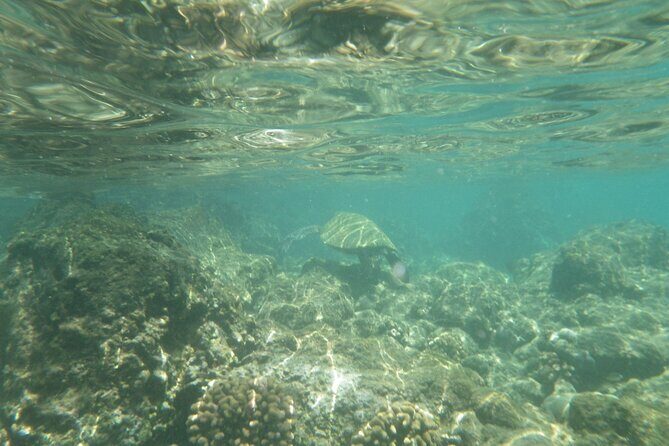
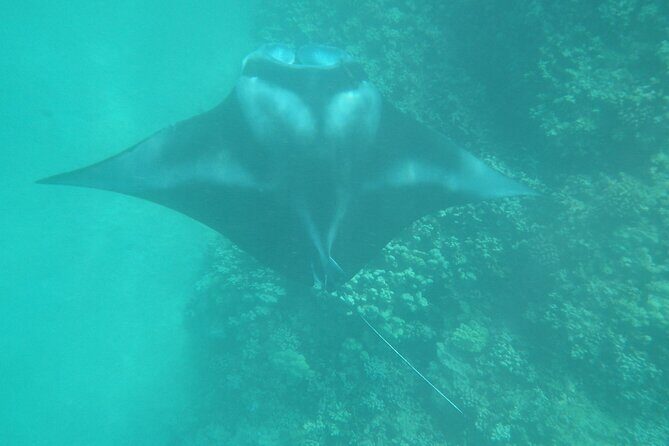
And you might see more than fish. If luck is on your side and conditions allow, you could spot things like manta rays, hawksbill or green turtles, and even humpback whales (seasonal). Those are not guaranteed, but the tour is built around giving you the chance.
One gear tip that comes up often: bring the right footwear. Flip-flops are a gamble—people report they don’t work well. Water shoes or sandals with heel straps are a better bet, especially for rocky or thorny areas near land stops or optional activities.
If you get sick in moving water, snorkeling can be the moment you notice it most. That’s why people recommend planning for motion sickness early.
Cliff Jumping: Optional Adrenaline, Not a Requirement
This tour often includes an opportunity for cliff jumping if you’re feeling brave. It’s aimed at the daring end of the group, and plenty of people choose to do it while others simply watch or skip.
If you do jump, wear sturdy footwear for the on-land parts. One review notes thorns around at least one jumping area, so treat that as a heads-up and not a surprise. If you skip the jump, you can still enjoy the coastline and the rest of the trip without feeling left out.
The bigger point: cliff jumping is a choice, which makes it easier to match the day to your comfort level. You can be here for kayaking and snorkeling and still leave feeling like you had a complete adventure.
A few more Big Island of Hawaii tours and experiences worth a look

Guides in Action: Why Ryan and Miles Keep Showing Up in Reviews
The guide can make or break a small-group ocean tour, and this one clearly leans hard into good guiding. Names that pop up again and again include Ryan and Miles, and the themes are consistent: clear instruction, friendly energy, and a lot of local context.
What I like about this setup is that the guides aren’t just running you from one activity to the next. They help you learn the basics of kayaking, they keep an eye on safety, and they also share stories about Kona and the surrounding area. People describe guides as patient—especially when the group includes first-time paddlers or families.
This guide style matters because you’ll be doing real physical work. Several people mention the trip can feel like a workout, especially on choppy water. A strong guide doesn’t let you flail—they coach you so you can enjoy the scenery instead of fighting the kayak the whole time.
Price and Value: What $99 Buys You on the Water
At $99 per person, you’re paying for more than snorkel time. You’re getting a guided kayak experience plus snorkeling at two locations, with equipment and a small-group ratio.
Here’s the value logic I’d use if you’re comparing options:
- You get time on the water where you can see dolphins and coastline features, not just a brief snorkel stop.
- You get reef time that’s more than generic.
- The early schedule often improves comfort, which changes how much you actually enjoy the day.
- The tiny group size means you’re not just another body in a crowd.
So yes, it’s not a “cheap and casual” activity. But it’s also not just a boat tour with a check-the-box swim. You’re doing a real morning adventure with a guide and gear, and you’re back before the day heats up.
Who Should Book This (and Who Might Not Love It)
This tour works best if you want active sightseeing. You’ll need moderate physical fitness for kayaking, and you should be comfortable with the idea that water conditions can change the effort level. That said, no prior kayaking experience is required.
It’s also a good match for people who want nature plus structure. The guide keeps things safe and keeps you moving at a pace that doesn’t feel rushed.
Skip or think twice if you have limitations noted by the operator. It’s not recommended if you have hip, knee, or ankle problems, and there’s a maximum weight limit of 230 lbs per person. It also isn’t recommended for people over 70, though booking may be possible by calling first.
If you’re very sensitive to motion sickness, plan carefully. One strong tip: consider taking motion-sickness prevention in advance, not at the first sign of nausea. Rougher seas can happen, and you’ll feel it.
Should You Book This Kona Ocean Kayak and Snorkel Tour?
I’d book it if you want a morning that mixes real action with real wildlife odds. The combination—sea caves, dolphin watching early, two reef snorkeling breaks, and optional cliff jumping—is a lot to pack into about half a day. Plus, small-group guidance is the secret sauce for first-timers.
You should also book it if you like Kona’s geology and want a tour that helps you notice it. Blowholes, lava tube features, and named landmarks aren’t just background; they give the paddle a sense of place.
My only caution is weather reality. If you’re prone to seasickness or you hate being uncomfortable, prepare for the possibility of choppier conditions and adjust your expectations about snorkeling visibility.
If you want an active, small-group Big Island water day that doesn’t drag into the afternoon, this is one of the better ways to spend your time near Keauhou Bay.
FAQ
How long is the Kailua-Kona ocean kayak and snorkel tour?
Plan on about 4 hours total. You start early and you’re back at the meeting point late morning.
Where do we meet for the tour?
You meet at 78 Ehukai St, Kailua-Kona, HI 96740. The tour ends back at the meeting point.
Does this tour include hotel pickup or drop-off?
No. You’ll need your own way to get to the meeting location.
Do I need kayaking experience before I go?
No experience is required. The guides provide instruction and help with getting in and out of the kayak.
What animals might I see?
You’re likely to look for Hawaiian spinner dolphins early in the morning. For snorkeling, you may see more than 50 species of fish, and sometimes manta rays, hawksbill or green turtles, and humpback whales (seasonal).
Is cliff jumping part of the tour?
Cliff jumping is offered as an option for more daring participants. You can skip it if you don’t want to do it.
What should I bring for comfort and snorkeling?
Bring sturdy shoes or water shoes, since flip-flops may not be ideal. People also recommend sunscreen ahead of time, a dry bag snack, and a waterproof camera or GoPro for photos.
What if I get motion sickness?
If you’re prone to motion sickness, consider taking Dramamine ahead of time, since choppy water can happen.
Who should not book this?
The tour requires moderate physical fitness. It’s not recommended for travelers with hip, knee, or ankle problems, and there’s a maximum weight limit of 230 lbs per person. It’s also not recommended for travelers over 70.
What happens if the weather is bad?
This tour requires good weather. If it’s canceled due to poor weather, you’ll be offered a different date or a full refund.
How late can I cancel for a full refund?
You can cancel up to 2 days in advance of the experience for a full refund. If you cancel less than 2 full days before, your payment won’t be refunded.