REVIEW · BIG ISLAND OF HAWAII
Hawaii Volcanoes National Park Self-Guided Driving Audio Tour
Book on Viator →Operated by History with Action · Bookable on Viator
Kilauea talks as you drive. This self-guided car tour strings GPS-triggered stories across the park and works offline after download, so you can focus on the scenery instead of your phone. I love the hands-free setup that tells you what to notice at each stop, and I love the value of paying per car for up to four people. One possible drawback: this route is designed to be followed forward from the Entrance Station, and doing it the other way can feel less smooth.
On the ground, you’ll be doing a lot of short pulls off the road, with a couple of optional walks that can take longer. The audio is timed loosely for a 2–3 hour visit over about 24.5 miles, and it includes more than 43 audio stories. If you can’t spare time to plan, or if you want facts without booking a group, this is a smart way to see the park’s big hitters.
In This Review
- Key Highlights You’ll Actually Care About
- Price and Time: A 24.5-Mile Drive You Can Stretch
- How the GPS Audio Works Without Cell Service
- Entrance Station to Visitor Center: Start With the Park’s Story
- Kilauea Military Camp: WWII Memory in Lava Country
- Steam Vents and the Sulphur Banks Trail: Expect the Smell
- Kīlauea Overlook: When the Volcano Looks Wrong (On Purpose)
- Kīlauea Iki Trailhead: The 3.3-Mile Loop Reality Check
- Nahuku – Thurston Lava Tube: Walk Inside Molten-Made Geometry
- Luamanu, Puhimau, and Pauahi Craters: Forest Gone, Gases Rising
- Puʻu Huluhulu, Kipuka Puaulu, and Mauna Ulu: Cinder Cones and Microclimates
- Pu‘u Loa Petroglyphs and Volcano Art Center: Human Time on Hardened Lava
- Holei Sea Arch: The Drive’s Big Visual Payoff
- Tips So Your Narrator Doesn’t Get Ahead of You
- Who This Audio Tour Fits Best on the Big Island
- Should You Book This Hawaii Volcanoes Driving Audio Tour?
- FAQ
- How long is the Hawaii Volcanoes National Park self-guided driving audio tour?
- What does it cost?
- Do I need tickets to enter Hawaii Volcanoes National Park?
- Is there a live guide with the tour?
- Does it work without cellular service?
- How does the audio know when I reach each stop?
- Can I pause the tour and restart later?
- Where does the tour start and end?
- How do I hear the audio in my car?
- Does the tour expire after I buy it?
Key Highlights You’ll Actually Care About
- GPS-triggered audio that starts and changes as you reach each stop
- Offline maps and offline listening once you download on strong signal
- Per-car pricing (up to 4 people), usually cheaper than a guided vehicle
- A route built for short stops plus optional walks like the Sulphur Banks area and lava tube
- A final payoff at Hōlei Sea Arch for an easy end point on Chain of Craters Road
- Works even if service drops, which matters on the Big Island
Price and Time: A 24.5-Mile Drive You Can Stretch
At $16.99 per group (up to 4 people), this tour is priced like a budget-friendly upgrade, not a full-blown guiding service. That per-car model is the main reason it feels like good value. If you’re traveling as a couple, with family, or with friends in one vehicle, the cost per person can drop fast compared to paying for a whole guided group.
Timing is the other big piece. The route is about 24.5 miles long and typically takes about 2–3 hours. That matches how the stops are designed: quick, story-based points of interest with enough breathing room for photos and short walks. Just remember that a couple of locations come with real hiking options nearby—especially Kīlauea Iki—so your actual time depends on how much you want to get out and move.
Other Volcanoes National Park tours in Big Island of Hawaii



How the GPS Audio Works Without Cell Service

This is an app-based audio tour (Action’s Tour Guide App). You download it once while you’re on strong wifi or cellular, then it’s set up to work offline after that. In a place where signal can be spotty, this offline requirement is the make-or-break detail.
Here’s how the flow works once you’re at the park:
- You open the app on-site and start the tour from the correct version for your planned starting point and direction.
- Audio stories play automatically based on your location, so you’re not constantly tapping through menus.
- You can pause and start again anytime, which is handy if you want to take a snack break, wait for lighting to change, or linger at a viewpoint.
If you want audio in the car, you can connect your phone to your stereo using Bluetooth, USB, or AUX. If you’re stepping out to walk, headphones can be easier than trying to balance volume over wind and footsteps.
Entrance Station to Visitor Center: Start With the Park’s Story
You begin at the Entrance Station in Volcano, HI 96785. From there, you go through the Entrance Gate and start in the area around the visitor center. This first stretch matters more than it sounds. It’s where the tour sets expectations: how the park is arranged, what you’re about to see, and how to think about Kīlauea’s activity—so the rest of the drive feels guided instead of random.
It’s also a low-stress way to get your tech sorted. You’re rolling slowly, pulling in for a moment if needed, and you can confirm your audio is playing before the driving gets more serious.
Kilauea Military Camp: WWII Memory in Lava Country

Next up is Kīlauea Military Camp. The park here isn’t just about geology. World War II reshaped lives, and this site is a reminder of that. During WWII, it became an internment camp for both prisoners of war and innocent Japanese citizens.
This stop is short, but it gives context that many people miss when they visit a volcano park. If you only want quick views, you might rush it. If you can handle one more layer of meaning, it’s one of the most powerful moments in the route.
Practical note: admission is free for the stop itself, and the audio story gives you the place to look for and the historical background to anchor what you’re seeing.
Steam Vents and the Sulphur Banks Trail: Expect the Smell
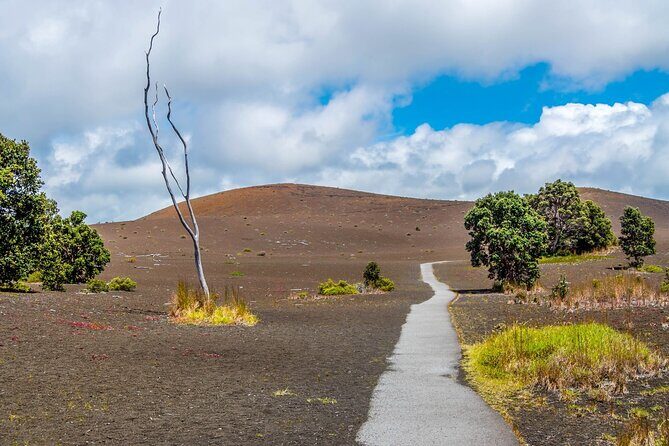
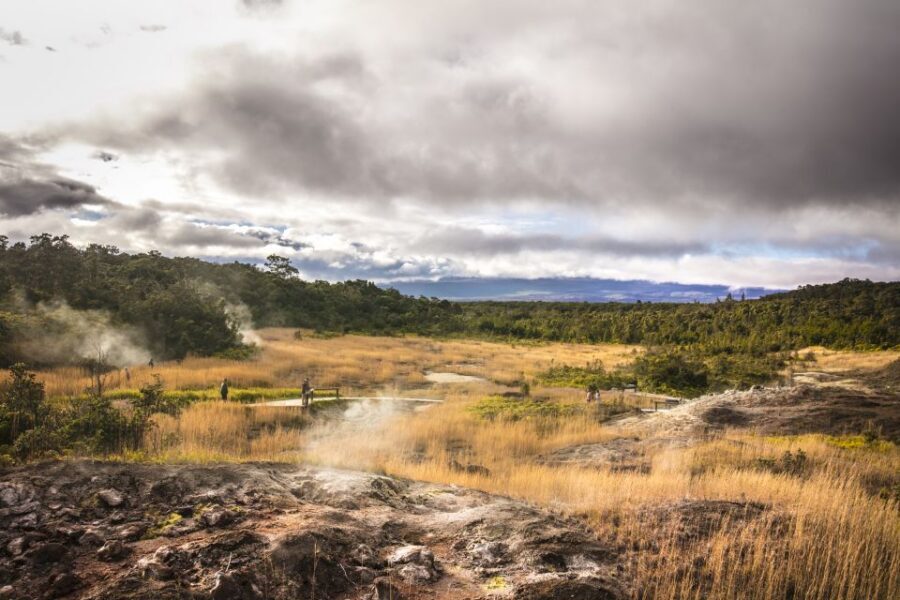
After Kīlauea Military Camp, you’ll hit Steam Vents. These vents are created by heat from Kīlauea warming groundwater trapped underground. The rising steam is basically a sign that there’s active heat and movement under the surface.
This is a great stop for two reasons:
- It’s easy to access.
- It’s visual in a way that clicks fast—steam says more than a map ever will.
Then comes a short but intense hit: the start of the Sulphur Banks Trail. The tour calls it short and sweet, but you should know this part of the park comes with a real sulfur stink. If you’re sensitive to smells, be ready. If you’re fine with it, this is also one of those moments where the park’s mood becomes obvious instantly.
Other guided tours in Big Island of Hawaii






Kīlauea Overlook: When the Volcano Looks Wrong (On Purpose)
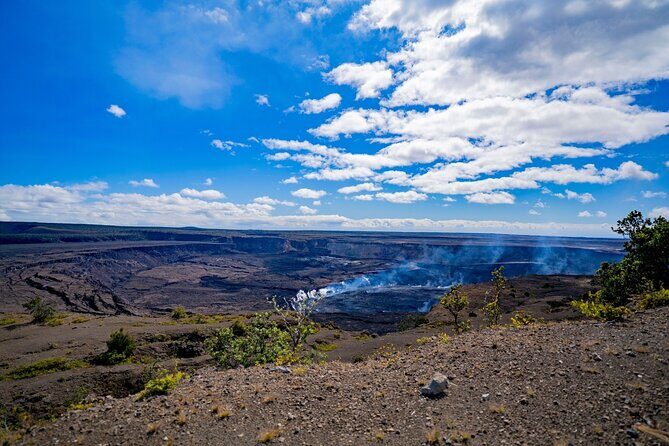
At Kīlauea Overlook, you get one of the park’s must-see view points. The crater here can look surprising, not like a classic cone-shaped volcano from a textbook. That’s normal. The audio helps you connect what you’re seeing to why Kīlauea behaves the way it does—this is one of the most active volcanic systems on Earth.
This is a good stop to slow down. Even if you don’t plan a walk, standing here gives you a sense of scale, depth, and activity that makes the later stops feel connected.
Kīlauea Iki Trailhead: The 3.3-Mile Loop Reality Check
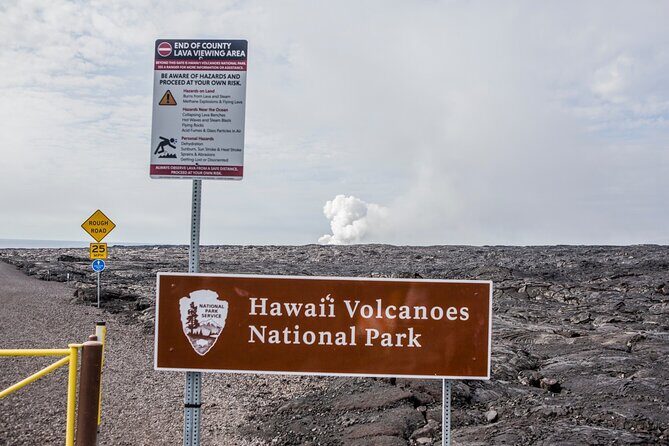
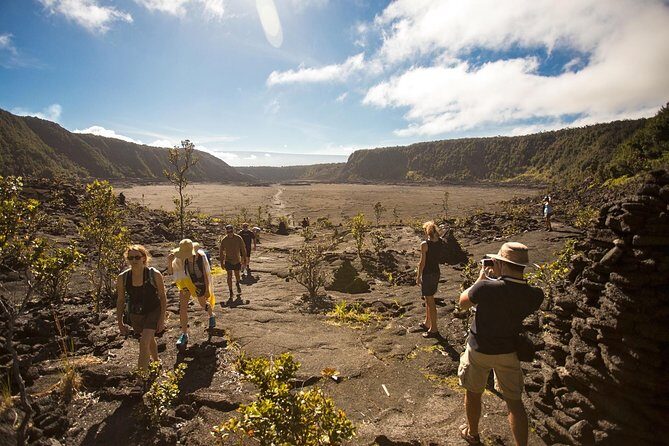
Next is Kīlauea Iki Trailhead, the access point for a loop through Kīlauea Iki Crater. The full loop is about 3.3 miles and can take around three hours. The key detail: it can be strenuous due to elevation change.
Here’s the practical way to handle this:
- If you have 2–3 hours total for the whole drive, you might not do the full loop.
- If you do want to hike, plan for the hike to be the time chunk, and consider trimming how long you linger at other spots.
The audio story here is useful even if you only walk a short distance. It gives you something to watch for and understand, rather than just guessing what the crater terrain means.
Nahuku – Thurston Lava Tube: Walk Inside Molten-Made Geometry
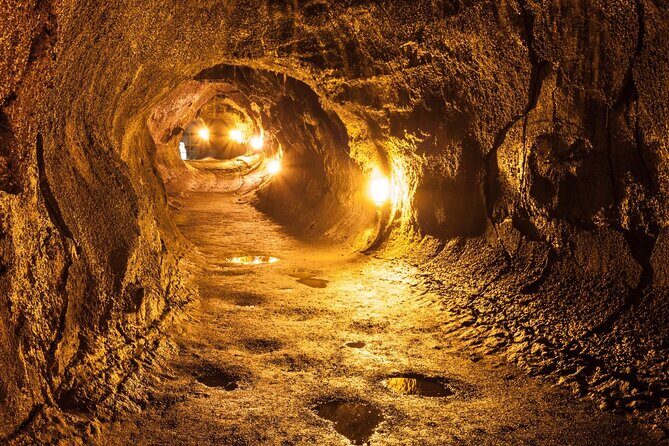
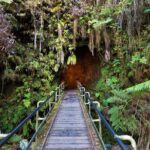
Nahuku – Thurston Lava Tube is one of those places where the story and the physical space agree. The tube formed over 500 years ago when molten lava flowed through the area. As lava on the outside cooled and hardened while lava on the inside kept moving, a tunnel-like cave was left behind.
This is a classic “wow, I get it now” stop. Seeing the result of cooling lava helps you understand why other features look the way they do—cracks, tubes, pits, and flow paths aren’t random. They’re the park’s physics in action.
Admission at the listed stop is free, and the tour timing is short, but the tube itself is the kind of place where taking your time pays off. Just watch your footing—this isn’t a flat, polished walkway.
Luamanu, Puhimau, and Pauahi Craters: Forest Gone, Gases Rising
You’ll move through a sequence of crater features: Luamanu Crater, Puhimau Crater, and Pauahi Crater.
- Luamanu Crater: the tour notes it was once filled with dense forest, changed in just one day. That single-day shift is a reminder that volcanic landscapes can flip fast.
- Puhimau Crater: the emphasis here is on unique geological formations created by volcanic activity. This one is more about observation than a specific dramatic landmark, so pay attention to what the audio tells you to look for.
- Pauahi Crater: this stop gets more specific with measurements: about 330 feet deep and roughly 1,000 feet in diameter. It’s known for lava spatter deposits and fumaroles that emit steam and gases.
The practical advantage of this cluster is that it builds a mental catalog. By the time you reach Pauahi, you’ve already been primed on how craters form and what volcanic activity looks like in the real world.
Puʻu Huluhulu, Kipuka Puaulu, and Mauna Ulu: Cinder Cones and Microclimates
Three stops make a neat trio: Puʻu Huluhulu, Kipuka Puaulu, and Mauna Ulu Lookout.
At Puʻu Huluhulu Trailhead, you’re looking at a cinder cone. The name means hairy hill because low shrubs create a fuzzy appearance from afar. That’s a fun bit of language that turns a view into something you can notice right away.
Then comes a concept-driven stop: Kipuka Puaulu Trail. Kipukas are areas where lava flows surround older vegetation. Over time, that older life persists, creating a pocket where plants can thrive despite the surrounding barren lava field. The audio highlights the idea of a microclimate—different soil and moisture conditions from the surrounding area—so you’re not just seeing a patch of green. You’re seeing why it stays green.
Finally, Mauna Ulu Lookout gives you panoramic views of the Mauna Ulu lava flow. It’s mostly flat and gray, but the tour points out toadstool-shaped formations. That’s the kind of small detail that turns a gray field into an actual story.
Pu‘u Loa Petroglyphs and Volcano Art Center: Human Time on Hardened Lava
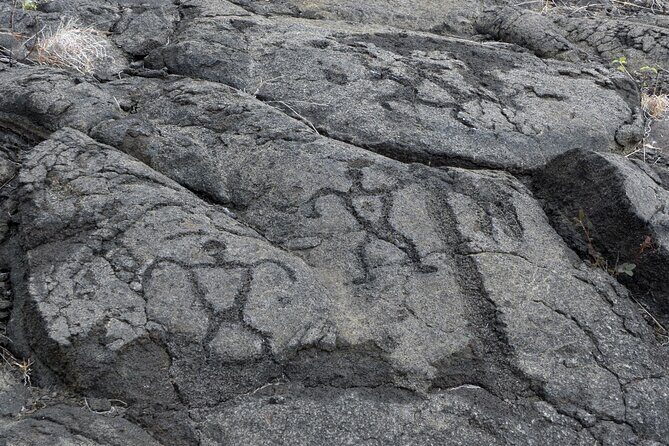
Not every stop here is about volcanoes in motion. Pu‘u Loa Petroglyphs connects the geology to long human observation. The tour notes there are over 23,000 ancient petroglyphs etched into hardened lava rock. That scale is hard to take in unless you slow down and let the story set the context.
Then you end up at the Volcano Art Center Gallery, a small building separate from the visitor center. This one is a quieter break. It’s useful if you want your brain to rest after hours of heat, smoke, and textures outside.
Holei Sea Arch: The Drive’s Big Visual Payoff
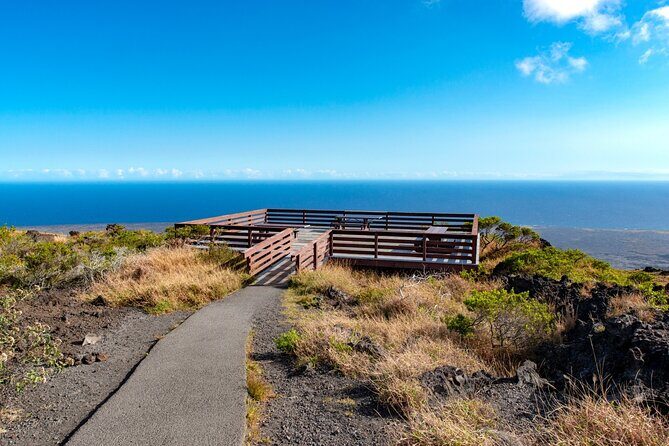
Your route ends at Hōlei Sea Arch on Chain of Craters Road. This is the “make sure you’re here” stop. The audio centers on the famous sea arch: a picture-perfect sea cliff shaped naturally into an arch.
Why it’s worth timing your day for:
- It’s easy to understand visually.
- It’s a strong end point after a long drive through crater country.
- Even if you only did part of the hiking options earlier, this is still a satisfying final view.
If you’re running short on time, prioritize this ending rather than trying to force every last walk.
Tips So Your Narrator Doesn’t Get Ahead of You
This tour works best when you treat it like a timed story, not a playlist you play while driving. Here are the practical habits that keep everything smooth:
- Drive the speed limit. The audio is timed to your movement. If you race ahead, you can miss parts or feel rushed as the narrator catches up.
- Preview the idea of the route before you start. One common mistake is trying to figure out turns while also listening. Give yourself a minute to understand the general order first.
- If you wander off route, stay close. GPS audio is built to track your location, and it can keep guiding even if you go slightly out of order, as long as you’re following the general route.
- If the audio feels too fast, use the pause and repeat options. The tour is designed to let you pause anywhere. Some audio topics can also be repeated, which helps if you didn’t catch a detail at a stop.
- Do your download before you need it. If your goal is an offline drive, download on strong signal. Weak coverage right when you’re trying to start can turn into an avoidable headache.
Who This Audio Tour Fits Best on the Big Island
This is a good fit if you:
- Want a self-guided way to see the park without joining a group vehicle.
- Care about storytelling and history, not just sightseeing pull-offs.
- Are traveling in a single car with up to four people and want good value.
- Like flexibility: start when you’re ready, stop for photos, and pause when a walk takes longer than expected.
It’s also a solid choice when plans get messy. One reason people like these audio drives is that they stay useful even if you’re dealing with last-minute changes in how you can visit.
Should You Book This Hawaii Volcanoes Driving Audio Tour?
Book it if you want a low-cost, high-structure way to connect Kīlauea’s geology and history in one drive—especially if you’re short on time or you don’t want to do research for every pull-off. The GPS-triggered audio and offline setup do most of the heavy lifting.
Think twice if you’re hoping for a perfectly flexible route in either direction. This one is built around its forward flow from Volcano to Hōlei Sea Arch. If you know you’ll want to reverse the order, plan to accept a little extra fuss.
If you’re staying on the Big Island and want to feel oriented in Hawaii Volcanoes National Park without booking a pricey guided van, this is one of the cleaner ways to spend a half day.
FAQ
How long is the Hawaii Volcanoes National Park self-guided driving audio tour?
It takes about 2 to 3 hours to complete, depending on how much time you spend at stops.
What does it cost?
It costs $16.99 per group, up to 4 people.
Do I need tickets to enter Hawaii Volcanoes National Park?
Yes. Park entrance fees are required and are not included with the audio tour.
Is there a live guide with the tour?
No. It’s self-guided, and there is no one who meets you at the start.
Does it work without cellular service?
Yes. You must download the tour while you’re on strong wifi or cellular, and then it works offline after that.
How does the audio know when I reach each stop?
The audio stories play automatically based on your location using GPS.
Can I pause the tour and restart later?
Yes. You can start anytime and pause anywhere, going at your own pace.
Where does the tour start and end?
It starts at the Entrance Station, Volcano, HI 96785, and ends at Hōlei Sea Arch on Chain of Craters Rd, Pāhoa, HI 96778.
How do I hear the audio in my car?
You can connect your phone to your car stereo using Bluetooth, USB, or AUX.
Does the tour expire after I buy it?
No. It includes new lifetime access with no expiry, so you can use it on any trip as many times as you want.