REVIEW · BIG ISLAND OF HAWAII
Small Group, Kona Manta Ray Snorkel Adventure!
Book on Viator →Operated by Kona Snorkel Tours · Bookable on Viator
Manta rays show up fast. This small-group Kona night snorkel is built around a lightboard that brings plankton close, so the manta rays cruise right under you.
What really makes it fun is the combo of an easy meet-up in Kailua-Kona and a crew that’s right there in the water when you need guidance.
I love how close the manta rays can get. I also like that the snorkeling happens with a safety-first in-water setup, with a guide and captain focused on you, not crowds.
One thing to weigh: this is not a casual “float and hope” experience. You need basic swimming skills, you’ll climb up a ladder back onto the boat, and manta rays are wild animals so sightings are never guaranteed.
In This Review
- Key highlights worth clocking before you go
- What Makes This Kona Manta Ray Snorkel Different
- The One-Hour Flow: Meet in Kona, Ride Out, Then Snorkel
- Snorkeling the Surface: How the Lightboard Brings the Action
- Small-Group Kona Magic: What “Up to 13” Changes
- Crew Safety and the “You’re Not Alone” Factor
- Gear Reality Check: Masks, Fins, and Cold-Water Planning
- Who This Tour Fits Best (and Who Should Skip It)
- Motion Sickness Tips for This Speedy Night Ride
- Weather, Timing, and the Wild-Animal Rule
- Price and Value: Is $115 Worth It?
- What to Expect in Real Life: Calm Nights vs Chaotic Nights
- Should You Book the Kona Manta Ray Snorkel Adventure?
- FAQ
- How long is the Kona Manta Ray snorkel adventure?
- Where is the meeting point in Kailua-Kona?
- How many people are on this tour?
- Do I need swimming experience or skills?
- Are prescription snorkel masks provided?
- What happens if manta rays aren’t seen or conditions are poor?
Key highlights worth clocking before you go
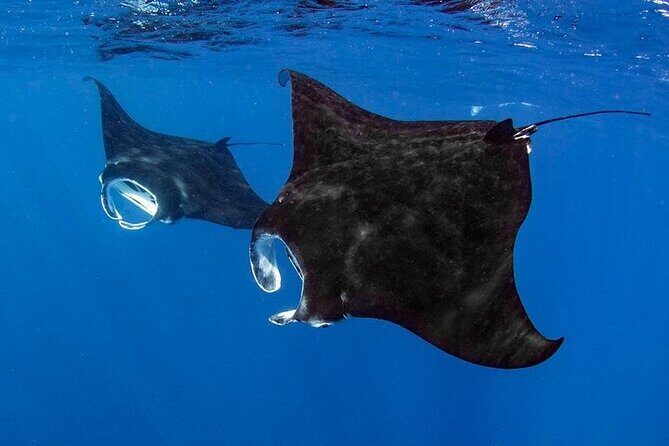
- Up-close manta-ray viewing from a custom lightboard that concentrates plankton
- Small group of up to 13, with hands-on attention and less chaos than big boats
- Short boat ride (about 5 minutes) to the snorkel site, then 20–40 minutes in the water
- Crew positioned at the viewing spot, using a lightboard and underwater lights to bring mantas close
- Bring your comfort plan: prescription masks aren’t provided, and water can feel chilly
- Wild-animal reality: sightings can’t be promised, even when conditions are good
What Makes This Kona Manta Ray Snorkel Different
This is one of those Hawaii experiences where the “wow” is built in, not improvised. The whole plan is about attracting manta rays using a plankton-rich feeding moment. Here’s the key: the boat crew uses a lightboard (plus underwater dive lights) to pull plankton together, and manta rays come in to feed on that concentrated food.
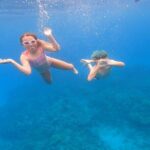
You’re not just watching from far away. You snorkel in open water, staying on the surface and holding onto the board as the lights do their job. When it works, manta rays swim close enough that the moment feels personal, like they’re checking you out. And because this is a small-group operation, you’re more likely to actually feel part of the action instead of watching through a crowd.
This tour is also practical for a first night on the Big Island. The meet-up is in Kailua-Kona with free parking along the road, and the schedule is tight: about an hour total. That matters if you’re trying to fit the night snorkel between dinners, luaus, or planning tomorrow’s driving route.
Other Manta Ray night snorkel tours in Big Island of Hawaii
The One-Hour Flow: Meet in Kona, Ride Out, Then Snorkel
The time commitment is refreshingly simple. You meet at 78-7100 Kaleiopapa St, Kailua-Kona. The activity ends back at that same point, so you’re not left figuring out a second transportation puzzle.
From there, the rhythm goes like this:
1) Meet and get your safety run-through
The crew gives verbal instructions and a safety briefing. There’s an English requirement, so if you’re comfortable following instructions and asking a question in English, you’ll be in good shape.
2) A short boat ride to the viewing site
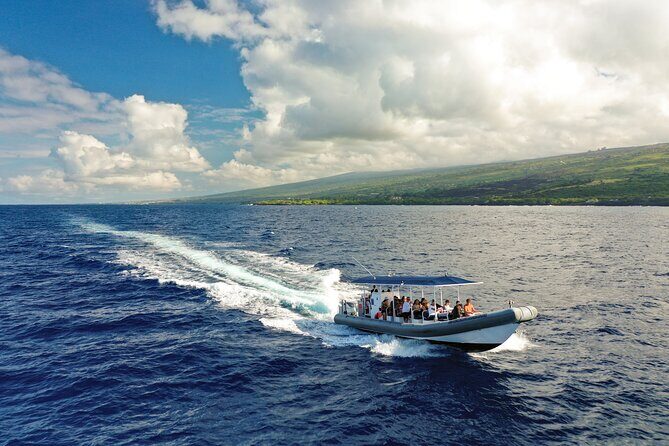
Expect about a 5-minute ride out. Reviews often describe the ride as fast and a bit bumpy, which makes sense for a night outing on open water. If you’re sensitive to motion, consider planning for that (more on that later).
3) Snorkel time on the lightboard
Your snorkel window is typically 20–40 minutes. You’ll be floating on the surface and holding the custom lightboard. Some guides keep you on the board longer when the manta rays are active, because the whole point is to stay with the feeding zone while the mantas are circling.
4) Return to the meeting point
After the water time, you head back. The total trip length is about 1 hour.
What I like about this flow is that it’s not padded. You’re not spending half the evening waiting around; you’re moving from meet-up to water time quickly, and then you’re back.
Snorkeling the Surface: How the Lightboard Brings the Action
Let’s talk about the actual snorkeling setup, because this is where expectations can either match reality or miss it.
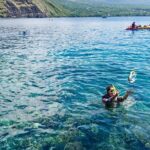
You float at the surface and snorkel while holding onto the lightboard. That board is the magnet: it attracts plankton, and the plankton draw manta rays in to feed near the lights. The crew also uses underwater dive lights to support the visual feeding cue.
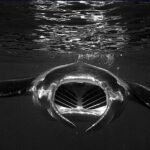
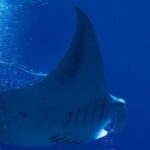
If you’ve only seen manta rays in documentaries, the difference here is scale and closeness. You’re in the water with them, and the rays often swim in the zone around the board rather than passing like a distant silhouette. When sightings are strong, you may see multiple manta rays at once, and they can circle in a way that changes your viewpoint constantly.
Two realistic notes to keep your brain ready:
- Manta rays are wild animals. Even with the right gear and crew, sightings can be limited or slow. The company can’t guarantee they’ll be there.
- You’re not doing a long swim track. You’re staying in the right place for them to arrive and feed.
This style of snorkeling is also easier to manage for many people than a long “swim to a reef” route. You’re essentially anchoring your position by holding the board while the ecosystem comes to you.
Small-Group Kona Magic: What “Up to 13” Changes
I’m a big fan of small-group tours when the activity depends on timing and attention. Here, the limit is 13 travelers max. That changes things in three practical ways:
1) More time with the people who guide you
When you’re not squeezed into a huge boat group, the guide team can spot problems faster. If someone needs reassurance about staying on the board or managing their breathing, that’s more doable in a small setup.
2) Better viewing around the lightboard
A big crowd can turn an up-close experience into a bottleneck. With a smaller group, you’re more likely to get a clear position near the board instead of feeling like you’re fighting for space.
3) Less stress when conditions shift
If manta rays show up late or need time to settle into the feeding zone, a smaller group tends to handle the wait with fewer distractions.
One thing you’ll notice in many positive accounts is how much people remember the crew energy and focus. Names that showed up in guest feedback include captains and guides like Capt Landon, Justin, and guides such as Chase with team members like Ryan, Kelly, and Keely. Different nights can mean different staff, but the common theme is a crew that stays engaged and safety-minded.
Crew Safety and the “You’re Not Alone” Factor
This tour isn’t just “here’s a board, good luck.” The in-water guide, lifeguard, and captain are stationed at the viewing site. That matters because night snorkeling is when small uncertainties feel bigger: water temperature, visibility, staying calm, and remembering which way is up.
The crew uses the lightboard and underwater lights, and they’re positioned where they can help you adjust quickly if you struggle with:
- holding your position comfortably,
- getting your face into the water smoothly,
- managing nerves in the open ocean.
Also, this tour requires you to be able to independently climb up a boat ladder. That’s not a small detail. It’s part of why the company can keep the operation compact and safe. If ladder climbing is hard for you, it’s worth thinking hard before you book.
Gear Reality Check: Masks, Fins, and Cold-Water Planning
A few gear points can save you from a last-minute problem:
- Prescription snorkel masks are NOT available.
If you wear prescription glasses, you’ll want to plan your best option ahead of time. Don’t assume you can borrow what you need.
- You may want a wet suit.
Some guests specifically rented a wet suit because the water felt chilly. Hawaii water can still feel cold when you’re floating still at night, so bringing a plan is smart.
- Expect limited flexibility on equipment.
One less-favorable experience described confusion around fin availability, and people felt gear decisions weren’t clearly communicated. To avoid that, ask your operator ahead of time what’s included and what’s available to rent, so you’re not surprised when you arrive.
There’s also a practical comfort factor: you’ll be in the water in open ocean conditions. If you’re prone to getting cold fast, plan accordingly.
Who This Tour Fits Best (and Who Should Skip It)
This experience is a great fit if you:
- can swim confidently and handle open water,
- want a night wildlife experience that’s built around a feeding event,
- like the idea of a small team guiding you closely,
- enjoy watching animals rather than “just doing the activity.”
It’s also a good match if you’re traveling with kids or teens who can follow directions. In the feedback, families described the guides as patient and the overall vibe as fun and encouraging.
But I’d be cautious if you:
- don’t meet the basic swimming skill requirement,
- can’t climb back up the boat ladder without help,
- need prescription snorkeling gear (because those masks aren’t available),
- prefer to avoid water time that involves holding still and floating for a while.
One more point: you must be able to converse in English to understand verbal instructions and safety briefings. If language is a barrier, that’s a real operational constraint.
Motion Sickness Tips for This Speedy Night Ride
The snorkel part is only part of the whole evening. The boat ride can feel fast, and some people get seasick. One guest suggested using something like Dramamine because it helped prevent the issue.
I’m not saying you’ll get sick. But if you’re the type who turns a calm day into a barf day, bring motion-sickness prevention. Night tours can make nausea worse because your brain is dealing with darkness, waves, and movement at the same time.
Weather, Timing, and the Wild-Animal Rule
This tour needs good weather. If the operator cancels due to weather, you’ll be offered a different date or a full refund.
Also, even on the right night, manta rays can show up late—or not show up much at all. That’s not a bait-and-switch. It’s just how wildlife works. The operator can’t guarantee their presence, even though the lightboard setup is designed to attract them when conditions are favorable.
If you can, book this earlier in your trip so you have flexibility. That way, if the first outing is light on mantas, you can take advantage of rescheduling options without wrecking the rest of your itinerary.
Price and Value: Is $115 Worth It?
At $115 per person, this isn’t the cheapest thing on Hawaii Island. But it also doesn’t feel inflated for what you’re paying for: a specialized setup with a custom lightboard, crew in the water, and an operation limited to 13 people.
Here’s how I judge the value:
- You’re paying for probability and attention, not a guaranteed animal cameo. Manta rays are wild, so the tour has to stack the odds in your favor.
- You’re paying for time in the zone. The snorkel portion is long enough (20–40 minutes) to make a difference when mantas are circling.
- You’re paying for comfort and safety. The crew’s positioning and guide focus matter more on a night water activity than on land tours.
If you compare this to larger boats that can cram 20–50 people on board, the small-group format is a real value lever. Less crowding means a better chance of having a calmer, more controlled experience around the lightboard.
What to Expect in Real Life: Calm Nights vs Chaotic Nights
Some nights go smoothly. Calm water makes the floating portion more comfortable and helps the group stay relaxed.
But open ocean is open ocean. Even when everyone is trying to be steady, there can be a bit of bounciness on the way out and back. Some guests described the boat ride as exciting and memorable, including night sailing under stars. That’s part of the charm, but it’s also why motion sickness prevention can be smart.
The best-case scenario is when manta rays come in strongly and the guides are able to keep you at the board until you’ve had real viewing time. The not-so-best case is when visibility, timing, or animal behavior makes the experience shorter on mantas. You’ll still be getting the snorkel and the lightboard feeding concept—but the animal payoff can vary.
Should You Book the Kona Manta Ray Snorkel Adventure?
Book it if you want a small-group night snorkel with real crew guidance and a setup designed specifically to bring manta rays close. If you can swim, can climb the ladder, and you’re comfortable snorkeling without prescription masks, this is one of the more compelling ways to do manta rays in Kona.
Skip it or think twice if any of these are dealbreakers:
- you don’t have basic swimming skills,
- you need prescription snorkel masks,
- ladder climbing would be difficult,
- you’re not comfortable with the wild-animal uncertainty.
My practical advice: plan your snorkel as one of the first “big” activities on your Big Island trip. That gives you room to reschedule if the weather or manta sightings aren’t ideal.
FAQ
How long is the Kona Manta Ray snorkel adventure?
The activity is about 1 hour total, with snorkel time typically around 20–40 minutes.
Where is the meeting point in Kailua-Kona?
You’ll start and end at 78-7100 Kaleiopapa St, Kailua-Kona, HI 96740.
How many people are on this tour?
The tour is limited to a maximum of 13 travelers.
Do I need swimming experience or skills?
Yes. Basic swimming skills are required, and you must be able to independently climb up a boat ladder.
Are prescription snorkel masks provided?
No. Prescription snorkel masks are not available.
What happens if manta rays aren’t seen or conditions are poor?
Manta rays are wild animals, so sightings can’t be guaranteed. The tour also requires good weather, and if it’s canceled due to poor weather, you’ll be offered a different date or a full refund.