REVIEW · BIG ISLAND OF HAWAII
Kona’s Guaranteed Whale Watch: An Unforgettable Ocean Encounter
Book on Viator →Operated by Bite Me Sportfishing · Bookable on Viator
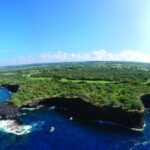
Whales feel close fast. This Kona guaranteed whale watch takes you out from Honokohau and aims right at humpbacks, pilot whales, and even false killer whales, with a return option if sightings are quiet. You cruise the Kona coastline on a boat with both a cabin and an open top observation deck, so you can adjust to sun, wind, and sea conditions.
Two things I like a lot: first, you get snacks and bottled water on board, which keeps the trip easy and relaxed. Second, the crew makes the hunt feel purposeful, with real guidance on where to look and what whale behavior means. One consideration: the best whale viewing spots are usually on the upper deck, so if you want the forward view, you’ll do better arriving ready to move quickly.
Check in at Honokohau Small Boat Harbor (no hotel pickup), and bring the basics for the water. If you’re traveling with young kids, note the rule that children under five must provide their own life vests.
In This Review
- Key points before you go
- Why this Kona whale watch feels like more than a gamble
- Honokohau Small Boat Harbor: where the adventure starts (and why it matters)
- The boat layout you’ll actually care about
- The cruise game plan: humpbacks, pilot whales, and false killer whales
- Snacks, bottled water, and the calm rhythm of a 2.5 to 3 hour trip
- Meet the crew energy: why it can make or break the day
- Season timing: when whales show up off Kona
- Viewing strategy: how to get the best odds from your spot on the boat
- Who this tour fits best (and who should adjust expectations)
- What the guarantee really gives you (and how to use it wisely)
- Price and value: is $110 per person worth it?
- Tips to maximize your odds and make the cruise smoother
- Should you book Kona’s Guaranteed Whale Watch?
- FAQ
- Where does the whale watch start?
- How long is the Kona guaranteed whale watch?
- What whales (and other animals) are you looking for?
- Is this tour only available during certain months?
- Is whale watching actually guaranteed?
- What’s included in the price?
- Is hotel pickup included?
- What should children bring?
- How big is the group?
- What happens if the tour is canceled due to weather or minimum passengers?
- Is the tour offered in English?
Key points before you go
- Guaranteed whale sightings with a free re-visit voucher if you don’t see any whales on the trip
- Honokohau departure from a small boat harbor with a cabin plus an upper observation deck
- Real whale targets: humpback whales, pilot whales, and false killer whales
- Included comfort: bottled water, snacks, and a professional guide
- Practical viewing tip: the top deck gives the best perspective, but space is limited
- Family detail: kids under five need their own life vest
Why this Kona whale watch feels like more than a gamble
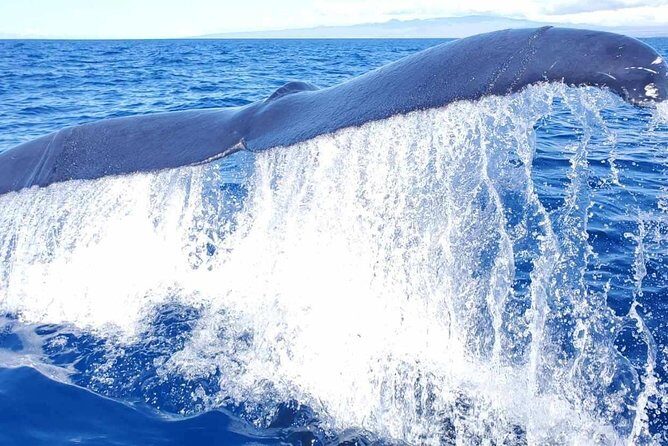
Whale watching on the Big Island always carries some uncertainty. This tour tries to remove the biggest worry with a straightforward sightings guarantee: if you don’t see any whales, you’re offered a voucher to come back during the same vacation, based on availability, free of charge. That changes how you experience the day. You can focus on the water, not on obsessing over luck.
The promise is aimed at what matters most: your time on the ocean. You head out from Honokohau Harbor and keep looking for whales as the captain navigates the coastline. And because the boat is set up with an upper deck and indoor cabin, you’re not trapped waiting for one perfect condition.
One more thing that helps: the tour is designed for a relaxed pace. You’re not on a tight timeline with nonstop instruction. You’re out there to scan the water, enjoy the ocean air, and take pictures when something surfaces.
Other whale watching tours in Big Island of Hawaii
Honokohau Small Boat Harbor: where the adventure starts (and why it matters)
You meet at Honokohau Small Boat Harbor in Kaiminani, right by the harbor area. There’s no hotel pickup, so you’ll want to plan for a simple self-arrival—especially if you’re using rental car or you’re mixing in other Kona stops.
This matters because whale watches can be weather-sensitive. When you’re already at the harbor, you’re ready to board when the schedule allows. It also keeps your day from getting swallowed by long pickup routes.
The boat layout you’ll actually care about
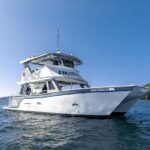
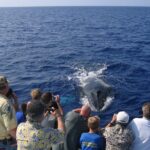
The boat has two main zones: a cabin and a top observation deck. The cabin gives you shelter when wind kicks up or if you want to warm your hands and settle your camera. The top deck is where you’ll get the best chance to spot a spout early and track the whale once it surfaces.
The ship has room to move around, which is a big deal during a wildlife cruise. People who want sun can gravitate outward; people who want shelter can rotate indoors. That flow makes it easier to stay engaged instead of stuck in one seat the whole time.
The cruise game plan: humpbacks, pilot whales, and false killer whales
Your crew’s job is to find where whales are doing their thing that day. You’ll look for multiple species that can show up in Hawaiian waters during the season: humpback whales, pilot whales, and false killer whales. That list is part of why this tour can feel exciting even before you spot anything.
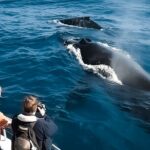
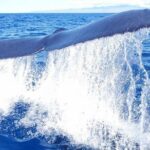
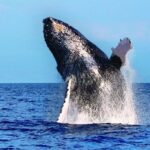
Humpbacks are the star attraction, and when they’re around you’ll usually notice a pattern: spouting, surfacing, and then a stretch where you can watch how they move relative to the coastline. If you’re lucky, you might also catch a mother-and-calf moment—one of the most emotional things you can experience on this kind of cruise.
Pilot whales and false killer whales tend to appear differently than humpbacks. They can show up in groups, and their surfacing patterns may be more frequent or quick. On a good day, dolphins also make surprise appearances alongside the whale search.
The key is how you watch. Don’t just stare at one spot. Train your eyes in short scans, then follow spouts immediately when you see them. Your crew will help you understand what you’re seeing—where to look, what a spout looks like in real time, and how to interpret whale behavior as the boat positions for a better view.
Snacks, bottled water, and the calm rhythm of a 2.5 to 3 hour trip
This cruise runs about 2 hours 30 minutes (approx.), though the outing is often described as a longer block once you include the full time on the water and return to the harbor. In practice, it’s long enough to feel like you’re doing more than a quick boat ride, but short enough that you’re not exhausted when you’re back on land.
You’ll get bottled water and snacks on board, which sounds small until you’re actually out there. Whale watching tends to pull your attention outward for long stretches. Having food and water handled means you can keep scanning without worrying about when you’ll be able to grab something later.
This is also where the cruise’s relaxed style really pays off. You’re not rushing from one stop to another. You’re on the water together, and that makes sightings feel more shared—especially when the crew starts steering the boat toward active areas.
Other whale watching tours in Big Island of Hawaii

Meet the crew energy: why it can make or break the day
On a whale watch, the ocean decides a lot. But the crew controls the experience you have while you wait.
What I like here is that the staff clearly invests in the promise of a great outing. You’ll hear guiding talk from the captain and crew, not just safety instructions. Several recent cruises highlighted energetic captains and first mates who actively spot spouts early and help everyone understand what to look for once whales surface.
Names you might run into include Captain Momi with first mate Maddy, as well as captains and assistants like Rory with Michael, and crews described as high-energy pairs such as Justice and Moni, or Louis and Leena. Even when names change from day to day, the pattern stays the same: the crew is engaged and focused on getting you positioned well.
There’s also a difference between knowing facts and guiding you in the moment. The best whale-watch crew doesn’t overwhelm you. They help you see—fast enough that you don’t miss the first surfacing window.
Season timing: when whales show up off Kona
This whale watch is seasonal, running mid December through mid March. That window matters because humpbacks migrate and concentrate during winter months, and that’s when the odds are best.
If you’re traveling outside that season, your best move is to confirm what’s running when you’re in town. During the peak months, you can build the trip around the expectation of more frequent sightings, which makes the time on the water feel like it’s doing what it promises.
Even inside season, conditions vary. So I treat whale watching like a day on the ocean first, with wildlife as the payoff. If you carry that mindset, the trip stays enjoyable even if sightings are slower at first.
Viewing strategy: how to get the best odds from your spot on the boat
You’ll do yourself a favor if you think about where you stand or sit.
The upper deck is the prime viewing zone because you get a higher perspective over the water. But space can be limited, and some people find the forward part of the boat has fewer seats overall. If you want your best view for the whole cruise, plan to be among the first people to choose your spot once you’re onboard.
If you’re more comfortable in a sheltered area, the cabin is your friend. Just know that whale spotting can be harder if you’re boxed in. The best plan is a quick swap: spend the early part scanning outside, then retreat inside when wind or sun gets intense.
Also, bring practical weather sense. Seas can get choppy, even when the day starts calm. Whale watching tours are built for the ocean, but it’s still a boat, and being ready for spray and wind makes your camera time more pleasant.
Who this tour fits best (and who should adjust expectations)
This experience is listed for travelers with a moderate physical fitness level. That usually means you’ll be fine as long as you can handle moving around a boat, standing for periods, and climbing to the deck area.
Families can enjoy it too, but check the kid requirement: children under five must provide their own life vests. That’s a big one. Don’t rely on last-minute rentals because the rule is explicit.
For people who hate being cold, plan for wind on the open deck. For people who hate heights, the cabin might be the safer choice. And if you’re very sensitive to motion, choose seating thoughtfully and switch between deck and cabin when needed.
Group size is capped at 30 travelers. That usually keeps it from feeling chaotic, and smaller groups can help the crew give more attention to positioning.
What the guarantee really gives you (and how to use it wisely)
The whale guarantee is simple: if you don’t see any whales, you get a voucher to return during the same vacation, free of charge, based on availability. The practical value here is flexibility. You’re not stuck with a single shot.
The best way to take advantage is to book earlier in your Kona days. That way, if the first outing is slow or conditions don’t cooperate, you still have time to use your second chance. If you’re booking at the very end of your trip, you may run into scheduling limits.
One more reality check: whale watching is still nature. The guarantee is about getting a return if there are zero whale sightings on the trip, not about guaranteeing dramatic behavior every hour. When whales are active, you’ll likely see more than one kind of surface event during the cruise.
Price and value: is $110 per person worth it?
At $110 per person, you’re paying for a few things at once: time on the water with a small group, guided whale searching, included snacks and bottled water, and that re-visit guarantee if sightings are missing.
What makes it good value for me is the combination. If this were just a boat ride, it would feel pricey. But the guide focus and the guarantee change the cost equation. You’re paying to turn your day into a structured whale hunt, not just casual sightseeing.
Also, the boat setup helps you use your time well. Indoor shelter and an open deck mean you can stay comfortable while scanning. Comfort matters on a trip that’s long enough for wildlife behavior to develop.
If $110 is a stretch, I’d still consider this tour if you’re in Kona during the seasonal whale window and you really want your best shot at seeing whales without crossing your fingers the whole time.
Tips to maximize your odds and make the cruise smoother
Here are the small choices that make a noticeable difference on the water:
- Go prepared for deck time. Bring a light layer and something camera-stable so you can focus when something surfaces.
- Be ready to move to the upper deck quickly if you want the highest view.
- Keep your scan pattern simple: look, check for spout shape, follow immediately, then widen your search.
- Don’t ignore the crew guidance on how to interpret spouts and whale movement. Their steering decisions are part of what you’re paying for.
- Bring your own life vest if you’re traveling with kids under five, since it’s required and you must provide it.
If you’re the kind of person who likes to take photos, practice steady framing before you spot anything. Once a whale surfaces, it can vanish fast, and being able to react without fuss is everything.
Should you book Kona’s Guaranteed Whale Watch?
Book it if you’re visiting mid December through mid March, you want a guided whale search from Honokohau, and you’d rather have a return voucher safety net than gamble on one outing. It’s also a strong pick for families who are comfortable following the life vest rule for children under five.
Skip or reconsider if you’re only in Kona for a tiny window and can’t fit a second date if you need the voucher. Also, if you dislike being outside in wind or you struggle with moving around a boat, plan to spend more time in the cabin and accept that your sightlines may be less ideal.
FAQ
Where does the whale watch start?
It starts at Honokohau Small Boat Harbor, located at Kaiminani, HI 96740, USA, and it ends back at the meeting point.
How long is the Kona guaranteed whale watch?
It runs about 2 hours 30 minutes on average (approx.), with the full experience taking around the length of a typical whale-watch cruise.
What whales (and other animals) are you looking for?
The tour targets humpback whales, pilot whales, and false killer whales, and you may also see dolphins.
Is this tour only available during certain months?
Yes. Whale watching is seasonal between mid December through mid March.
Is whale watching actually guaranteed?
Yes. Whale sightings are guaranteed. If you do not see any whales, you receive a voucher for another tour.
What’s included in the price?
The price includes bottled water, snacks, and a professional guide.
Is hotel pickup included?
No. Hotel pickup and drop-off are not included.
What should children bring?
Children must be accompanied by an adult. Children under age five must provide their own life vests.
How big is the group?
The maximum number of travelers is 30.
What happens if the tour is canceled due to weather or minimum passengers?
If it’s canceled due to poor weather, you’ll be offered a different date or a full refund. If minimum passenger numbers aren’t met, you’ll be offered an alternative or a full refund.
Is the tour offered in English?
Yes, it’s offered in English.